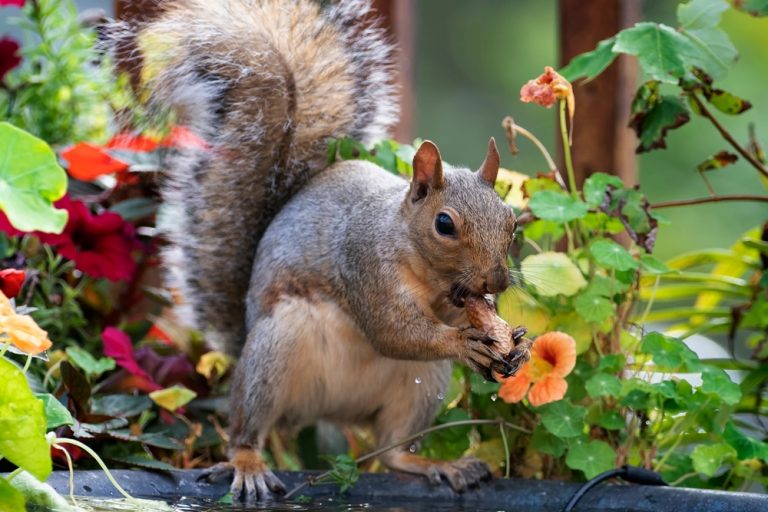
Squirrels can turn a beautiful container garden into a daily excavation project. Fresh potting mix feels soft, easy to dig, and surprisingly attractive to curious squirrels searching for buried nuts or looking for a convenient place to stash new ones. The great news is that container gardens rarely need drastic solutions. A few smart changes…
gardening tips
5 Ways to Revive Soil That Has Turned Hard and Crusty
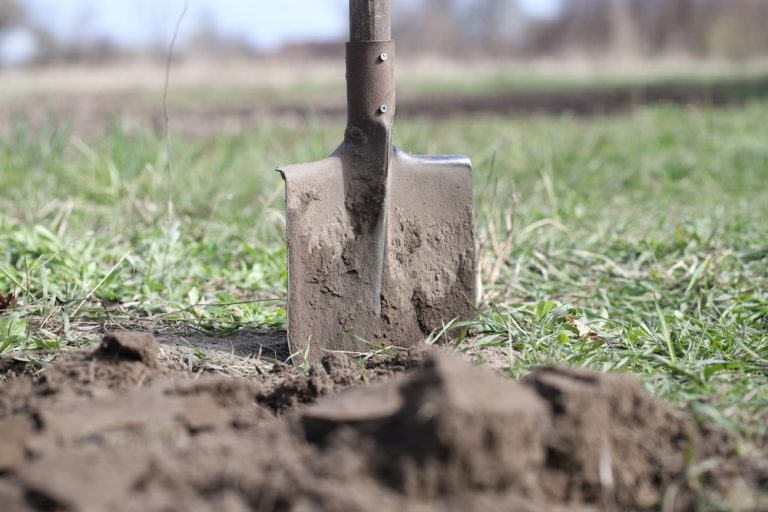
Nothing spoils gardening excitement faster than a patch of soil that feels more like concrete than earth. Hard, crusty soil blocks water, limits air movement, and makes it difficult for roots to spread, leaving vegetables, flowers, and shrubs struggling long before summer reaches its hottest days. Luckily, lifeless ground rarely stays that way forever. A…
Should You Move Potted Plants Before a Severe Thunderstorm?
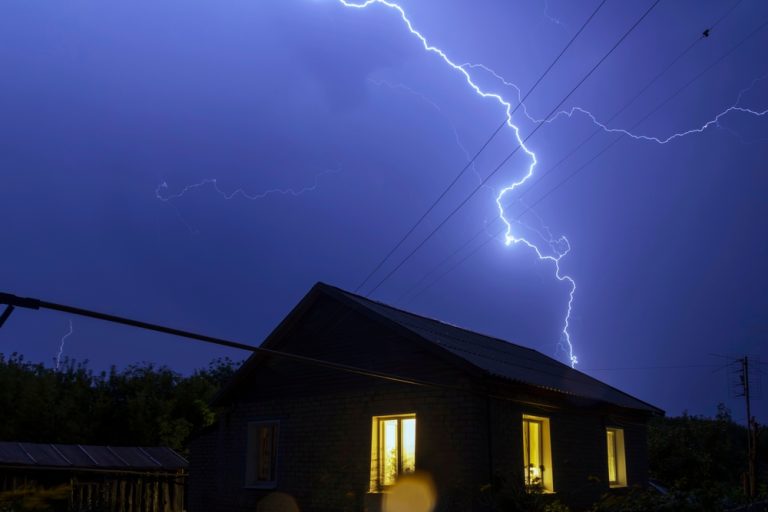
Dark clouds rolling across the horizon often leave gardeners with one big question: should those potted plants stay outside or head for shelter? The answer depends on more than just rain. Wind, hail, saturated soil, and even flying debris can turn a healthy container garden into a messy collection of broken stems and cracked pots…
Can a Garden Journal Help You Spend Less Next Season?
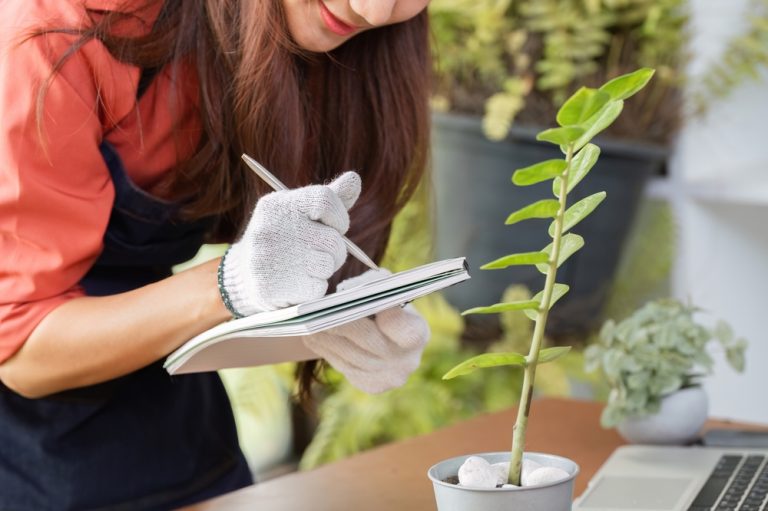
Every growing season teaches valuable lessons, but those lessons often disappear by the time spring rolls around again. A simple garden journal changes that by turning forgotten successes and expensive mistakes into useful notes that guide every planting decision. Instead of buying the same disappointing seeds or repeating the same timing errors, gardeners can build…
Why Are Gardeners Moving Houseplants Outdoors for the Summer?
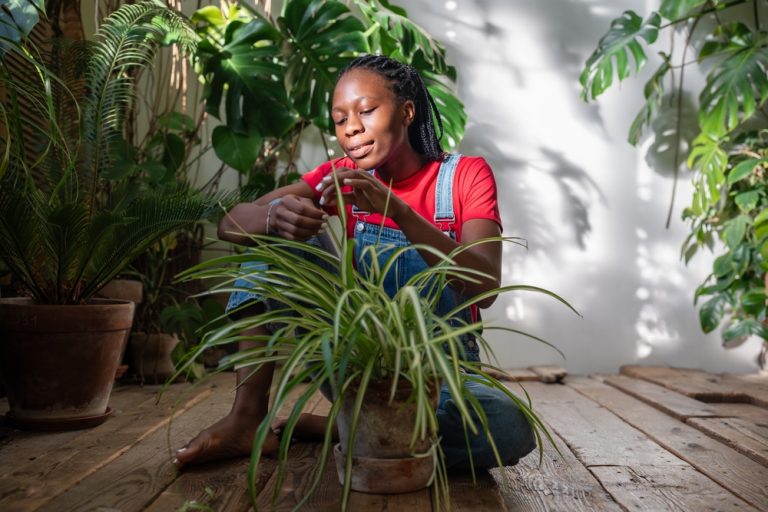
The moment warm weather settles in, a quiet migration begins. Spider plants, pothos, rubber trees, peace lilies, and dozens of other favorite houseplants leave windowsills and living rooms for porches, patios, balconies, and shady garden corners. That seasonal move may seem like a gardening trend, but it actually gives many indoor plants a chance to…
7 Heat-Safe Garden Chores Worth Doing Before Breakfast
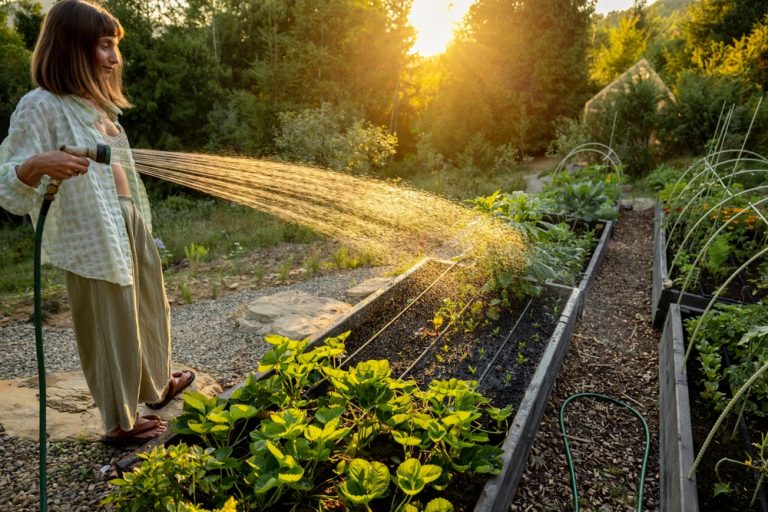
The coolest part of the day offers the biggest opportunity for gardeners. A few well-timed tasks before breakfast can protect plants from scorching afternoon temperatures while keeping gardening safer and far more enjoyable. Summer gardens never seem to hit the pause button. Tomatoes ripen overnight, weeds appear as if they received an invitation, and thirsty…
Why Grass Clippings Can Carry Herbicide Into Vegetable Beds
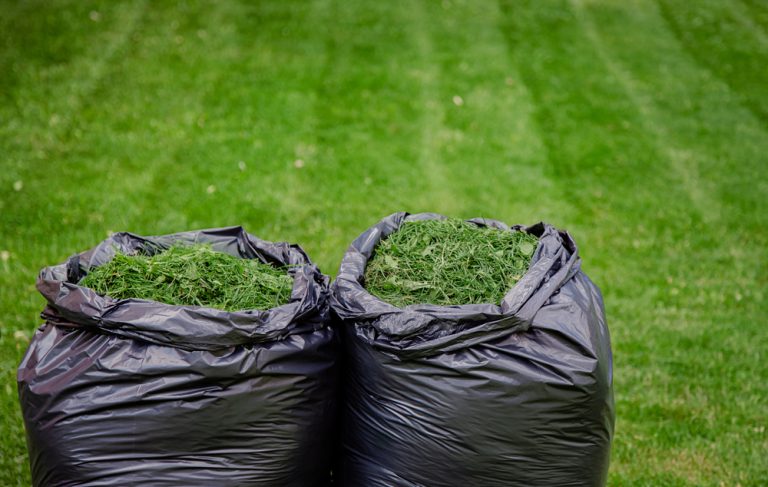
Fresh grass clippings look like free garden gold. They hold moisture, break down quickly, and seem like the perfect mulch for tomatoes, peppers, beans, and squash. That bargain can turn into an expensive mistake when those clippings contain herbicide residue. Many gardeners discover the problem only after vegetables twist, curl, stop growing, or produce strange-looking…
How to Tell If You’re Watering Deeply Enough
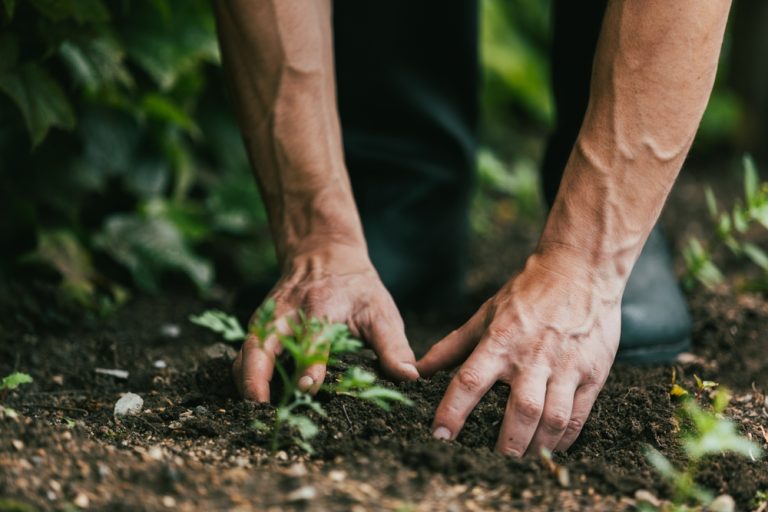
A quick sprinkle may make the soil look wet, but appearances fool plenty of gardeners. Plants need moisture well below the surface, where most of their roots search for water, nutrients, and stability. Deep watering encourages stronger root systems that handle hot afternoons and dry spells far better than plants that rely on frequent shallow…
Why Gardeners Should Photograph Plant Problems Before Treating Them
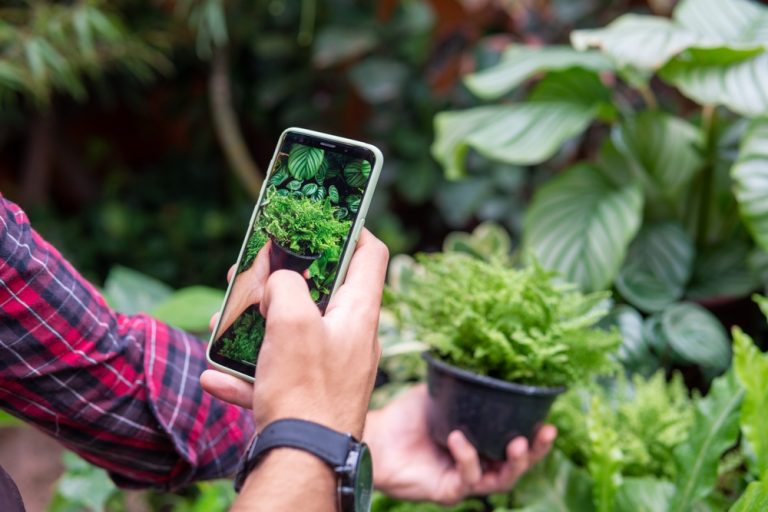
Every gardener feels the urge to grab a spray bottle, fertilizer, or pruning shears the moment a favorite plant starts looking sick. That quick reaction often comes from good intentions, but it can also make the real problem harder to identify. A simple photo taken before any treatment preserves valuable clues that disappear within hours…
The Cheapest Way to Start a Community Garden Plot
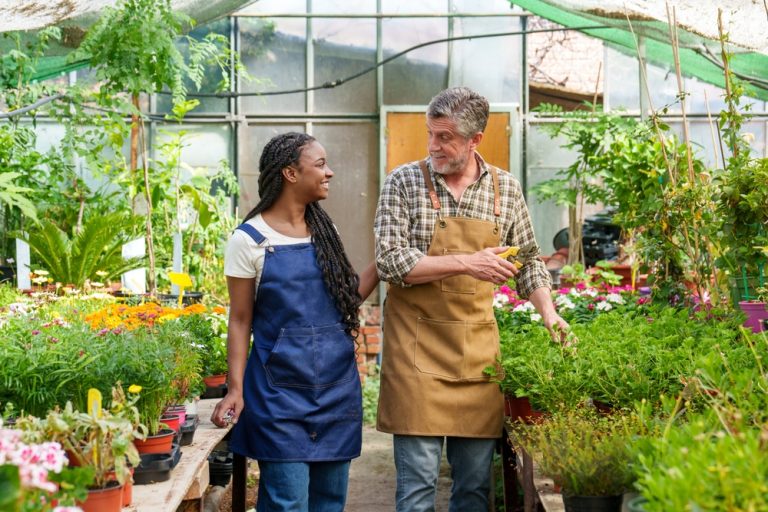
Fresh vegetables, colorful flowers, and friendly neighbors all fit into one surprisingly affordable project. Starting a community garden plot does not require a big budget, expensive equipment, or a truckload of supplies. With a little creativity and some smart planning, almost anyone can transform a patch of soil into a productive growing space without draining…