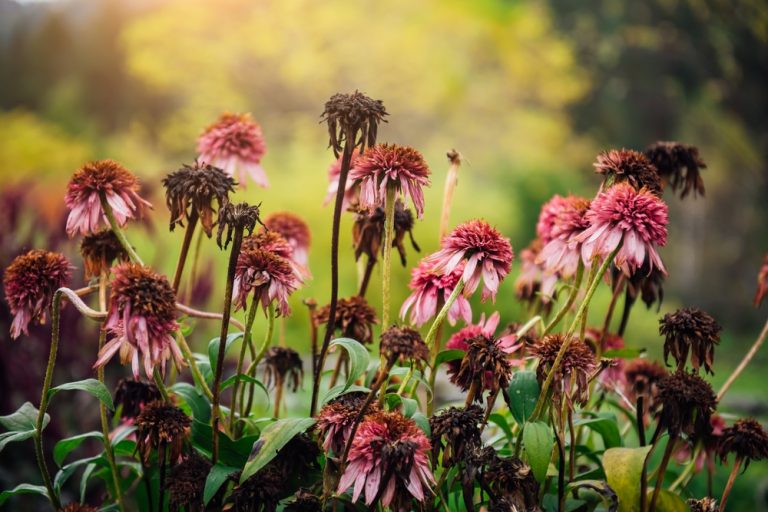
That “dead” garden plant may look like it has officially clocked out for the season, but resist the urge to grab the pruners just yet. Many perennial stems and seed heads can serve a useful purpose through winter, giving wildlife shelter, feeding birds, protecting the plant itself, and making spring cleanup more productive. A garden…
garden maintenance
A Few Minutes of Fall Garden Maintenance Could Prevent Expensive Problems Next Year

A few minutes of fall garden maintenance can save a surprising amount of money, work, and frustration when spring arrives. A garden that looks finished for the season still holds plenty of unfinished business, from diseased foliage and lurking weeds to dirty tools and forgotten hoses. Fall cleanup does not require turning the yard into…
8 Ways to Make This Year’s Garden Supplies Last Another Season

Garden supplies do not have to become annual purchases. A little cleaning, smart storage, and timely maintenance can keep tools, containers, hoses, stakes, and other hardworking gear ready for another round instead of sending them to the trash. The savings feel satisfying, but longevity also makes gardening easier. There is nothing charming about discovering a…
Your Garden Hose Could Be Quietly Adding to Your Water Bill
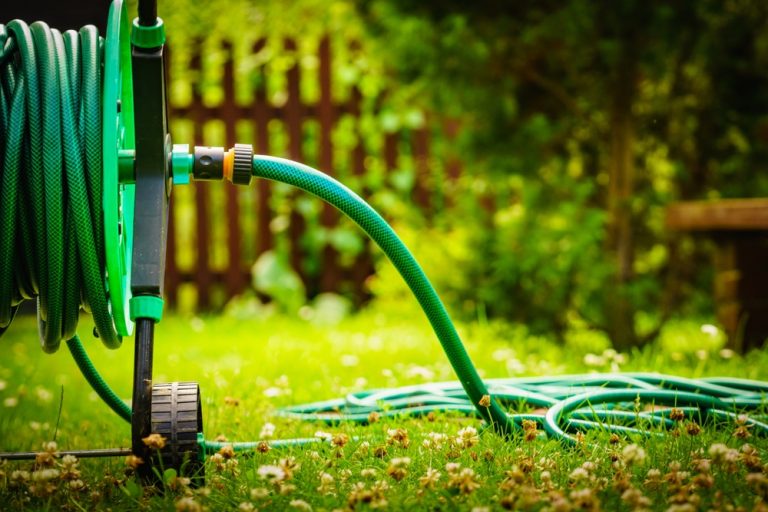
A garden hose can look perfectly innocent while quietly sending money down the drain. A worn washer, loose connection, damaged fitting, or hose left running longer than necessary can turn an ordinary watering session into an easy-to-miss source of water waste. The sneaky part comes from where many hose leaks happen: right at the spigot….
7 Garden Tasks That Get More Expensive If You Put Them Off Until Spring
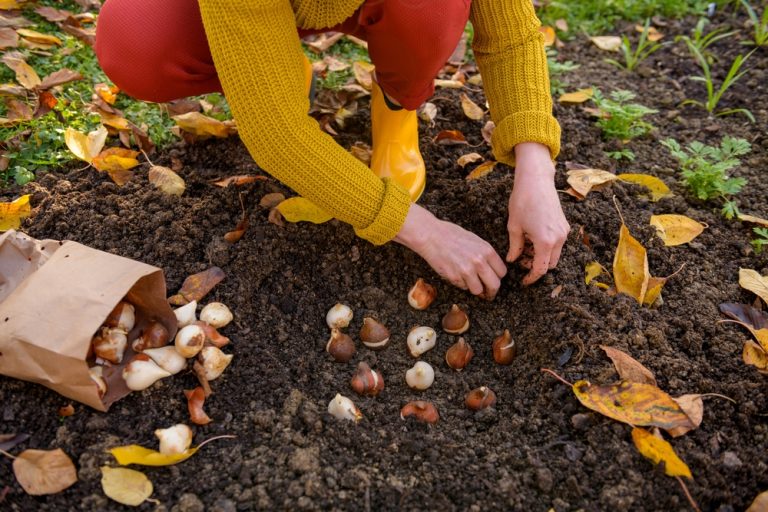
Spring will morph a manageable garden to-do list into a full-blown project. A soil problem that takes a little planning in fall can become a scramble for amendments, a neglected tool can turn into a replacement purchase, and a planting window can disappear while the garden waits for someone to get organized. Every garden chore…
You May Be Throwing Away Garden Supplies That Could Last Another Year
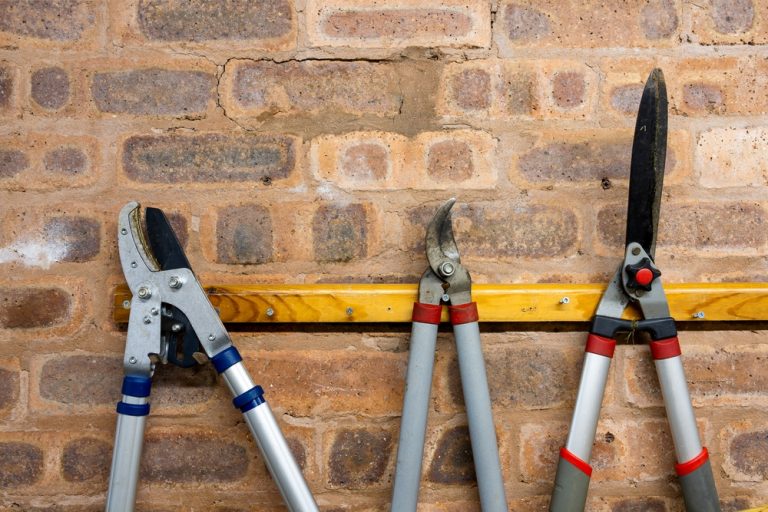
Garden season can trick you into thinking perfectly good supplies are objects that look ready for retirement. A muddy hand trowel, a slightly rusty pair of pruners, a half-full bag of potting mix, or a stack of dirty nursery pots can seem destined for the garbage, especially when the garden starts winding down. But “looks…
Garden Expenses That Aren’t Worth Paying for in September

September can turn a garden center into a financial trap. Shelves fill with fall plants, shiny tools, bags of mysterious soil amendments, and enough “must-have” products to make a perfectly sensible gardener suddenly question every decision made since spring. September gardening does not require a shopping spree. In many cases, the smartest move involves using…
How to Store Garden Tools for Winter Without Buying New Organizers
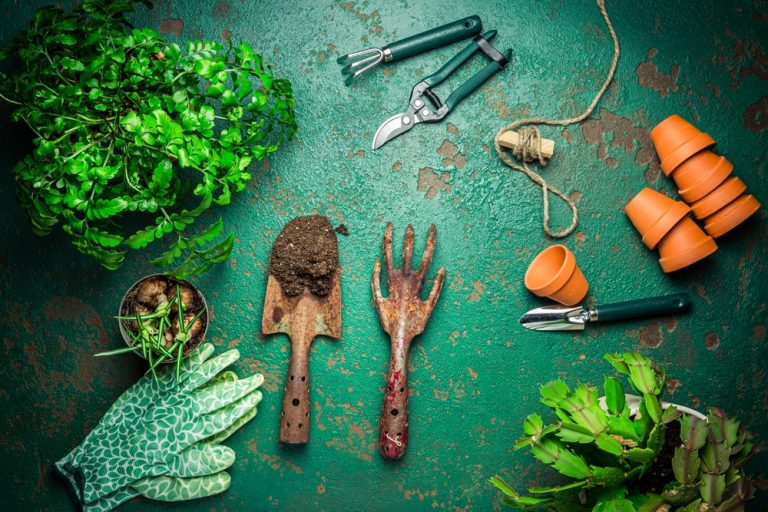
Garden tools have a remarkable talent for turning into a tangled pile of handles, hoses, and mysterious metal objects the moment gardening season ends. Storing them for winter does not require a shiny new rack, expensive storage bins, or a trip to the hardware store, though. A little cleaning, some strategic repurposing, and a better…
6 August Garden Jobs That Make September Easier
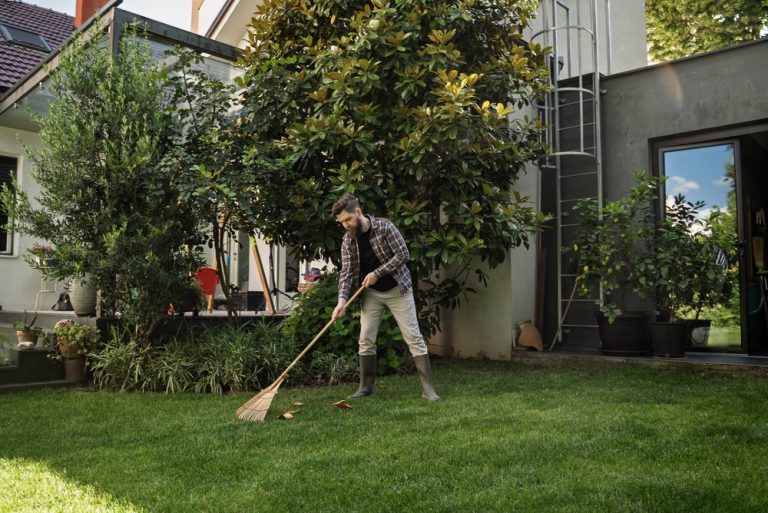
August has a sneaky way of turning the garden into a to-do list with leaves. One minute the beds look wonderfully productive, and the next, spent flowers, sprawling vines, ripe vegetables, weeds, and thirsty containers seem to demand attention all at once. A few well-timed jobs in August can prevent that September pileup and make…
How Much Water Does a Garden Need During Late-Summer Heat?
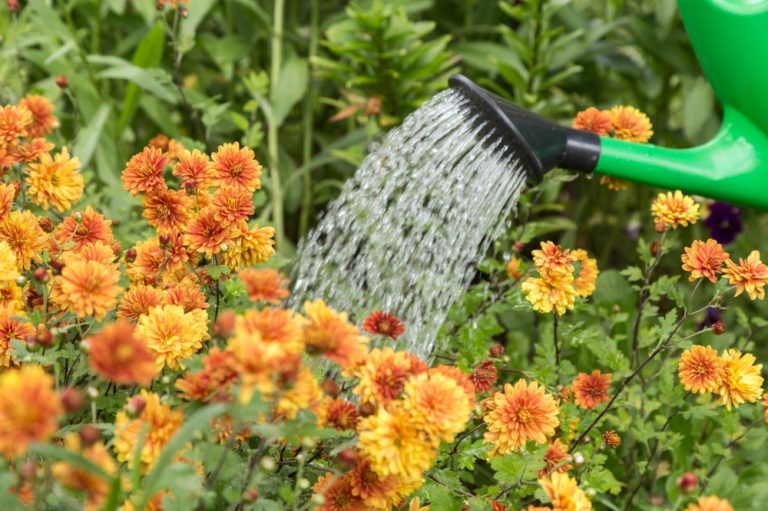
Late-summer heat can turn a perfectly reasonable garden into a collection of thirsty plants by lunchtime. The tricky part involves knowing how much water actually helps because a quick sprinkle across the soil can look productive while doing very little for the roots. During hot weather, most gardens need consistent moisture in the root zone,…