
A few minutes of fall garden maintenance can save a surprising amount of money, work, and frustration when spring arrives. A garden that looks finished for the season still holds plenty of unfinished business, from diseased foliage and lurking weeds to dirty tools and forgotten hoses. Fall cleanup does not require turning the yard into…
mulch
8 Ways to Protect Your Garden From Heat Without Running Up the Water Bill
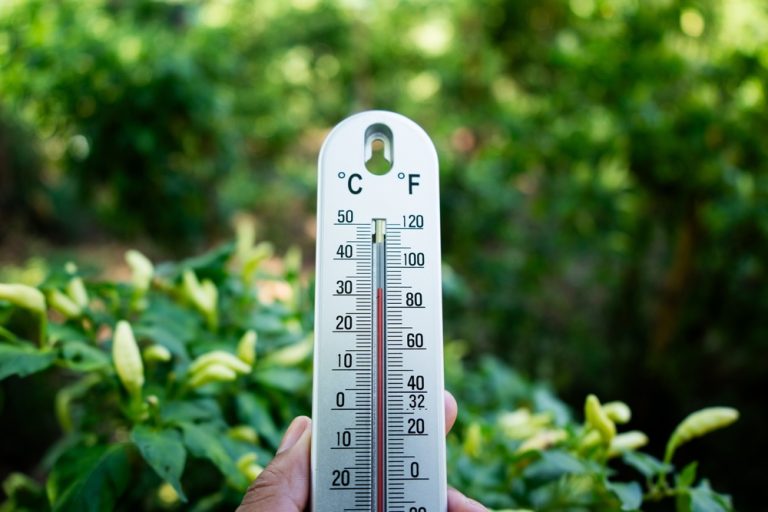
A heat wave can turn a productive garden into a collection of wilted leaves surprisingly fast, but cranking up the hose is not the only solution. A few changes to shade, soil, watering habits, and plant placement can reduce heat stress while helping every drop of water do more work. This involves protecting the moisture…
That Expensive Bagged Mulch May Be Sitting in Your Yard for Free
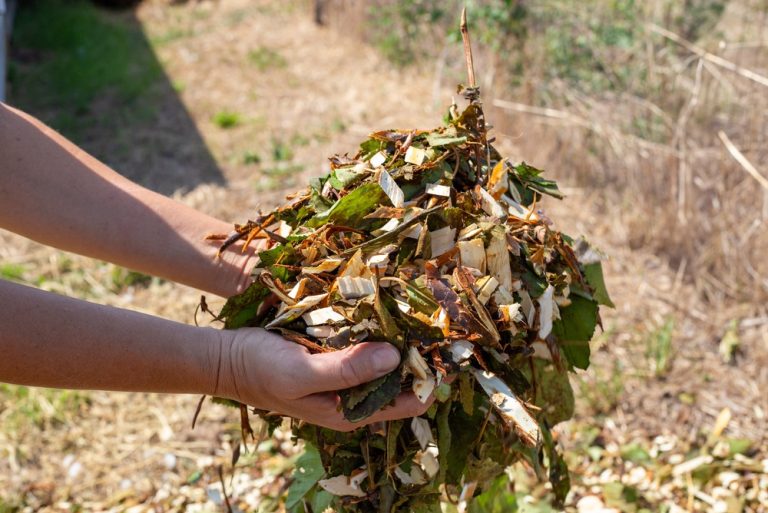
The mulch aisle at the garden center has a way of making ordinary tree debris look like a luxury product. Meanwhile, the leaves scattered across your lawn and the pile of small branches near the shed may already provide much of what those bags promise: moisture retention, weed suppression, temperature moderation, and organic matter for…
Fall Leaves Could Replace Something You’re Paying for at the Garden Center
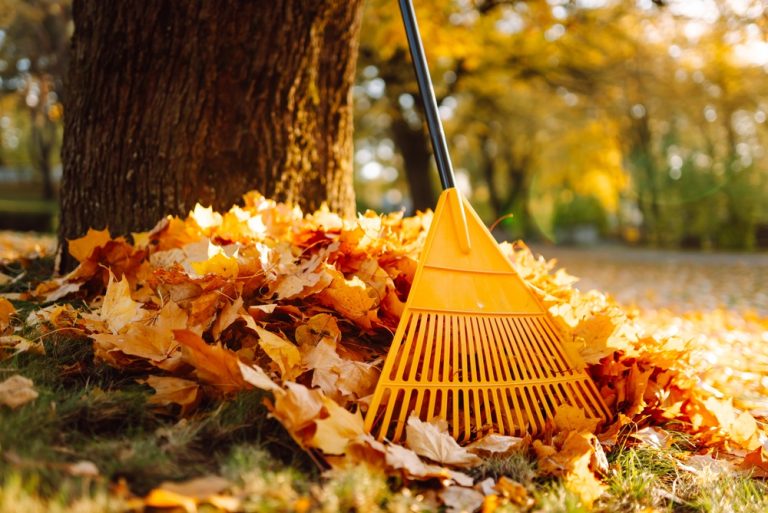
That pile of fall leaves gathering along the driveway may look like yard cleanup, but it can also replace products that gardeners routinely buy at the garden center. Instead of bagging every leaf and hauling it away, gardeners can turn those leaves into mulch, compost ingredients, or leaf mold for future garden use. A thick,…
6 Ways to Cut Water Use Without Starving Your Garden
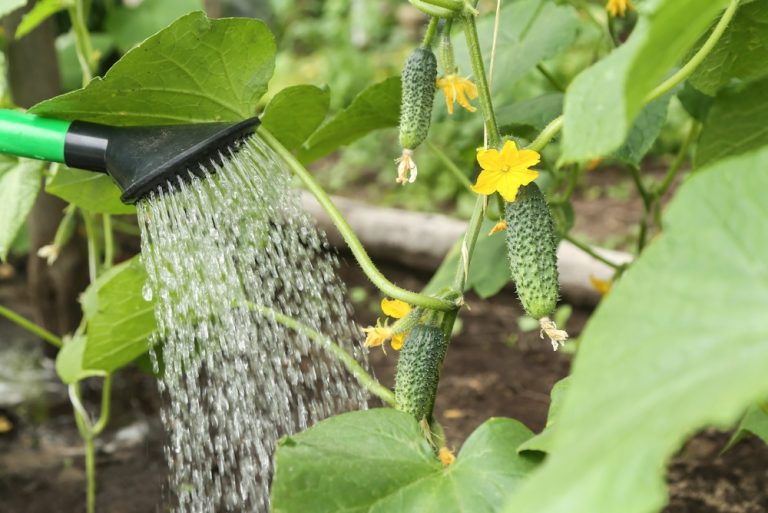
A garden can drink a surprising amount of water, but that does not mean every thirsty-looking plant needs another drink. Often, the bigger problem comes from water landing in the wrong place, evaporating too quickly, or running away before roots get a useful sip. A few smarter habits can reduce water use while keeping vegetables,…
7 Late-Summer Garden Checks That Can Prevent Winter Damage
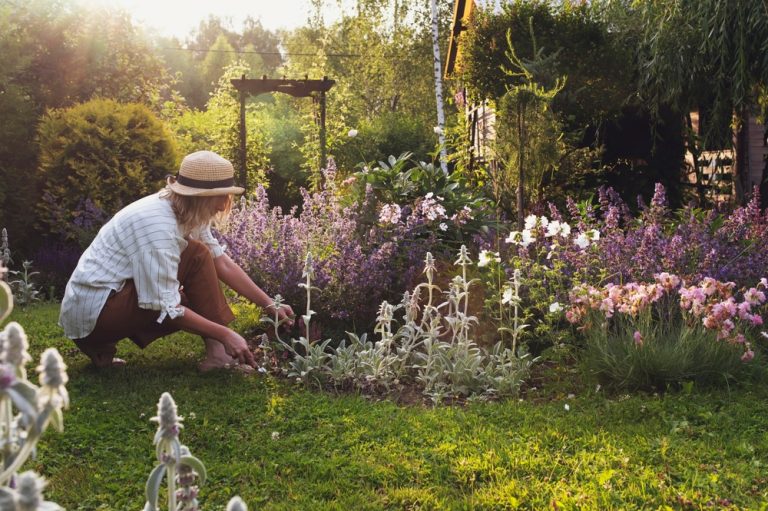
Winter damage often starts long before the first snowflake falls, which makes late summer a surprisingly important time to inspect the garden. A cracked branch, dry root zone, loose stake, or forgotten hose can turn into a much bigger headache once freezing temperatures arrive. A little detective work now can spare plants from unnecessary stress…
Where Can Gardeners Find Free Mulch in Late Summer?
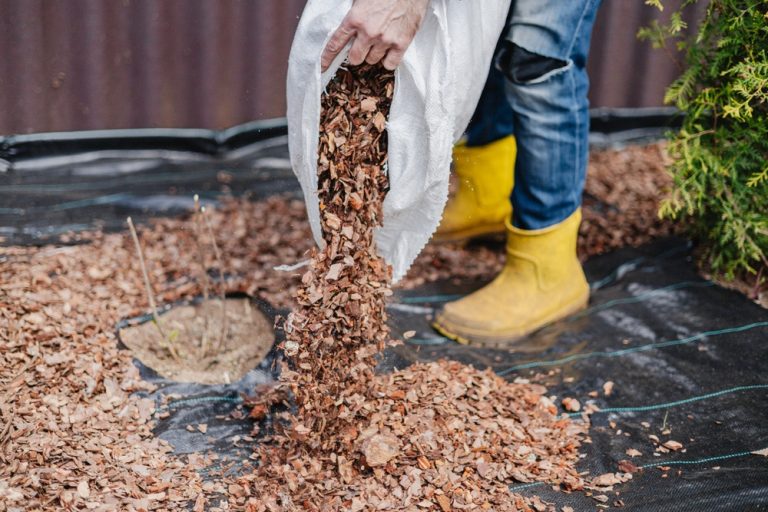
Late summer can make a garden look a little parched around the edges, and fresh mulch can help without making the garden budget groan. Fortunately, gardeners do not always need to visit a garden center and pay for a stack of neatly bagged material. Tree crews, municipalities, neighbors, compost sites, and even the lawn mower…
What Is Causing Mushrooms to Appear Around Raised Beds?
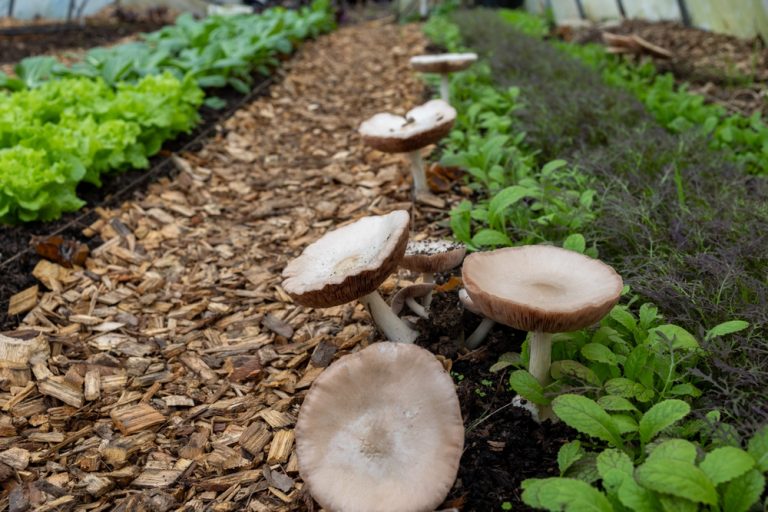
Mushrooms appearing around raised beds can look like tiny garden intruders, especially when a neat vegetable patch suddenly develops a crop of little caps overnight. In most cases, though, those mushrooms point to something much less alarming: moist conditions and fungi breaking down organic material in the soil or mulch. The mushroom itself represents only…
6 Ways to Use August Garden Clippings Without Sending Them to the Curb
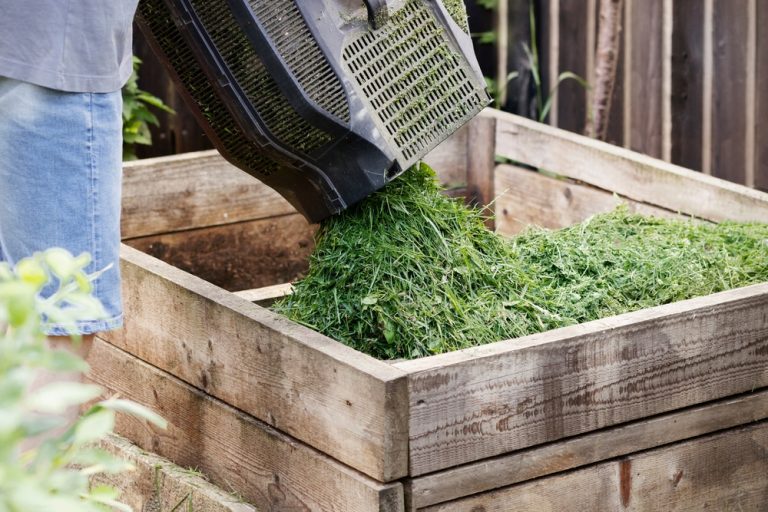
August can turn a garden into a leafy crime scene. Tomatoes have sprawled across paths, zucchini leaves have swallowed nearby plants, spent flowers have piled up, and the hedge suddenly looks like it needs its own postal code. Before stuffing all those clippings into bags for the curb, take a closer look because much of…
8 Garden Materials to Stock Up on When Stores Clear Summer Shelves

Summer garden displays have a funny way of disappearing just when gardeners start thinking about next season. As stores make room for fall and holiday merchandise, garden centers often mark down supplies that still have plenty of useful life left in them. That creates a tempting opportunity, but the trick involves knowing what deserves precious…