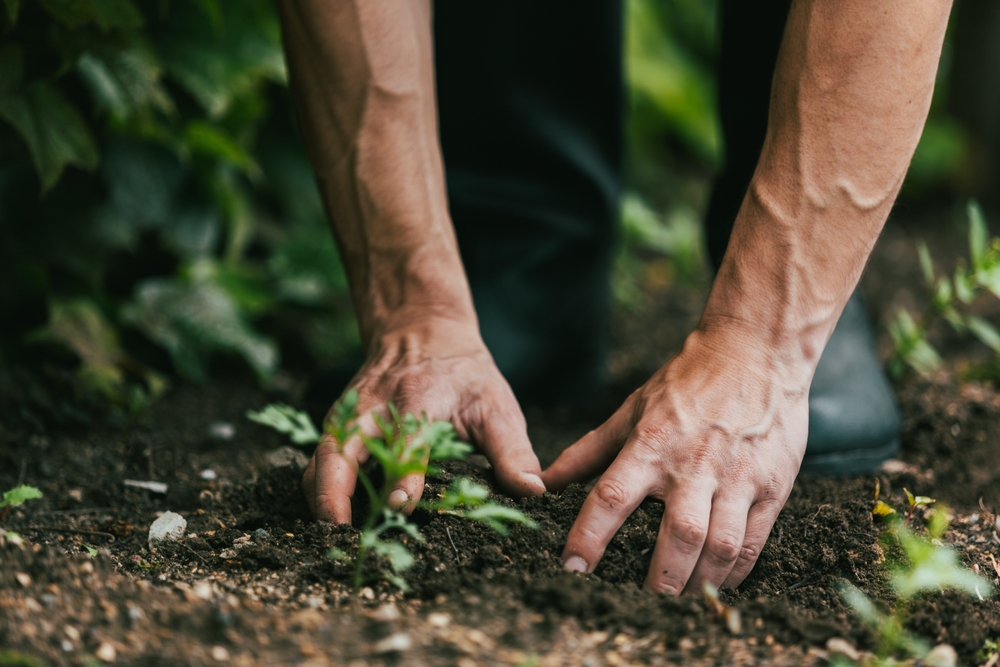
A quick sprinkle may make the soil look wet, but appearances fool plenty of gardeners. Plants need moisture well below the surface, where most of their roots search for water, nutrients, and stability. Deep watering encourages stronger root systems that handle hot afternoons and dry spells far better than plants that rely on frequent shallow drinks.
Many gardens struggle not because they receive too little water, but because that water never reaches the right depth. A few simple observations can reveal whether moisture reaches the root zone or disappears before plants can actually use it. Once those signs become familiar, watering turns from guesswork into a reliable routine that saves time, conserves water, and produces healthier plants.
Look Beyond the Surface of the Soil
Dark, damp soil on top often creates a false sense of success. Just an inch or two below that surface, the ground may already feel dry, especially during warm weather or in sandy soils that drain quickly. Plants cannot rely on moisture that disappears before reaching their deeper roots.
A simple trowel provides one of the best answers in the garden. Dig a small hole several inches away from the base of a plant after watering, then check how far the moisture extends into the soil. Most vegetables, annual flowers, and many perennials benefit when water reaches roughly six to eight inches deep, while shrubs and young trees often need moisture to penetrate even farther.
Pay Attention to What Your Plants Reveal
Plants communicate surprisingly well when someone learns their language. Leaves that wilt during the hottest part of the afternoon may recover by evening, which often reflects temporary heat stress rather than a desperate need for water. If those same leaves remain limp the following morning, the soil probably lacks enough moisture around the roots.
Growth patterns tell another important story. Plants that receive deep watering usually produce sturdy stems, fuller foliage, and steady development because their roots spread farther into the ground. Frequent shallow watering often creates roots that stay close to the surface, leaving plants more vulnerable when temperatures climb or rainfall disappears for several days.
Give Water Enough Time to Soak In
Garden hoses deliver water much faster than most soils absorb it. A heavy blast runs across the surface, flows into sidewalks or driveways, and leaves gardeners believing they watered thoroughly when much of that moisture escaped. Slow watering almost always produces better results because the soil absorbs water gradually instead of shedding it.
Soaker hoses, drip irrigation, or a hose set to a gentle trickle allow moisture to sink deeper into the root zone. Clay soils require extra patience because they absorb water slowly, while sandy soils accept water quickly but lose it just as fast. Matching watering speed to soil type helps every gallon accomplish far more than a rushed soaking ever could.
Test Before Reaching for the Hose
A finger still ranks among the most useful gardening tools available. Push it several inches into the soil before watering, and check whether the ground feels cool and moist or dry and crumbly. That quick test prevents unnecessary watering while giving a much clearer picture than the appearance of the surface alone.
A long screwdriver offers another surprisingly handy option. It slides easily through moist soil but stops when it reaches dry ground. Many experienced gardeners also use inexpensive soil moisture meters, especially around shrubs, raised beds, and containers where moisture levels change quickly. None of these methods takes more than a minute, yet each one helps avoid both underwatering and overwatering.
Mulch Helps Deep Watering Last Longer
Deep watering works even better when mulch joins the effort. A layer of shredded bark, straw, compost, or chopped leaves slows evaporation, keeps soil temperatures more consistent, and allows moisture to remain available for much longer. Instead of racing back outside every day with the hose, gardeners often find they can water less frequently while keeping plants in better condition.
Mulch also softens the impact of heavy rain and irrigation, helping water soak into the soil instead of washing away. It gradually improves soil structure as organic materials break down, creating better conditions for roots to spread. That combination of deeper watering and protective mulch gives gardens a much stronger defense against summer heat.
Different Plants Need Different Depths
Not every plant follows the same watering schedule. Lettuce, spinach, and other shallow-rooted crops need consistent moisture closer to the surface, while tomatoes, peppers, squash, and many herbs appreciate deeper watering that encourages roots to stretch downward. Trees and shrubs need even more patience because their root zones extend much farther than many gardeners expect.
Container plants follow another set of rules entirely. Pots dry out much faster than garden beds because they hold limited soil and expose every side to warm air. Deep watering still matters, but containers usually require more frequent attention, especially during stretches of hot, sunny weather. Watching each plant rather than following a rigid calendar leads to better decisions every season.
The Garden Will Tell the Truth
Deep watering rarely creates instant drama, yet its benefits appear steadily over time. Plants develop stronger roots, soil stays evenly moist longer, and watering becomes less frequent because moisture reaches the places where it matters most. A quick inspection with a trowel, finger, or screwdriver removes the mystery and replaces guesswork with confidence.
Gardening always rewards careful observation more than strict schedules. Weather changes, soil varies from one yard to another, and every growing season brings fresh surprises. Paying attention to moisture below the surface helps every watering session count, resulting in healthier vegetables, brighter flowers, and landscapes that remain resilient even when summer turns hot and dry.
What simple trick has helped determine when the garden needs a deep watering? It’s time for you to share your favorite watering tips and experiences in the comments below.
You May Also Like…
Why Deep Watering Matters More Than Daily Sprinkling During Hot Weeks
Growing with Graywater: Use Shower and Bath Water to Irrigate Ornamentals Safely
Smart Garden Tech: Drip Irrigation and Soil-Moisture Sensors Conserve Water and Money
10 Plants That Survive Even If You Forget to Water Them

Brandon Marcus is a staff writer for FrugalGardening.com at District Media, Inc., where he delivers practical gardening advice with a relatable, no-nonsense style. An avid amateur gardener, he holds a BA degree and with over ten years of professional writing experience, he is also an award-winning published author whose first book, Questions For Deep Thinkers, was released by Adams Media. His work has appeared in major publications including Fandom.com, CHUD.com, TheColdWire.com, and Fansided.com.
Leave a Reply