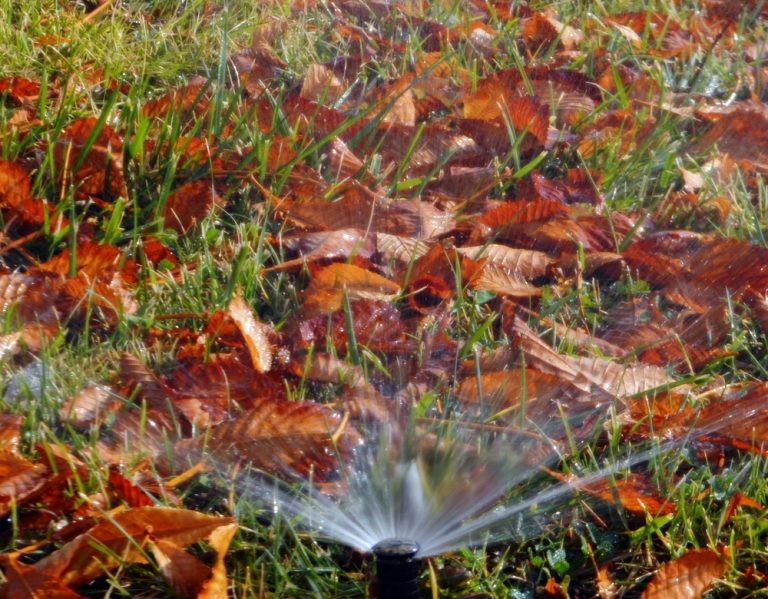
Cool October weather can fool you into thinking the watering can and garden hose are finished for the year. Newly planted trees and shrubs tell a different story because their limited root systems still need moisture even after summer heat disappears and leaves begin dropping. University of Minnesota notes that new plantings require regular, consistent…
watering
Can an HOA Force You to Grow Grass During a Drought?
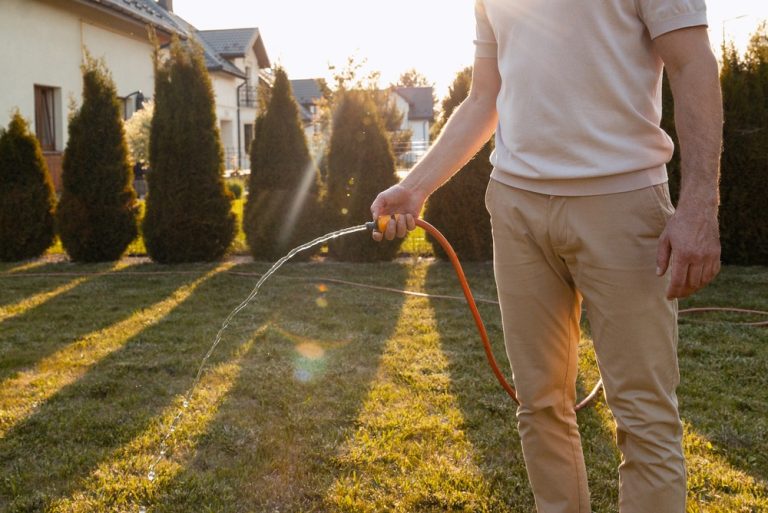
Your lawn turns brown during a drought, you cut back on irrigation to conserve water, and then an HOA violation letter arrives telling you to restore the grass. It sounds absurd, but conflicts over HOA drought rules are real enough that states have passed laws specifically addressing what associations can demand from homeowners. The answer…
Your Watering Routine Could Be Costing More Than Your Plants Need
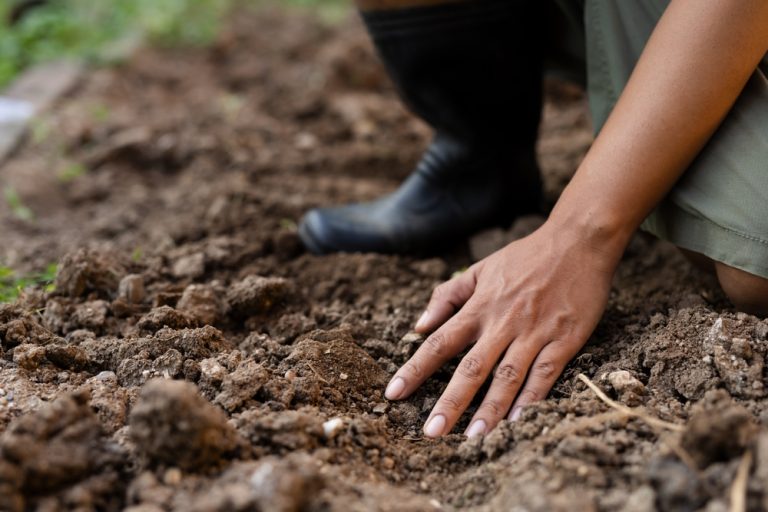
Watering the garden feels like one of those chores that cannot possibly go wrong. The hose comes out, the soil gets wet, the plants look refreshed, and everyone goes home happy. But a watering routine that keeps the soil constantly damp can waste water, encourage shallow roots, and create conditions that invite disease and other…
Should You Keep Watering Your Garden the Same Way Once September Arrives?
September can fool a gardener into watering the garden exactly as they did in July. The calendar says summer has nearly packed its bags, but the soil may still dry quickly on warm afternoons, especially around thirsty vegetables, newly planted perennials, and containers. As temperatures gradually cool and daylight shortens, plants generally lose water more…
Understanding Native Plants That May Lower Watering Needs Over Time
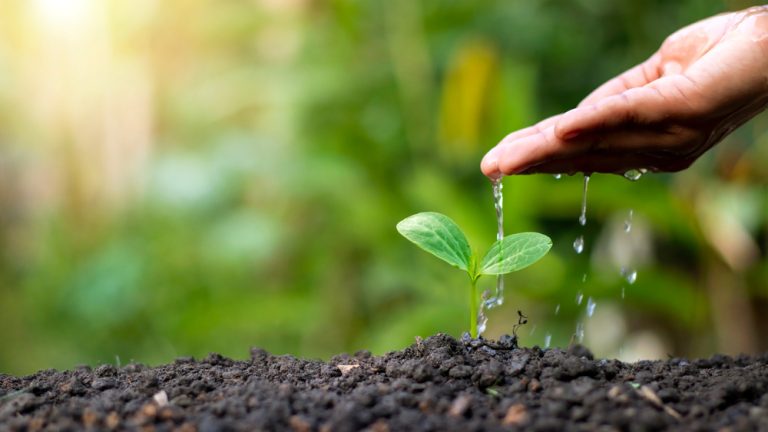
Native plants can make a noticeable difference in how much attention a landscape needs, especially once their roots settle into the soil. The trick lies in choosing species that naturally fit the local climate, soil, moisture patterns, and growing conditions rather than assuming every native plant behaves like a drought specialist. That distinction matters. A…
How Much Water Does a Garden Need During Late-Summer Heat?
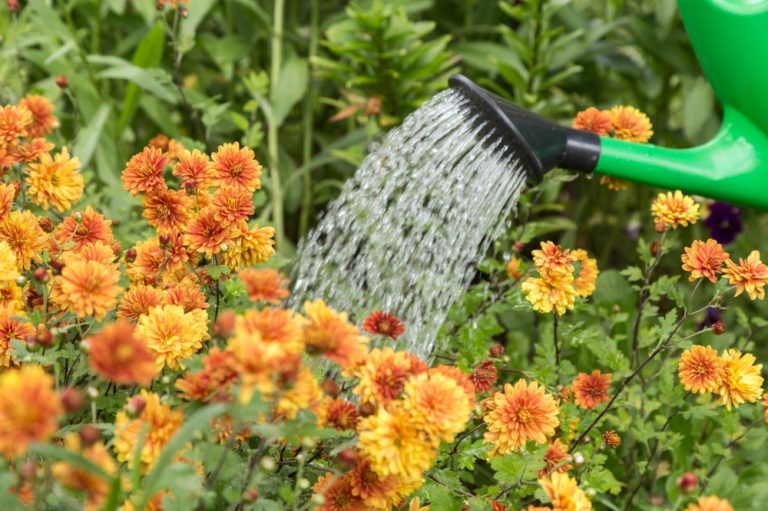
Late-summer heat can turn a perfectly reasonable garden into a collection of thirsty plants by lunchtime. The tricky part involves knowing how much water actually helps because a quick sprinkle across the soil can look productive while doing very little for the roots. During hot weather, most gardens need consistent moisture in the root zone,…
What Is the Right Time to Stop Watering Winter Squash?
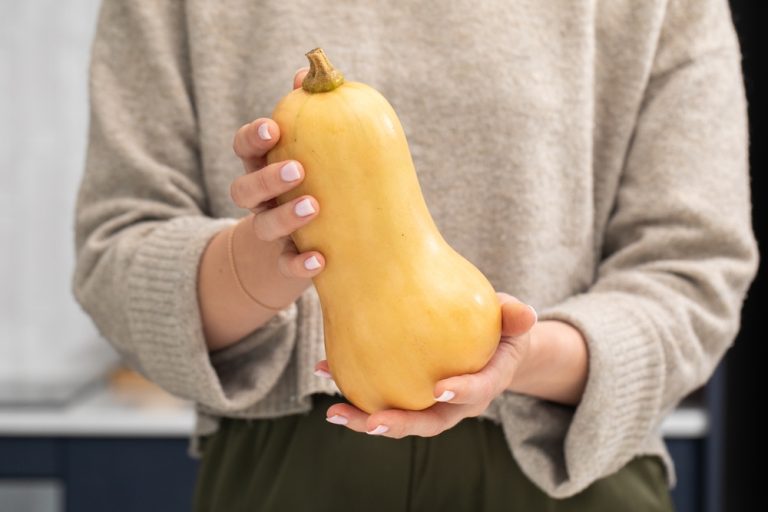
Winter squash has a funny way of making gardeners second-guess themselves. One week the vines look like they could drink an entire bathtub, and the next week the leaves start yellowing while those hefty squash sit there looking suspiciously finished. The right time to stop watering winter squash generally comes when the fruit approaches full…
Are Smart Irrigation Timers Worth It for a Tiny Yard?
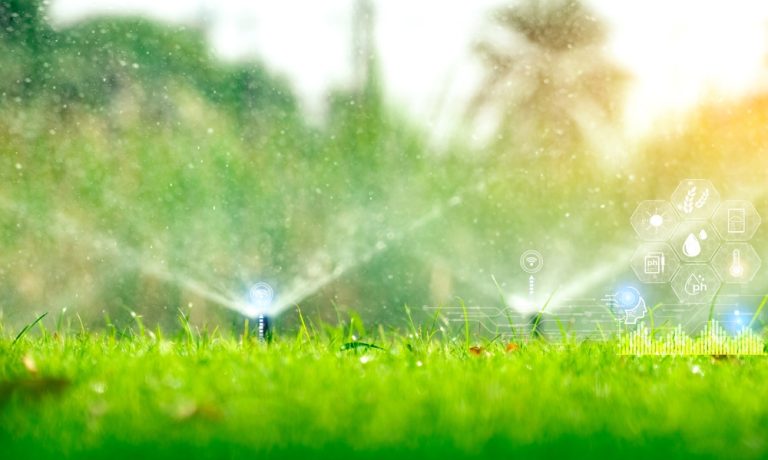
A smart irrigation timer can turn a tiny yard from a daily watering chore into a low-maintenance garden space that practically takes care of itself. For homeowners with a small patch of grass, a few flower beds, or a container garden collection that has slowly taken over the patio, the question comes down to one…
What Is the Best Way to Water a Garden on Sloped Ground?
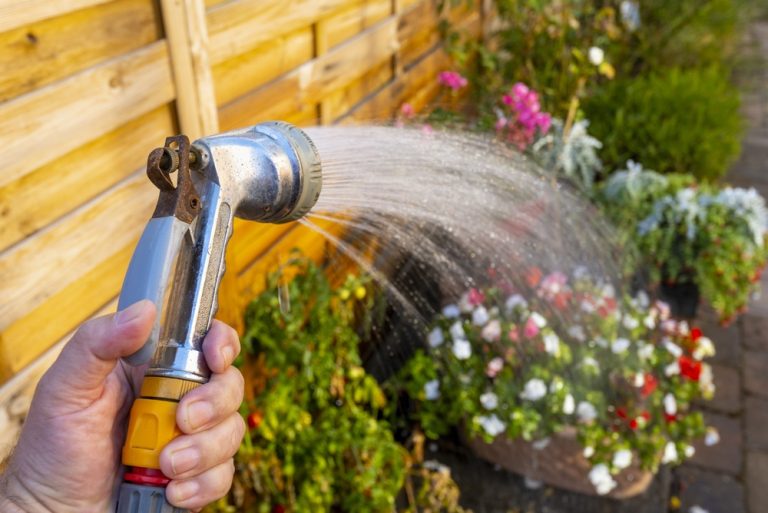
The best way to water a garden on sloped ground involves slowing water down before gravity turns it into a tiny downhill river. Drip irrigation, terracing, contour planting and careful watering habits can help moisture reach plant roots instead of racing across the soil and carrying precious topsoil with it. A flat garden gives water…
Are Punctured Rain Barrels the Next Low-Cost Irrigation Trend?
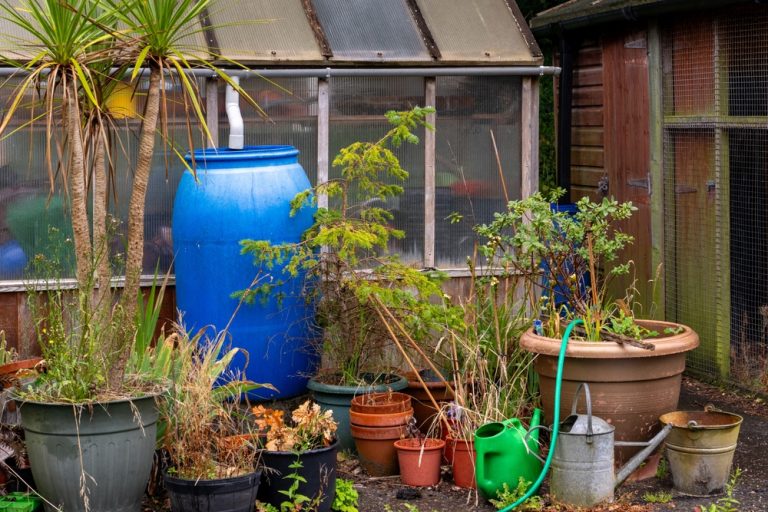
A rain barrel usually sits quietly beside a downspout, collecting water for a later date. A newer low-cost irrigation idea flips that script: instead of storing every drop for a future watering session, gardeners puncture tiny holes near the bottom of a barrel and let collected rainwater slowly seep into the soil. The concept has…