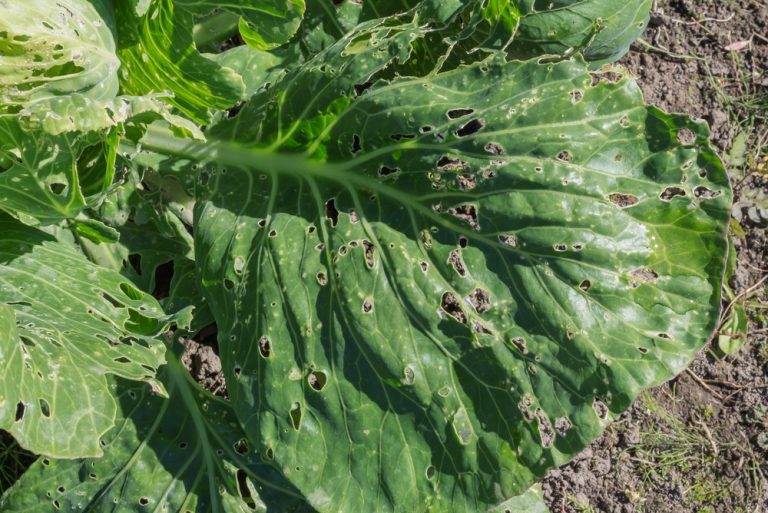
Those tiny holes appearing in fall vegetables are more than ugly little souvenirs from the garden. They can point toward the particular pest nibbling away at leaves, and the shape, size, and location of the damage can help narrow down the culprit. A few ragged leaves do not automatically mean a garden disaster, but ignoring…
organic gardening
That White Powder on Your Plants Isn’t Dust: Here’s What to Do Before Winter
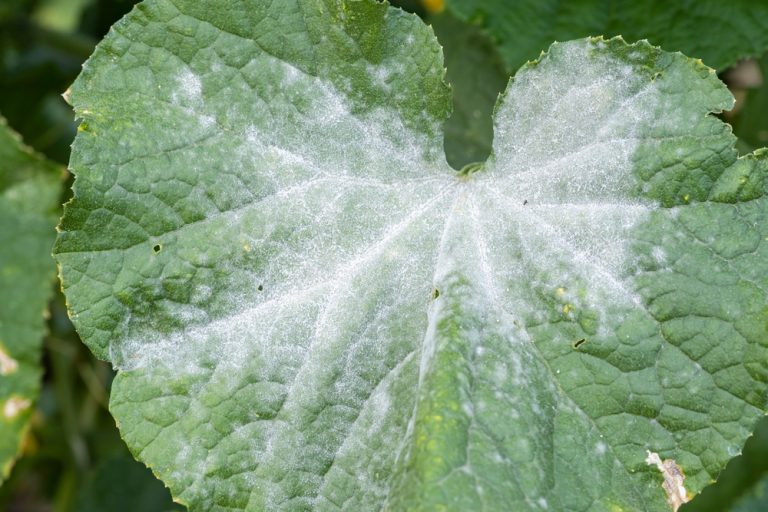
That white powder coating your plant leaves probably did not arrive courtesy of a very messy bag of flour. It may be powdery mildew, a common fungal disease that can spread across leaves, stems, and even flower buds when conditions cooperate. A plant covered in white does not automatically need the compost pile. With a…
Don’t Compost These 7 Plants When You Clean Out the Garden This Fall
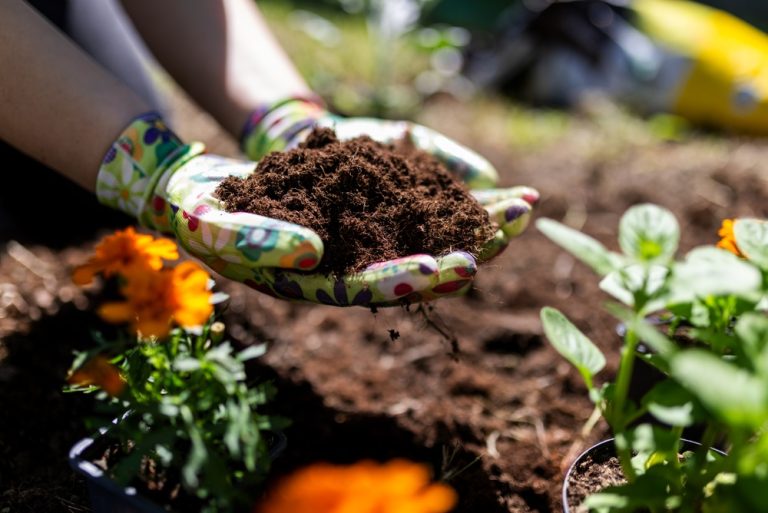
Fall garden cleanup creates a mountain of tempting compost material, but not everything that came out of the garden belongs in that pile. Some plants can carry diseases, spread from stubborn pieces of root, or dump a fresh crop of weed seeds into the compost you plan to use next year. That does not mean…
6 Ways to Keep Raccoons Away From Sweet Corn Without Traps

Sweet corn and raccoons have an unfortunate relationship: the corn ripens, the raccoons notice, and suddenly somebody has a midnight dinner reservation in the garden. Raccoons especially love corn, and their calling card often includes partially eaten ears, pulled-back husks, and broken stalks. A gardener does not need to turn the backyard into a raccoon…
What Is the Best Way to Cool Down Hot Compost?
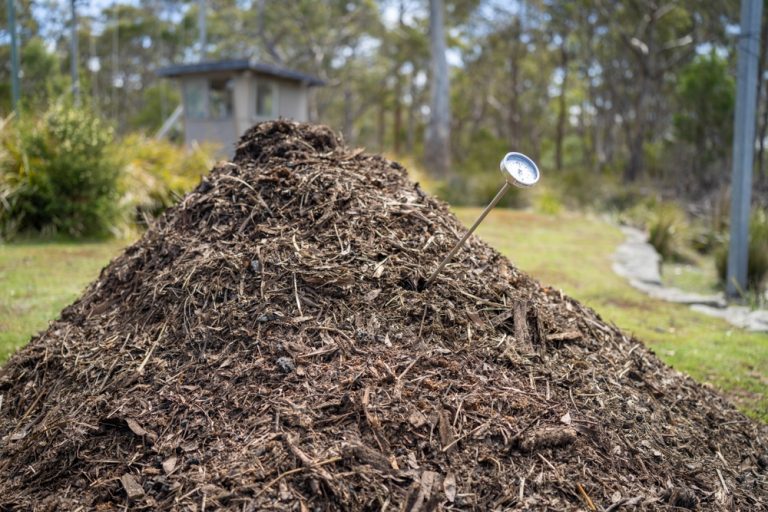
A hot compost pile can feel like a miniature volcano sitting quietly in the corner of the yard. Learning how to cool down hot compost helps gardeners protect valuable nutrients, keep decomposition balanced, and avoid turning a helpful pile into a dried-out heap of disappointment. Compost needs heat to break down kitchen scraps, leaves, and…
Can Companion Planting Reduce Pest Damage Without Extra Spending?
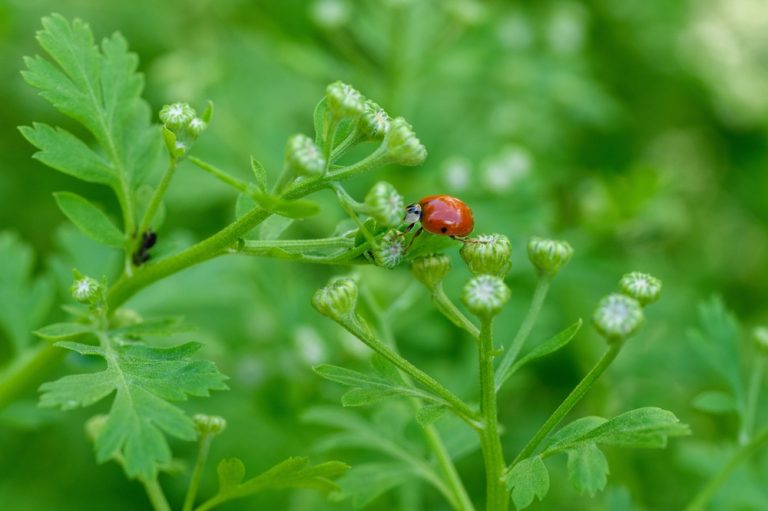
Every growing season brings the same battle. Tender leaves attract hungry insects, tomatoes suddenly look like an all-you-can-eat buffet, and gardeners start eyeing expensive sprays, traps, and powders. Companion planting offers a different path by using plant partnerships instead of opening a wallet. The idea sounds almost too simple, yet many experienced gardeners rely on…
Can Worm Castings Rescue Nutrient-Poor Container Soil?
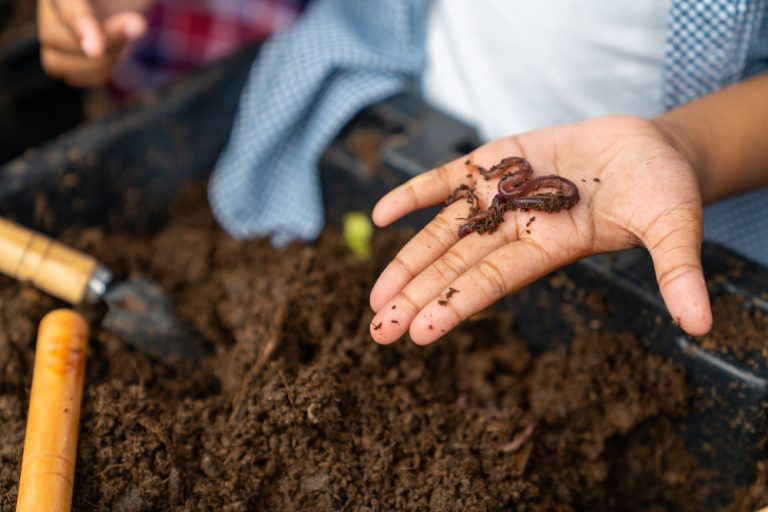
Container gardens can feel like tiny plant apartments, and after a few seasons, the soil inside those pots can start looking more like a worn-out studio than a luxury suite. Nutrients disappear, soil structure breaks down, and plants that once looked fantastic may suddenly struggle. Worm castings can help restore that tired container soil by…
What Is the Safest Way to Handle Slugs Without Harsh Chemicals?
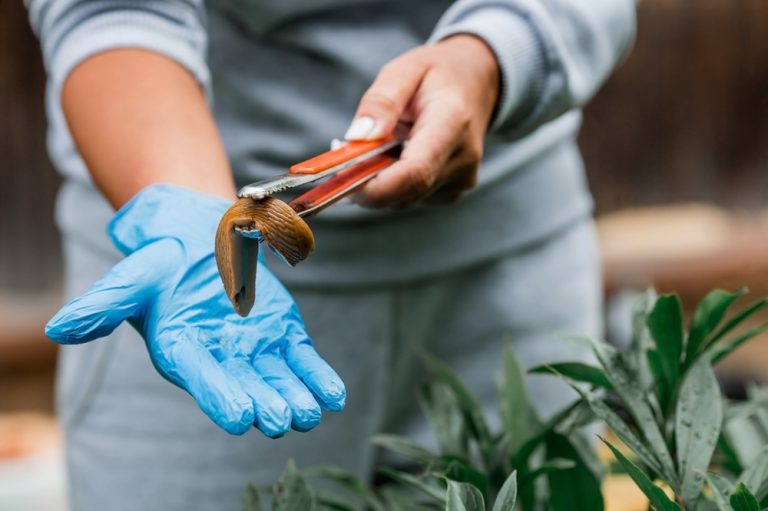
Slugs can turn a promising garden into a midnight buffet, leaving ragged holes in lettuce, seedlings, hostas, and other tender plants. The safest way to handle them starts with a simple strategy: make the garden less inviting, remove the slugs you find, and use controls that target slugs without creating unnecessary risks for pets, wildlife,…
5 Ways to Revive Soil That Has Turned Hard and Crusty
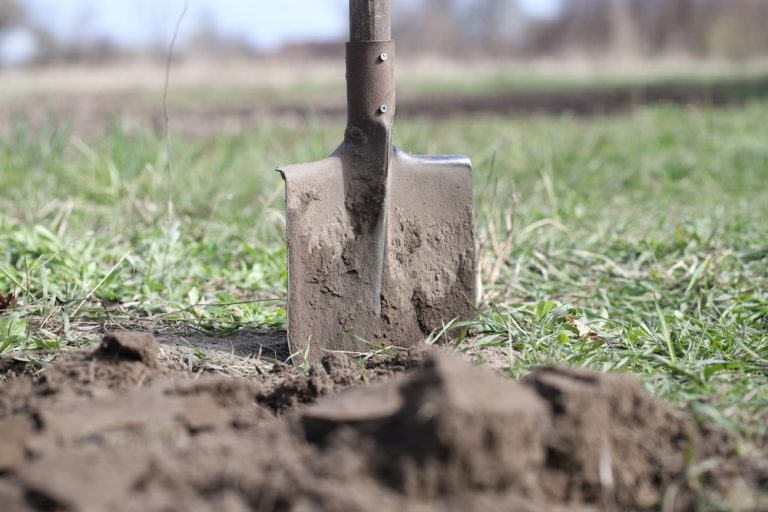
Nothing spoils gardening excitement faster than a patch of soil that feels more like concrete than earth. Hard, crusty soil blocks water, limits air movement, and makes it difficult for roots to spread, leaving vegetables, flowers, and shrubs struggling long before summer reaches its hottest days. Luckily, lifeless ground rarely stays that way forever. A…
What Is Causing Tiny White Flies to Rise From Your Plants?
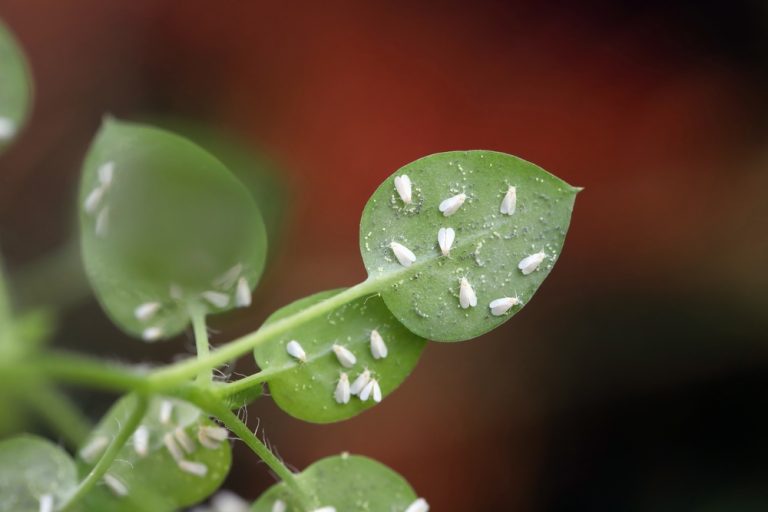
A cloud of tiny white flies lifting from your plants usually points to one familiar garden troublemaker: whiteflies. These small sap-sucking insects can turn a healthy-looking plant into a stressed, sticky mess if gardeners ignore the warning signs. Whiteflies leave clues behind, and quick action can stop a small pest problem from becoming a full…