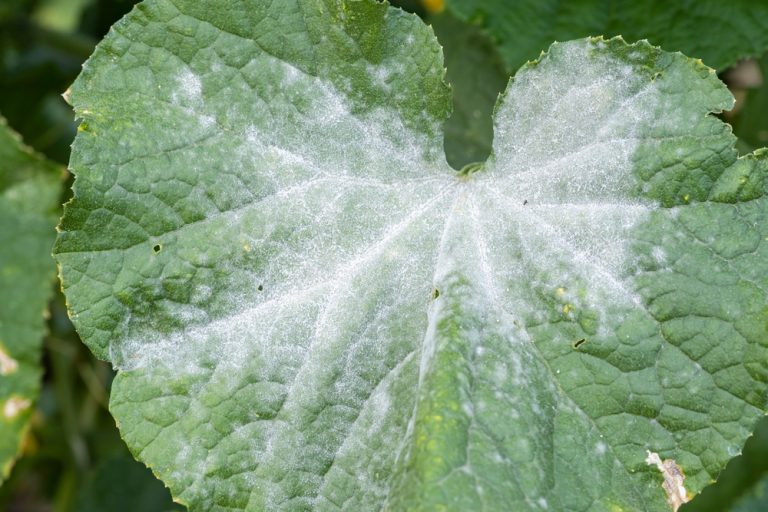
That white powder coating your plant leaves probably did not arrive courtesy of a very messy bag of flour. It may be powdery mildew, a common fungal disease that can spread across leaves, stems, and even flower buds when conditions cooperate. A plant covered in white does not automatically need the compost pile. With a…
plant diseases
Don’t Compost These 7 Plants When You Clean Out the Garden This Fall
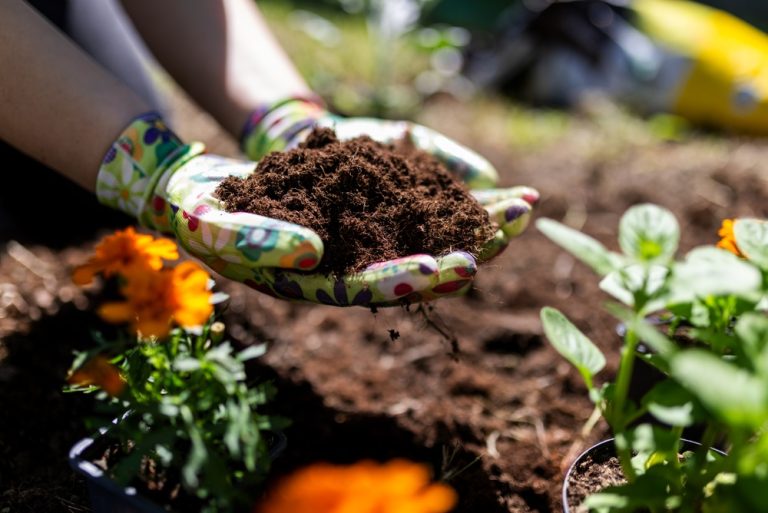
Fall garden cleanup creates a mountain of tempting compost material, but not everything that came out of the garden belongs in that pile. Some plants can carry diseases, spread from stubborn pieces of root, or dump a fresh crop of weed seeds into the compost you plan to use next year. That does not mean…
Bought Seeds Online From an Unknown Seller? USDA Says Don’t Plant Them Until You Check This
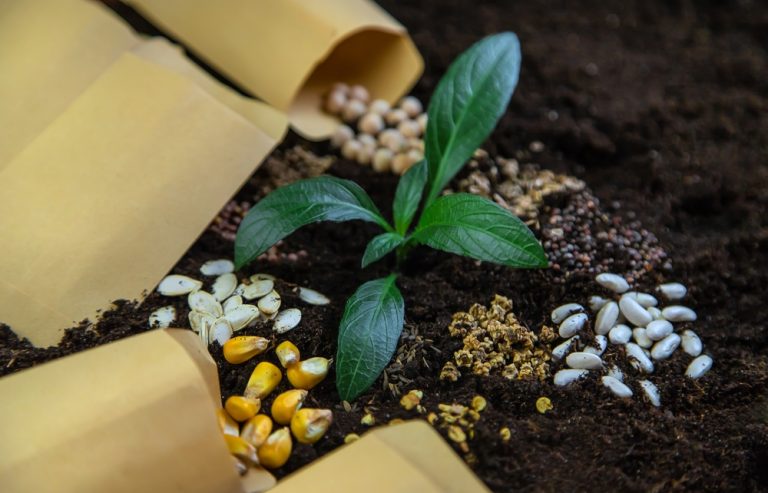
That packet of unusual flower or vegetable seeds from an unfamiliar online seller might look like a bargain, but the USDA has a very good reason for telling gardeners to pump the brakes. Before planting seeds bought online, check where they came from and whether they meet U.S. import requirements. That matters even more when…
A Few Minutes of Fall Garden Maintenance Could Prevent Expensive Problems Next Year

A few minutes of fall garden maintenance can save a surprising amount of money, work, and frustration when spring arrives. A garden that looks finished for the season still holds plenty of unfinished business, from diseased foliage and lurking weeds to dirty tools and forgotten hoses. Fall cleanup does not require turning the yard into…
Is It Safe to Compost Plants With Powdery Mildew?
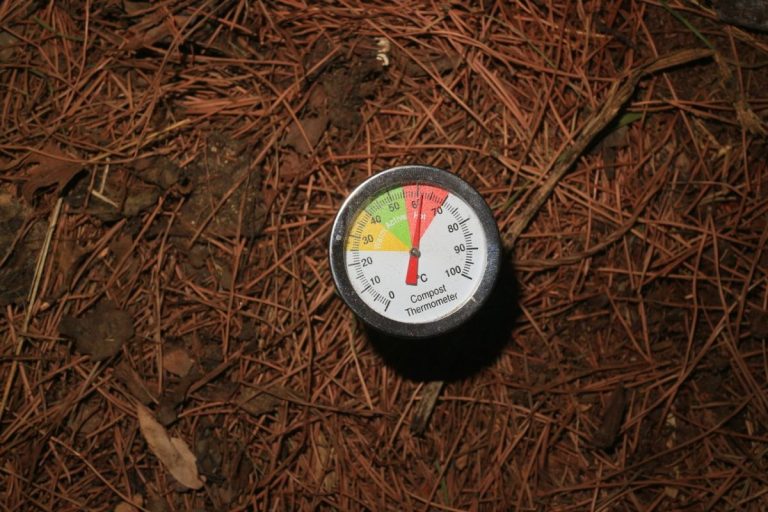
Powdery mildew can make a perfectly respectable garden plant look as though someone dusted it with flour. The good news: gardeners do not automatically need to ban every mildew-spotted leaf from the compost pile, but the answer depends heavily on how hot and active that pile gets. A casual backyard heap that slowly decomposes presents…
Why Gardeners Should Photograph Plant Problems Before Treating Them
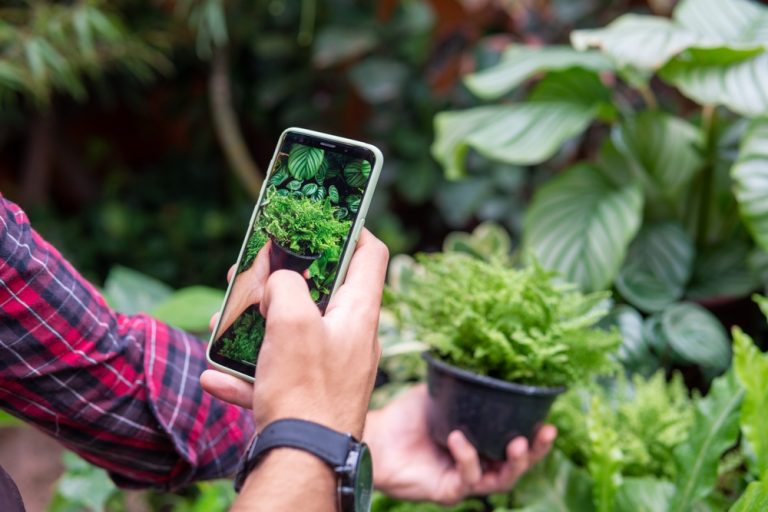
Every gardener feels the urge to grab a spray bottle, fertilizer, or pruning shears the moment a favorite plant starts looking sick. That quick reaction often comes from good intentions, but it can also make the real problem harder to identify. A simple photo taken before any treatment preserves valuable clues that disappear within hours…
How to Use a Cooperative Extension Plant Clinic
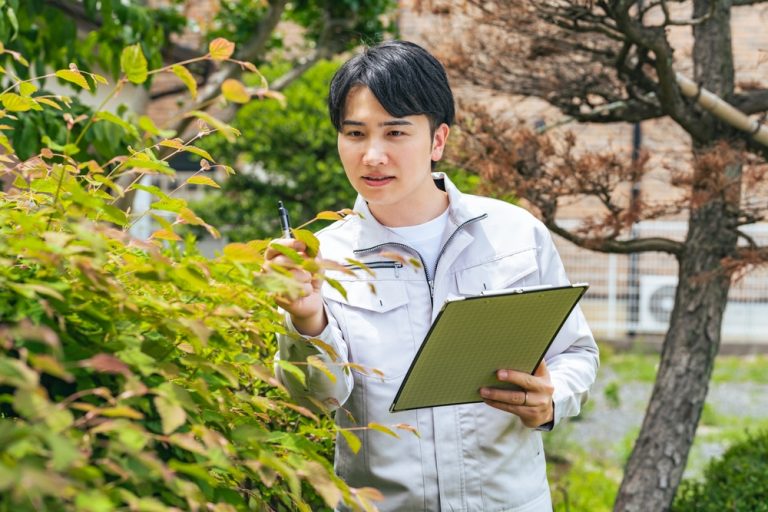
A struggling tomato plant, a mystery bug chewing holes through bean leaves, or a tree that suddenly drops leaves can send even experienced gardeners searching for answers. A Cooperative Extension plant clinic offers one of the most reliable places to solve those puzzles with science-based guidance instead of random internet guesses. That makes it one…
7 Signs Your Tomato Plants Are in Serious Trouble
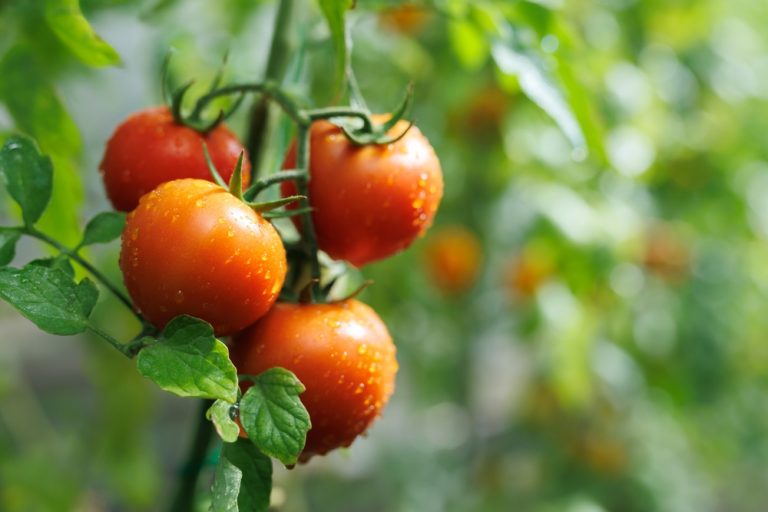
Tomato plants can look cheerful one day and alarmingly stressed the next, which catches many gardeners off guard. These garden favorites demand steady care, and even small mistakes can snowball into major problems fast. A sudden color shift, odd leaf shapes, or stalled growth often signal deeper trouble brewing beneath the surface. Catching those signals…
Why Leaves Droop Even When Soil Feels Moist
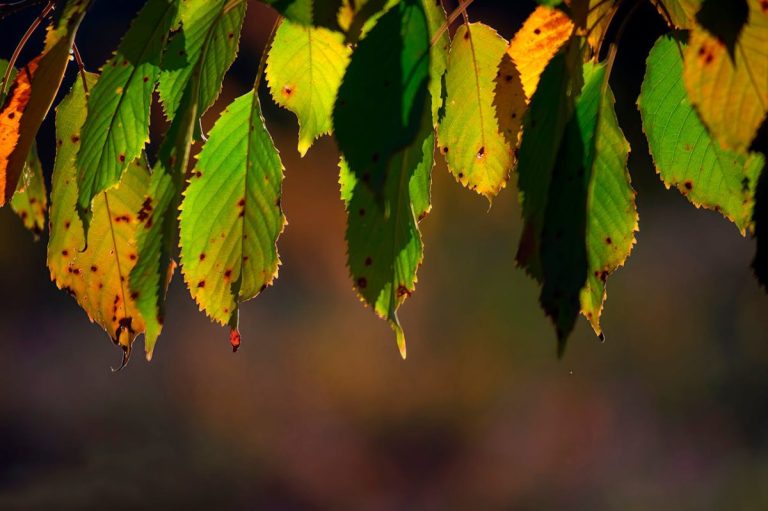
Leaves often droop even when the soil feels damp, and that confusion sends many gardeners into a watering spiral. Plants rely on more than just surface moisture, so the roots may struggle even when the topsoil feels perfectly fine. Moist soil can still hide oxygen shortages, compacted layers, or uneven hydration patterns below the surface….
The Root Rot Warning Signs Most Gardeners Miss
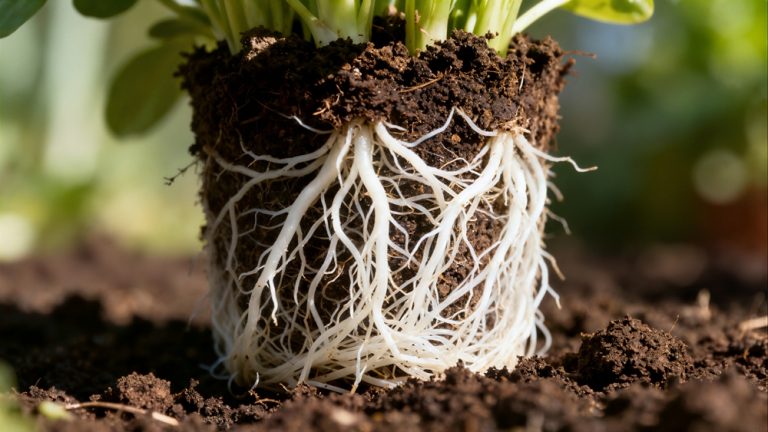
A droopy tomato plant or a sad-looking fern usually sends gardeners sprinting for the watering can, but that instinct often makes a bad situation much worse. Root rot sneaks into gardens quietly, and it loves gardeners who mistake stress for thirst. Root rot thrives in soggy soil, poor drainage, and containers that trap moisture like…