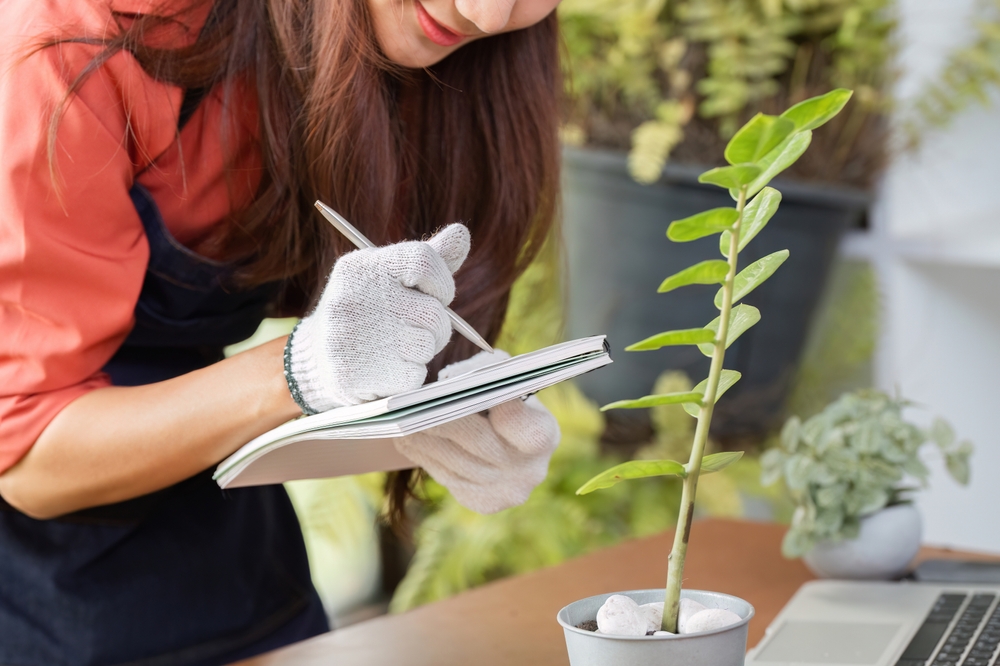
Every growing season teaches valuable lessons, but those lessons often disappear by the time spring rolls around again. A simple garden journal changes that by turning forgotten successes and expensive mistakes into useful notes that guide every planting decision. Instead of buying the same disappointing seeds or repeating the same timing errors, gardeners can build a personalized guide that grows more valuable each year.
That notebook does far more than record planting dates. It becomes a money-saving tool that helps track seed performance, fertilizer use, pest problems, weather surprises, and harvest results. Even a few minutes of note-taking each week can prevent unnecessary purchases and stretch a gardening budget much farther during the next season.
Small Notes Lead to Big Savings
Many gardeners remember the highlights of a season but forget the little details that quietly affect success. A tomato variety might produce dozens of flavorful fruits while another struggles through disease, yet both seed packets often end up in the shopping cart the following spring because memory fades over the winter. A journal keeps those observations fresh and easy to find. Instead of guessing, gardeners can buy proven performers that earned a place in the garden.
The same idea applies to supplies. A notebook quickly reveals whether an expensive fertilizer actually improved growth or simply added another receipt to the budget. Gardeners also notice which mulch lasted longest, which potting mix drained well, and which pest control methods solved problems without wasting money. Those details create smarter shopping lists and reduce impulse purchases that often disappoint once the season gets underway.
Better Timing Means Better Results
Planting too early or too late often costs more than people realize. Seeds may fail to germinate in cold soil, young seedlings can suffer from an unexpected frost, and heat-sensitive vegetables sometimes bolt before producing much of a harvest. Recording planting dates alongside weather conditions creates a valuable calendar that becomes more accurate every year.
Weather patterns rarely follow the calendar perfectly. One spring stays cool for weeks, while another warms up almost overnight. A journal helps identify local patterns that generic planting guides cannot predict with complete accuracy. Over time, gardeners develop planting schedules based on actual experience in their own yard instead of relying only on recommendations designed for an entire growing region.
Harvest Records Prevent Costly Guesswork
Nothing feels quite as disappointing as planting six zucchini plants only to discover that two would have supplied plenty of fresh vegetables all summer. A harvest log quickly highlights those imbalances. Gardeners can see which crops disappeared from the kitchen within days and which vegetables piled up faster than anyone could use them.
Those notes also reveal surprising stars. A small patch of bush beans might produce enough for fresh meals and freezing, while an oversized pumpkin patch takes over valuable garden space without delivering much value. Recording harvest amounts, favorite varieties, and family preferences helps shape a garden that matches real needs instead of hopeful estimates. Every square foot begins working harder, and every seed purchase serves a clear purpose.
Mistakes Become Next Year’s Best Advice
Every gardener faces setbacks. Rabbits nibble tender lettuce, powdery mildew appears after humid weather, or a heavy rain washes away newly planted seeds. Those frustrating moments become much less expensive when they turn into written lessons instead of forgotten memories. A quick note about what happened and how the problem developed creates a practical reference for future seasons.
Solutions deserve a place in the journal as well. Perhaps floating row covers protected young plants from hungry insects, or watering early in the morning reduced fungal problems during humid weeks. Maybe relocating cucumbers improved airflow and reduced disease pressure. Those practical observations often matter far more than general gardening advice because they come directly from conditions in that specific garden.
A Journal Doesn’t Need Fancy Pages
Many people skip journaling because they imagine elaborate charts, artistic sketches, or color-coded planners. None of those extras determines whether a garden journal succeeds. A spiral notebook, simple calendar, printable worksheet, or digital note on a phone all work perfectly well. The habit matters much more than the format.
Useful entries stay surprisingly simple. Record the planting date, variety, weather, fertilizer applications, pest issues, watering habits, and harvest results. Add quick observations about flavor, productivity, disease resistance, or unexpected surprises. Those short notes build a detailed gardening history that becomes more valuable every season, especially when planning next year’s purchases.
The Smartest Garden Tool Might Cost Almost Nothing
Gardeners often search for the newest gadget, premium fertilizer, or miracle seed variety that promises bigger harvests. Ironically, one of the most effective money-saving tools usually costs just a few dollars or already sits empty in a desk drawer. A garden journal encourages thoughtful decisions instead of repeated guesswork, helping every dollar stretch a little further with each passing season.
The greatest benefit comes from consistency rather than perfection. Missing a week or forgetting a few details will not ruin the journal’s value. Each growing season adds another layer of experience that no gardening book can duplicate because every page reflects real conditions, real successes, and real lessons from that specific garden. After several years, that notebook becomes one of the most trusted resources any gardener owns.
What details go into a garden journal at your house, or what notes would you start tracking next season? Share your ideas in the comments below.
You May Also Like…
Why Every Budget Gardener Should Keep a “Garden Journal” to Save Hundreds Next Year
The Cheap Mulch Materials That Can Damage Plants or Soil
The Backyard Garden Design Trend Everyone Is Copying in 2026
How to Redesign Your Bulb Garden After This Year’s Mistakes
6 DIY Trellis Designs That Support Plants Without Breaking Your Budget

Brandon Marcus is a staff writer for FrugalGardening.com at District Media, Inc., where he delivers practical gardening advice with a relatable, no-nonsense style. An avid amateur gardener, he holds a BA degree and with over ten years of professional writing experience, he is also an award-winning published author whose first book, Questions For Deep Thinkers, was released by Adams Media. His work has appeared in major publications including Fandom.com, CHUD.com, TheColdWire.com, and Fansided.com.
Leave a Reply