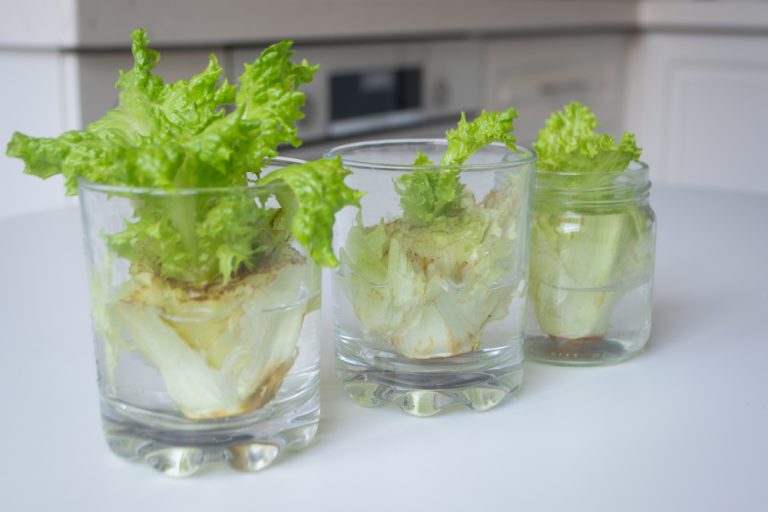
What if the lettuce you bought at the grocery store could grow again instead of going straight into the trash? That’s the promise behind a popular social media gardening trick that involves placing the leftover base of a lettuce head in a shallow container of water. Within days, tiny green leaves may begin appearing from…
garden tips
6 Landscaping Choices That Could Make Your Home Harder to Sell
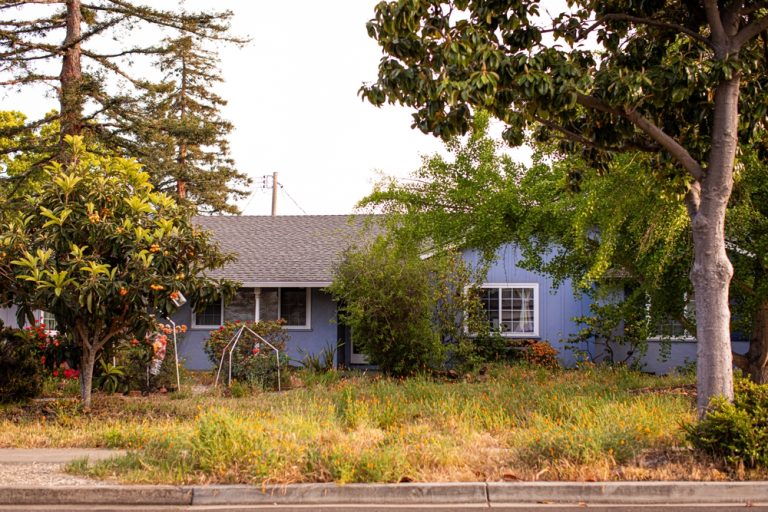
You might love the towering privacy hedge, elaborate flower beds, or backyard pond you’ve spent years creating, but potential homebuyers may see something entirely different. Instead of admiring your landscaping, they could be calculating how much money and time it will take to maintain or remove everything. That’s a problem if you’re planning to sell…
Stop Paying to Haul Away Your Leaves — Your Garden May Need Them
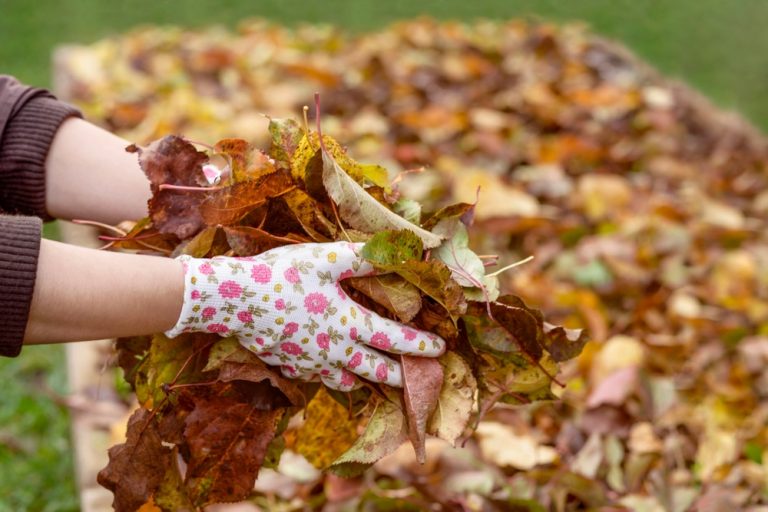
Every fall, homeowners spend hours raking leaves into bags, dragging them to the curb, and sometimes paying someone to haul them away. Then, a few months later, many of those same homeowners head to the garden center to purchase mulch, compost, and soil amendments. There’s something wrong with that picture. Those leaves you’re throwing away…
That Pretty Bamboo Could Become Your Most Expensive Landscaping Mistake
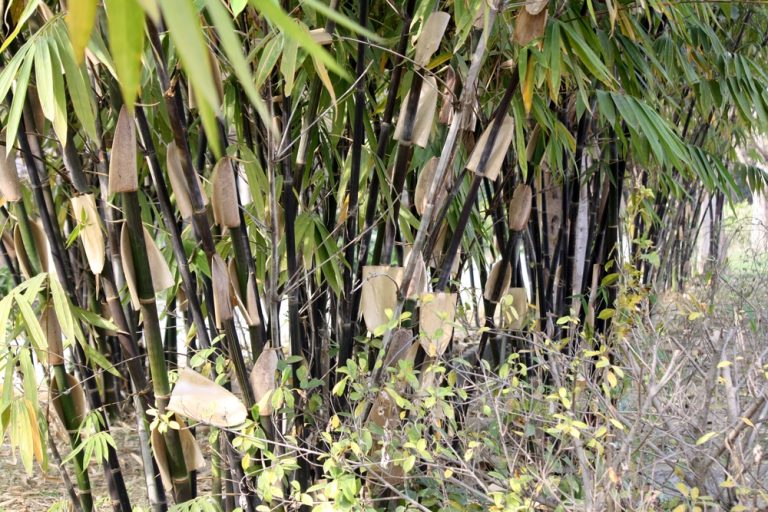
Imagine spending $200 on a few beautiful bamboo plants to create a natural privacy screen in your backyard. Within a couple of years, you’ve got the lush, tropical-looking barrier you wanted, and you haven’t spent thousands of dollars installing a fence. Then your neighbor knocks on the door because bamboo shoots are appearing on their…
How to Identify Bare Spots in Garden Beds Before Winter
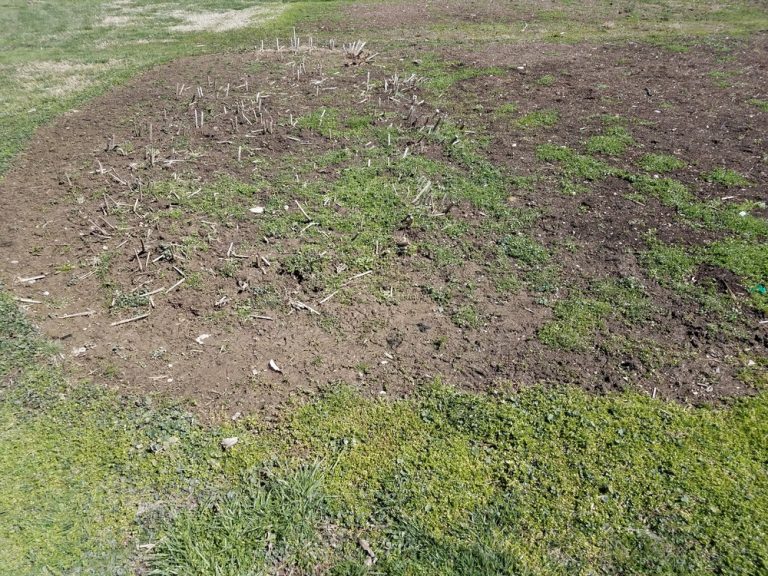
Your garden might look finished for the season, but those empty patches of soil between plants could be warning signs of problems waiting to happen. What looks like a harmless bare spot in October can become an area vulnerable to erosion, winter weeds, and soil compaction by spring. The good news is that you don’t…
Before You Plant a Privacy Hedge, Check These 5 Things That Could Cost You
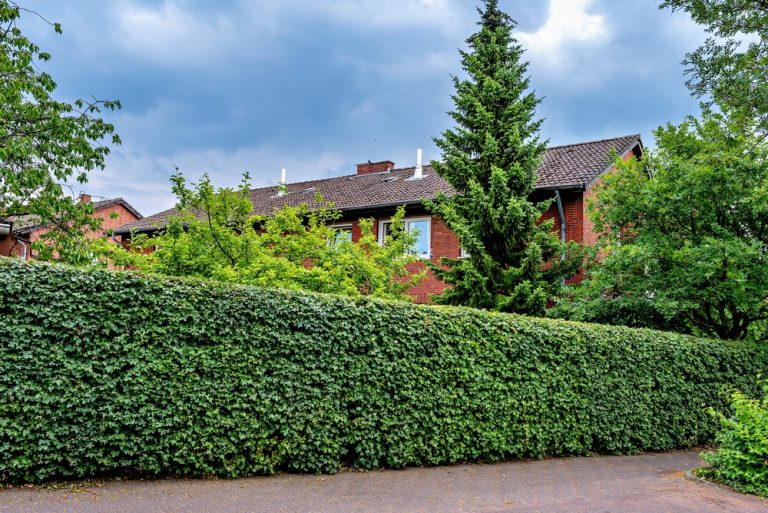
A row of beautiful evergreen shrubs seems like the perfect solution when you’re tired of neighbors looking into your backyard. Instead of spending thousands on a privacy fence, you can plant a few shrubs, wait for them to grow, and enjoy your own secluded outdoor space. But what happens when those shrubs grow twice as…
7 Things You Can Plant in Your Yard That Could Start a Fight With Your HOA

You spend an entire weekend planting a beautiful new garden, only to discover a letter from your homeowners association demanding that you remove it. Suddenly, the flowers, vegetables, or trees you purchased to improve your property have become the center of an expensive neighborhood disagreement. It sounds ridiculous, especially when you’re paying for the plants…
This Beautiful Fall Shrub Is Becoming a Backyard Problem — Do You Have One?
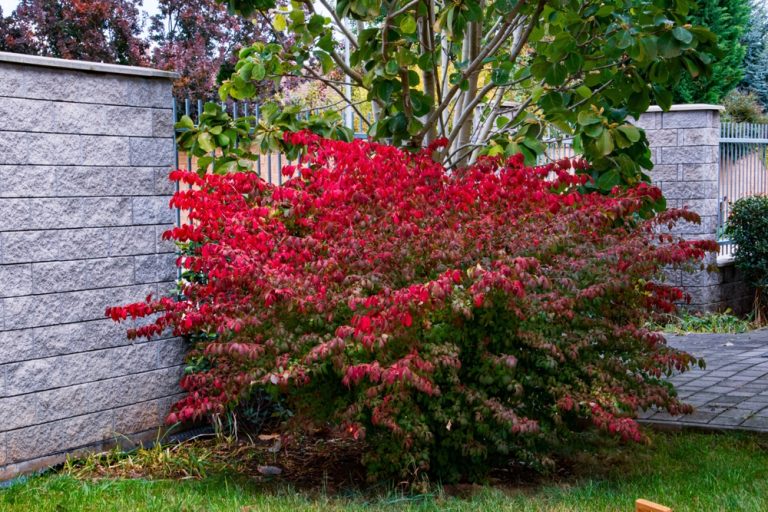
Every fall, one popular landscaping shrub puts on a spectacular show, turning such a brilliant shade of red that it almost looks like it’s glowing. You’ve probably seen it lining driveways, surrounding foundations, or adding color to otherwise ordinary suburban yards. But that gorgeous autumn display is hiding a problem. The plant is called burning…
Why Some Tomatoes Should Be Pulled Before Frost
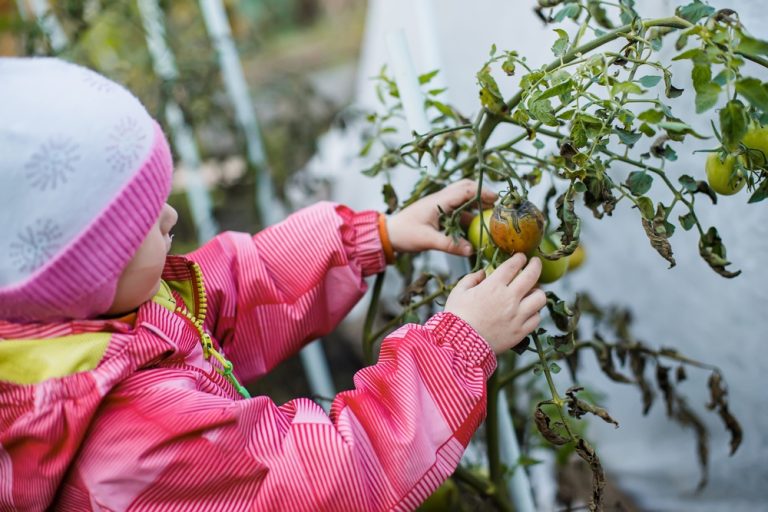
You’ve spent months growing tomatoes, and now the weather forecast is threatening to undo all that hard work overnight. Your plants may still be covered with green fruit, but the first frost could arrive before those tomatoes have a chance to ripen. Should you leave everything on the vine and hope for the best, or…
7 Vegetables That Still Grow Well in October
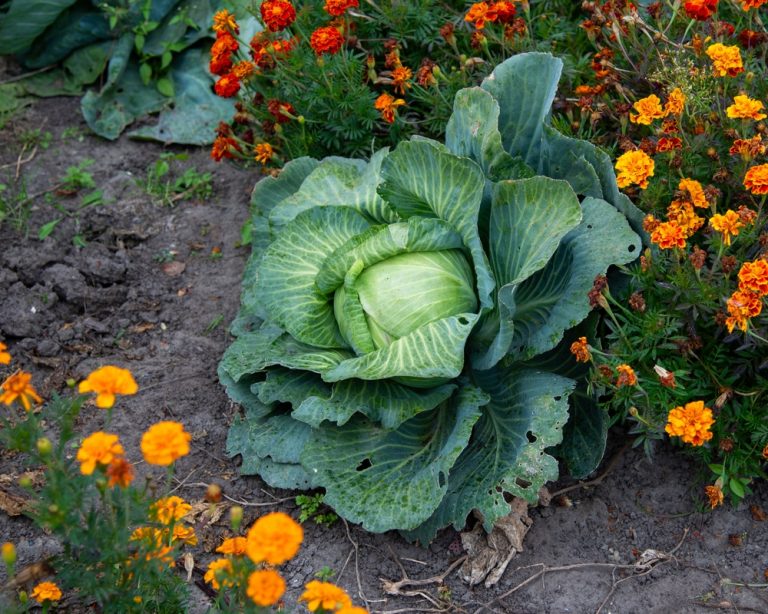
Just because your summer tomatoes and peppers are finished doesn’t mean your vegetable garden has to shut down for the year. October can actually be an excellent time to grow certain crops, especially vegetables that prefer cooler temperatures over summer heat. With the right choices, you could still be harvesting fresh food when your neighbors…