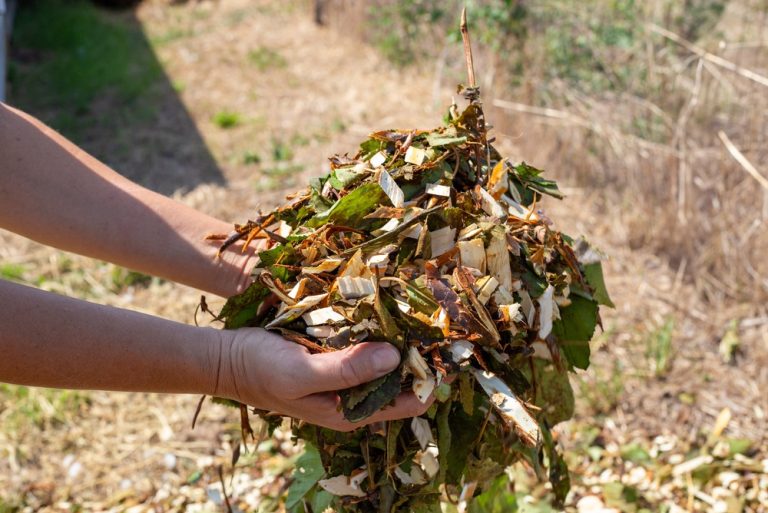
The mulch aisle at the garden center has a way of making ordinary tree debris look like a luxury product. Meanwhile, the leaves scattered across your lawn and the pile of small branches near the shed may already provide much of what those bags promise: moisture retention, weed suppression, temperature moderation, and organic matter for…
garden soil
Fall Leaves Could Replace Something You’re Paying for at the Garden Center
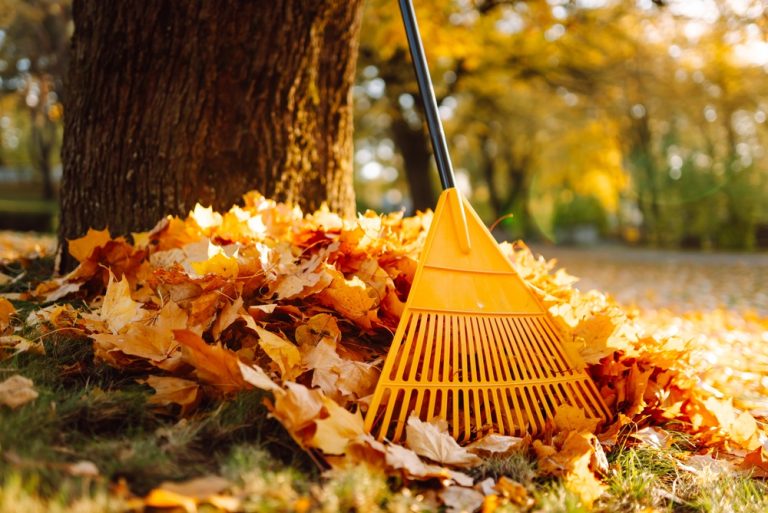
That pile of fall leaves gathering along the driveway may look like yard cleanup, but it can also replace products that gardeners routinely buy at the garden center. Instead of bagging every leaf and hauling it away, gardeners can turn those leaves into mulch, compost ingredients, or leaf mold for future garden use. A thick,…
9 Things Gardeners Should Never Throw Away at the End of Summer
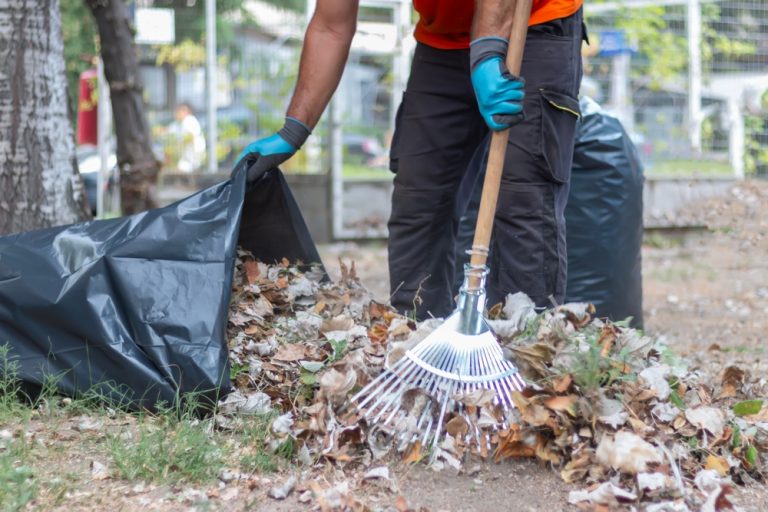
The end of summer can turn a productive garden into a surprisingly useful pile of leftovers. Those dried seed heads, fallen leaves, spent plants, and half-empty bags of garden materials may look like cleanup chores, but many can give next season’s garden a head start. The trick involves knowing what deserves a second act and…
Best Cover Crops for Small Gardens After Summer Harvest
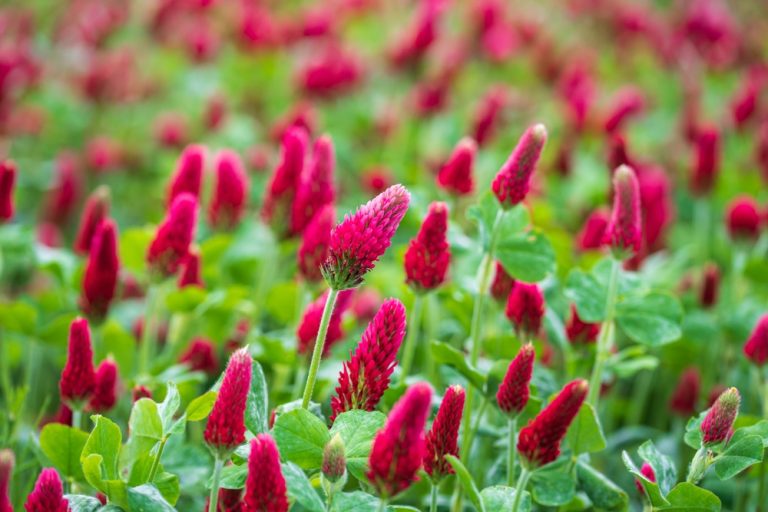
A harvested garden bed can look strangely unfinished. The tomatoes have packed their bags, the beans have disappeared, and suddenly there is a whole patch of perfectly good soil sitting around with nothing to do. That empty space offers a great opportunity to plant a cover crop, even when the garden consists of a few…
6 Soil Tests Worth Doing Before You Buy Fall Fertilizer
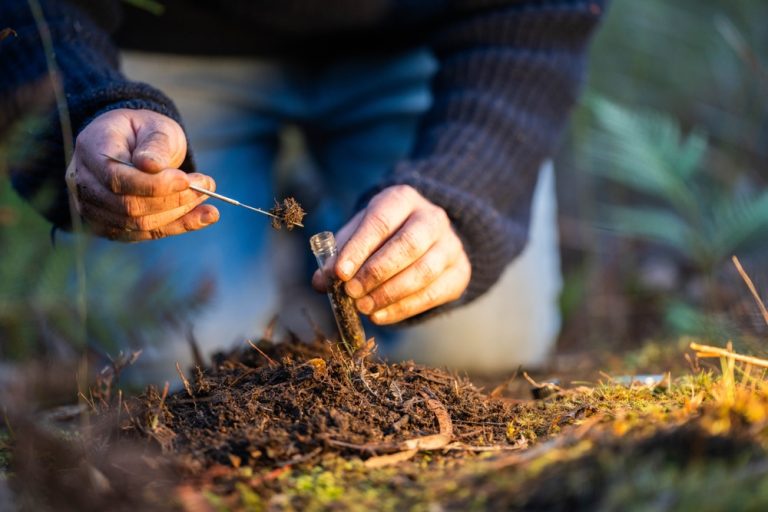
Fall fertilizer season can turn a garden center into a strange little game of nutritional roulette. Bags promise greener lawns, stronger roots, bigger blooms and all sorts of botanical miracles, but none of those promises tell you what your particular soil actually needs. A soil test can give you that missing piece of information before…
7 Kitchen Scraps That Belong in Compost—and 4 That Do Not
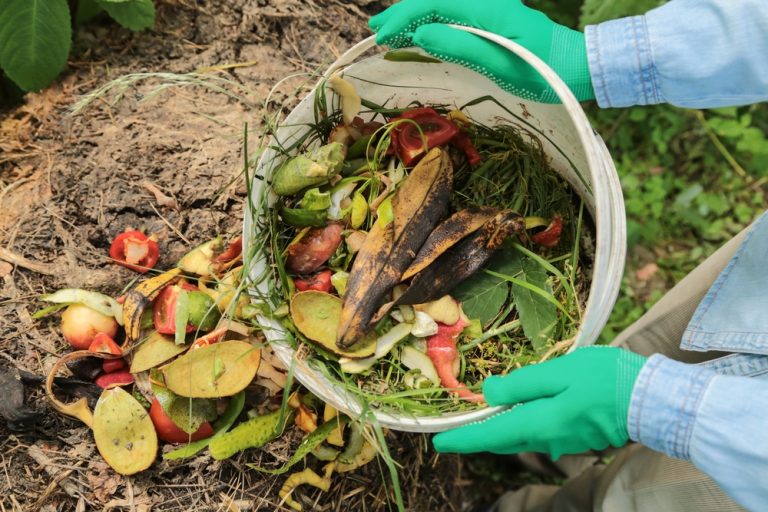
The compost bin can turn a surprising amount of kitchen waste into useful organic matter for the garden. Apple cores, coffee grounds, vegetable trimmings, and even crushed eggshells can all find a second life in the pile, while certain leftovers can create more trouble than they are worth. Knowing the difference keeps composting simpler and…
7 Budget-Friendly Tasks That Prepare Raised Beds for Fall
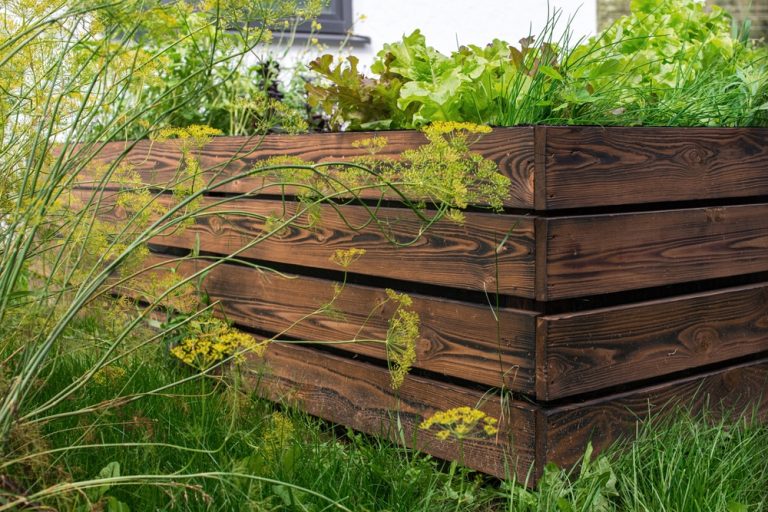
Raised beds do not need an expensive autumn makeover. A little cleanup, some strategic soil care, and a few inexpensive materials can leave those beds in much better shape when spring rolls around. The trick involves doing the jobs that actually matter instead of buying a cartload of products with pictures of suspiciously perfect tomatoes…
Should You Add Compost Before Planting Spring Bulbs?
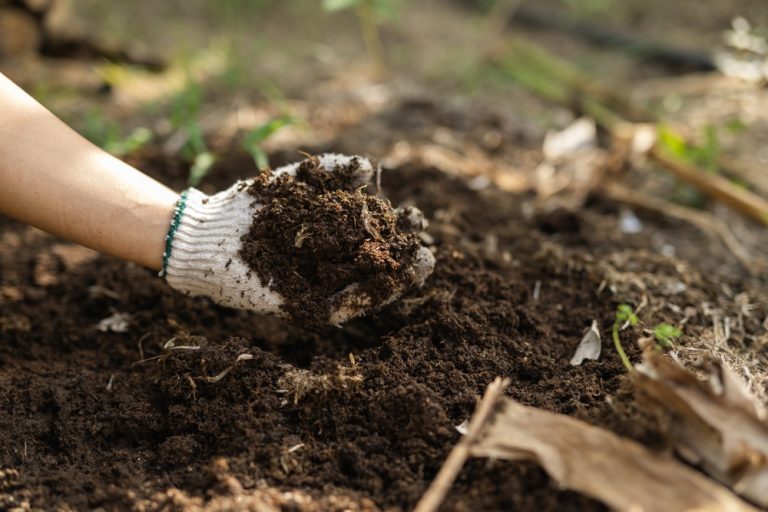
Spring bulbs bring a little seasonal magic to the garden, but getting them into the ground involves more than digging a hole and dropping them in. If compost sits nearby, it can look like an obvious helper, especially when the soil looks tired, compacted, or generally unimpressed with its gardening assignment. The good news is…
What Is Causing Mushrooms to Appear Around Raised Beds?
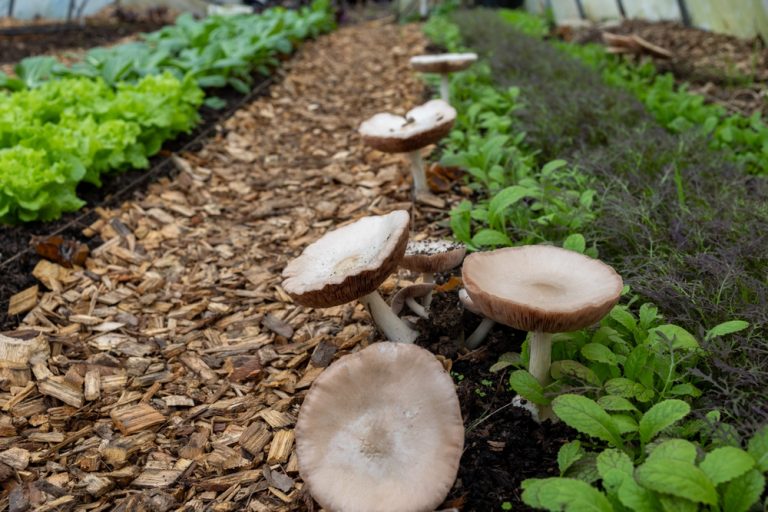
Mushrooms appearing around raised beds can look like tiny garden intruders, especially when a neat vegetable patch suddenly develops a crop of little caps overnight. In most cases, though, those mushrooms point to something much less alarming: moist conditions and fungi breaking down organic material in the soil or mulch. The mushroom itself represents only…
Can You Move a Raised Bed Without Replacing All the Soil?
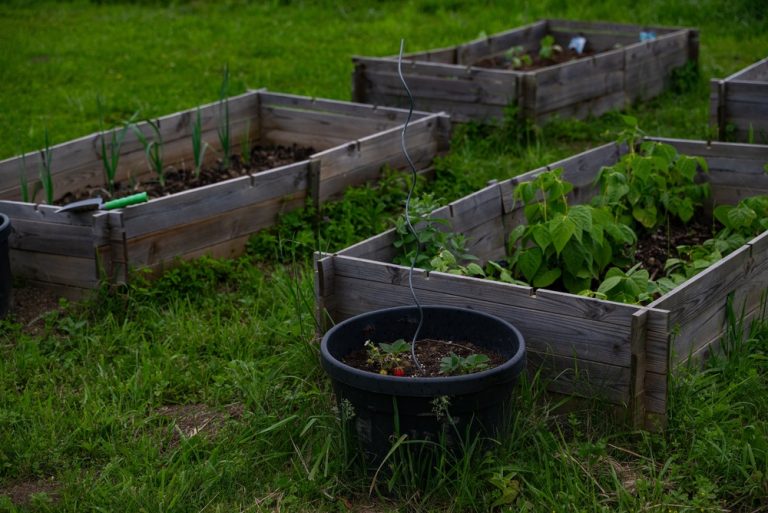
Good news, gardeners: a raised bed can move without sending all that beautiful, expensive soil to the compost pile. The trick involves treating the soil like a living garden resource rather than a box of dirt that happens to sit above ground. Moving the frame usually creates less trouble than moving what fills it. Soil…