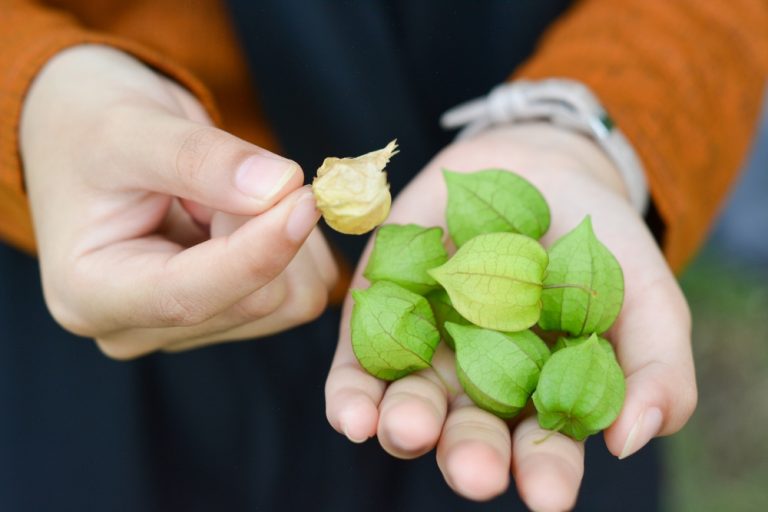
Ground cherries have one wonderfully strange harvest signal: they fall off the plant when they ripen. But when those little papery husks hit the soil while the fruit inside still looks green, the garden suddenly feels like it has changed the rules halfway through the game. The good news is that a few early drops…
garden troubleshooting
Why Are Your Leeks Thinner Than Pencils?
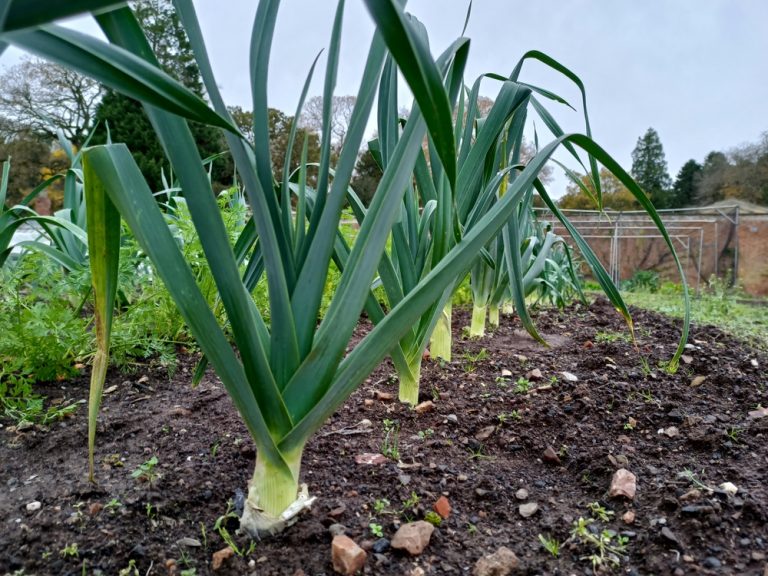
When leeks come out of the garden looking more like green drinking straws than sturdy vegetables, something has gone sideways. Those skinny stalks usually point to a growing problem involving timing, spacing, moisture, sunlight, soil, or some combination of the usual suspects. Thin leeks rarely require some mysterious gardener-only trick involving moon phases and a…
What Is Making Your Celery Taste Strong and Stringy?
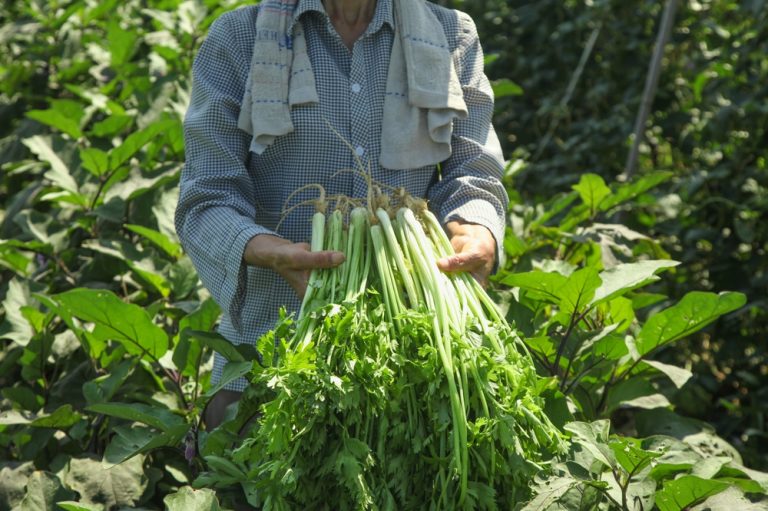
Celery should deliver crisp crunch and a clean, fresh flavor, not the experience of chewing on green fishing line. When garden-grown celery turns tough, stringy, bitter, or unusually strong, growing conditions usually deserve some suspicion, particularly moisture and heat. That matters because celery can look perfectly healthy above the soil while quietly struggling around its…
What Causes Hollow Spots Inside Otherwise Healthy Potatoes?
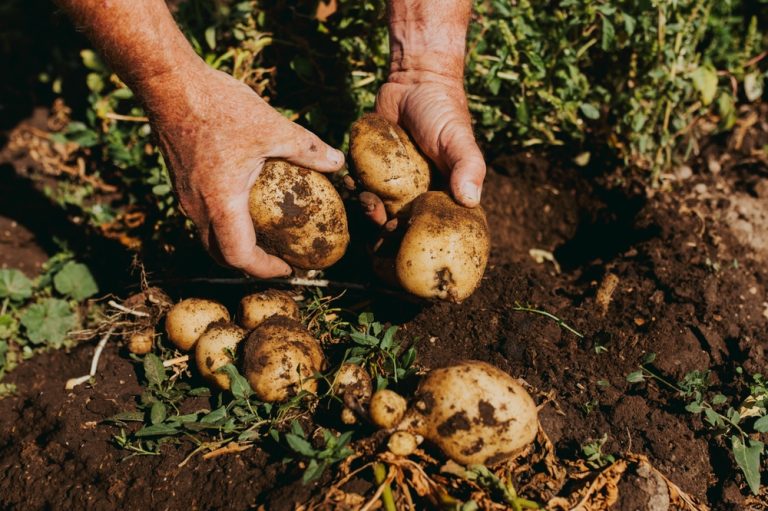
A potato can look flawless on the outside, only to reveal a strange empty pocket when the knife reaches the middle. Gardeners call this condition hollow heart, and it can turn a perfectly ordinary spud into a potato with what looks suspiciously like a tiny underground cave. The good news is that the hollow spot…
What Is Causing Brown Patches in an Otherwise Healthy Herb Garden?
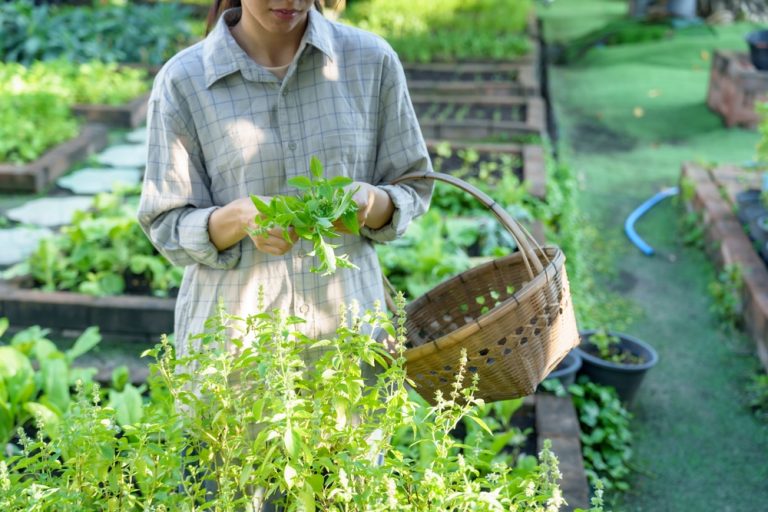
Brown patches in an otherwise healthy herb garden can feel like a mystery written by a tiny garden detective. One day the basil looks lush, the parsley stands tall, and the rosemary seems ready for a cooking adventure. Then suddenly, strange brown spots appear like unwanted guests at a backyard dinner party. Brown patches usually…
What Should You Do When Beans Stop Flowering in High Heat?
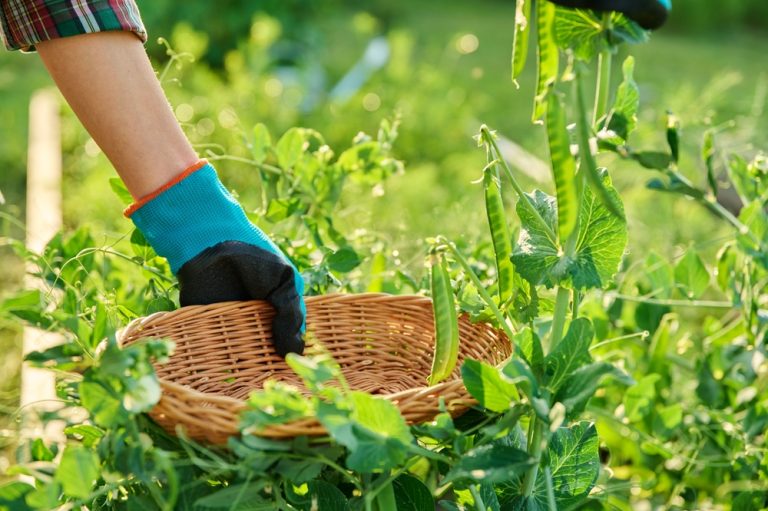
Green bean plants can look perfectly healthy one week, then suddenly decide that flowers have become an unnecessary luxury. In high heat, bean plants often stop producing new blossoms, drop existing flowers, or produce flowers that never develop into pods. The good news: this usually does not mean the plants have given up on the…
What Should You Do When Tomato Leaves Curl but Stay Green?
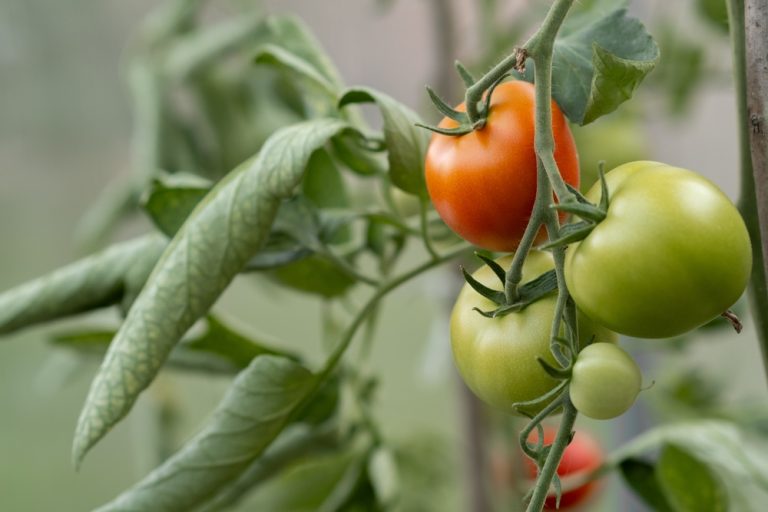
Tomato leaves that curl while keeping their healthy green color often signal a plant asking for help, not a plant giving up. The good news is that green curled leaves usually point toward stress, environmental changes, or a care issue that gardeners can often correct with a few smart adjustments. Before reaching for sprays or…
Why Gardeners Should Photograph Plant Problems Before Treating Them
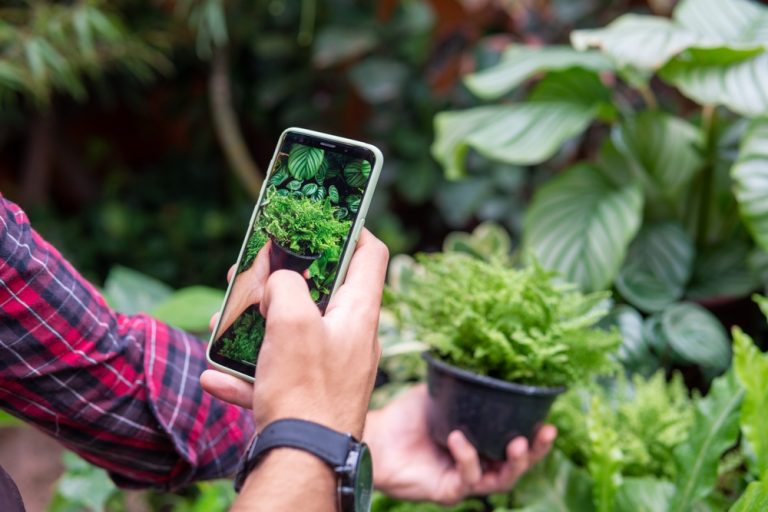
Every gardener feels the urge to grab a spray bottle, fertilizer, or pruning shears the moment a favorite plant starts looking sick. That quick reaction often comes from good intentions, but it can also make the real problem harder to identify. A simple photo taken before any treatment preserves valuable clues that disappear within hours…
Why Your Garden Is Growing Leaves But No Fruit
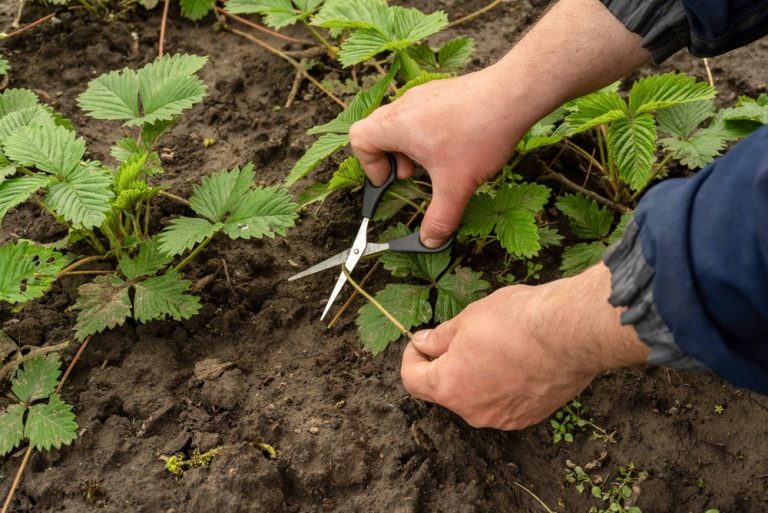
A garden full of giant green leaves can look impressive, but when tomatoes, peppers, cucumbers, or squash refuse to produce, that leafy jungle starts feeling more like a mystery than a success story. Plants need more than sunshine and water to make fruit, and sometimes too much of a good thing sends them in the…
Why Tomatoes Grow Leaves but Delay Fruit Production
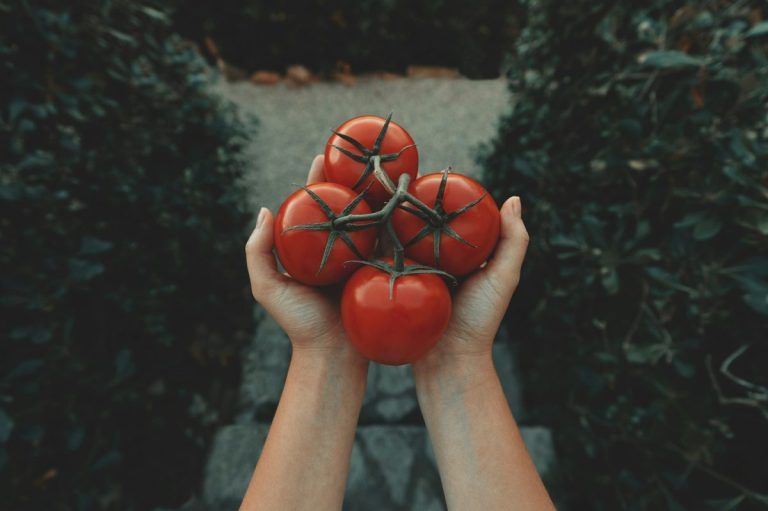
Tomato plants often look like overachievers early in the season, bursting with lush green leaves that promise a future of juicy harvests. Then the waiting game begins—and somehow, those fruits refuse to show up on schedule. That leafy explosion might look impressive, but it often signals an imbalance that keeps plants focused on growth instead…