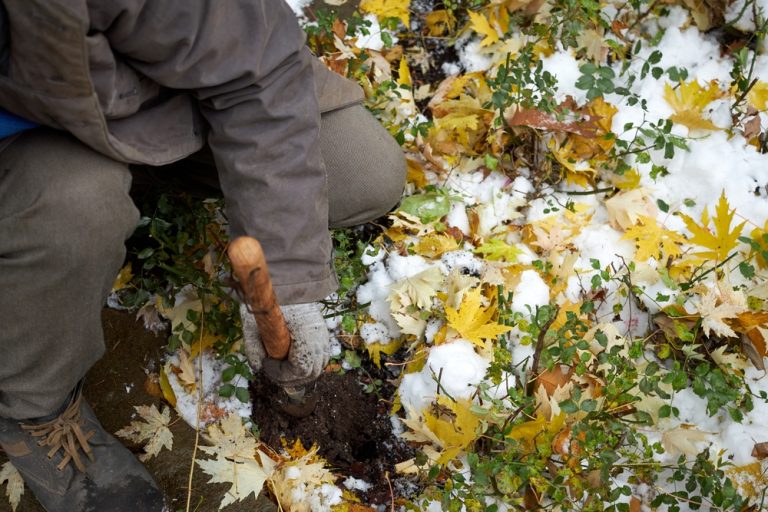
That first chilly weather forecast can send gardeners racing outside with pruners, buckets, and a vague feeling that everything needs to be finished immediately. Fortunately, most fall garden chores aren’t nearly that urgent, but a handful of garden jobs before first frost really do deserve priority because freezing temperatures can damage tender plants, ruin produce,…
Vegetable Garden
Those Tiny Holes in Your Fall Vegetables Are Trying to Tell You Something
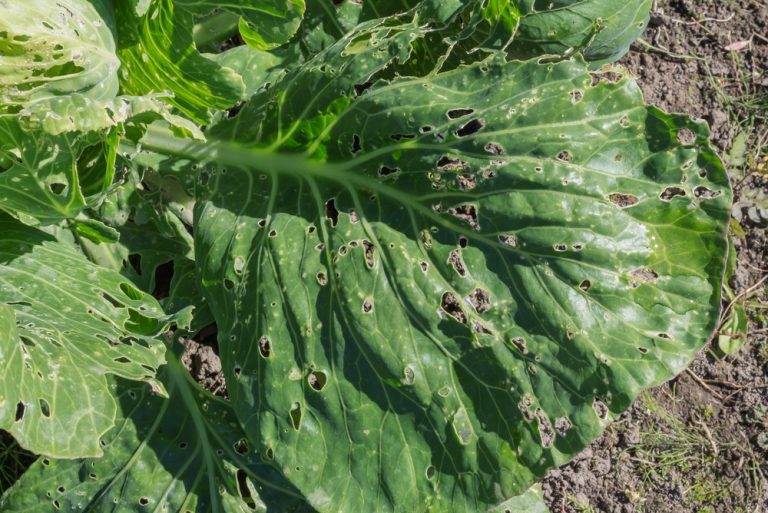
Those tiny holes appearing in fall vegetables are more than ugly little souvenirs from the garden. They can point toward the particular pest nibbling away at leaves, and the shape, size, and location of the damage can help narrow down the culprit. A few ragged leaves do not automatically mean a garden disaster, but ignoring…
Your HOA Says the Garden Has to Go. What Can They Actually Make You Remove?

A backyard vegetable garden can turn an ordinary patch of grass into tomatoes, peppers, herbs, pollinators and, occasionally, a very determined zucchini. Then an HOA letter arrives and suddenly that cheerful little garden looks like a legal dispute with tomato vines. The good news: an HOA does not automatically get to remove whatever it dislikes….
A Few Minutes of Fall Garden Maintenance Could Prevent Expensive Problems Next Year

A few minutes of fall garden maintenance can save a surprising amount of money, work, and frustration when spring arrives. A garden that looks finished for the season still holds plenty of unfinished business, from diseased foliage and lurking weeds to dirty tools and forgotten hoses. Fall cleanup does not require turning the yard into…
A Small Fall Garden Can Keep Producing Long After Summer Tomatoes Are Gone
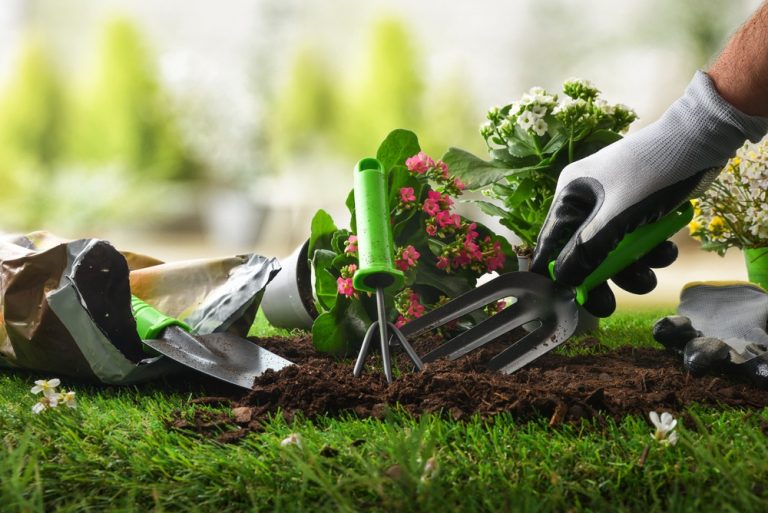
Summer gardens tend to get all the glory. Tomatoes ripen by the bowlful, cucumbers appear overnight, and zucchini somehow manages to produce enough for an entire neighborhood. Then September arrives, the tomato vines start looking exhausted, and it is tempting to call the garden finished for the year. That would leave a surprising amount of…
Your Watering Routine Could Be Costing More Than Your Plants Need
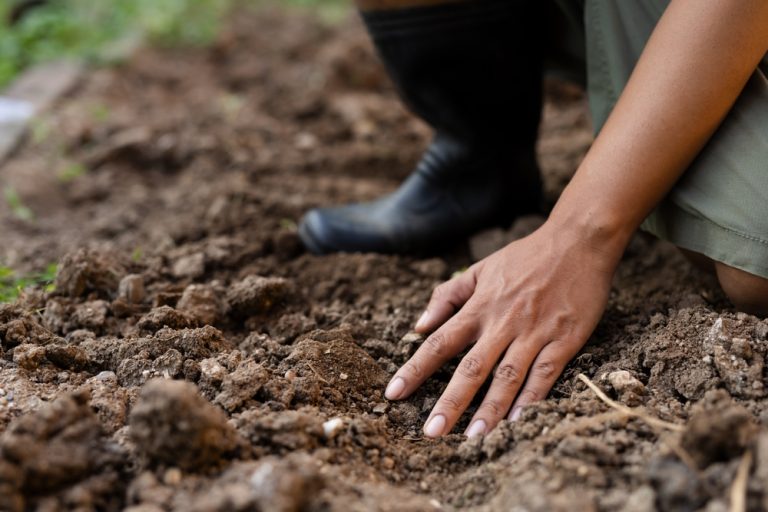
Watering the garden feels like one of those chores that cannot possibly go wrong. The hose comes out, the soil gets wet, the plants look refreshed, and everyone goes home happy. But a watering routine that keeps the soil constantly damp can waste water, encourage shallow roots, and create conditions that invite disease and other…
10 Garden Mistakes That Can Raise Your Water Bill During Late-Summer Heat

Late-summer heat can turn a garden hose into a surprisingly effective money vacuum. When temperatures climb, gardeners often respond by watering longer, watering more frequently, or simply watering everything because the soil looks dry on top. That can keep plants hydrated, but it can also send perfectly good water down the driveway, into the air,…
Your Fall Garden Could Be Cheaper to Start Than Your Spring Garden
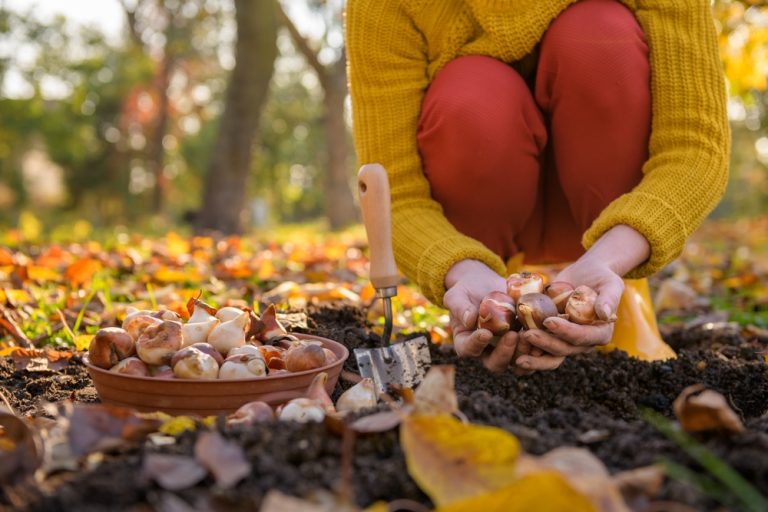
Spring gets all the gardening glory, but fall has a sneaky advantage: it can cost less to get growing. The season favors vegetables that handle cooler weather, many of which grow beautifully from inexpensive packets of seed rather than trays of pricey transplants, heat-loving plants, and all the gear that comes with them. That difference…
Should You Keep Watering Your Garden the Same Way Once September Arrives?
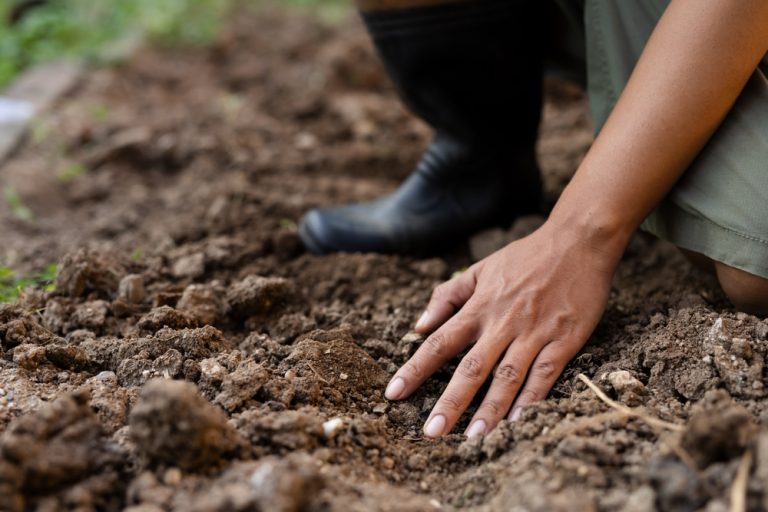
September can fool a gardener into watering the garden exactly as they did in July. The calendar says summer has nearly packed its bags, but the soil may still dry quickly on warm afternoons, especially around thirsty vegetables, newly planted perennials, and containers. As temperatures gradually cool and daylight shortens, plants generally lose water more…
9 Vegetables You Can Still Plant in September for a Fall Harvest
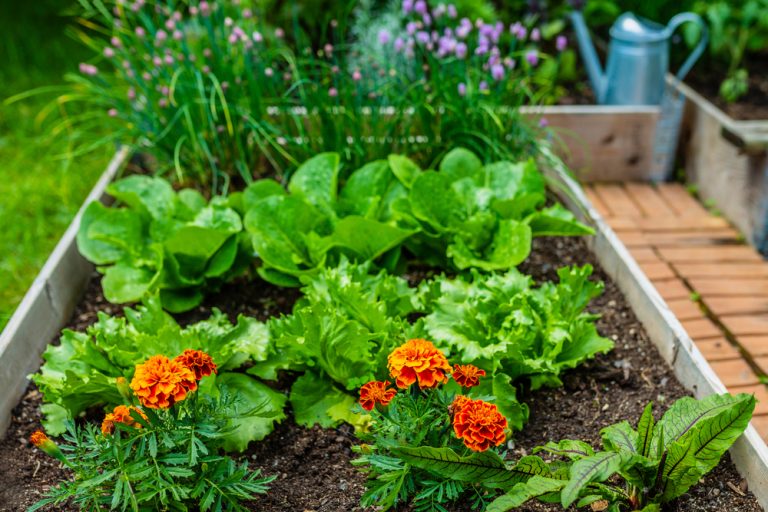
September does not mean the vegetable garden has packed its bags for the year. In many areas, gardeners can still plant a surprisingly good lineup of cool-season vegetables and harvest them before winter arrives. This involves choosing crops that handle cooler temperatures and matching planting dates to the local first frost date. Some vegetables grow…