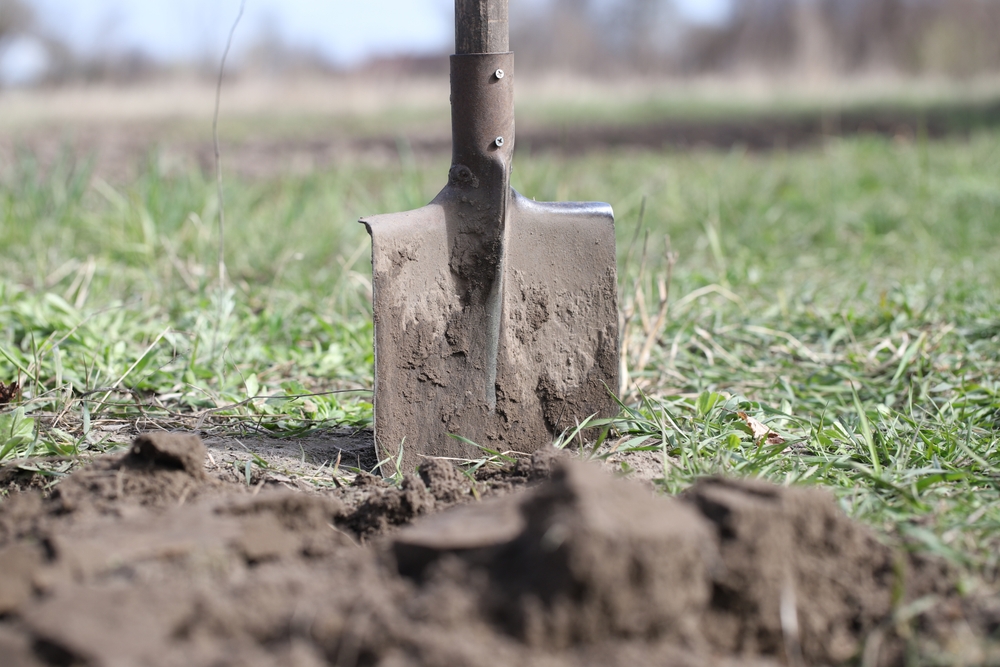
Nothing spoils gardening excitement faster than a patch of soil that feels more like concrete than earth. Hard, crusty soil blocks water, limits air movement, and makes it difficult for roots to spread, leaving vegetables, flowers, and shrubs struggling long before summer reaches its hottest days.
Luckily, lifeless ground rarely stays that way forever. A few smart changes can bring tired soil back to life without replacing every inch of it. The best solutions work with nature instead of fighting it, creating healthier ground that absorbs rain, supports beneficial organisms, and gives plants a much better place to grow.
1. Feed the Soil With Compost Instead of Fighting It
Many gardeners attack hard soil with a shovel, hoping brute force will solve the problem. Digging helps temporarily, but the soil often settles back into the same dense condition if nothing improves its structure. Compost changes the soil from the inside by adding organic matter that creates tiny pockets for water and air. Those spaces encourage roots to spread instead of circling through dense ground. Even a yearly layer spread across the surface gradually transforms stubborn soil into something much easier to work.
Fresh compost also fuels earthworms, fungi, and beneficial microbes that naturally loosen the ground. Every worm tunnel improves drainage while allowing oxygen to reach deeper roots. Kitchen scraps, shredded leaves, and finished compost all contribute valuable organic material without relying on synthetic products. Gardeners often notice that beds treated with compost stay workable much longer after rain instead of forming another hard crust. Patience pays off because soil improvement builds over several growing seasons instead of overnight.
2. Cover Bare Ground With Mulch
Bare soil sits directly under blazing sunlight, pounding rain, and drying winds every day. Those conditions bake the surface until it hardens into a crust that sheds water instead of soaking it in. A layer of organic mulch acts like a protective blanket that shields the soil from temperature swings and heavy rainfall. Wood chips, shredded bark, chopped leaves, or clean straw all work well around most ornamental plants and vegetables. That simple layer also slows evaporation, reducing how often irrigation becomes necessary.
Mulch slowly breaks down and adds even more organic matter beneath the surface. Every season, yesterday’s mulch becomes tomorrow’s soil improvement. Gardeners often notice fewer weeds because mulch blocks sunlight before weed seeds germinate. The ground also stays cooler during heat waves, reducing stress on plant roots. Just leave a small gap around stems and trunks so moisture does not collect directly against the plants.
3. Water Deeply Instead of Sprinkling Lightly
A quick daily sprinkle feels productive, but it often creates the exact conditions that lead to crusty soil. Shallow watering encourages roots to stay near the surface, where heat dries everything rapidly. Once that thin top layer dries, it hardens into a tough shell that blocks future rainfall. Longer, deeper watering sessions encourage moisture to move farther into the soil profile. Roots follow that moisture downward, creating stronger plants with greater drought tolerance.
Slow watering also reduces runoff because the soil has time to absorb moisture instead of watching it race across the garden. Soaker hoses and drip irrigation work especially well because they deliver water gradually. Early morning watering gives plants time to absorb moisture before intense afternoon heat arrives. During extended dry weather, checking the soil a few inches below the surface provides a much better guide than judging the dusty top layer alone. Healthy watering habits improve both the plants and the soil beneath them.
4. Let Living Roots Do the Heavy Lifting
Nature rarely leaves soil uncovered, and gardens benefit from the same approach. Cover crops such as clover, annual ryegrass, or oats push roots into compacted ground while protecting the surface from erosion. Those roots naturally create channels that improve drainage and air movement without aggressive digging. After the cover crop finishes its job, gardeners can cut it down and leave much of the plant material to decompose in place. That process returns valuable organic matter directly to the soil.
Even ornamental beds benefit from living roots between growing seasons. Empty beds often become compacted because rain repeatedly strikes bare ground. Living plants intercept rainfall and soften its impact before it reaches the soil. Their roots also feed beneficial microbes with natural sugars throughout the growing season. Healthy biological activity creates soil that feels crumbly instead of brick-like when planting time returns.
5. Stay Off Wet Soil Whenever Possible
One afternoon of walking across soggy garden beds can undo weeks of careful soil improvement. Wet soil compresses easily because water fills the spaces that normally contain air. Every footprint squeezes those spaces shut, making it harder for roots to expand later. Waiting until the soil crumbles instead of sticking together protects its natural structure. That little bit of patience saves a tremendous amount of work later.
Permanent paths offer another simple solution. Stepping only on designated walkways keeps growing areas loose while allowing gardeners to reach every corner of the bed. Raised beds make this habit even easier because the planting area stays separate from foot traffic. Lightweight boards placed across the soil during maintenance also spread body weight over a larger area. Healthy soil appreciates fewer footsteps just as much as it appreciates compost and mulch.
Give Your Soil Time to Reward the Effort
Hard, crusty soil rarely develops in a single season, so restoring it also takes time. Small improvements build on one another until water sinks in easily, earthworms become more common, and plants produce healthier roots with less effort. Compost, mulch, careful watering, cover crops, and thoughtful foot traffic create lasting improvements because they strengthen the soil instead of forcing short-term fixes. Every growing season becomes a little easier once those habits become routine. Healthy soil rewards consistency, and that reward often appears in the form of stronger harvests, healthier flowers, and far less frustration with every shovel full.
What has worked best for bringing hard, crusty soil back to life in your garden? Give us your favorite soil-saving tips in the comments section.
You May Also Like…
How to Tell If You’re Watering Deeply Enough
Why Deep Watering Matters More Than Daily Sprinkling During Hot Weeks
Growing with Graywater: Use Shower and Bath Water to Irrigate Ornamentals Safely
Turn Rain Barrels into Low-Tech Irrigation by “Puncturing” Them—Let Water Drip Slowly to Plant Roots
Stop Throwing Away Lawn Clippings: Use “Leaf Litter” as Mulch to Feed Soil and Save Money

Brandon Marcus is a staff writer for FrugalGardening.com at District Media, Inc., where he delivers practical gardening advice with a relatable, no-nonsense style. An avid amateur gardener, he holds a BA degree and with over ten years of professional writing experience, he is also an award-winning published author whose first book, Questions For Deep Thinkers, was released by Adams Media. His work has appeared in major publications including Fandom.com, CHUD.com, TheColdWire.com, and Fansided.com.
Leave a Reply