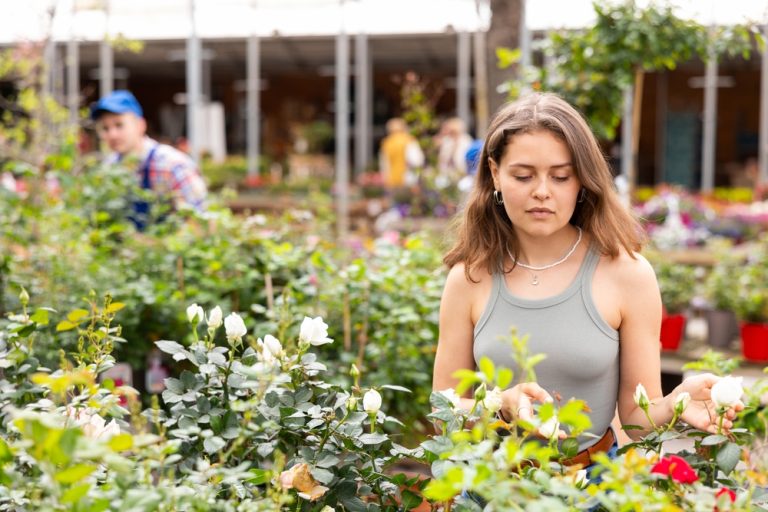
A half-price plant sitting in the clearance corner can look like the gardening equivalent of finding a forgotten $20 bill in an old jacket. Maybe the leaves look a little rough, the pot has a few weeds, or the plant simply needs some attention. That bargain can absolutely become a beautiful addition to the garden,…
plant care
Stop Pruning These Plants in September — You Could Make Winter Damage Worse
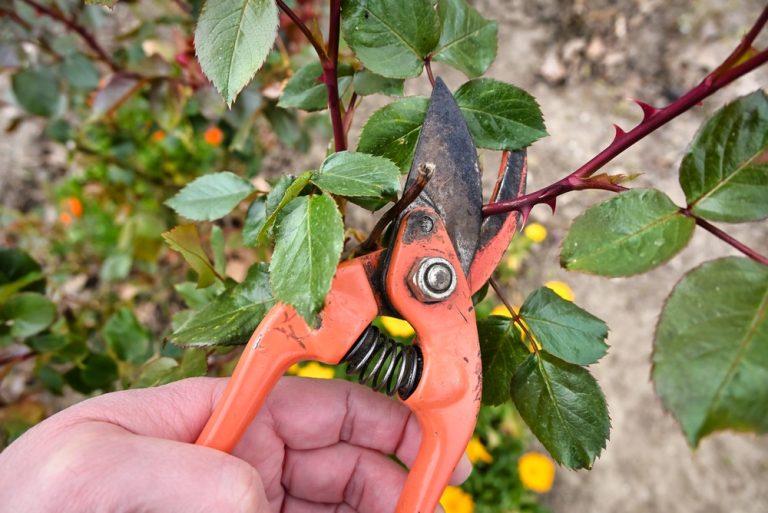
September can feel like the perfect month to grab the pruners. Summer heat starts easing, the garden looks a little shaggy, and suddenly every overgrown shrub seems to be whispering, “Give me a haircut.” Resist the urge with many trees and shrubs, because pruning in late summer or early fall can push out tender new…
That White Powder on Your Plants Isn’t Dust: Here’s What to Do Before Winter
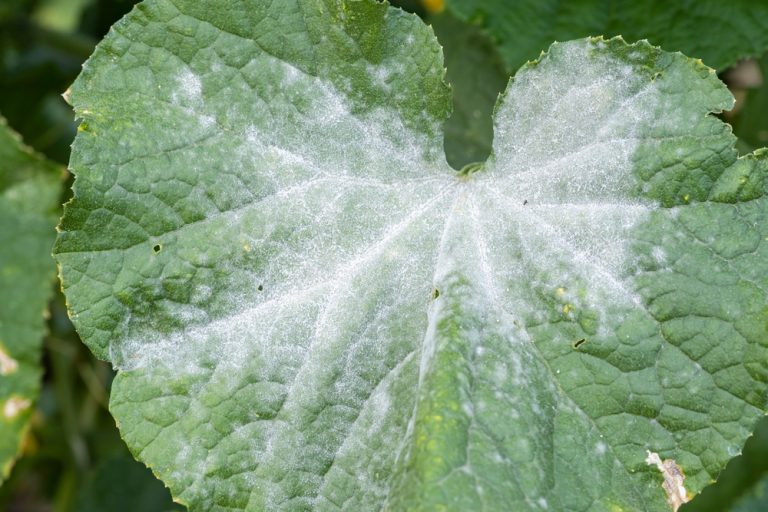
That white powder coating your plant leaves probably did not arrive courtesy of a very messy bag of flour. It may be powdery mildew, a common fungal disease that can spread across leaves, stems, and even flower buds when conditions cooperate. A plant covered in white does not automatically need the compost pile. With a…
Before Buying Fall Plants on Clearance, Check These 5 Things at the Garden Center
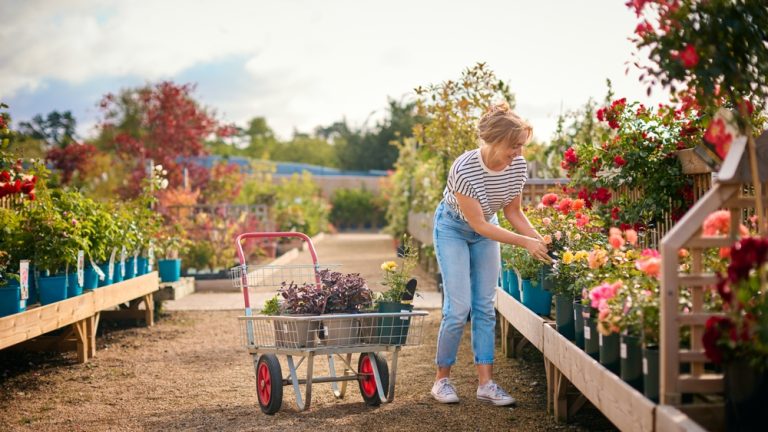
A garden center clearance rack can feel like the gardening equivalent of a treasure hunt. The prices look tempting, the plants still have plenty of green leaves, and suddenly that sad-looking perennial seems like a bargain worth rescuing. Before tossing it into the cart, though, take a closer look because a discounted plant can become…
Bringing Houseplants Back Inside? Check These 6 Places for Bugs First
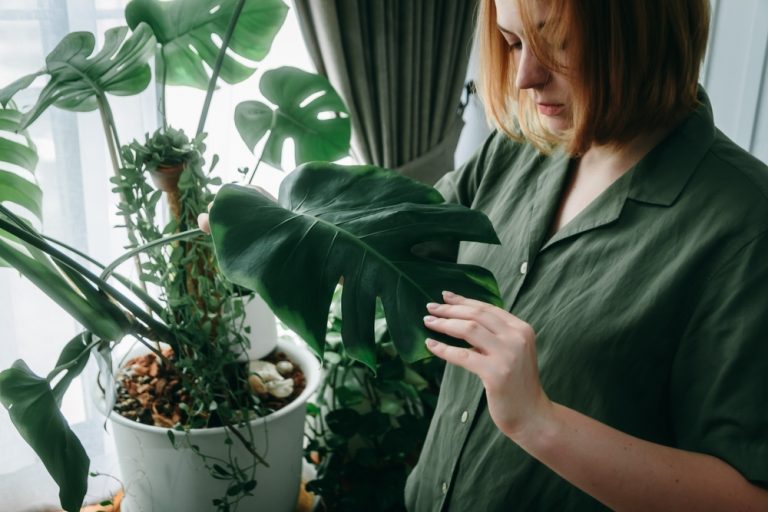
Bringing houseplants back inside sounds simple: carry the pots indoors, find them a sunny window, and call it a day. Unfortunately, tiny freeloaders may have other plans. Outdoor plants can pick up aphids, spider mites, mealybugs, scale and other pests during the growing season, and a plant that looks perfectly clean at a glance can…
Should You Fertilize Before Winter? Some Plants Are Better Left Alone
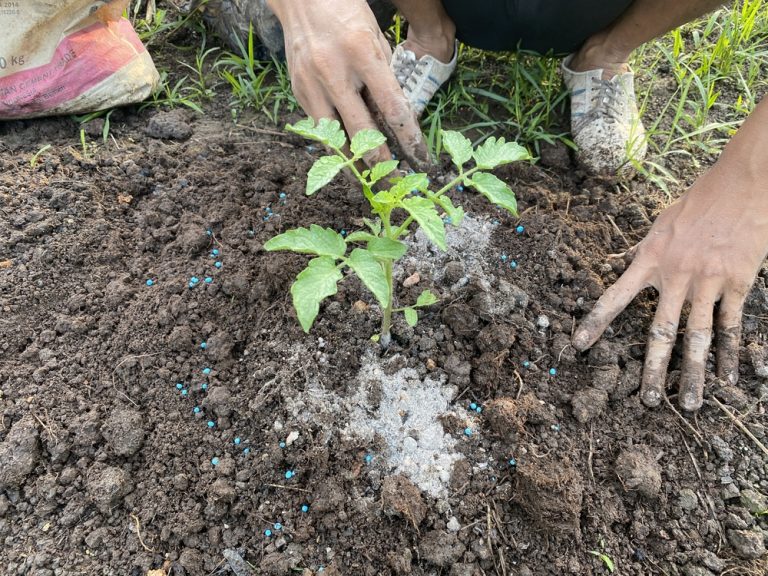
Fall creates a tempting gardening problem: the plants look tired, the weather cools down, and the fertilizer bag starts whispering, “One more feeding.” But fertilizing before winter does not automatically help plants survive the cold, and for some plants, late-season fertilizer can encourage exactly the kind of growth you do not want. It all comes…
7 Garden Plants You Should Stop Fertilizing as Summer Ends
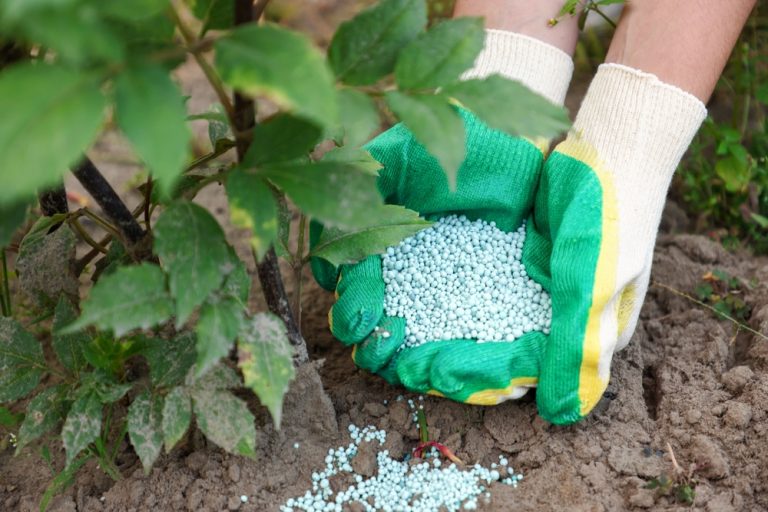
Fertilizer is like the garden equivalent of a helpful snack. A little boost seems harmless, especially when plants still look green and productive, but late-summer feeding can sometimes encourage exactly the kind of growth a plant does not need heading into cooler weather. For several common garden plants, August and early September mark the point…
Garden Plants You Should Stop Fertilizing as Summer Ends
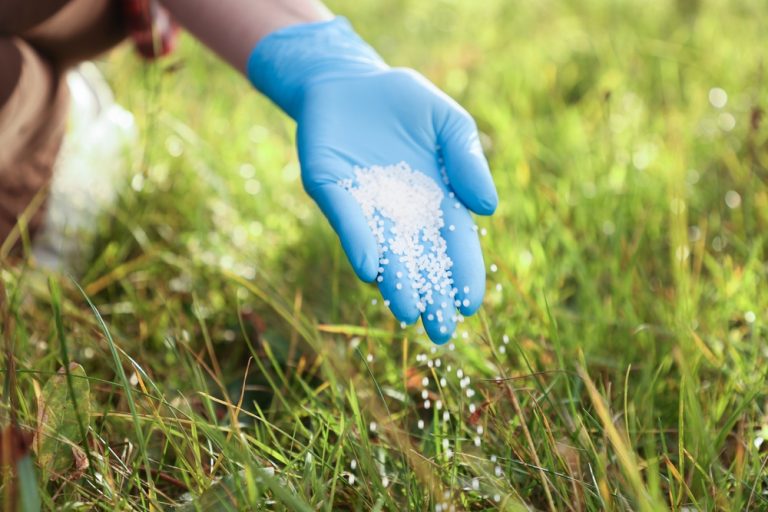
As summer starts running out of steam, your fertilizer routine deserves a second look. Continuing to feed certain garden plants simply because they still have green leaves can encourage tender new growth at exactly the wrong time, leaving plants less prepared for the cooler weather ahead. That does not mean every plant needs to go…
5 Ways to Reduce Plant Losses During Late-Summer Travel
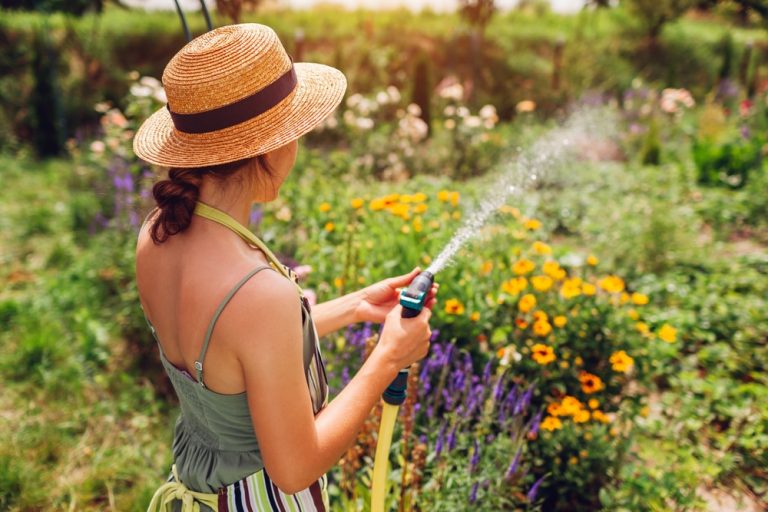
Late-summer travel can create a surprisingly awkward problem for gardeners: the suitcase gets packed, the itinerary looks fantastic, and the tomato plants remain at home silently wondering who will handle their hydration. A few days without attention can stress containers, newly planted shrubs, vegetables, hanging baskets, and thirsty houseplants, especially when heat and wind accelerate…
5 Ways to Keep Newly Divided Irises From Drying Out
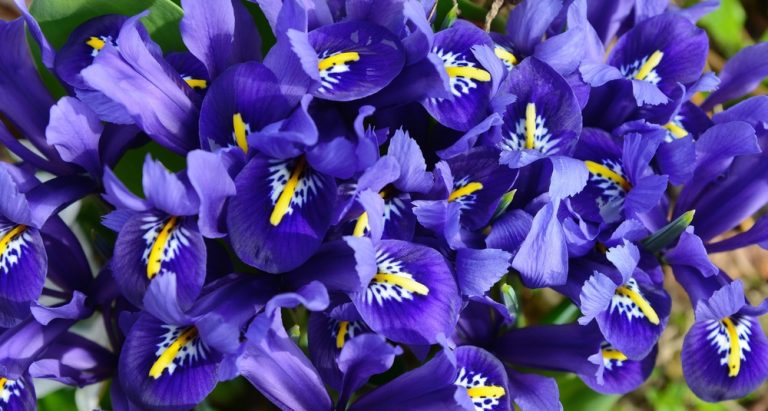
Freshly divided irises look surprisingly tough. Those chunky rhizomes seem almost indestructible sitting on a garden cart, but appearances fool plenty of gardeners every season. Leave them exposed to hot sun, drying wind, or a forgotten afternoon on the driveway, and those healthy divisions can lose precious moisture before they even reach the soil. Keeping…