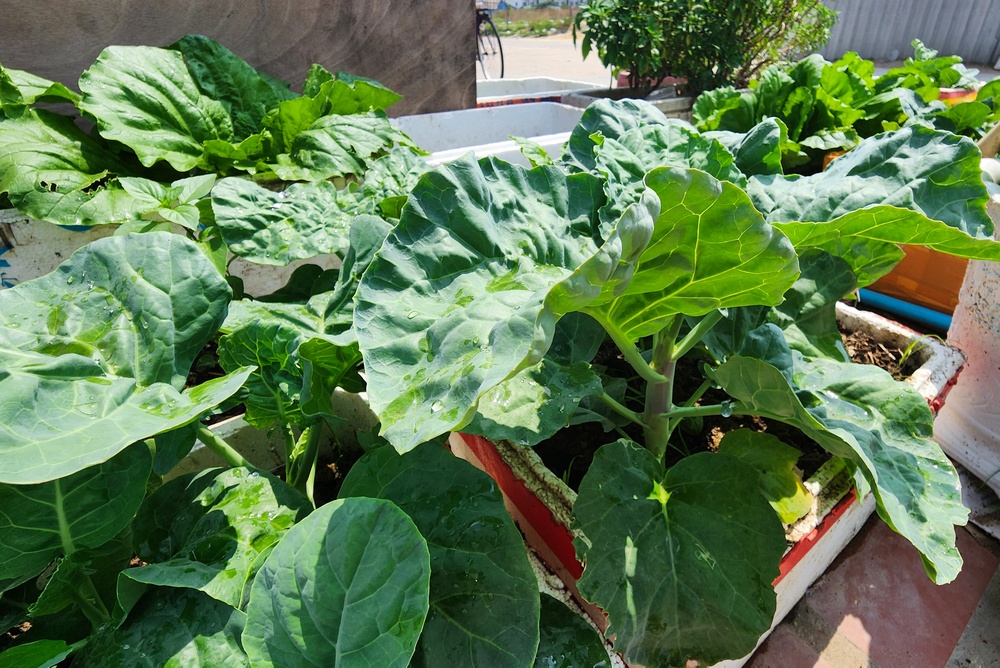
Raised beds look fantastic in a garden, but they also come with lumber, brackets, soil, measuring, digging, and the small matter of actually assembling the thing. For a fall garden, containers offer a much simpler route, especially for gardeners who want fresh vegetables without committing to another permanent garden project.
A few large pots, buckets, grow bags, or other suitable containers can hold a surprisingly productive fall garden. Better yet, containers let gardeners move plants around, place them in the sunniest spots, and bring certain crops under cover when temperatures dip.
1. Radishes Are Practically Made for Containers
Radishes make excellent container crops because they grow quickly and do not need a deep root system compared with larger vegetables. A container around 6 inches deep can accommodate many varieties, although deeper pots give the roots more room and make watering a little more forgiving. Sow seeds directly into the container rather than transplanting seedlings, since radishes prefer to grow without their roots getting disturbed.
Fall weather often gives radishes exactly what they want: cool temperatures and reasonably bright light. Scatter seeds across the soil, cover them according to the seed packet directions, and thin the seedlings once they emerge so the developing roots have room. Keep the potting mix consistently moist, because dry soil can leave radishes woody, harsh, or disappointingly small.
2. Lettuce Loves a Cool Container
A container overflowing with lettuce can provide repeated harvests without demanding much space. Loose-leaf varieties work particularly well because gardeners can harvest the outer leaves while allowing the plant to keep producing new growth. Choose a container with drainage holes and use quality potting mix rather than ordinary garden soil, which can become heavy and compacted inside a pot.
Place the container where lettuce receives plenty of sunlight, while watching for unusually warm fall afternoons. Lettuce prefers cool conditions, and excessive heat can push it toward bolting and bitter leaves. For a steady supply, sow small amounts of seed at intervals rather than filling every available inch of the container on one afternoon. That approach turns one giant lettuce harvest into a more useful succession of smaller ones.
3. Spinach Makes Good Use of Deep Pots
Spinach brings plenty of leafy green potential to a container, and its relatively compact growth habit makes it especially useful for patios, balconies, porches, and small yards. Give it a container with adequate depth, drainage, and fertile potting mix, then sow the seeds directly where they will grow. Spinach seedlings can handle cool weather well, which makes fall an excellent time to get them started.
The biggest container mistake involves letting the soil swing between bone-dry and soaking wet. Check the mix regularly and water when the surface begins to dry, while allowing excess water to drain away. Harvest outer leaves once the plants have enough growth to spare, and avoid stripping every leaf at once. With sensible harvesting, a single container can provide several rounds of greens instead of one dramatic salad and an empty pot.
4. Carrots Can Grow in Containers Too
Carrots might seem like a strange choice for a pot, but containers actually solve one of their biggest growing challenges: poor or rocky soil. A deep container filled with loose, stone-free potting mix gives carrot roots a clear path downward, which can produce much straighter roots than compacted garden soil allows. Choose a variety that fits the container’s depth, because not every carrot needs to grow into a grocery-store-sized spear.
Sow carrot seeds directly because their delicate roots do not appreciate unnecessary disturbance. Keep the soil evenly moist while the seeds germinate, since carrot seeds can take longer to emerge than impatient gardeners expect. Once seedlings appear, thin them carefully so neighboring roots do not compete for space. The container also makes harvesting wonderfully simple: loosen the soil and pull the carrots rather than digging through an entire garden bed.
5. Green Onions Need Surprisingly Little Room
Green onions belong on the short list for gardeners who want a useful crop without dedicating half a patio to vegetables. Their narrow roots allow several plants to grow together in a reasonably sized container, and gardeners can harvest the greens as needed. A pot with drainage holes and ordinary quality potting mix provides a good starting point.
Sow seeds directly or plant young green onions from a garden center, depending on what remains available in the season. Keep the soil moderately moist and give the container a sunny location for the best growth. Harvest individual greens when they reach a useful size, leaving enough plant behind for continued growth. Their compact footprint also makes them easy to tuck beside larger containers, where they can quietly earn their keep without demanding much attention.
6. Kale Can Keep Producing After Summer Crops Fade
Kale earns its container space because it handles cool weather well and offers a long harvest window. A larger pot gives the roots room to develop and provides better stability for plants that can become fairly substantial. Dwarf or compact varieties make particularly good choices when space remains limited.
Place kale in a sunny location and keep the potting mix evenly moist without turning the container into a swamp. Harvest the lower leaves first and leave the growing center intact so the plant can continue producing new foliage. Cool weather can also improve kale’s flavor, which gives fall gardeners a welcome reason to keep harvesting after summer vegetables have started looking tired. Watch the leaves for caterpillars and other pests, since cooler weather does not automatically give every garden pest a vacation.
7. Swiss Chard Keeps the Container Garden Interesting
Swiss chard brings a little visual drama to a collection of otherwise green pots, but its usefulness goes well beyond appearance. Its broad leaves and colorful stems can provide repeated harvests, and the plants can occupy containers that might otherwise sit empty after summer crops finish. Give chard a roomy container with good drainage and fertile potting mix, then place it somewhere with plenty of sunlight.
Harvest the outside leaves first instead of cutting the entire plant down at once. Regular picking can encourage continued production, while consistent moisture helps prevent the leaves from becoming tough. Chard also works nicely when gardeners want a crop that can provide food while adding some personality to a patio or porch. Just remember that a container dries out faster than a garden bed, particularly during windy or unusually warm stretches, so checking the soil remains part of the bargain.
The Raised Bed Can Wait
A fall garden does not need to begin with a pile of lumber and a weekend construction project. Radishes, lettuce, spinach, carrots, green onions, kale, and Swiss chard can all make sensible container choices when gardeners match the container size to the crop and provide good drainage, quality potting mix, sunlight, and steady moisture.
Containers also offer something a raised bed cannot always provide as easily: mobility. A pot can move to a sunnier location, shift closer to a sheltered wall, or make room when the gardening season changes. For anyone testing fall gardening for the first time, that flexibility can make containers a much easier way to experiment before investing in permanent beds.
Which fall crop would you be most likely to grow in a container this season?
You May Also Like…
Can Worm Castings Rescue Nutrient-Poor Container Soil?
What Should You Do When Potting Soil Pulls Away from the Container?
The Container Gardening Trend That’s Exploding on TikTok
8 Vegetables That Grow Surprisingly Well in Containers
Don’t Buy Seed Starters: Use These 4 Free Household Containers Instead

Brandon Marcus is a staff writer for FrugalGardening.com at District Media, Inc., where he delivers practical gardening advice with a relatable, no-nonsense style. An avid amateur gardener, he holds a BA degree and with over ten years of professional writing experience, he is also an award-winning published author whose first book, Questions For Deep Thinkers, was released by Adams Media. His work has appeared in major publications including Fandom.com, CHUD.com, TheColdWire.com, and Fansided.com.
Leave a Reply