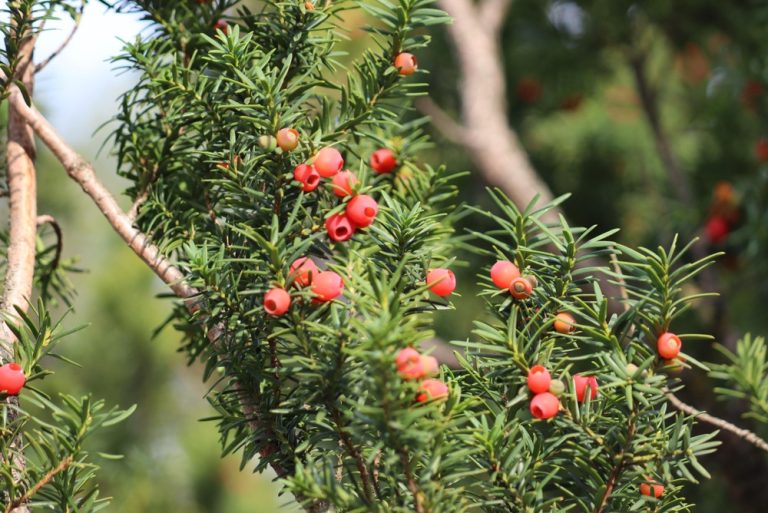
A backyard full of colorful berries can look like nature’s candy aisle, especially to a child who spots a shiny red or purple cluster hanging at exactly eye level. That makes berry season a great time to teach children one simple rule: pretty does not mean edible, and nobody should pick a berry for a…
garden safety
Poison Ivy Isn’t the Only Plant Gardeners Should Learn to Recognize
Poison ivy gets the celebrity treatment when it comes to plants gardeners should avoid, and for good reason. Its three leaflets have inspired generations of cautious yard work, but several other plants can cause much more serious problems, from painful skin burns to severe poisoning if someone mistakes them for an ordinary weed. That does…
Ordered Seeds on Amazon? You May Not Know What You’re Actually Planting

Ordering seeds online feels wonderfully simple. A few taps, a colorful photograph of an enormous flower, and suddenly the garden has a new botanical adventure on the way. The trouble starts when that photograph shows a plant that cannot actually exist, or when the packet contains seeds that have little connection to the variety advertised….
Don’t Burn This Plant After Pulling It From Your Yard
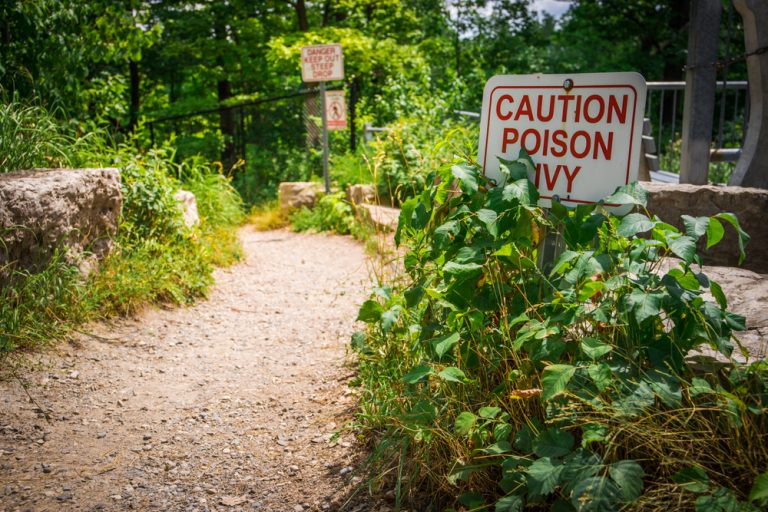
Poison ivy may look like just another annoying weed once it comes out of the ground, but there is one thing it absolutely should not become: firewood. Burning poison ivy can send urushiol, the oily compound that causes its infamous rash, into the smoke and straight into the air around anyone nearby. That turns a…
This Invasive Plant Can Cause Severe Skin Burns — Here’s How to Recognize It
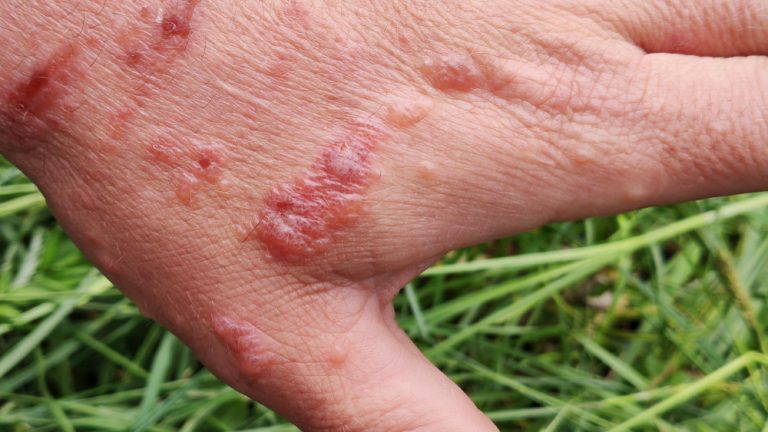
Giant hogweed looks like the sort of enormous, dramatic plant that belongs in a fantasy garden, but getting too close can turn a pleasant walk or weekend yard project into a medical problem. Its clear, watery sap contains compounds that can make skin extremely sensitive to ultraviolet light, leading to painful burns and blisters after…
Is a Fire-Safe Garden Possible Without Removing Every Shrub?
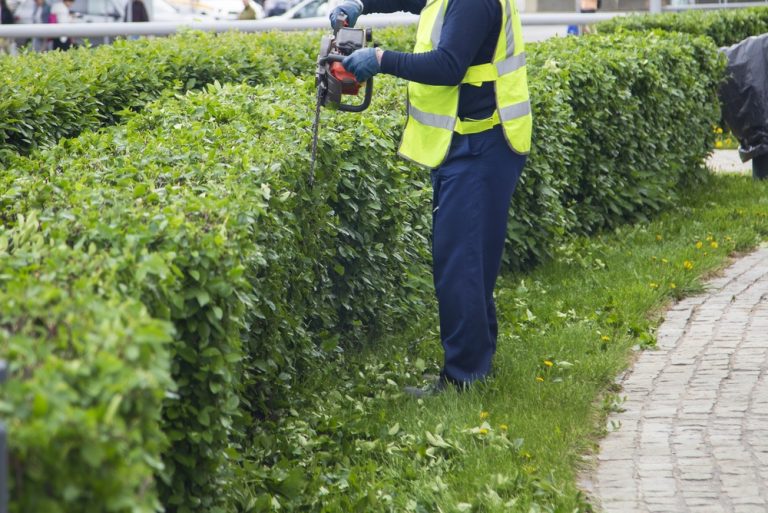
A fire-safe garden does not require turning the yard into a gravel parking lot or sending every beloved shrub to the chipper. Smart landscaping can reduce wildfire risk while keeping flowers, greenery, shade, privacy, and plenty of garden personality. The trick involves changing how plants sit, how much dead material they carry, and how close…
That “Weed” in Your Yard Could Leave You With Painful Blisters
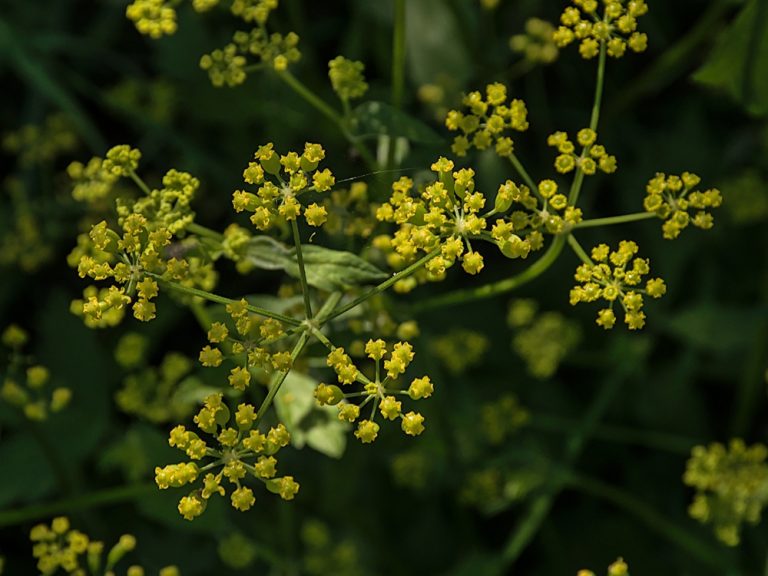
A harmless-looking weed can turn a routine afternoon of pulling plants into a very unpleasant skin problem, especially if you encounter wild parsnip or giant hogweed. These plants contain compounds that can make skin unusually sensitive to ultraviolet light, so a little plant sap followed by sunshine can produce redness and blistering that looks remarkably…
Why Are More Gardeners Designing Fire-Smart Borders?
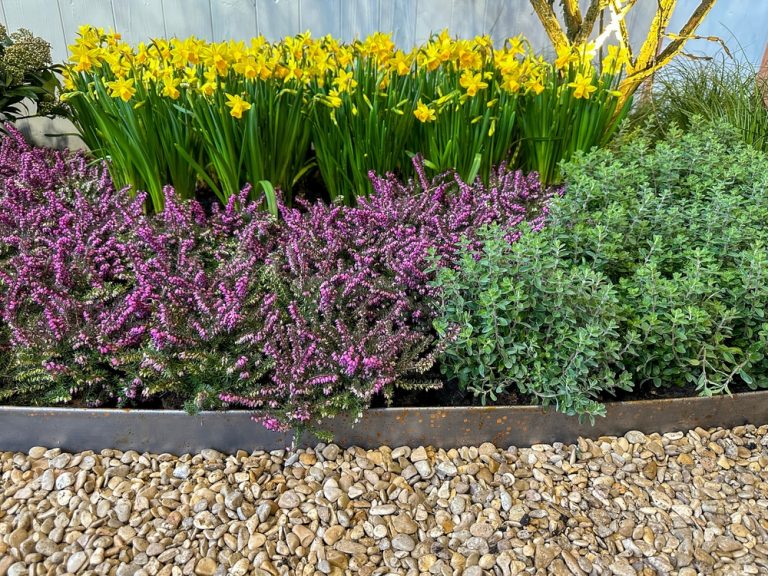
Wildfire safety has changed the way many gardeners think about the edge of a property. Instead of treating a garden border as nothing more than a pretty transition between lawn and flower beds, gardeners increasingly design these spaces to create separation between vegetation, buildings, and potential fire paths. A fire-smart border will not make a…
Can You Create a Pet-Safe Garden Without Replacing Every Plant?
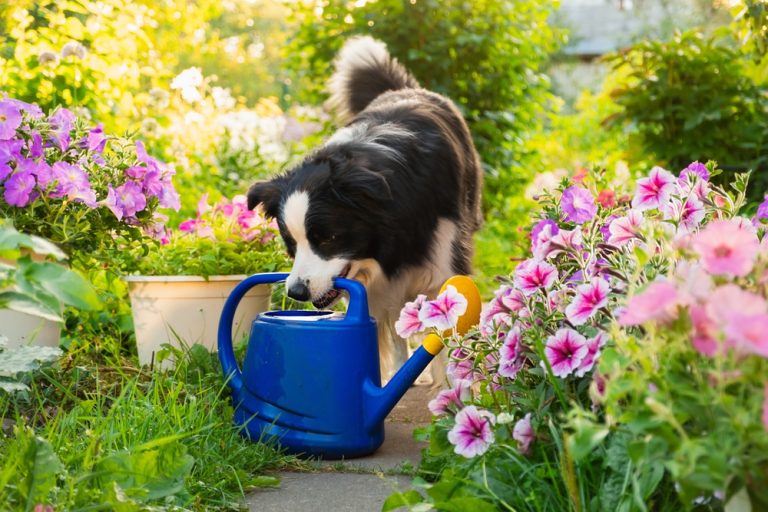
A pet-safe garden does not require digging up every flower, tossing every shrub, and starting over with a blank patch of dirt. Smart gardeners can protect curious dogs and cats by making a few strategic changes that create a safer outdoor space while keeping the personality of an established garden. Many beautiful yards already contain…
What Is the Safest Way to Handle Slugs Without Harsh Chemicals?
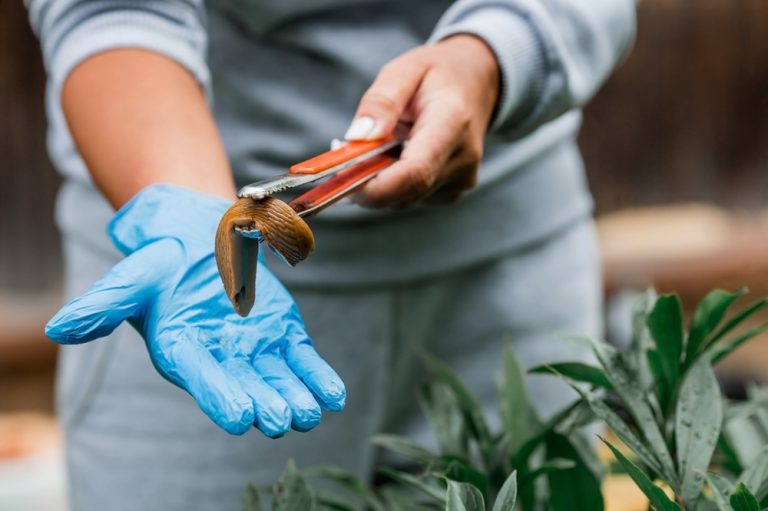
Slugs can turn a promising garden into a midnight buffet, leaving ragged holes in lettuce, seedlings, hostas, and other tender plants. The safest way to handle them starts with a simple strategy: make the garden less inviting, remove the slugs you find, and use controls that target slugs without creating unnecessary risks for pets, wildlife,…