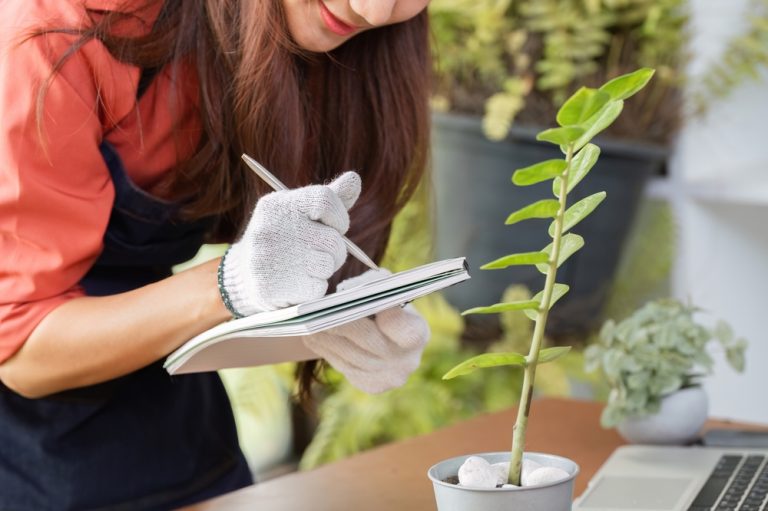
Every growing season teaches valuable lessons, but those lessons often disappear by the time spring rolls around again. A simple garden journal changes that by turning forgotten successes and expensive mistakes into useful notes that guide every planting decision. Instead of buying the same disappointing seeds or repeating the same timing errors, gardeners can build…
save money gardening
10 Common Gardening Myths That Waste Money
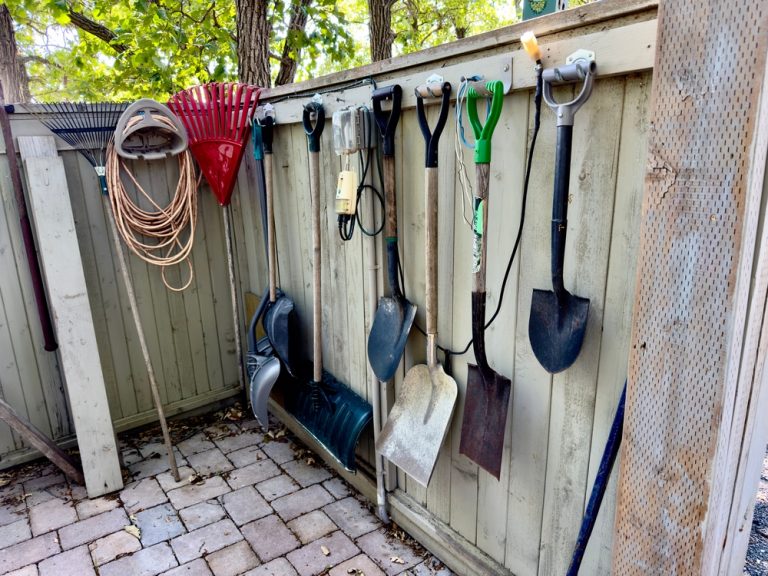
A trip to the garden center can feel like stepping into a candy store for plant lovers. Bright flowers, shiny tools, miracle fertilizers, and colorful bags of soil promise bigger harvests and healthier plants. Unfortunately, many gardening purchases stem from myths that have circulated for decades. Those misconceptions often encourage gardeners to spend money on…
The Rainwater Hack: How to Cut Your Water Bill While Growing More Food
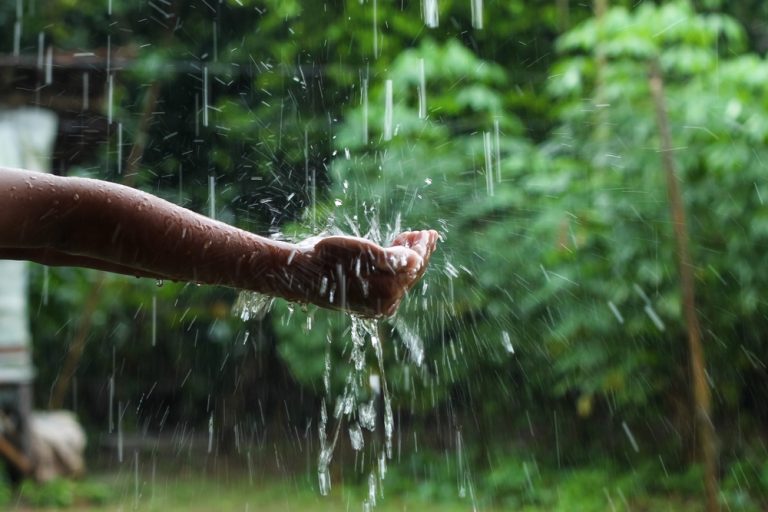
A garden can drink money as fast as it drinks water, especially during hot spells when hoses seem to run nonstop. A simple shift in how water gets collected and used can turn that constant expense into a surprisingly low-cost system that keeps plants thriving. Rainwater offers a free, steady resource that often runs right…
8 Backyard Gardening Mistakes That Quietly Waste Your Money
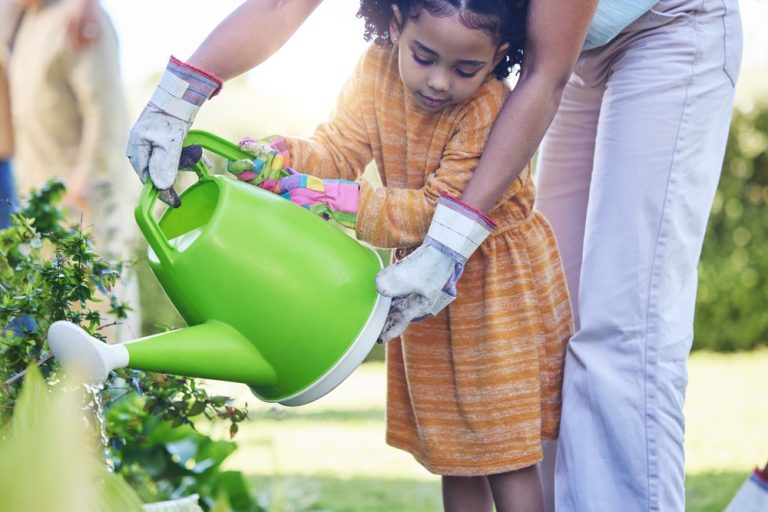
Backyards can turn into little gold mines of fresh food, color, and calm—but only when the garden runs efficiently. Too often, hidden mistakes creep in and slowly drain money through wasted water, dying plants, and unnecessary purchases. Many of these issues do not announce themselves loudly; they build quietly in the background while the garden…
The Pesticide Lie: Why You’re Paying for Chemicals You Already Have in Your Pantry
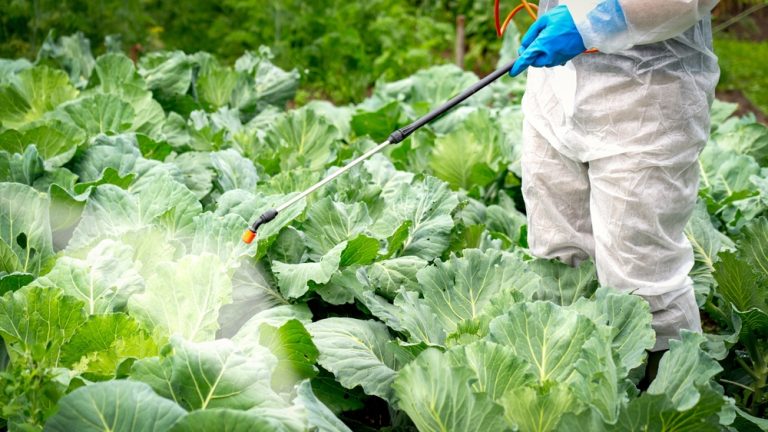
A stroll down the garden aisle reveals shelves packed with brightly labeled sprays promising instant results, pest-free leaves, and picture-perfect harvests. Those bottles carry price tags that quietly drain wallets while offering solutions many households already own. Gardeners often overlook the fact that common pantry staples can handle the same problems without the cost or…
Why “Self-Watering” Pots are Often a Waste of Cash (And How to DIY Them)
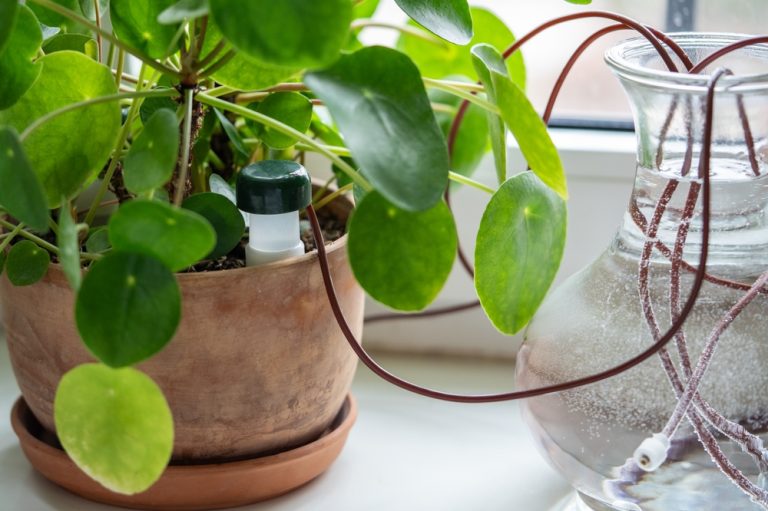
Garden centers love a buzzword, and “self-watering” pots sit right at the top of the marketing pile. These containers promise lush plants with minimal effort, yet many gardeners feel underwhelmed once the novelty fades. The price tag often climbs far higher than standard pots, even though the concept behind them stays surprisingly simple. Many of…
The Potting Mix Scams: Don’t Fall for These 3 Expensive Marketing Tricks
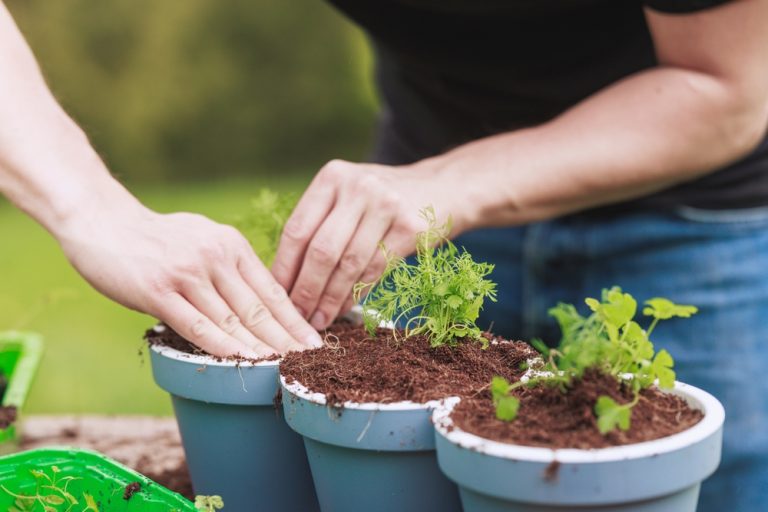
Bright bags, bold claims, and sky-high prices fill the garden center aisles, promising lush growth and flawless plants. Many of those promises sound convincing, but plenty of them exist to drain wallets rather than nourish roots. Gardeners often assume a higher price equals better performance, yet potting mix rarely follows that rule. A deeper look…
The Cardboard Barrier: The Permanent Fix for Weeds That Costs $0
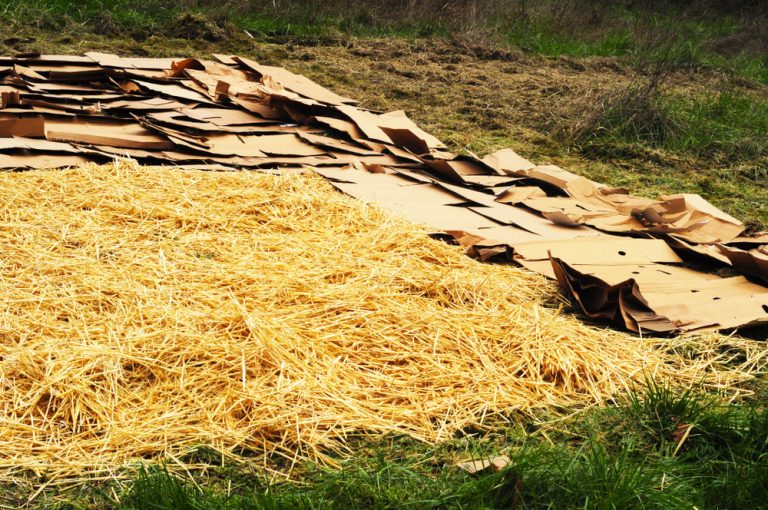
Weeds don’t politely wait for an invitation. They crash into garden beds, creep through sidewalk cracks, and choke out carefully planted flowers like uninvited guests who refuse to leave. Store-bought weed barriers promise relief, but they often come with a price tag, questionable durability, and disappointing results. Meanwhile, something as simple as cardboard sits in…
Stop Digging: The ‘No-Till’ Method That Saves Your Back and Your Wallet
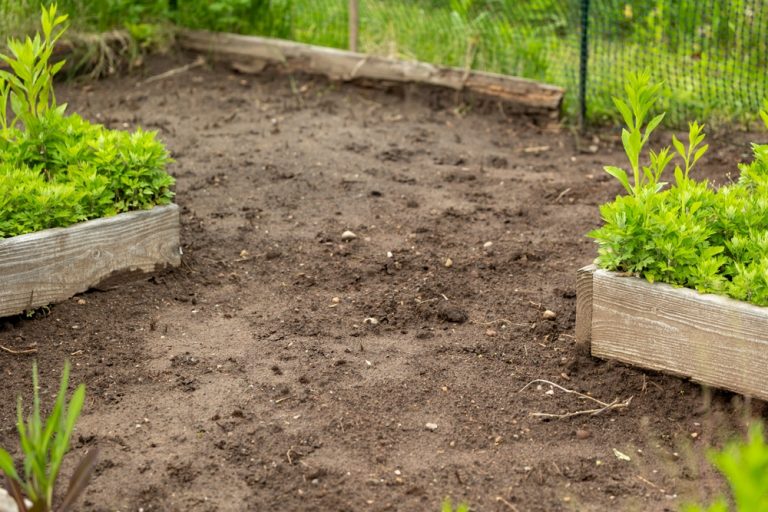
Backyards across the country are getting a quiet makeover, and it doesn’t involve fancy tools or expensive soil treatments. Gardeners have started ditching the shovel and embracing a smarter, easier approach that delivers healthier plants with less effort. The no-till gardening method flips traditional advice on its head by encouraging people to stop digging entirely….
Succession Planting: The Secret to Eating from Your Garden Every Single Week
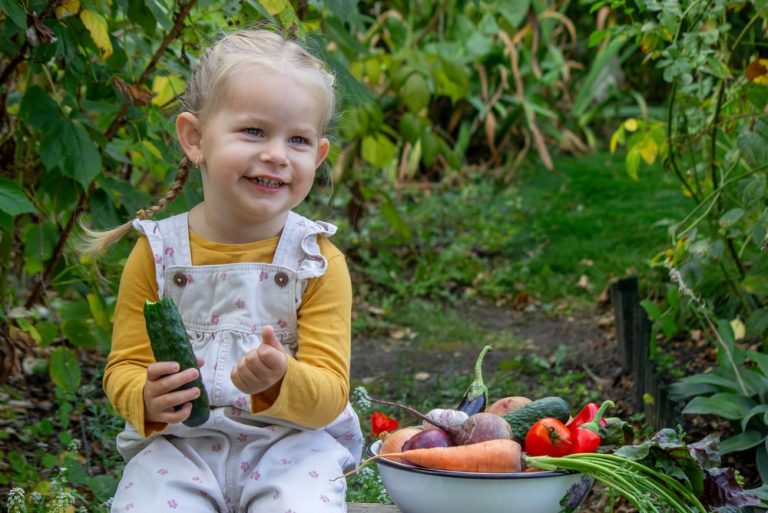
Fresh vegetables lose their magic fast when a garden delivers everything at once and then goes quiet for weeks. Succession planting flips that pattern completely, turning a backyard plot into a steady, reliable source of food week after week. Gardeners who master this approach stop dealing with feast-or-famine harvests and start enjoying consistent meals straight…