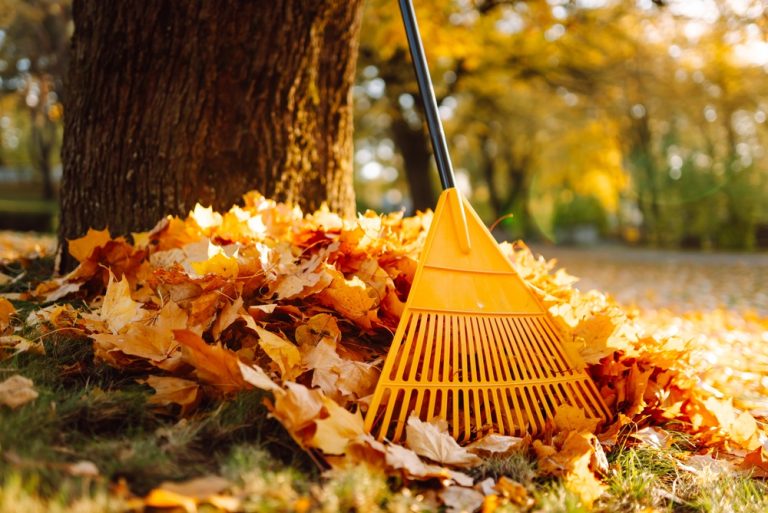
That pile of fall leaves gathering along the driveway may look like yard cleanup, but it can also replace products that gardeners routinely buy at the garden center. Instead of bagging every leaf and hauling it away, gardeners can turn those leaves into mulch, compost ingredients, or leaf mold for future garden use. A thick,…
compost
How to Prepare Raised Beds for Fall on a Small Budget
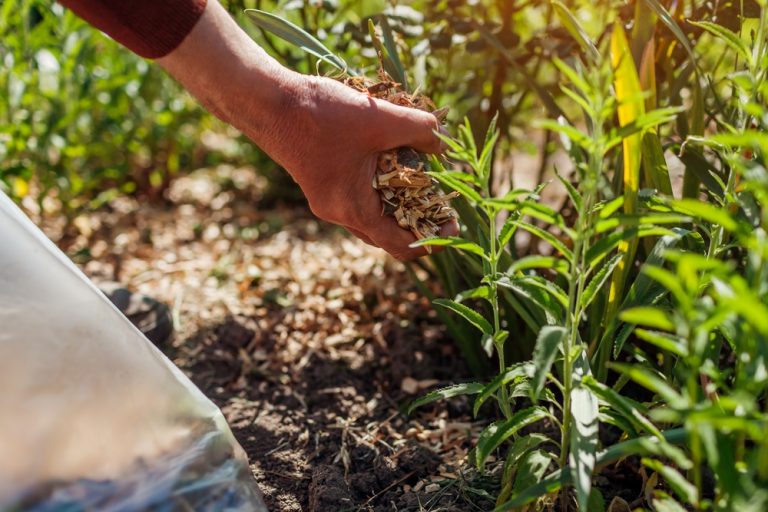
A raised bed does not need a glamorous autumn makeover. In fact, the most useful fall preparation often involves things already sitting around the yard, a few inexpensive materials, and resisting the urge to buy every shiny garden product within arm’s reach. Fall prep matters because what happens in the bed after summer can affect…
7 Budget-Friendly Tasks That Prepare Raised Beds for Fall
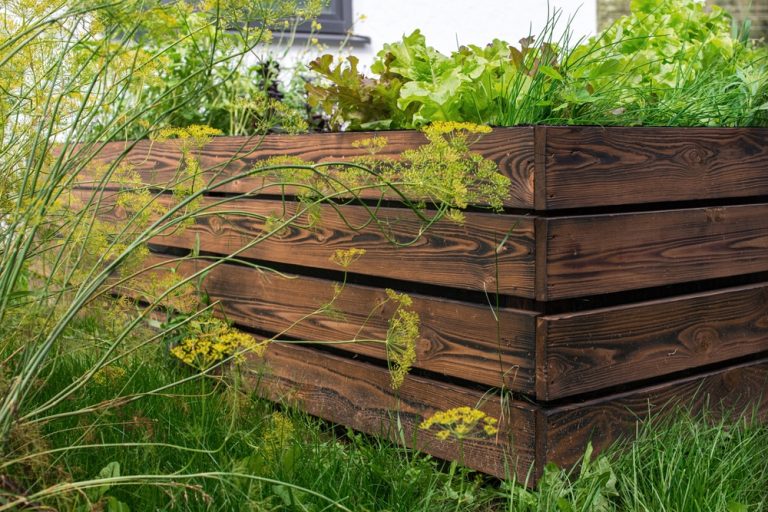
Raised beds do not need an expensive autumn makeover. A little cleanup, some strategic soil care, and a few inexpensive materials can leave those beds in much better shape when spring rolls around. The trick involves doing the jobs that actually matter instead of buying a cartload of products with pictures of suspiciously perfect tomatoes…
Where Can Gardeners Find Free Mulch in Late Summer?
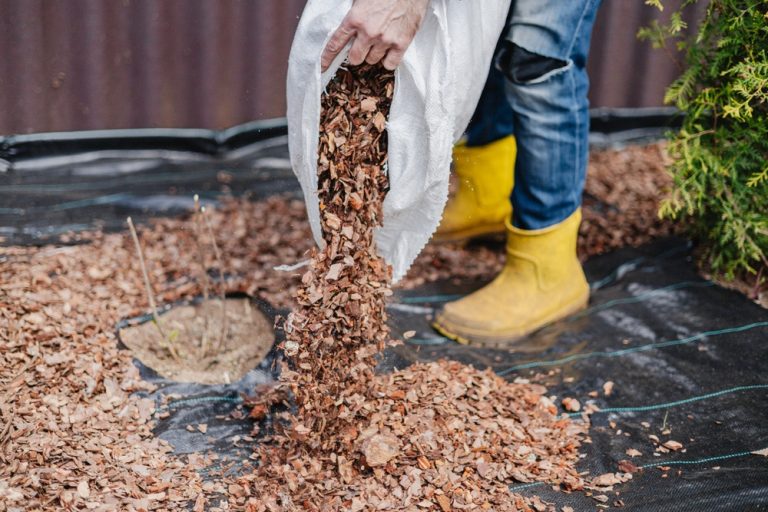
Late summer can make a garden look a little parched around the edges, and fresh mulch can help without making the garden budget groan. Fortunately, gardeners do not always need to visit a garden center and pay for a stack of neatly bagged material. Tree crews, municipalities, neighbors, compost sites, and even the lawn mower…
Should You Add Compost Before Planting Spring Bulbs?
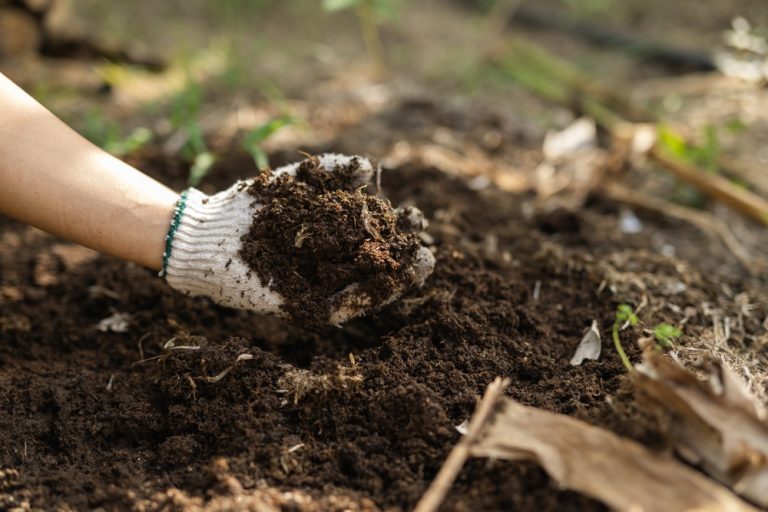
Spring bulbs bring a little seasonal magic to the garden, but getting them into the ground involves more than digging a hole and dropping them in. If compost sits nearby, it can look like an obvious helper, especially when the soil looks tired, compacted, or generally unimpressed with its gardening assignment. The good news is…
What Is Causing Mushrooms to Appear Around Raised Beds?
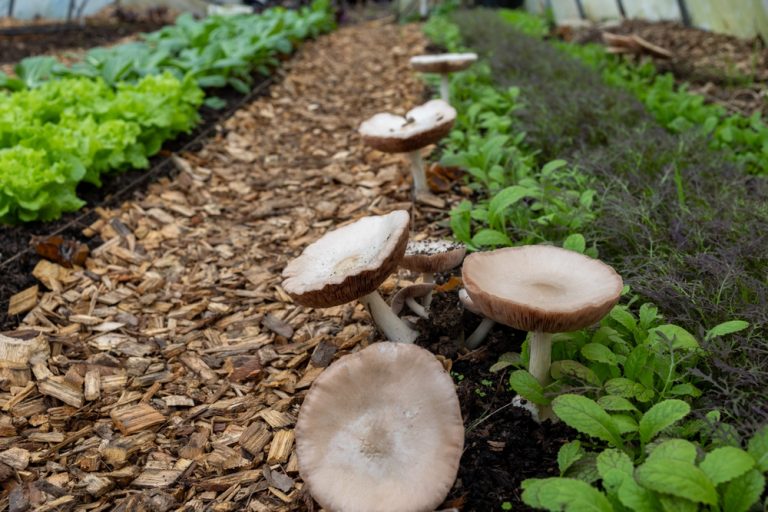
Mushrooms appearing around raised beds can look like tiny garden intruders, especially when a neat vegetable patch suddenly develops a crop of little caps overnight. In most cases, though, those mushrooms point to something much less alarming: moist conditions and fungi breaking down organic material in the soil or mulch. The mushroom itself represents only…
8 Garden Materials to Stock Up on When Stores Clear Summer Shelves

Summer garden displays have a funny way of disappearing just when gardeners start thinking about next season. As stores make room for fall and holiday merchandise, garden centers often mark down supplies that still have plenty of useful life left in them. That creates a tempting opportunity, but the trick involves knowing what deserves precious…
5 Cheap Materials for Screening Finished Compost
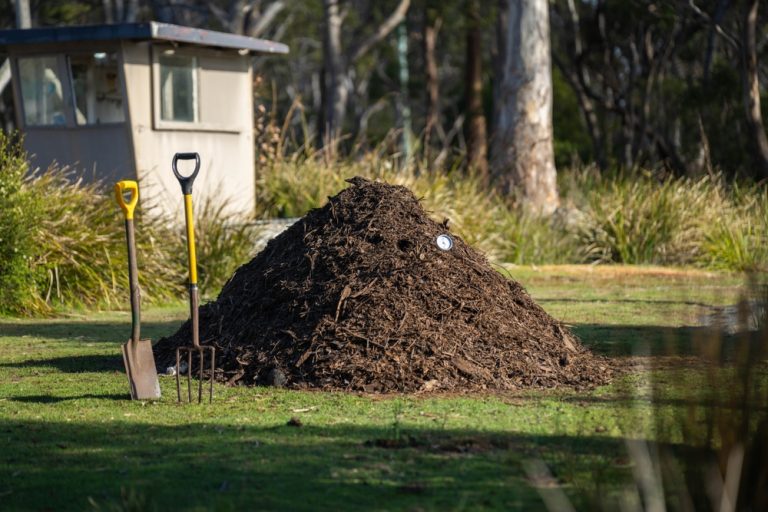
Finished compost can look wonderfully dark and crumbly right up until a half-rotted twig, avocado pit, or mystery chunk of bark lands in the middle of it. Screening finished compost removes those stubborn bits and gives the material a more consistent texture, and the good news is that a fancy commercial sifter does not need…
7 Soil Amendments You May Find Discounted in Late Summer

Late summer can bring an unexpected gardening opportunity: cheaper soil amendments. Garden centers often start clearing seasonal inventory as summer winds down, which can put compost, organic fertilizers, peat products, and other soil helpers into the bargain bin. That does not mean every discounted bag deserves a place in the garden shed. Some amendments improve…
What Should You Do When a Raised Bed Sinks Midseason?
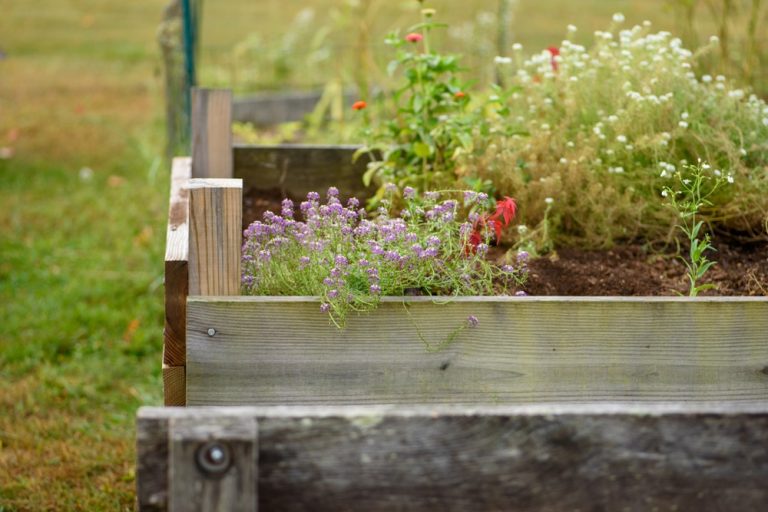
A raised bed that suddenly drops several inches in the middle of summer can spark instant panic. Plants lean at odd angles, watering changes overnight, and gardeners often assume the entire bed needs rebuilding. Fortunately, a sinking bed rarely signals disaster, and quick action can keep vegetables healthy for the rest of the season. Most…