
A garden does not stop being useful just because one crop approaches the finish line. Mature plants such as corn, tomatoes, sunflowers, and trellised vines can create valuable shade that helps younger plants handle intense summer conditions before those older crops leave the garden. That leafy canopy above the soil acts like a tiny backyard…
gardening tips
5 Ways to Turn Storm Debris Into Useful Garden Material
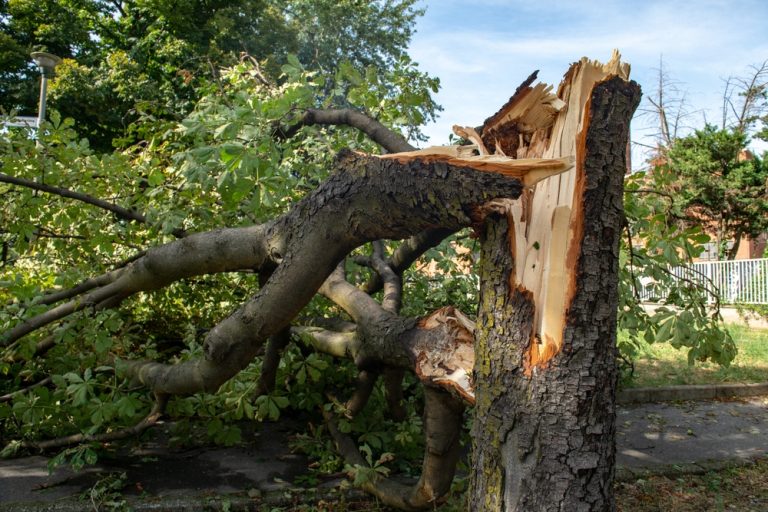
Storms can leave a yard looking like nature hosted a garage sale. Branches scatter across the lawn, leaves pile into soggy drifts, and twigs seem to appear in places that made no sense before the wind arrived. That messy scene might feel overwhelming at first, but it also offers a surprising opportunity for gardeners. Many…
What Is the Best Way to Cool Down Hot Compost?
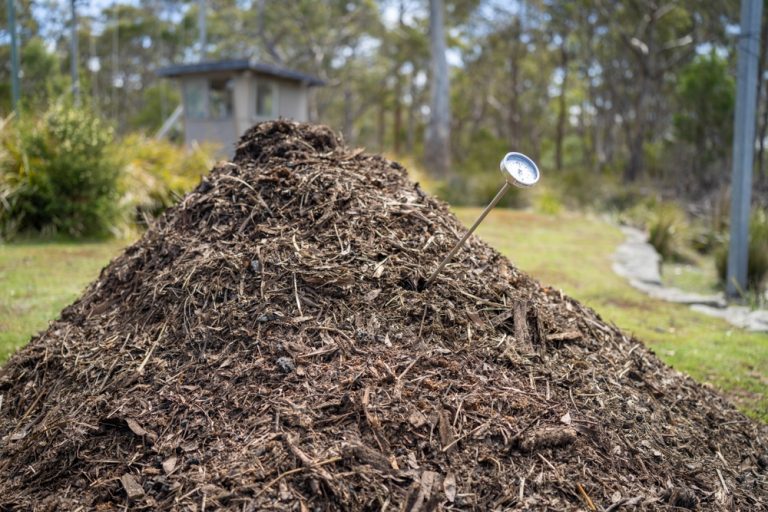
A hot compost pile can feel like a miniature volcano sitting quietly in the corner of the yard. Learning how to cool down hot compost helps gardeners protect valuable nutrients, keep decomposition balanced, and avoid turning a helpful pile into a dried-out heap of disappointment. Compost needs heat to break down kitchen scraps, leaves, and…
Can You Use Pruned Herb Stems to Start Free New Plants?
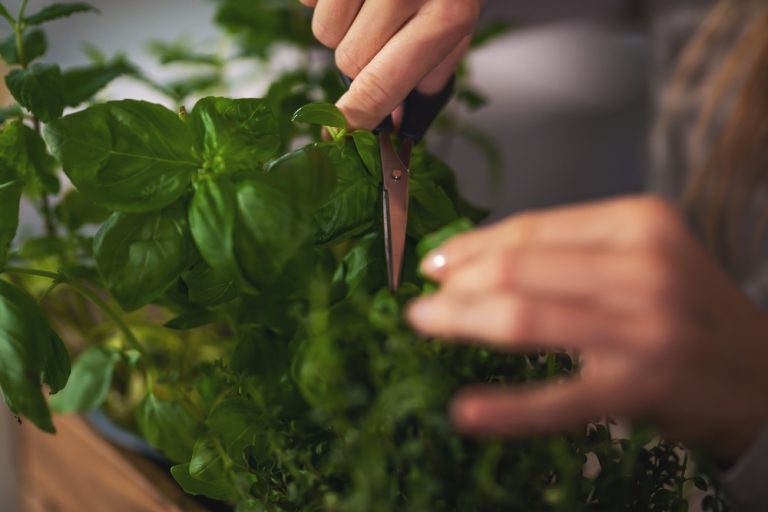
Fresh herbs already save money in the kitchen, but those trimmed stems can stretch a garden budget even further. Many common culinary herbs grow into entirely new plants from healthy cuttings, turning routine pruning into one of the easiest gardening tricks around. A handful of stems, a glass of water, and a little patience often…
8 Ways to Keep a July Garden Productive Without Buying New Plants
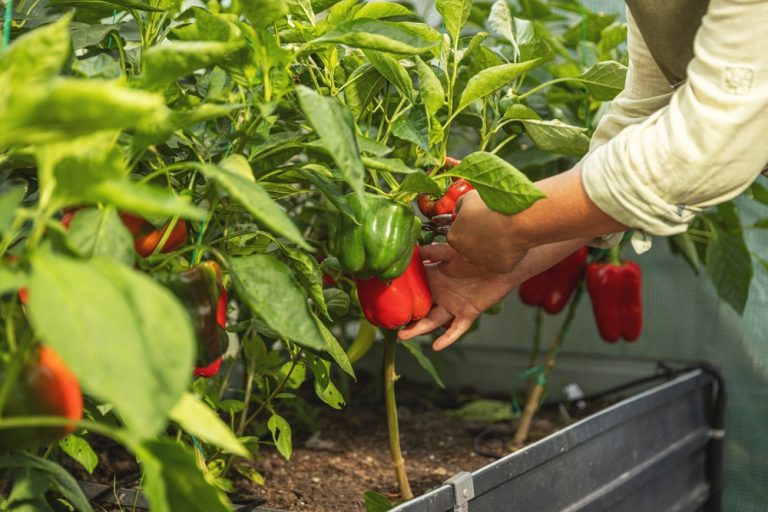
July often brings a strange mix of excitement and disappointment in the garden. Tomato vines stretch toward the sky, cucumbers seem to multiply overnight, and then suddenly a few beds start looking tired, wilted, or downright lazy. Many gardeners assume the only solution involves another trip to the garden center, but the plants already growing…
What Should You Do When a Raised Bed Sinks Midseason?
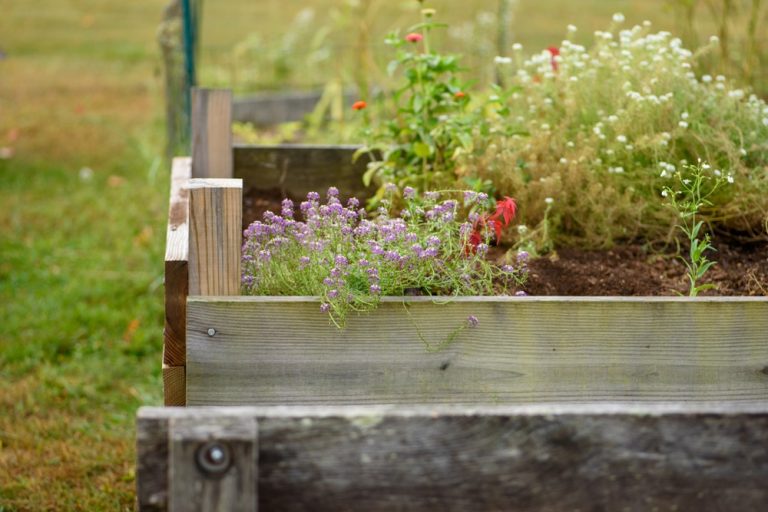
A raised bed that suddenly drops several inches in the middle of summer can spark instant panic. Plants lean at odd angles, watering changes overnight, and gardeners often assume the entire bed needs rebuilding. Fortunately, a sinking bed rarely signals disaster, and quick action can keep vegetables healthy for the rest of the season. Most…
Can Companion Planting Reduce Pest Damage Without Extra Spending?
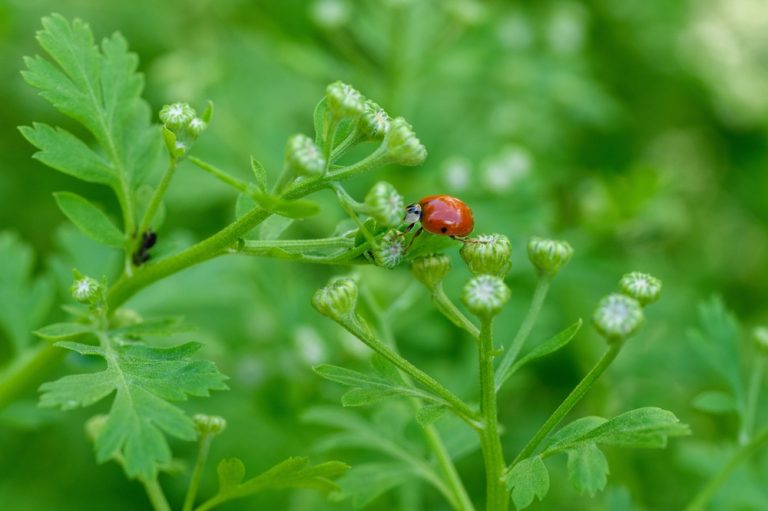
Every growing season brings the same battle. Tender leaves attract hungry insects, tomatoes suddenly look like an all-you-can-eat buffet, and gardeners start eyeing expensive sprays, traps, and powders. Companion planting offers a different path by using plant partnerships instead of opening a wallet. The idea sounds almost too simple, yet many experienced gardeners rely on…
5 Crops That Fit Into Narrow Side-Yard Gardens
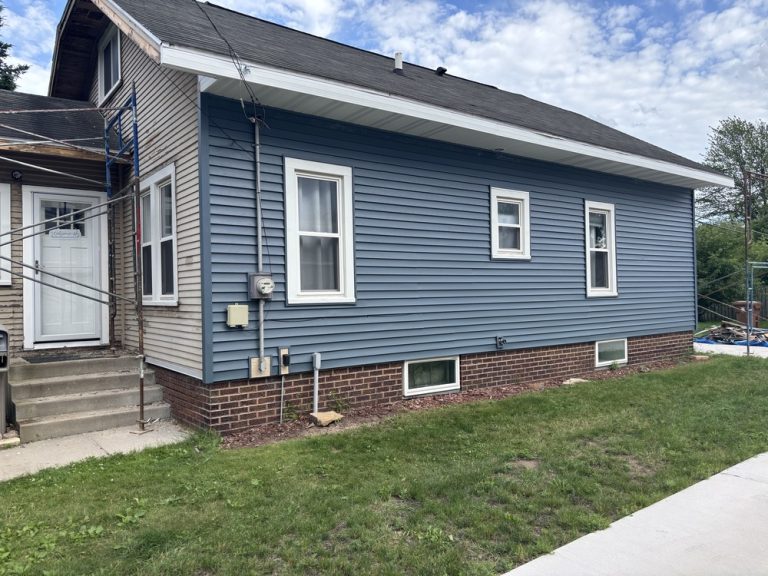
Every yard has that awkward skinny strip running between the house and the fence. Lawn mowers hate it, weeds seem to love it, and many homeowners simply ignore it. That little slice of land often sits in partial sun and looks too cramped for a traditional garden. That assumption leaves a surprising amount of growing…
Are Night-Blooming Flowers Worth Adding to a Small Yard?

Small yards often force gardeners to make tough choices. Every square foot needs to earn its place, which raises an interesting question about night-blooming flowers. Do these plants justify the precious space they occupy, or do they simply put on a show while everyone sleeps? The answer surprises plenty of gardeners. Night bloomers add a…
7 Ways to Build a Backyard Retreat With Plants You Already Own
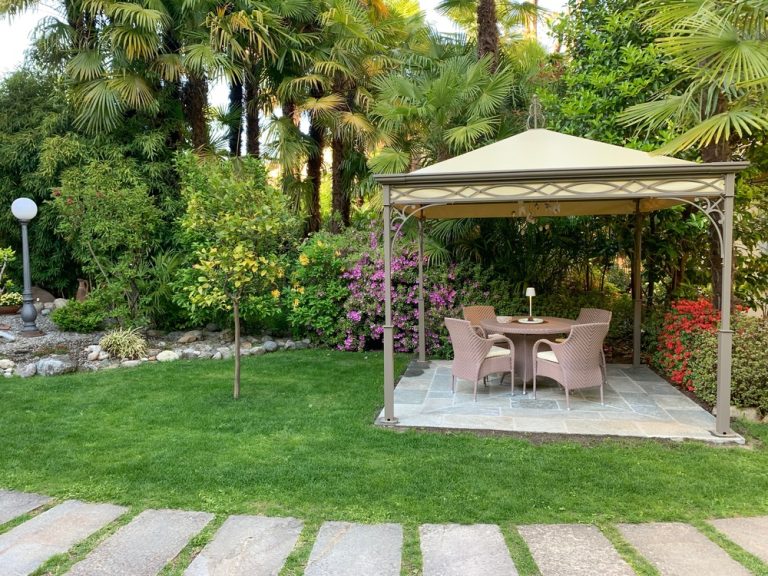
A peaceful backyard does not require a shopping cart full of expensive new plants, fancy landscaping materials, or a complete yard makeover. Many homeowners already own the ingredients for a cozy outdoor escape, but those plants sit scattered around the property instead of creating a welcoming garden space. With a little creativity, a shovel, and…