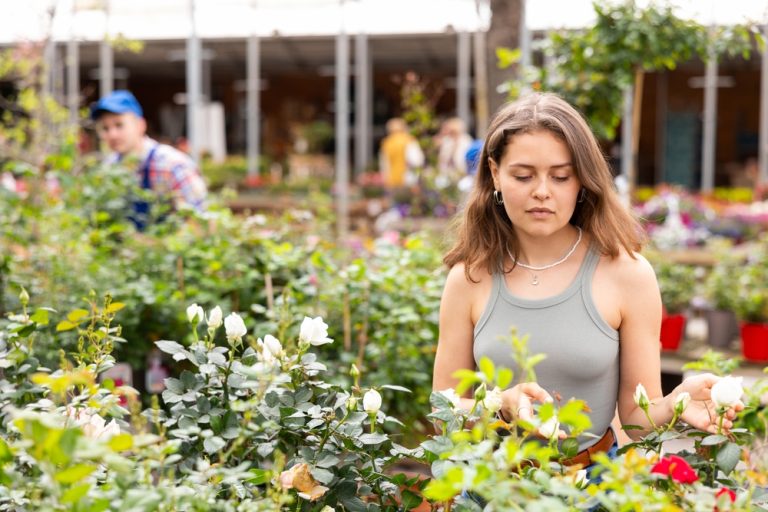
A half-price plant sitting in the clearance corner can look like the gardening equivalent of finding a forgotten $20 bill in an old jacket. Maybe the leaves look a little rough, the pot has a few weeds, or the plant simply needs some attention. That bargain can absolutely become a beautiful addition to the garden,…
garden pests
Those Tiny Holes in Your Fall Vegetables Are Trying to Tell You Something
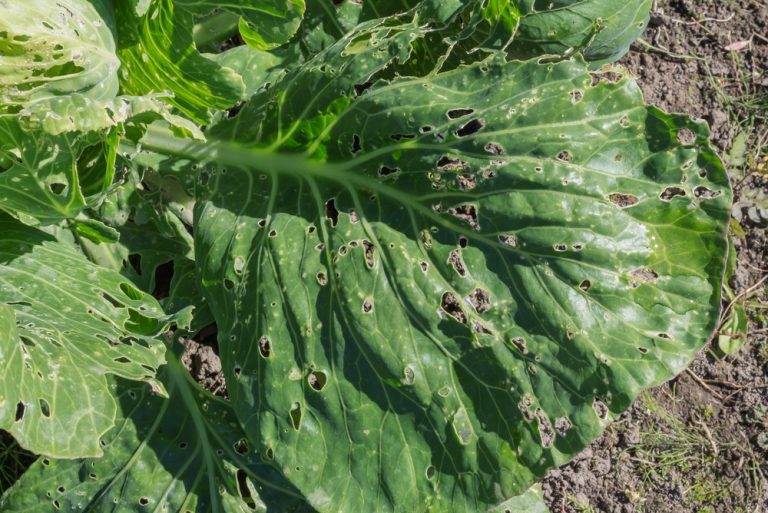
Those tiny holes appearing in fall vegetables are more than ugly little souvenirs from the garden. They can point toward the particular pest nibbling away at leaves, and the shape, size, and location of the damage can help narrow down the culprit. A few ragged leaves do not automatically mean a garden disaster, but ignoring…
Found a Snake in the Garden? What It’s Doing There May Surprise You
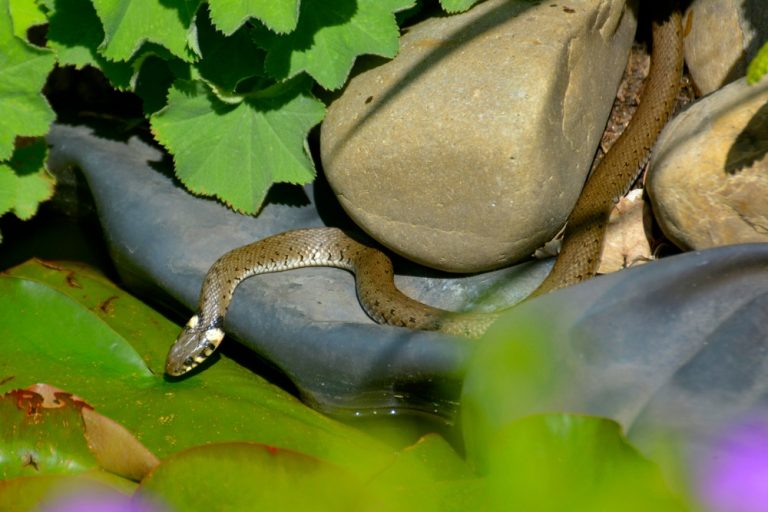
A snake sliding through the garden can turn a peaceful morning of watering tomatoes into a full-blown wildlife documentary. But that snake probably did not wander into the yard with plans to terrorize the gardener. In many cases, it arrived because the garden offers exactly what a snake needs: food, shelter, water, warmth, or a…
Bringing Houseplants Back Inside? Check These 6 Places for Bugs First
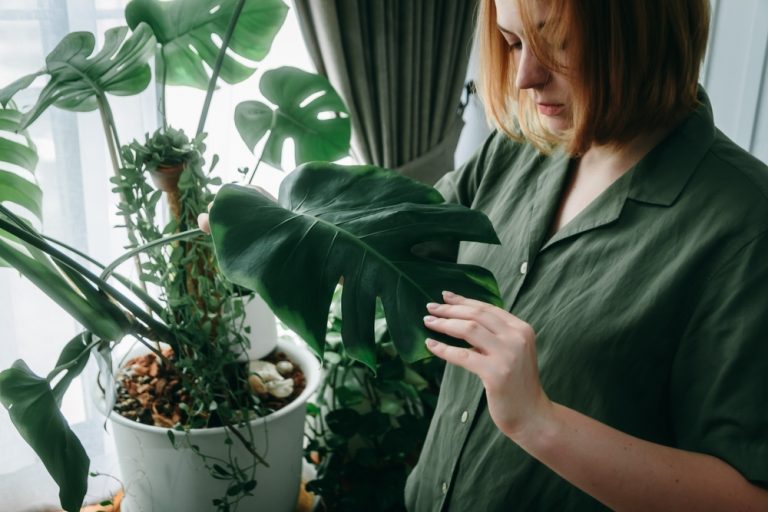
Bringing houseplants back inside sounds simple: carry the pots indoors, find them a sunny window, and call it a day. Unfortunately, tiny freeloaders may have other plans. Outdoor plants can pick up aphids, spider mites, mealybugs, scale and other pests during the growing season, and a plant that looks perfectly clean at a glance can…
Understanding Low-Cost Ways to Protect Fall Seedlings From Wildlife
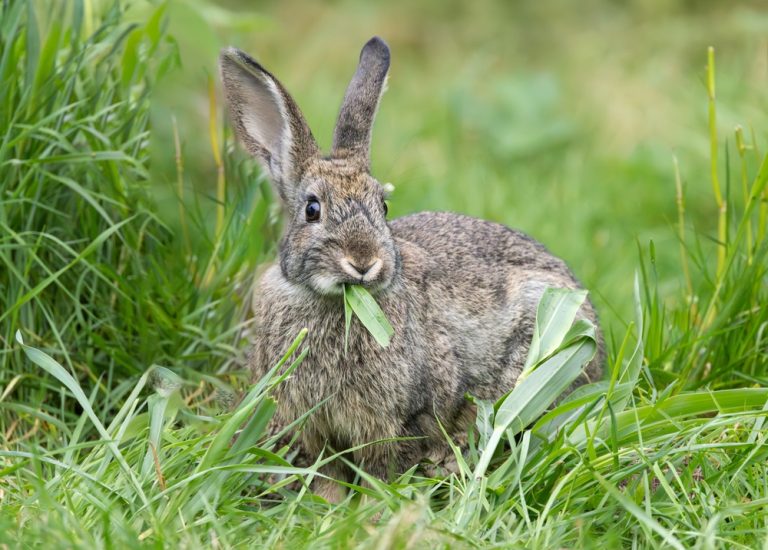
Fall offers a wonderful window for planting seedlings, but the garden buffet can look even more appealing to wildlife once summer food sources disappear. Young vegetables, herbs, flowers, and newly planted trees often present tender stems and leaves that rabbits, deer, squirrels, voles, and other hungry visitors can find remarkably convenient. Thankfully, protecting those plants…
What Is Causing Black Residue on Leaves Beneath Trees?
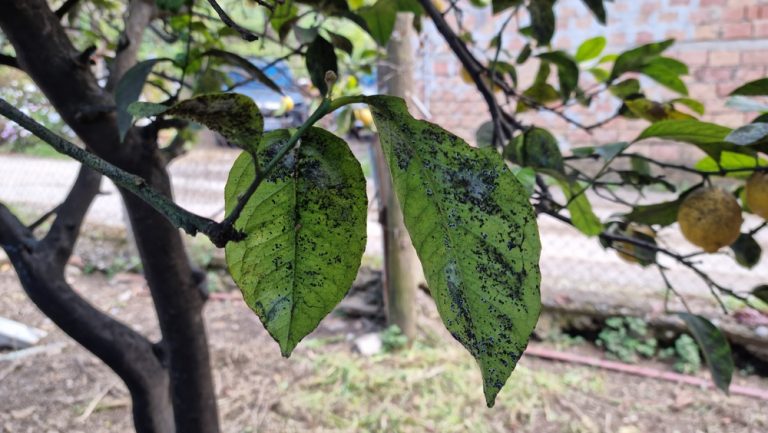
Black residue on leaves beneath a tree can look like someone dusted the garden with fireplace ash. The culprit often has a much more interesting story: sap-sucking insects feed high in the canopy, leave behind sticky honeydew, and sooty mold grows on that sugary mess as it falls onto lower leaves. Aphids and soft scale…
Snakes in the Garden Aren’t Always Bad — Here’s When You Should Be Concerned
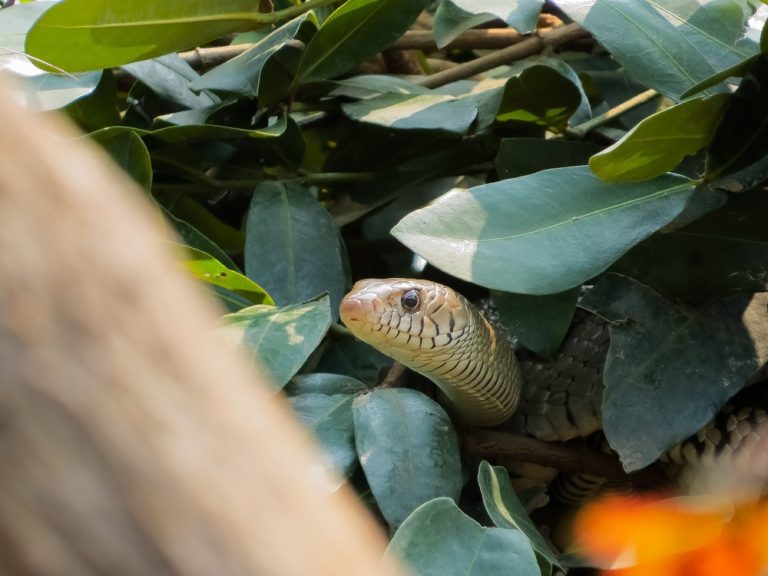
A snake sliding through the garden can turn a peaceful morning of tomato picking into a full-blown staring contest. But before grabbing a shovel or sprinting for the shed, take a breath: many snakes provide useful pest control by eating mice, voles, insects, frogs, and other small animals. In fact, some gardeners have a perfectly…
What Should You Do With Cornstalks Before They Turn Brittle?
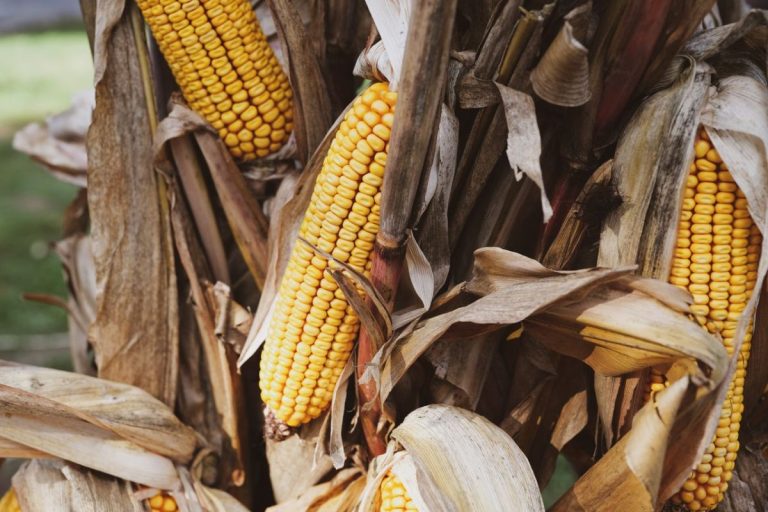
Cornstalks look impressive for about five minutes after the last ears come off. Then they start turning into a towering collection of dry leaves, tough stems, and garden debris that somehow seems determined to make cleanup harder. The smartest time to deal with corn plants comes before those stalks become completely dry and brittle, because…
Why Are Your Grapes Splitting Just as They Begin to Ripen?
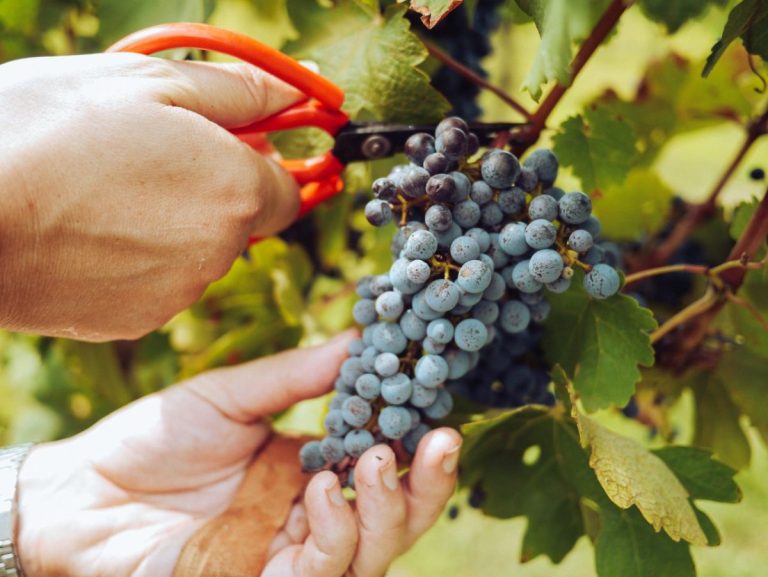
A grapevine can spend months producing a beautiful crop, only to turn into a tiny fruit-cracking factory right when those grapes start looking delicious. Grapes often split near ripening because the berries suddenly take on water faster than their skins can stretch, especially after a dry spell followed by heavy rain or deep watering. Splitting…
6 Ways to Keep Raccoons Away From Sweet Corn Without Traps
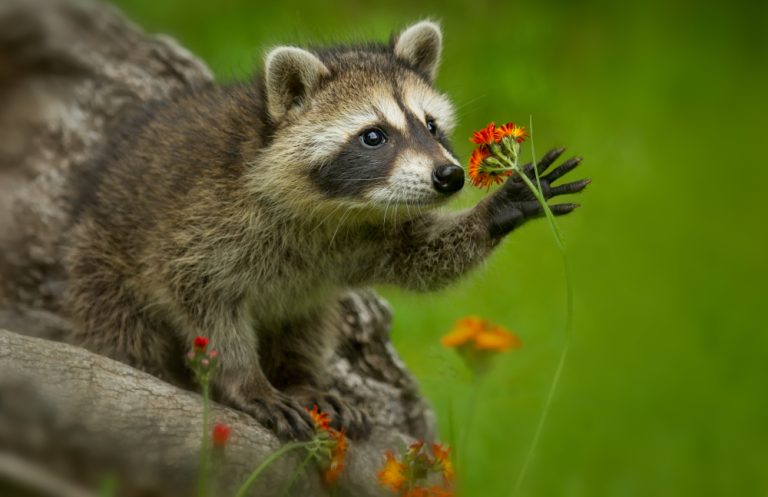
Sweet corn and raccoons have an unfortunate relationship: the corn ripens, the raccoons notice, and suddenly somebody has a midnight dinner reservation in the garden. Raccoons especially love corn, and their calling card often includes partially eaten ears, pulled-back husks, and broken stalks. A gardener does not need to turn the backyard into a raccoon…