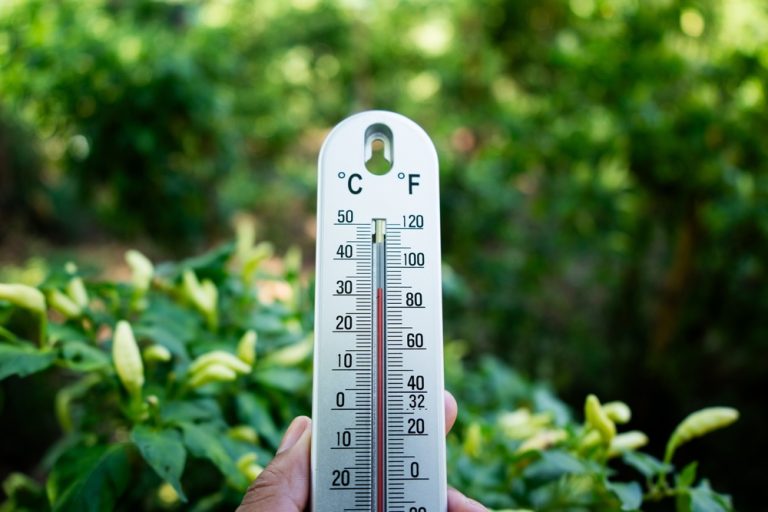
A heat wave can turn a productive garden into a collection of wilted leaves surprisingly fast, but cranking up the hose is not the only solution. A few changes to shade, soil, watering habits, and plant placement can reduce heat stress while helping every drop of water do more work. This involves protecting the moisture…
summer gardening
10 Garden Mistakes That Can Raise Your Water Bill During Late-Summer Heat

Late-summer heat can turn a garden hose into a surprisingly effective money vacuum. When temperatures climb, gardeners often respond by watering longer, watering more frequently, or simply watering everything because the soil looks dry on top. That can keep plants hydrated, but it can also send perfectly good water down the driveway, into the air,…
What to Know About Crops That May Recover After a Heat-Stress Slump
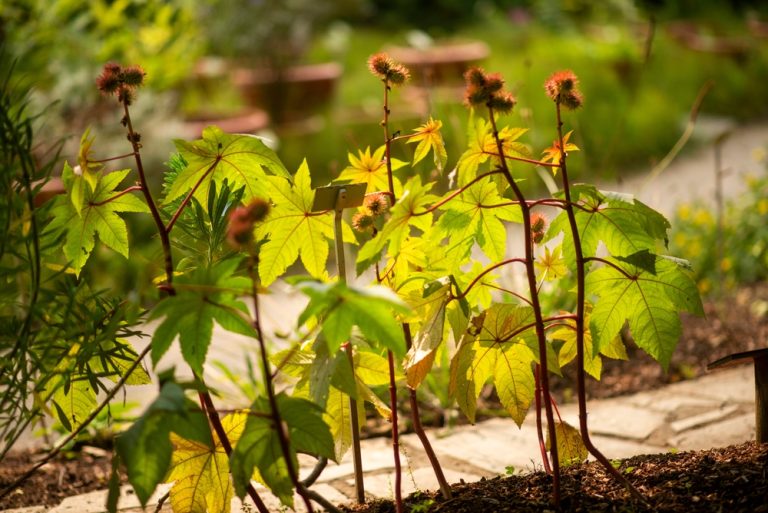
A heat wave can make a vegetable garden look like it has filed for early retirement. Leaves curl, blossoms disappear, fruit production slows, and perfectly healthy plants can suddenly look rather unimpressed with the whole gardening arrangement. The good news: heat stress does not automatically mean a crop has reached the end of its story….
How Much Water Does a Garden Need During Late-Summer Heat?
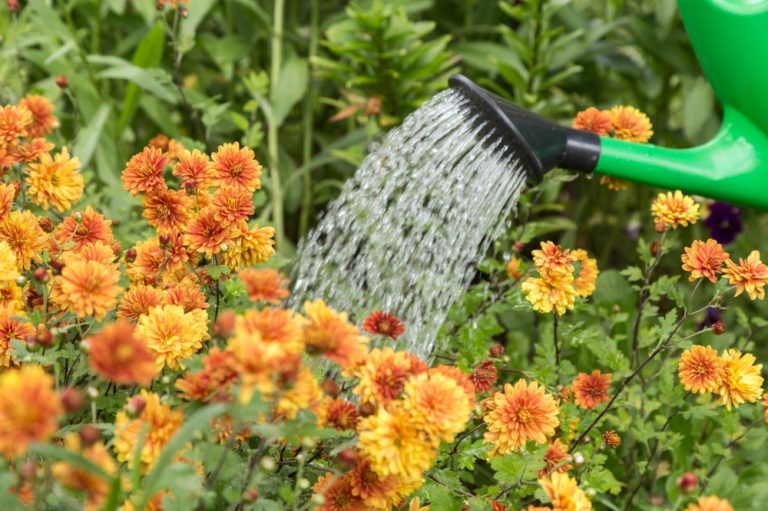
Late-summer heat can turn a perfectly reasonable garden into a collection of thirsty plants by lunchtime. The tricky part involves knowing how much water actually helps because a quick sprinkle across the soil can look productive while doing very little for the roots. During hot weather, most gardens need consistent moisture in the root zone,…
How to Shade a Vegetable Garden Without Buying Expensive Structures
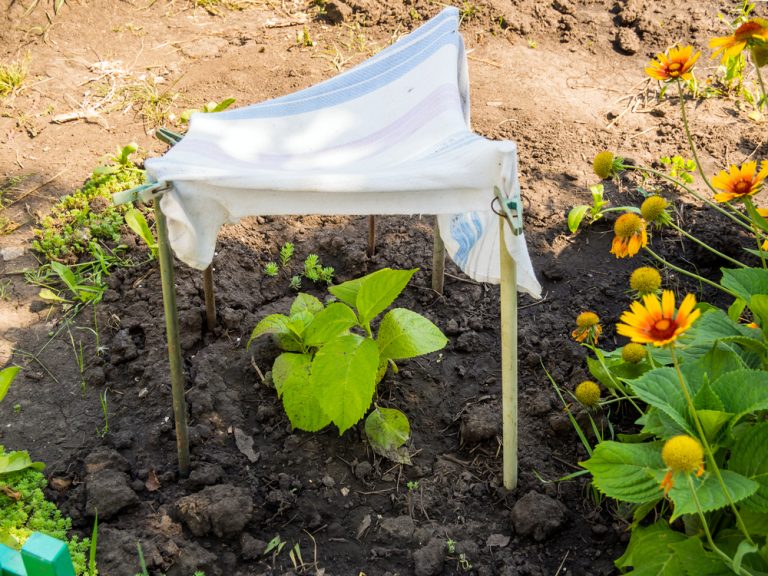
A vegetable garden does not need an elaborate pergola, pricey greenhouse kit, or backyard construction project to get a break from brutal summer sun. A few inexpensive materials, some strategic positioning, and a little garden ingenuity can create useful shade when heat starts stressing lettuce, spinach, young seedlings, and other vegetables that prefer cooler conditions….
What Should You Do When Okra Becomes Too Tall to Reach?
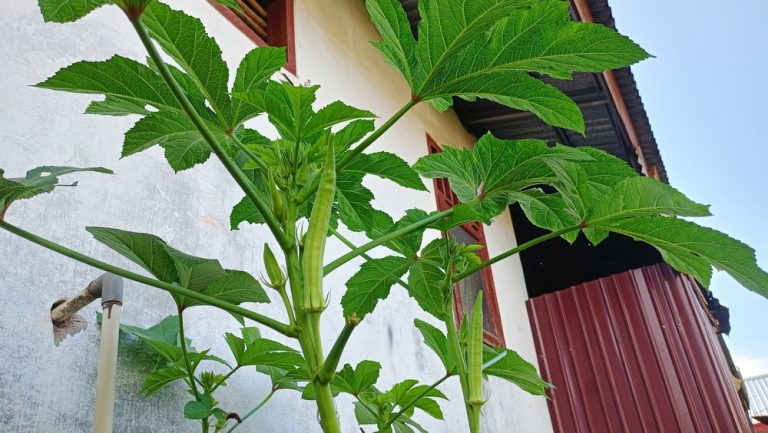
Okra can start as a modest little garden plant and then suddenly look like it has applied for a job as a flagpole. When the pods start hanging several feet above the ground, harvesting becomes awkward, missed pods turn tough, and that impressive height stops feeling quite so impressive. The good news: gardeners do not…
8 Ways to Help Young Fruit Trees Through Dry Late-Summer Weeks
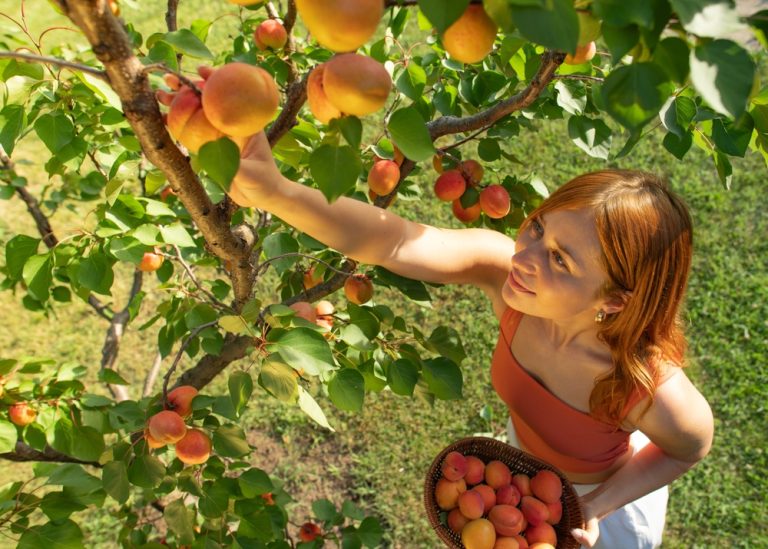
Late summer can turn a young fruit tree into a very thirsty little drama queen. While an established apple, pear, peach, or plum may have roots reaching into a larger volume of soil, a recently planted tree still works with a smaller root system, so several hot, rainless days can create serious stress before the…
Should You Remove Old Strawberry Leaves After Fruiting?
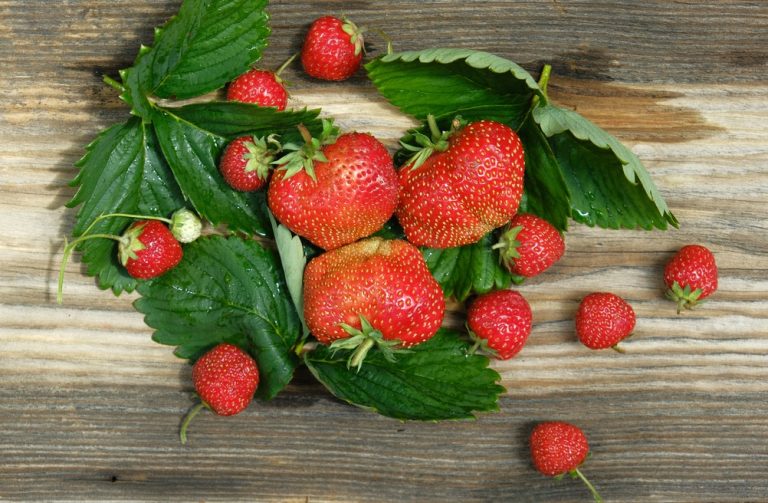
Strawberry plants can look a little rough after they finish producing berries, with tired-looking leaves, brown edges, and the general appearance of a plant that has clocked out for the season. That often leaves gardeners wondering whether those old leaves should go or whether the scissors should stay firmly in the shed. The answer depends…
Should You Thin Late-Sown Root Crops Differently in Warm Soil?
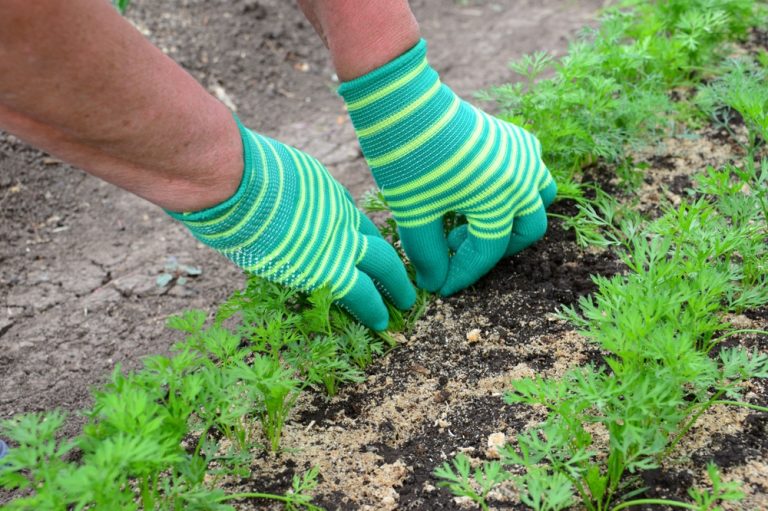
Late-sown root crops need a slightly different game plan when warm soil enters the picture. Carrots, beets, radishes, and turnips do not simply follow the same rules in July or August that they follow during the cool days of spring. Warm soil changes how quickly seeds wake up, how closely seedlings compete, and how much…
5 Ways to Use Shade From Mature Crops Before They Come Out
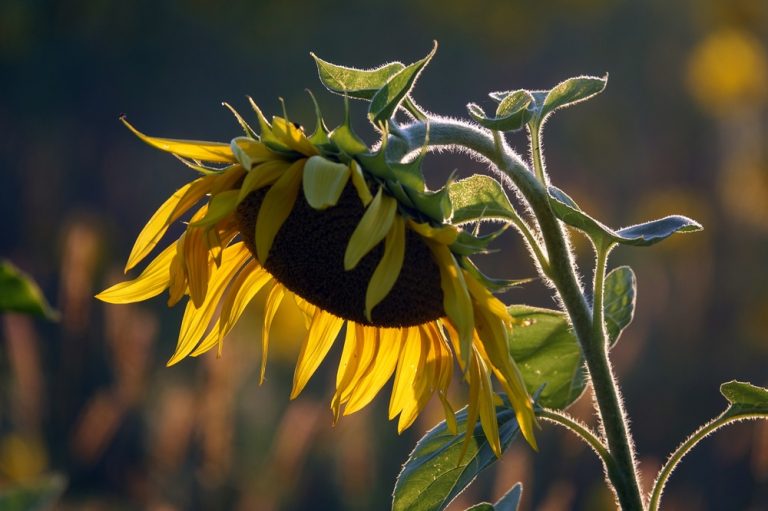
A garden does not stop being useful just because one crop approaches the finish line. Mature plants such as corn, tomatoes, sunflowers, and trellised vines can create valuable shade that helps younger plants handle intense summer conditions before those older crops leave the garden. That leafy canopy above the soil acts like a tiny backyard…