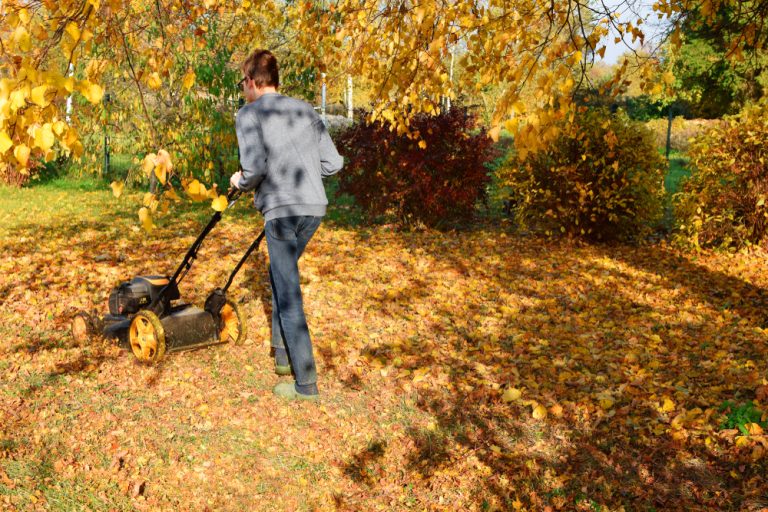
For years, the standard fall routine was simple: rake every leaf, stuff the pile into bags, and make the lawn look as though autumn never happened. Now gardeners are increasingly told to “leave the leaves,” which sounds wonderfully easy until a thick layer of wet maple leaves is plastered across the grass. The truth is…
lawn care
The Garden Center Wants You to Fertilize Before Winter — Your Plants May Not Need It
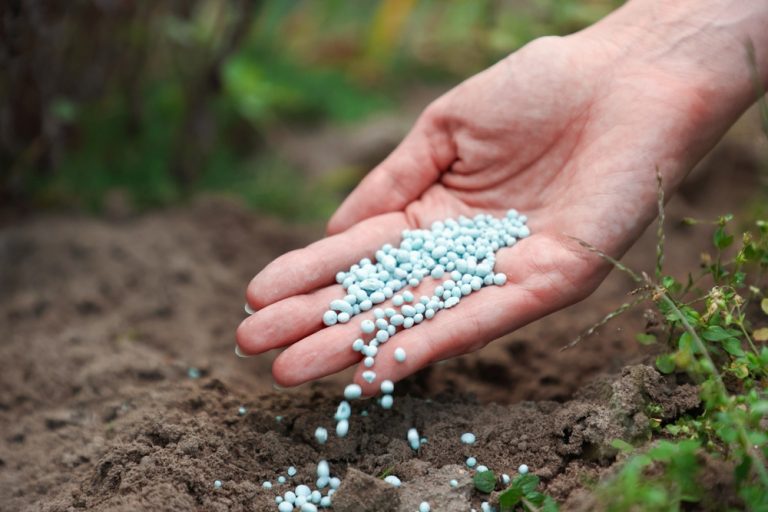
Walk into a garden center in autumn and it can feel like every plant has suddenly developed a nutritional emergency. Bags of fertilizer promise stronger roots, better winter performance, and a more impressive garden next spring, making that end-of-season purchase seem like an easy decision. Many established plants do not need a late-season feeding, and…
Your Garden Hose Could Be Quietly Adding to Your Water Bill
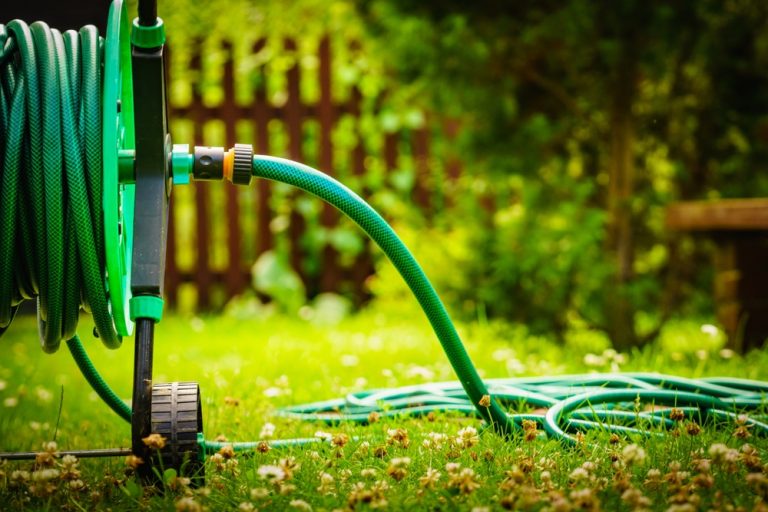
A garden hose can look perfectly innocent while quietly sending money down the drain. A worn washer, loose connection, damaged fitting, or hose left running longer than necessary can turn an ordinary watering session into an easy-to-miss source of water waste. The sneaky part comes from where many hose leaks happen: right at the spigot….
Should You Fertilize Before Winter? Some Plants Are Better Left Alone
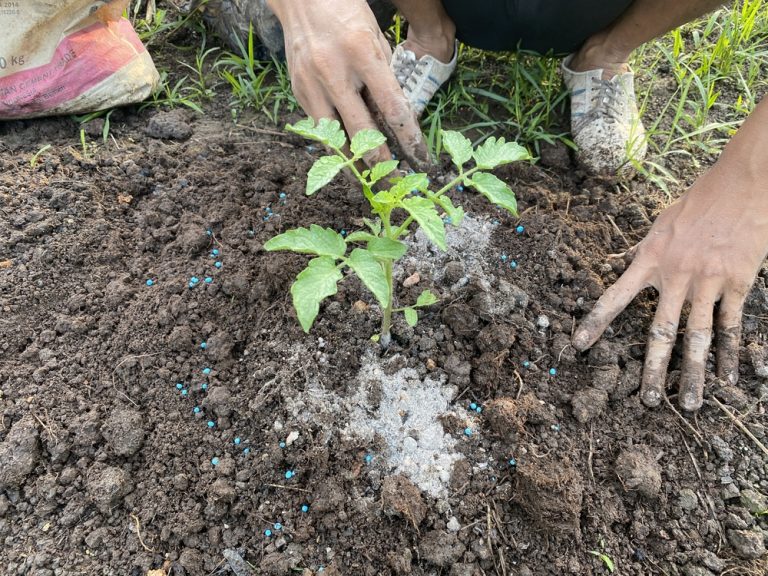
Fall creates a tempting gardening problem: the plants look tired, the weather cools down, and the fertilizer bag starts whispering, “One more feeding.” But fertilizing before winter does not automatically help plants survive the cold, and for some plants, late-season fertilizer can encourage exactly the kind of growth you do not want. It all comes…
10 Garden Mistakes That Can Raise Your Water Bill During Late-Summer Heat

Late-summer heat can turn a garden hose into a surprisingly effective money vacuum. When temperatures climb, gardeners often respond by watering longer, watering more frequently, or simply watering everything because the soil looks dry on top. That can keep plants hydrated, but it can also send perfectly good water down the driveway, into the air,…
6 End-of-Summer Weeds You May Want to Identify Before Pulling
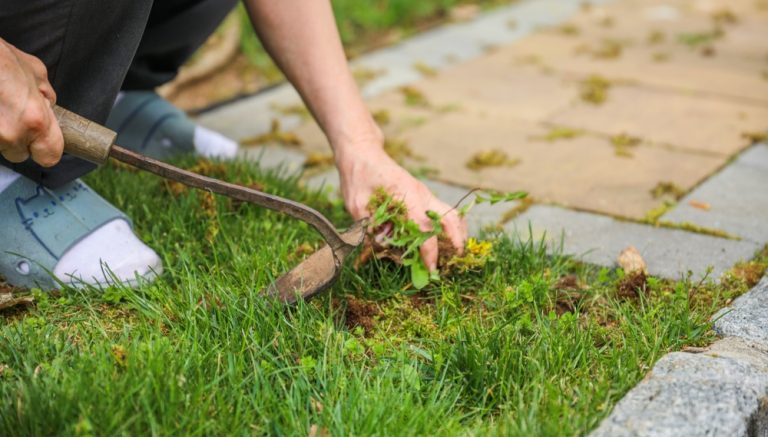
Late summer can reveal the plants that spent June and July quietly plotting a takeover. Before grabbing the garden gloves and yanking every unfamiliar green thing from the soil, take a closer look, because some weeds deserve a proper identification first. A few may irritate allergies, some can produce an astonishing number of seeds, and…
A Lawn Dispute With an HOA Ended With 7 Days in Jail: Here’s How It Got That Far

Brown grass usually calls for a sprinkler, a hose, or perhaps a resigned shrug at the weather. For Irena Green, a homeowner in Riverview, Florida, brown grass became the opening chapter of an HOA dispute that eventually led to a court order, an arrest warrant, and seven days in the Hillsborough County Jail. The important…
6 Ways to Protect Young Trees From String-Trimmer Damage
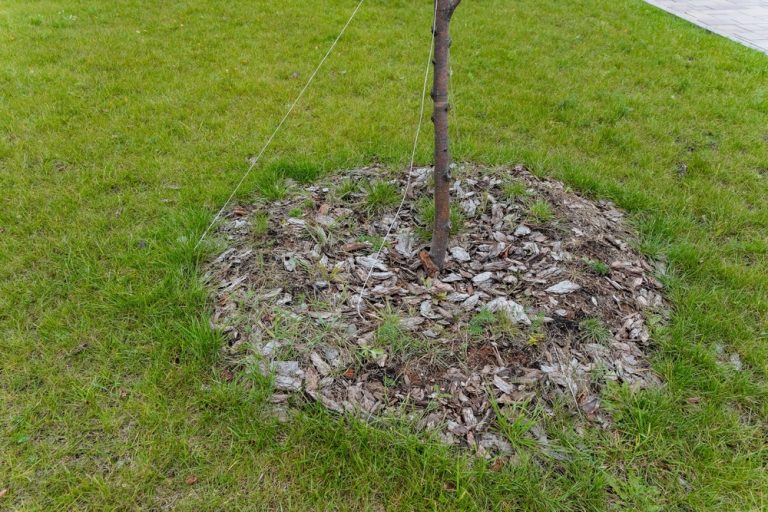
A string trimmer can turn a tidy lawn into a masterpiece, but that same spinning line can deliver a surprisingly nasty wallop to a young tree. One careless pass around a thin trunk can strip bark, expose living tissue, and create an injury that may cause problems long after the grass has grown back. Protecting…
6 Garden Tasks That Are Safer to Skip During Peak Afternoon Heat

The afternoon sun can turn a peaceful garden session into a sweaty battle against heat, fatigue, and a wilting collection of unhappy plants. Some garden chores simply work better in the cooler morning or evening hours, especially when temperatures climb and the soil feels like a baked clay pot. Smart gardeners know that timing matters…
Are Smart Irrigation Timers Worth It for a Tiny Yard?
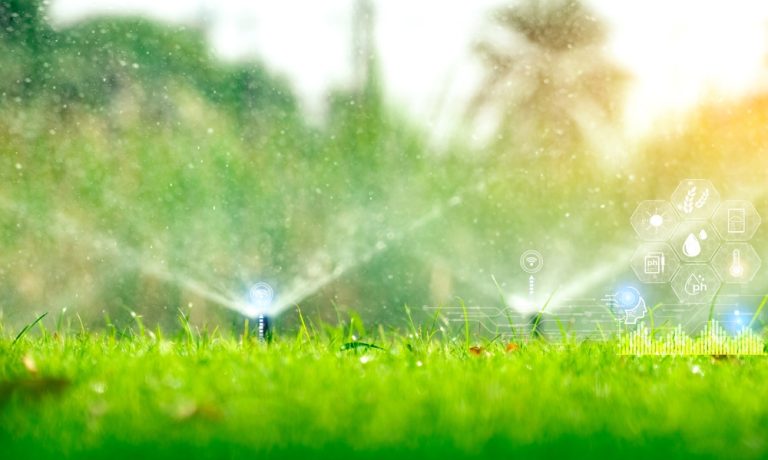
A smart irrigation timer can turn a tiny yard from a daily watering chore into a low-maintenance garden space that practically takes care of itself. For homeowners with a small patch of grass, a few flower beds, or a container garden collection that has slowly taken over the patio, the question comes down to one…