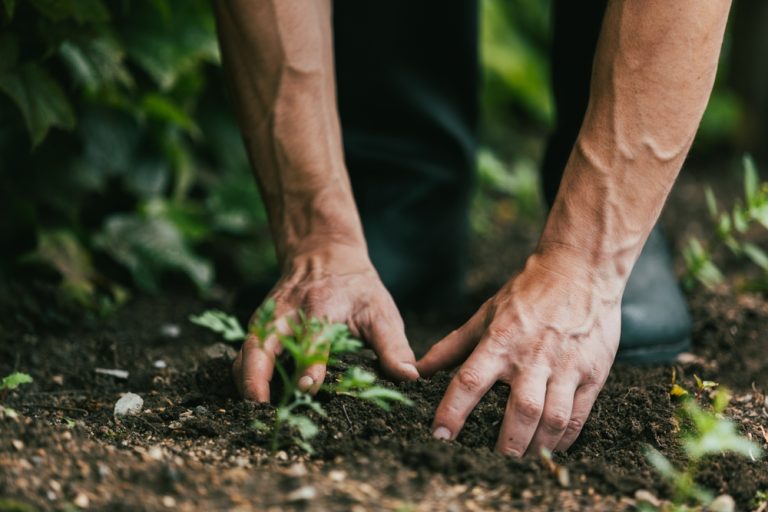
A quick sprinkle may make the soil look wet, but appearances fool plenty of gardeners. Plants need moisture well below the surface, where most of their roots search for water, nutrients, and stability. Deep watering encourages stronger root systems that handle hot afternoons and dry spells far better than plants that rely on frequent shallow…
soil moisture
Water-Smart Gardening Is Essential: Capture Rainwater, Compost to Retain Moisture and Water at Dawn or Dusk
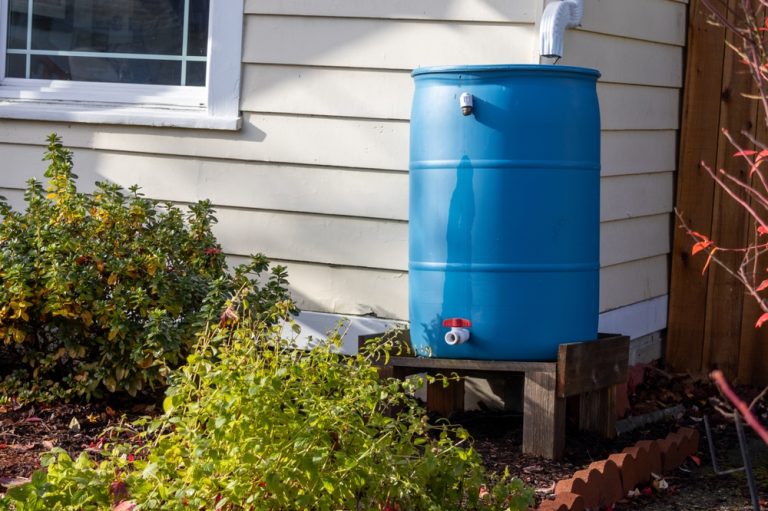
A beautiful garden does not have to come with a shocking water bill or hours spent dragging hoses across the yard. A few smart habits can stretch every drop of water while helping flowers, vegetables, herbs, and shrubs stay healthy through hot weather. The secret does not involve fancy gadgets or expensive equipment. It starts…
The Gardening Mistake That Causes Raised Beds to Dry Out Faster
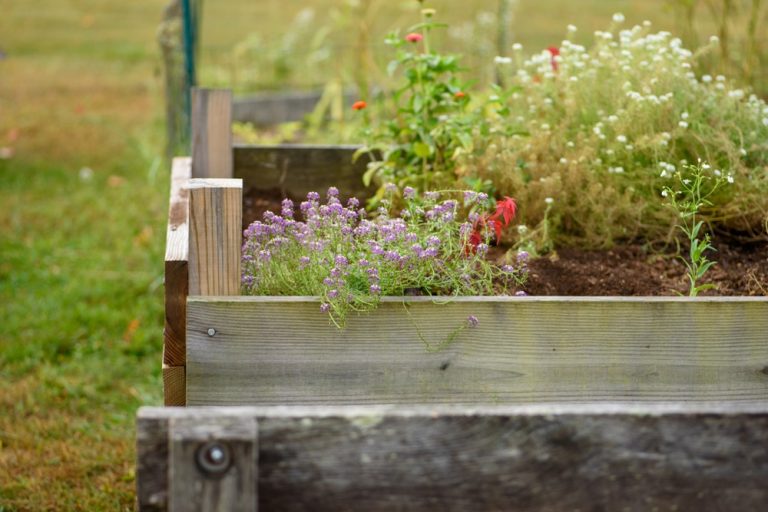
Raised beds often promise lush vegetables, faster growth, and easier maintenance. However, one overlooked habit can completely flip that expectation and leave gardeners constantly chasing dry soil instead of enjoying thriving plants. The frustrating part is that this issue does not usually come from neglect or poor watering habits. Instead, it comes from a simple…
Why Watering Consistency Matters More Than Volume
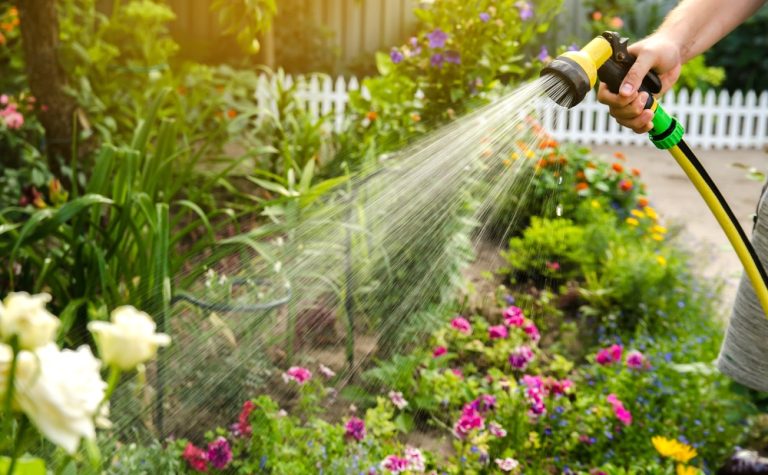
Gardens rarely fail because they lack water. They struggle because water arrives in unpredictable bursts that confuse roots and disrupt growth patterns. Plants respond to rhythm, not occasional generosity, and that rhythm shapes everything from root strength to leaf color. A well-timed light watering often delivers better results than a heavy soak followed by days…
Why Mulch Is Essential for Retaining Soil Moisture
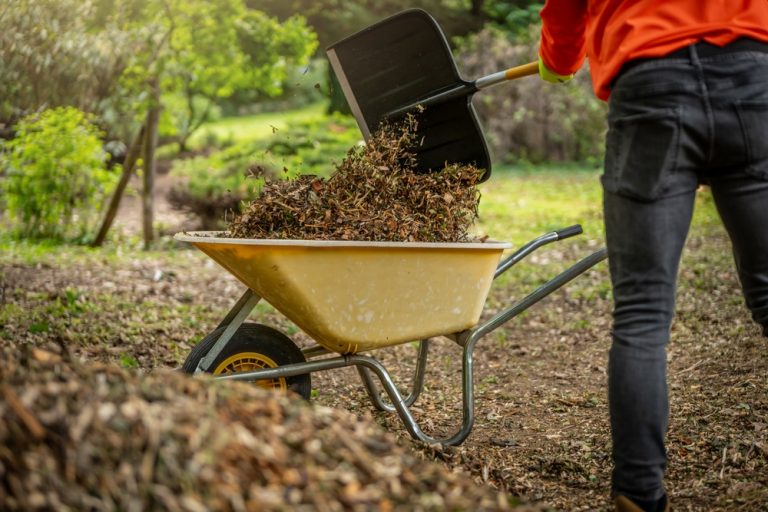
Summer heat can turn a thriving garden into a crispy disaster faster than a forgotten burger on a backyard grill. One blazing afternoon without protection often leaves flower beds dry, vegetables droopy, and soil cracked like an old country road. Gardeners across America spend billions of gallons of water every year trying to fight that…
Why Leaves Droop Even When Soil Feels Moist
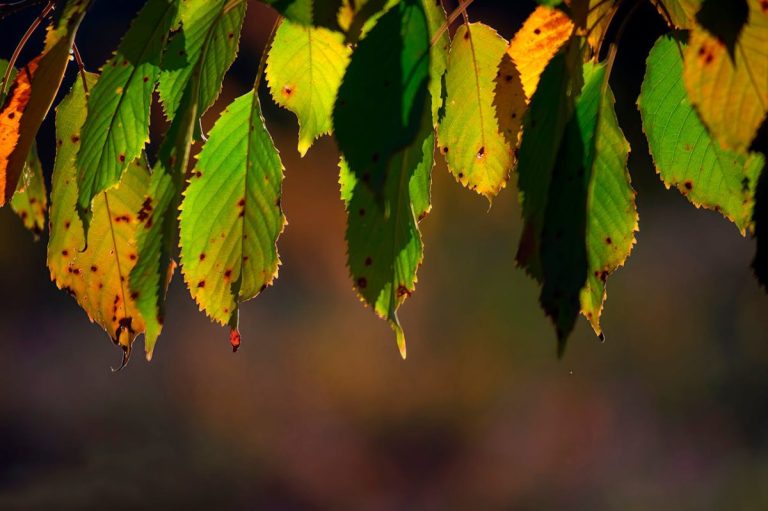
Leaves often droop even when the soil feels damp, and that confusion sends many gardeners into a watering spiral. Plants rely on more than just surface moisture, so the roots may struggle even when the topsoil feels perfectly fine. Moist soil can still hide oxygen shortages, compacted layers, or uneven hydration patterns below the surface….
The Watering Myth: Why More Moisture Can Hurt Root Development
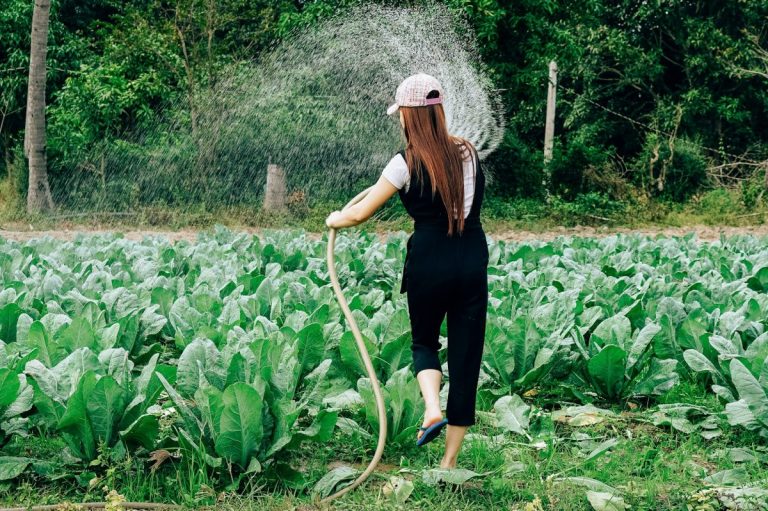
A lush, green garden often looks like it thrives on constant hydration, but that picture hides a costly mistake. Many gardeners treat watering like a generosity contest, pouring on extra moisture in hopes of faster growth and bigger blooms. That instinct feels right, but it quietly sabotages root systems beneath the surface. Plants don’t just…
How to Make a Simple Soil Moisture Meter at Home
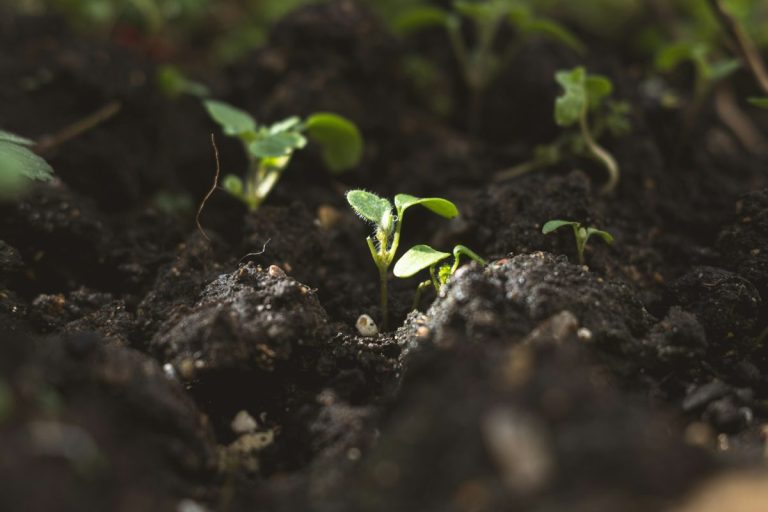
A plant never whispers when it needs water. It wilts, it droops, it gives up—often long before anyone notices. That silent struggle makes watering feel like a guessing game, and guessing rarely ends well. Overwatering drowns roots, underwatering dries them out, and both can turn a healthy plant into a sad, lifeless decoration faster than…
What Curling Leaves Often Signal in Spring
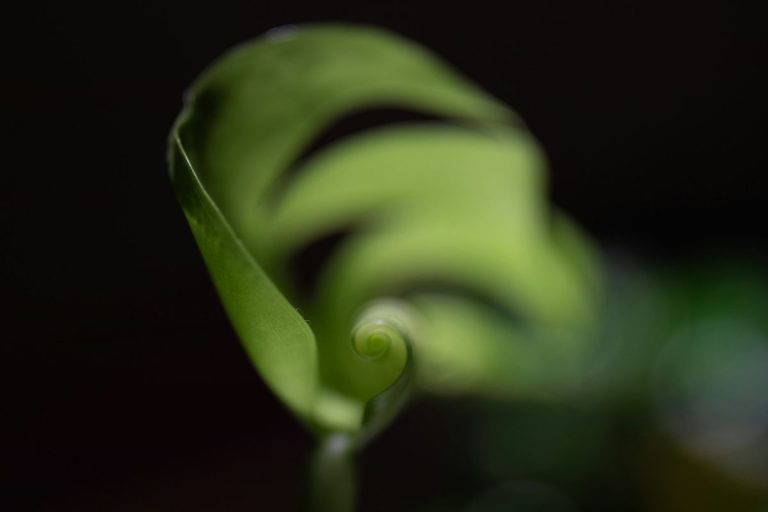
Spring arrives with a burst of life, but it also comes with a puzzle: those curling leaves on plants that make them look like they’re auditioning for a sculpture contest. While the shapes can seem whimsical, they carry important clues about what’s happening in soil, sunlight, and water. Ignoring them might lead to subtle stress…
Why Some Gardens Attract More Termites
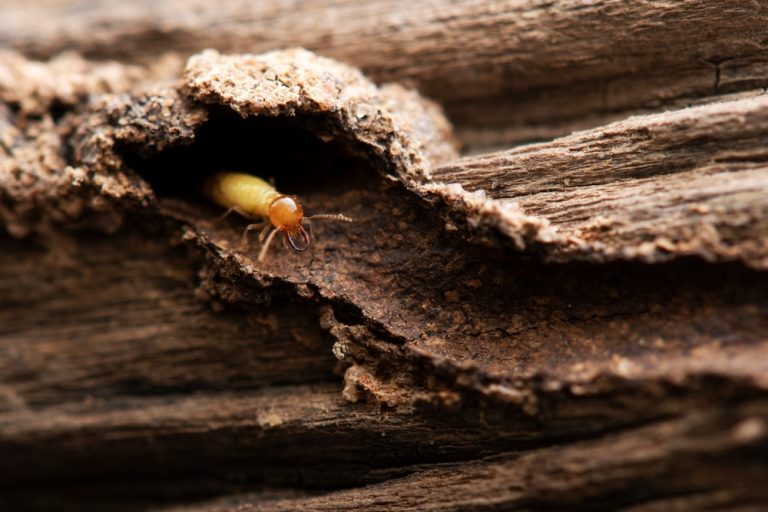
Termites never wander randomly into a yard. They follow food, moisture, and shelter with the focus of a tiny demolition crew that knows exactly where dinner waits. Some gardens practically roll out the red carpet for them, while others stay strangely termite-free even when located in the same neighborhood. The difference rarely comes down to…