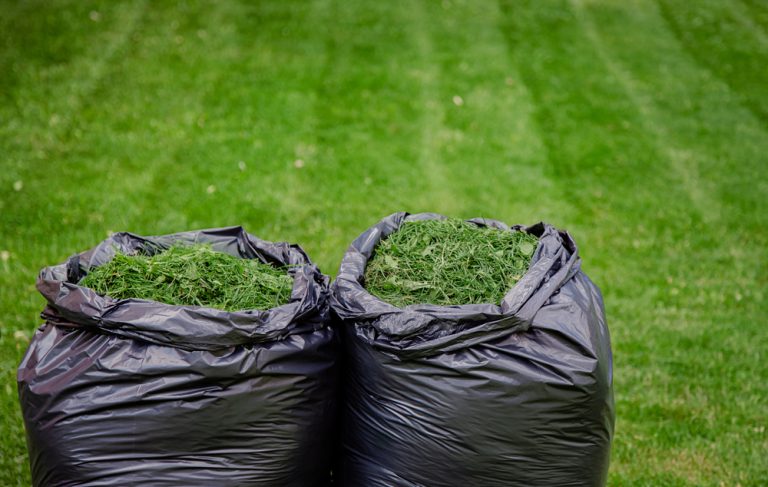
Fresh grass clippings look like free garden gold. They hold moisture, break down quickly, and seem like the perfect mulch for tomatoes, peppers, beans, and squash. That bargain can turn into an expensive mistake when those clippings contain herbicide residue. Many gardeners discover the problem only after vegetables twist, curl, stop growing, or produce strange-looking…
herbicides
Misusing New Weed Killers Can Warp Your Shrubs—Triclopyr Stays in Soil for Months
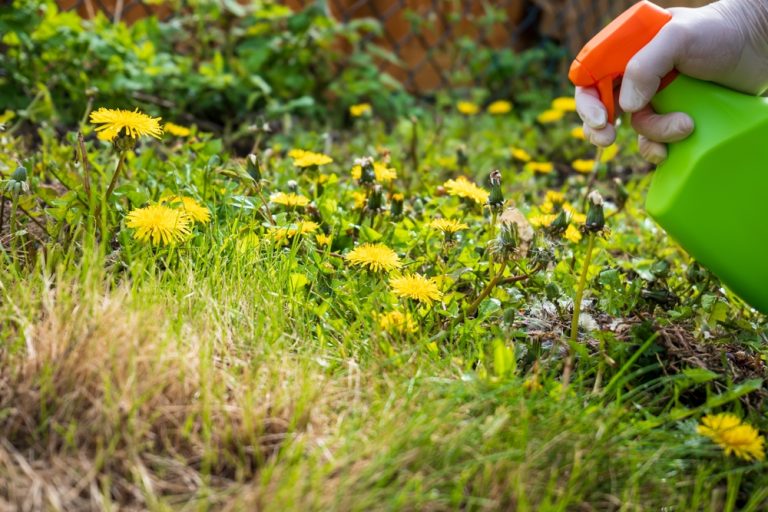
A weed killer can solve one garden headache while quietly creating another. Products containing triclopyr can damage shrubs when gardeners apply too much, spray too close, or ignore how long this herbicide can remain active in soil. Many gardeners reach for stronger weed control when vines, brush, and stubborn broadleaf weeds start taking over the…
Roundup Isn’t Glyphosate Anymore: New Formulas Can Leave Residue and Kill Nearby Plants
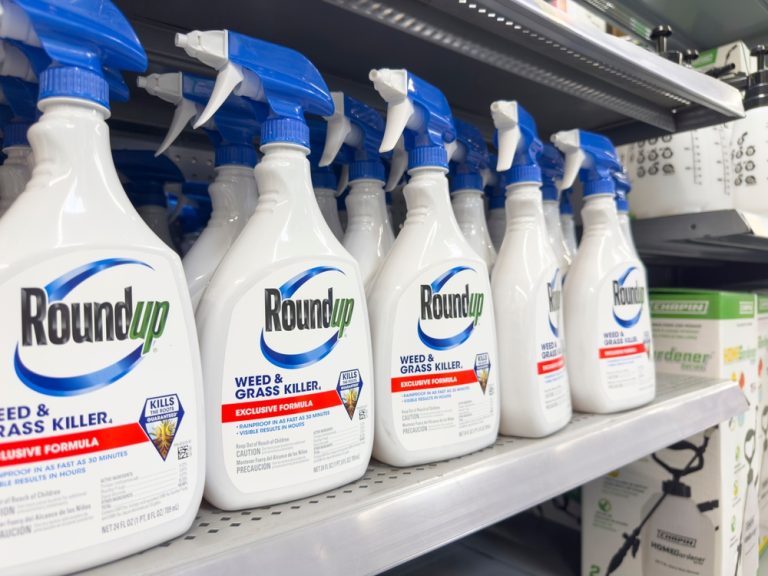
Walk through any garden center and the familiar Roundup label still jumps off the shelf, but what sits inside those bottles does not always match the old expectations. Many gardeners still assume Roundup equals glyphosate and nothing else, yet today’s product lineup includes a mix of active ingredients depending on the version. Some formulas act…
Extension Offices Are Sounding the Alarm on This Popular Compost Ingredient
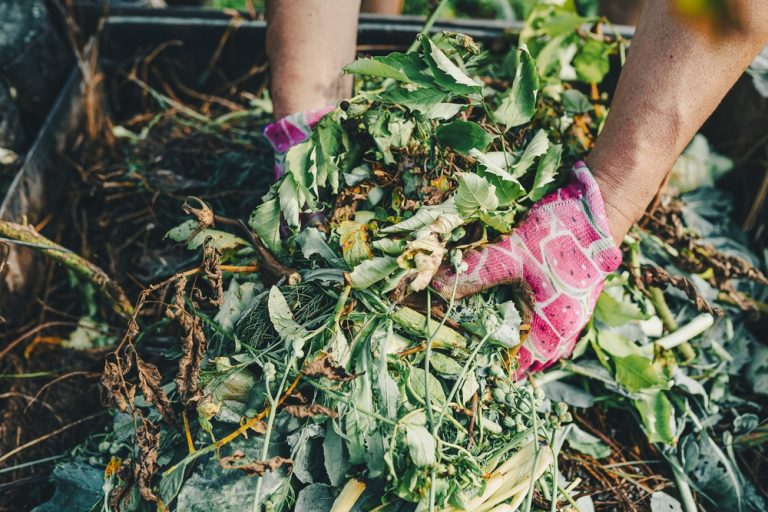
Sirens aren’t blaring, but county extension offices are definitely waving their arms. Gardeners who proudly pile up kitchen scraps and yard waste are being urged to pause before tossing in one especially common material. What looks like harmless green gold can actually cause stunted plants, twisted leaves, and a season’s worth of frustration. The surprise…