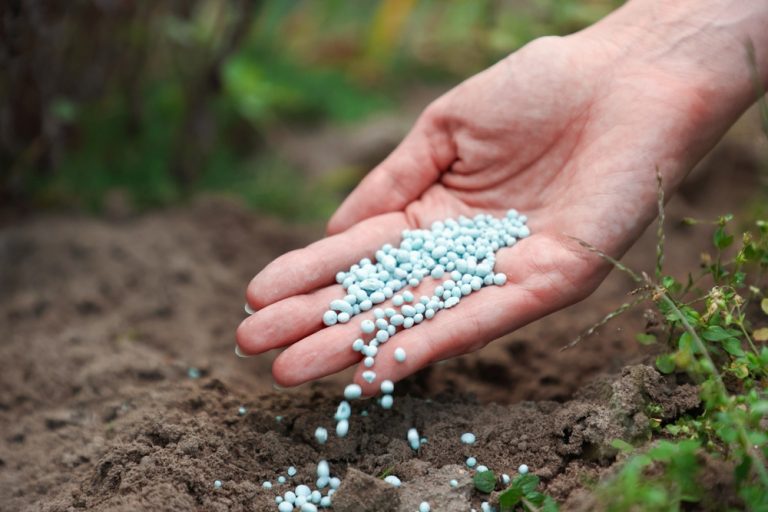
Walk into a garden center in autumn and it can feel like every plant has suddenly developed a nutritional emergency. Bags of fertilizer promise stronger roots, better winter performance, and a more impressive garden next spring, making that end-of-season purchase seem like an easy decision. Many established plants do not need a late-season feeding, and…
soil health
Those Dead Summer Plants May Still Have Value Before They Reach the Trash

A brown tomato plant, crispy basil, or collapsed annual flower can look like garden garbage, but the end of a plant’s season does not necessarily mean the end of its usefulness. Before those tired stems land in a trash bag, gardeners can often turn them into compost, save their seeds, create habitat, or return valuable…
How to Prepare Raised Beds for Fall on a Small Budget
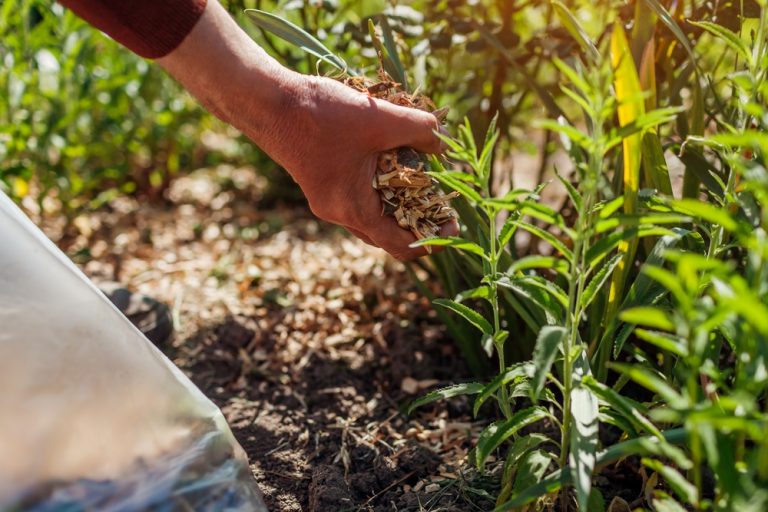
A raised bed does not need a glamorous autumn makeover. In fact, the most useful fall preparation often involves things already sitting around the yard, a few inexpensive materials, and resisting the urge to buy every shiny garden product within arm’s reach. Fall prep matters because what happens in the bed after summer can affect…
6 Ways to Cut Water Use Without Starving Your Garden
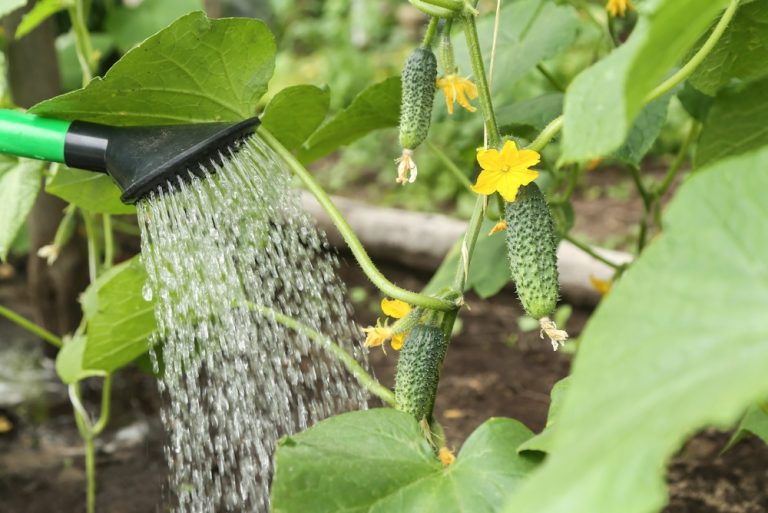
A garden can drink a surprising amount of water, but that does not mean every thirsty-looking plant needs another drink. Often, the bigger problem comes from water landing in the wrong place, evaporating too quickly, or running away before roots get a useful sip. A few smarter habits can reduce water use while keeping vegetables,…
Best Cover Crops for Small Gardens After Summer Harvest
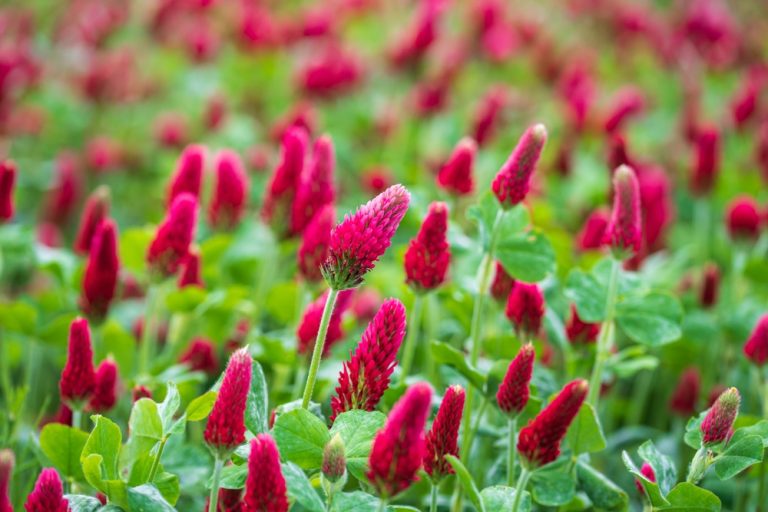
A harvested garden bed can look strangely unfinished. The tomatoes have packed their bags, the beans have disappeared, and suddenly there is a whole patch of perfectly good soil sitting around with nothing to do. That empty space offers a great opportunity to plant a cover crop, even when the garden consists of a few…
6 Soil Tests Worth Doing Before You Buy Fall Fertilizer
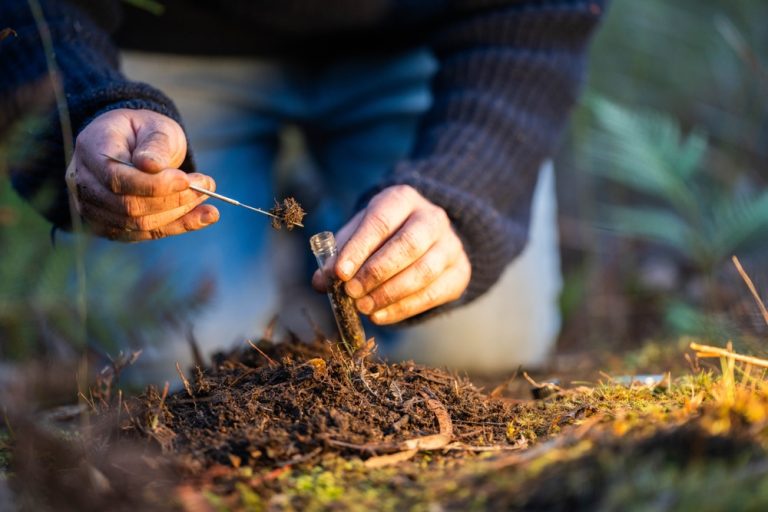
Fall fertilizer season can turn a garden center into a strange little game of nutritional roulette. Bags promise greener lawns, stronger roots, bigger blooms and all sorts of botanical miracles, but none of those promises tell you what your particular soil actually needs. A soil test can give you that missing piece of information before…
Should You Compost Diseased Plants? The Answer Depends on How Hot Your Pile Gets
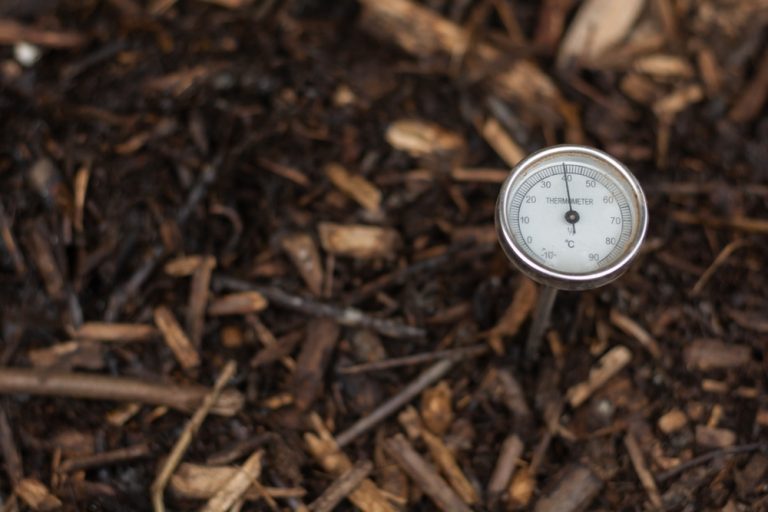
Composting diseased plants sounds wonderfully efficient: the tomato plant gets sick, the garden removes it, and the compost pile turns the whole mess into something useful. Unfortunately, the compost pile does not automatically know which microbes are helpful and which ones came along for the ride. If the pile never reaches adequate temperatures throughout the…
Where Can Gardeners Find Free Mulch in Late Summer?
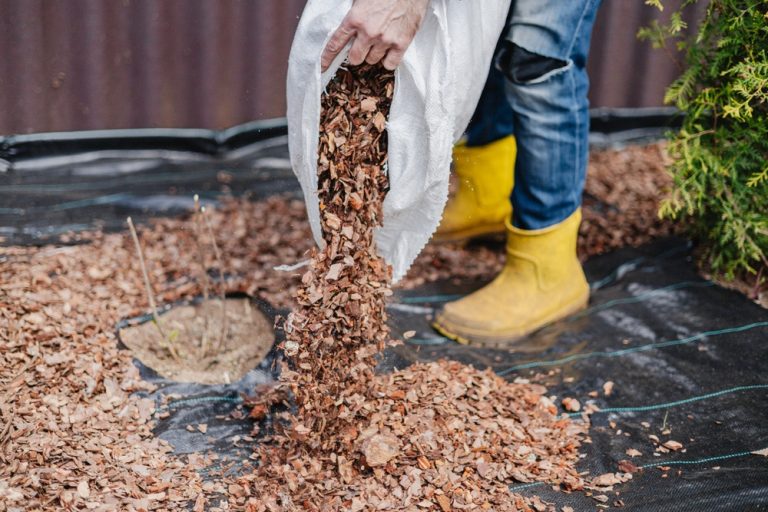
Late summer can make a garden look a little parched around the edges, and fresh mulch can help without making the garden budget groan. Fortunately, gardeners do not always need to visit a garden center and pay for a stack of neatly bagged material. Tree crews, municipalities, neighbors, compost sites, and even the lawn mower…
What Is Causing Mushrooms to Appear Around Raised Beds?
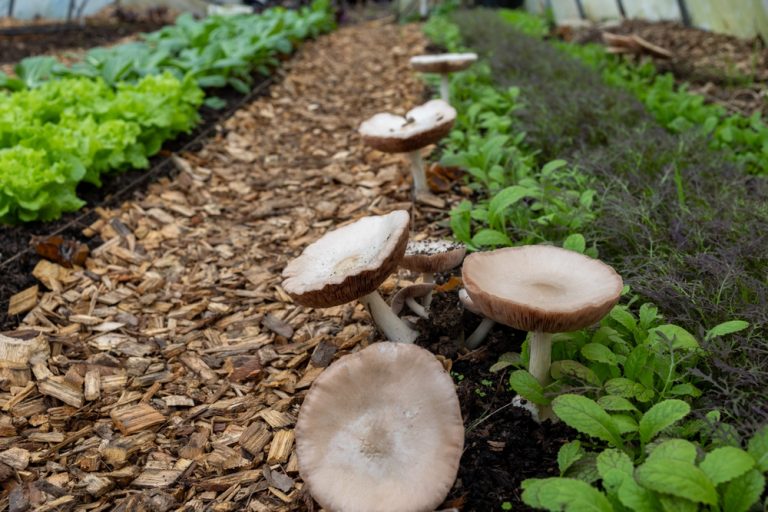
Mushrooms appearing around raised beds can look like tiny garden intruders, especially when a neat vegetable patch suddenly develops a crop of little caps overnight. In most cases, though, those mushrooms point to something much less alarming: moist conditions and fungi breaking down organic material in the soil or mulch. The mushroom itself represents only…
Can You Move a Raised Bed Without Replacing All the Soil?
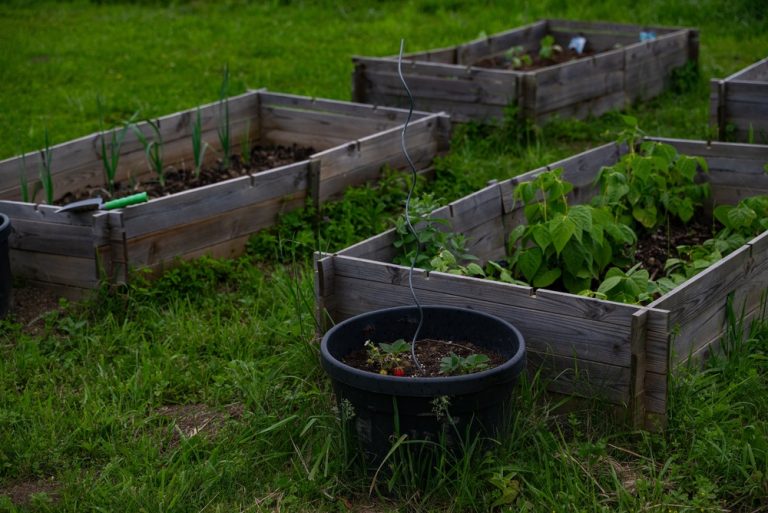
Good news, gardeners: a raised bed can move without sending all that beautiful, expensive soil to the compost pile. The trick involves treating the soil like a living garden resource rather than a box of dirt that happens to sit above ground. Moving the frame usually creates less trouble than moving what fills it. Soil…