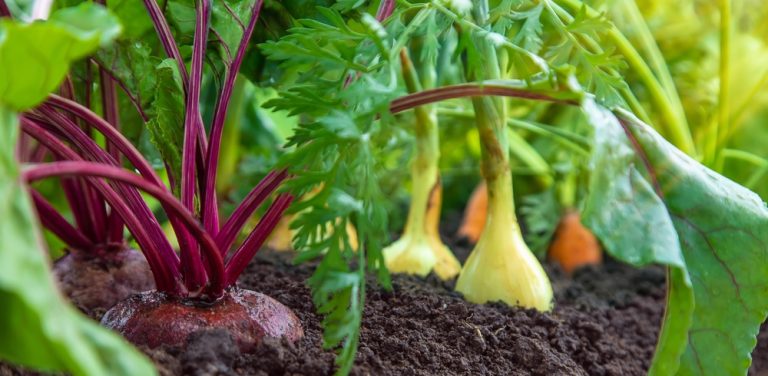
Summer vegetables can make a garden feel like a produce factory with a very short attention span. One week, tomatoes, cucumbers, beans and zucchini seem determined to bury the kitchen counter, and then suddenly the plants slow down, look exhausted and start offering little more than yellow leaves and one lonely cucumber hiding under the…
garden tips
10 Plants You Should Divide in Fall Instead of Buying New Ones Next Year
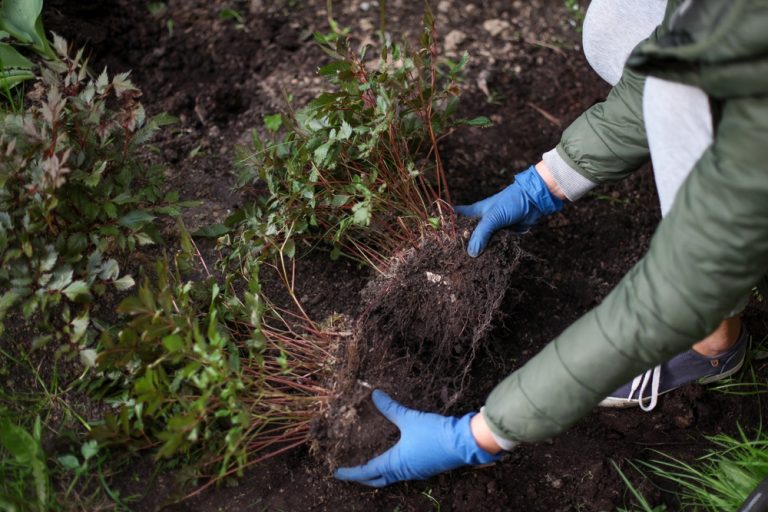
Fall has a sneaky little gardening superpower: it can turn one established perennial into several new plants without sending a single dollar to the garden center. Dividing certain perennials now gives each section room to develop roots before winter, while also giving crowded plants a much-needed reset. The trick involves knowing which plants actually enjoy…
11 Vegetables That Can Keep Your Garden Producing Into Winter
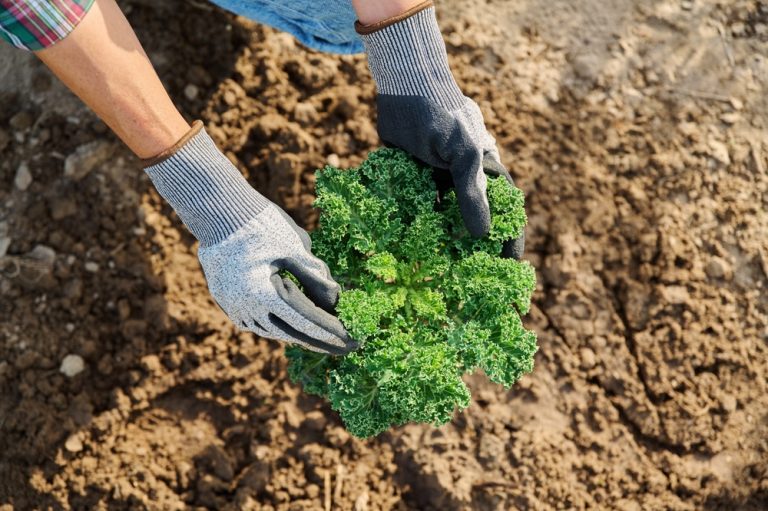
Summer gets all the attention in the vegetable garden, but the cooler months actually have a pretty impressive lineup of their own. With the right crops, a garden can keep supplying fresh vegetables well after tomatoes, cucumbers, and peppers have packed up for the season. It’s all about choosing vegetables that handle cold weather rather…
You May Be Throwing Away Garden Supplies That Could Last Another Year
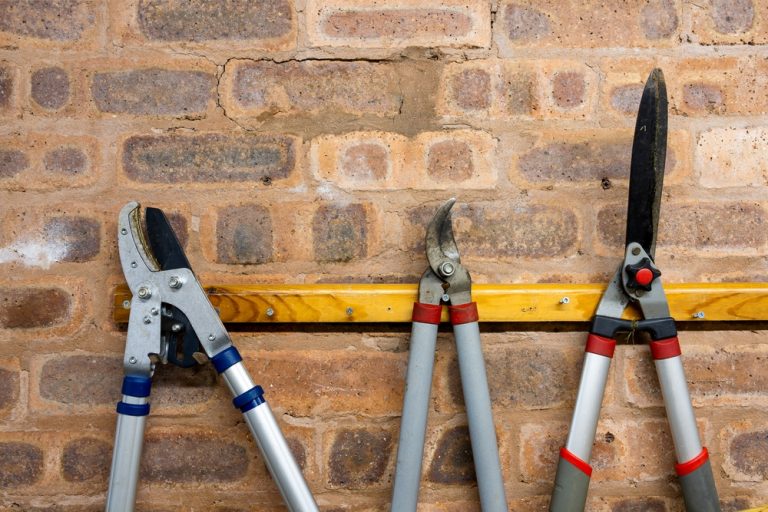
Garden season can trick you into thinking perfectly good supplies are objects that look ready for retirement. A muddy hand trowel, a slightly rusty pair of pruners, a half-full bag of potting mix, or a stack of dirty nursery pots can seem destined for the garbage, especially when the garden starts winding down. But “looks…
9 Things Gardeners Should Never Throw Away at the End of Summer
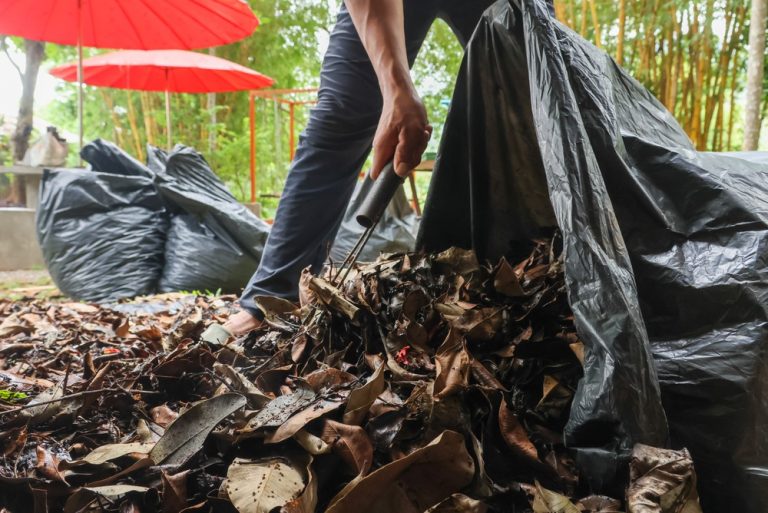
The end of summer can make a garden look like it has nothing left to offer. Spent plants, half-used seed packets, empty nursery pots, piles of leaves, and crooked tomato stakes can quickly resemble a collection of gardening junk, but much of that “junk” still has a job to do. A little sorting can save…
10 Garden Expenses That Aren’t Worth Paying for in September
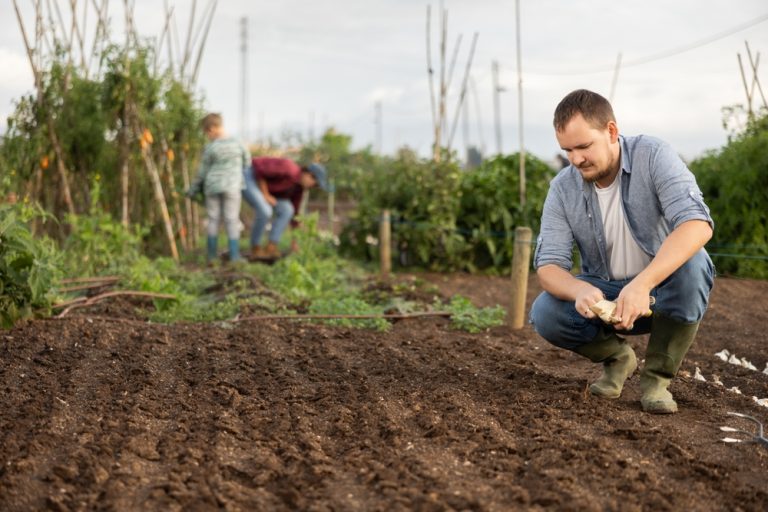
September can make gardeners spend their money on things the garden never asked for. Garden centers fill up with colorful plants, bags of mysterious amendments, shiny tools, and products promising to solve problems that might disappear on their own once cooler weather settles in. But September also gives gardeners a chance to save. A little…
9 Things Gardeners Should Never Throw Away at the End of Summer
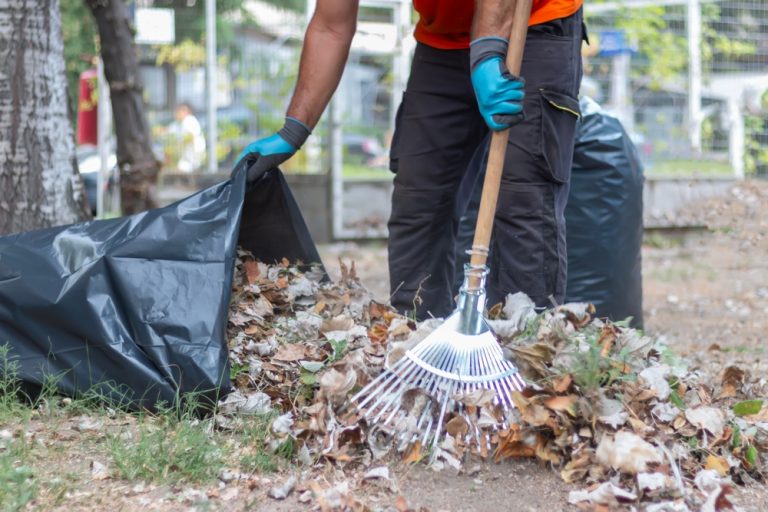
The end of summer can turn a productive garden into a surprisingly useful pile of leftovers. Those dried seed heads, fallen leaves, spent plants, and half-empty bags of garden materials may look like cleanup chores, but many can give next season’s garden a head start. The trick involves knowing what deserves a second act and…
Don’t Rip Out Your Summer Garden Yet: 8 Plants That May Keep Producing Into Fall
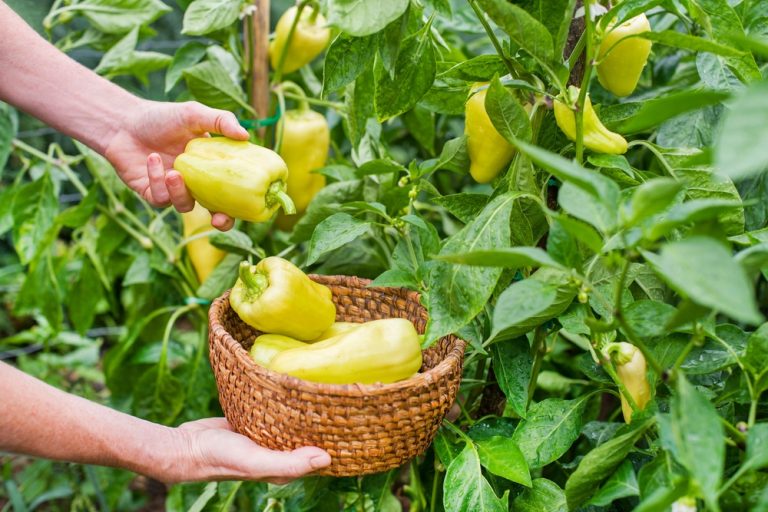
Summer may be packing its bags, but the garden does not always get the memo. Tomatoes can keep setting fruit, peppers can continue coloring up, and a well-established bean plant may still have plenty of pods hiding beneath its leaves when cooler mornings arrive. That makes late August and early fall a terrible time for…
6 August Garden Jobs That Make September Easier
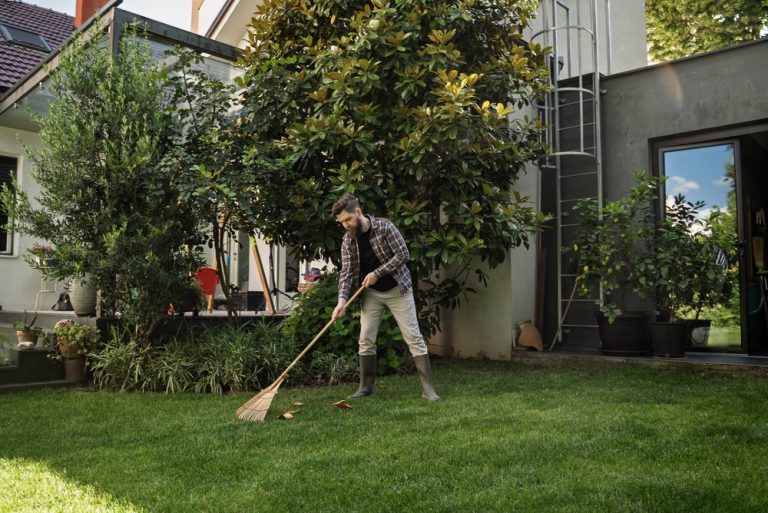
August has a sneaky way of turning the garden into a to-do list with leaves. One minute the beds look wonderfully productive, and the next, spent flowers, sprawling vines, ripe vegetables, weeds, and thirsty containers seem to demand attention all at once. A few well-timed jobs in August can prevent that September pileup and make…
6 End-of-Summer Weeds You May Want to Identify Before Pulling
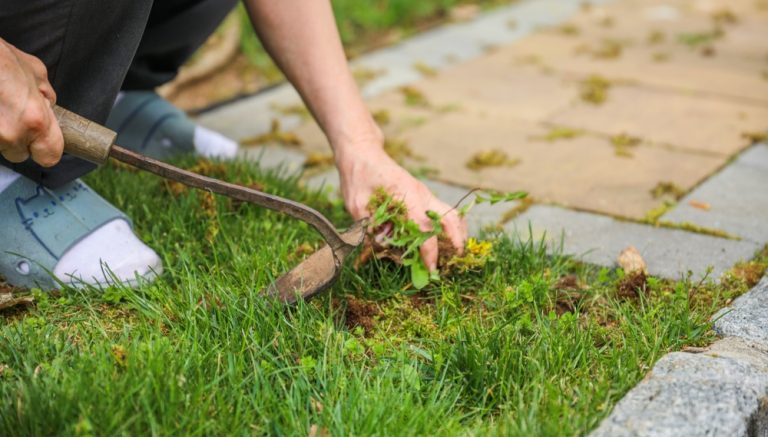
Late summer can reveal the plants that spent June and July quietly plotting a takeover. Before grabbing the garden gloves and yanking every unfamiliar green thing from the soil, take a closer look, because some weeds deserve a proper identification first. A few may irritate allergies, some can produce an astonishing number of seeds, and…