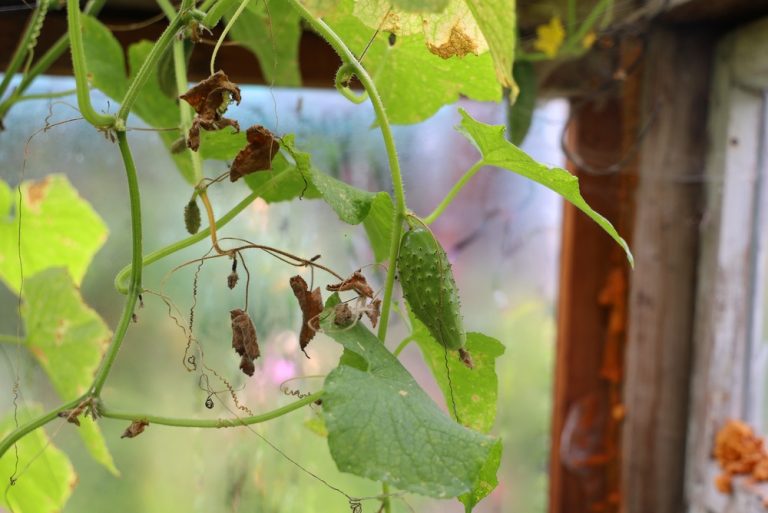
A cucumber plant can look completely defeated by dinner and surprisingly healthy by breakfast. That dramatic turnaround happens more often than many gardeners expect, but it does not always signal a happy ending. A quick recovery depends on why the leaves drooped in the first place. Cucumbers grow fast, produce large leaves, and move huge…
gardening advice
The One Gardening Tool People Over 60 Say They Wish They Bought Earlier
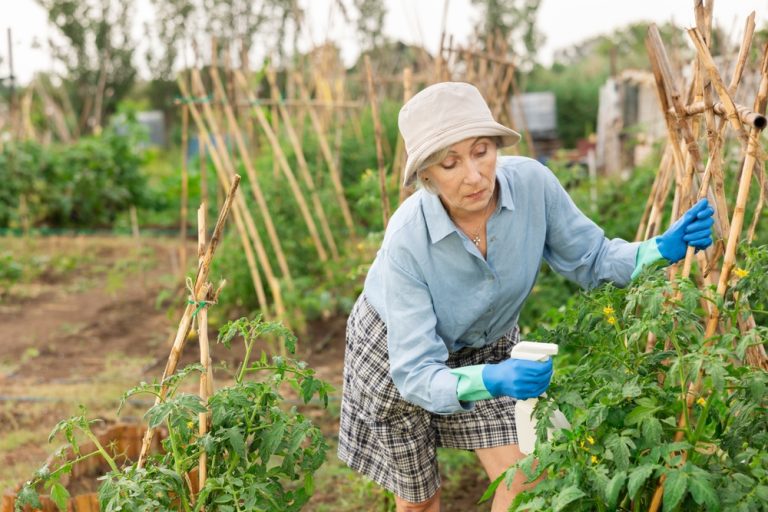
Gardening brings joy, color, and fresh air, but it also brings kneeling, bending, and rising that can wear down joints fast. Many experienced gardeners notice that the real challenge does not come from plants, but from the strain placed on knees and lower backs during routine tasks. Over time, simple activities like weeding or planting…
The Early Harvest Mistake That Reduces Overall Yield
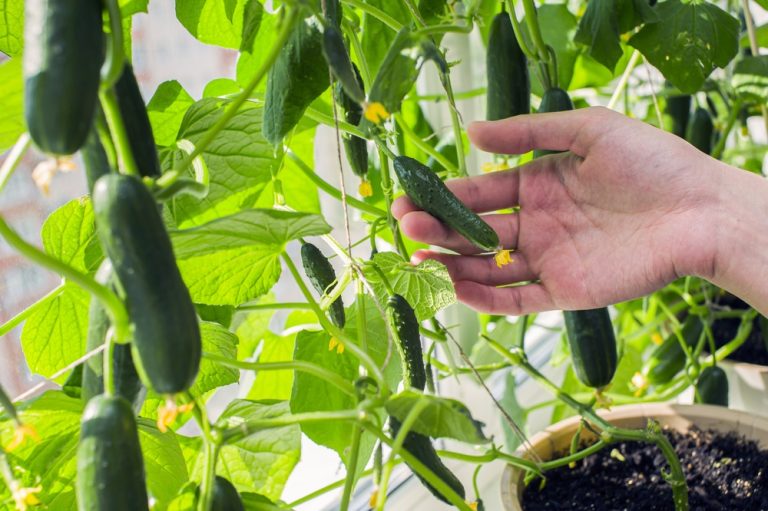
Gardening rewards patience in ways that often surprise even experienced growers. Plants do not operate on human schedules, and rushing the harvest window can quietly sabotage months of careful work. Many gardeners focus on appearance or early excitement and end up picking produce before it reaches full biological maturity. That single decision can ripple through…
Why Leaves Droop Even When Soil Feels Moist
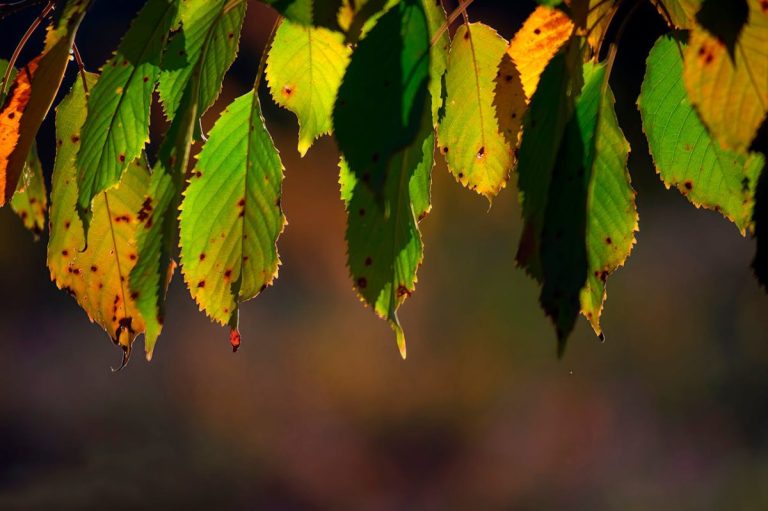
Leaves often droop even when the soil feels damp, and that confusion sends many gardeners into a watering spiral. Plants rely on more than just surface moisture, so the roots may struggle even when the topsoil feels perfectly fine. Moist soil can still hide oxygen shortages, compacted layers, or uneven hydration patterns below the surface….
The Transplant Shock Issue and How to Prevent It
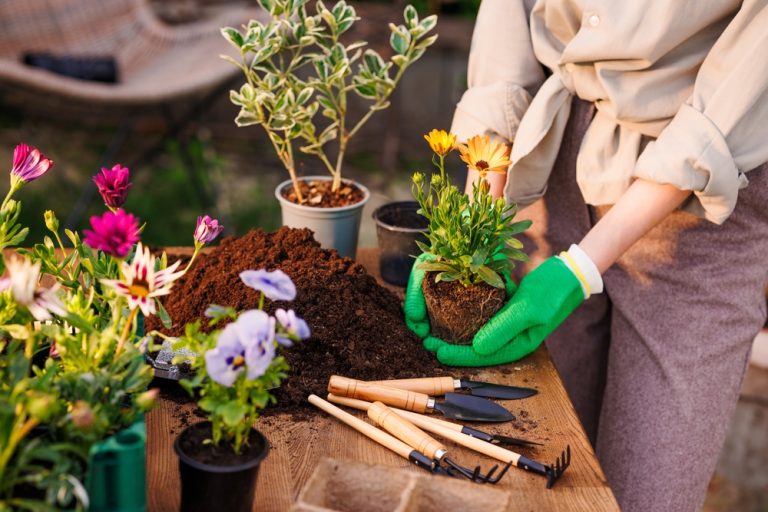
A prosperous garden can quickly turn stressful when plants suddenly droop, stall, or even fail after being moved. That frustrating moment often points to transplant shock, a condition that hits roots hard and slows growth just when success seems within reach. Many gardeners face this issue every season, especially when moving seedlings outdoors or relocating…
5 Fertilizer Errors That Reduce Yields Without You Noticing
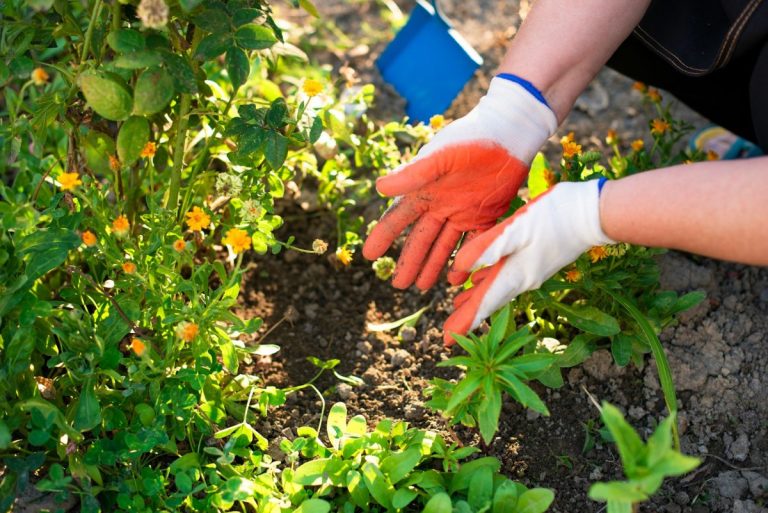
Gardens rarely fail overnight. They usually whisper their problems long before plants stop producing. Fertilizer mistakes sit at the top of that silent sabotage list, quietly shrinking harvests while leaves still look “fine” at a glance. Many gardeners push more nutrients into the soil thinking bigger feeding equals bigger yields, but plants don’t work that…
The Fast-Spreading Backyard Weed You Should Remove Early
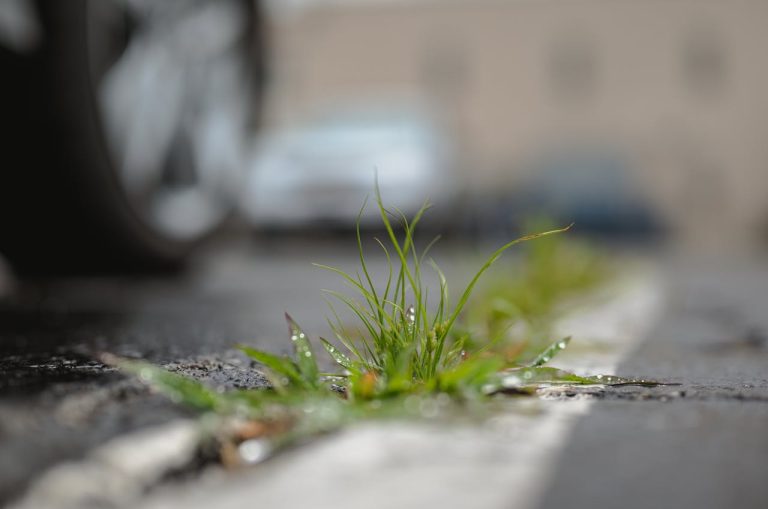
It starts as a small, unimpressive patch. Nothing dramatic, nothing that screams for attention. But give it a few warm days, a little sunlight, and just enough neglect, and suddenly the yard looks like it belongs to the weed instead of the homeowner. That quiet takeover catches people off guard every single season, and by…
Why Plants Wilt Even After Watering and What to Do
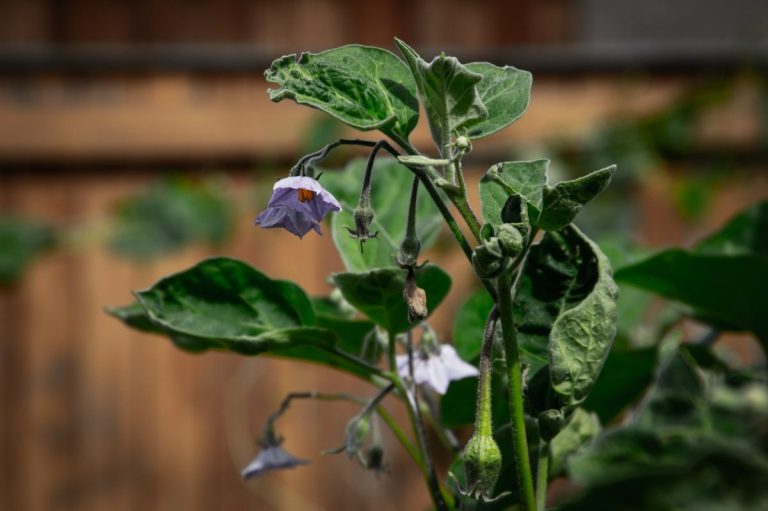
A drooping plant after a good watering session feels like a betrayal. Leaves sag, stems slump, and suddenly that once-thriving greenery looks like it gave up overnight. That moment sparks confusion because watering usually solves wilting, not causes it. Yet plants follow their own rules, and those rules revolve around roots, soil, and balance rather…
Why Planting Too Early Can Set Back Your Entire Garden
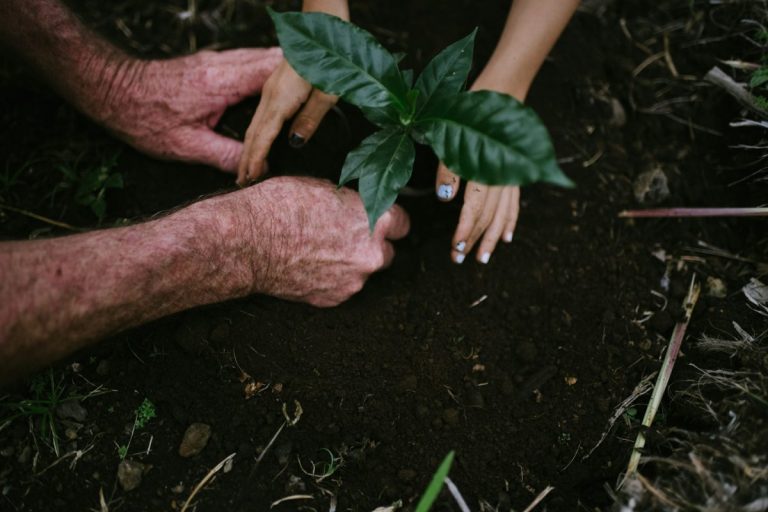
A garden doesn’t fail loudly. It stalls, struggles, and quietly refuses to thrive while everything looks “almost right.” That frustrating middle ground often starts with one simple decision: planting too early. The urge to get seeds in the ground the second winter loosens its grip feels powerful, especially when the sun sticks around longer and…
What Curling Leaves Often Signal in Spring
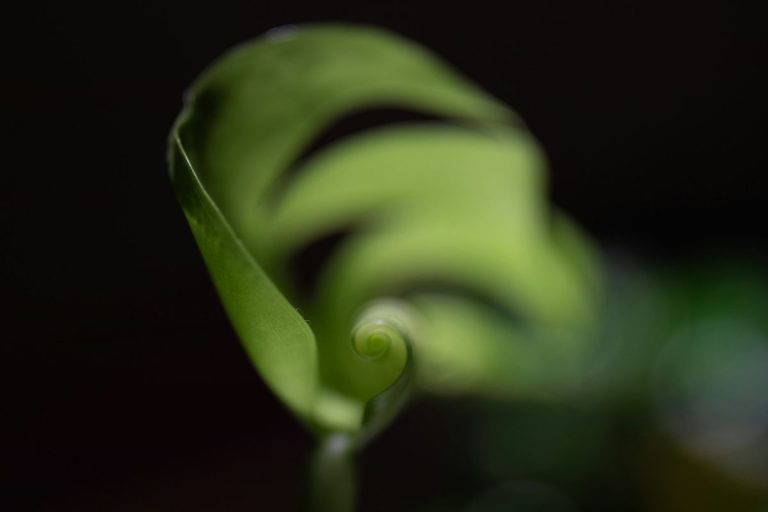
Spring arrives with a burst of life, but it also comes with a puzzle: those curling leaves on plants that make them look like they’re auditioning for a sculpture contest. While the shapes can seem whimsical, they carry important clues about what’s happening in soil, sunlight, and water. Ignoring them might lead to subtle stress…