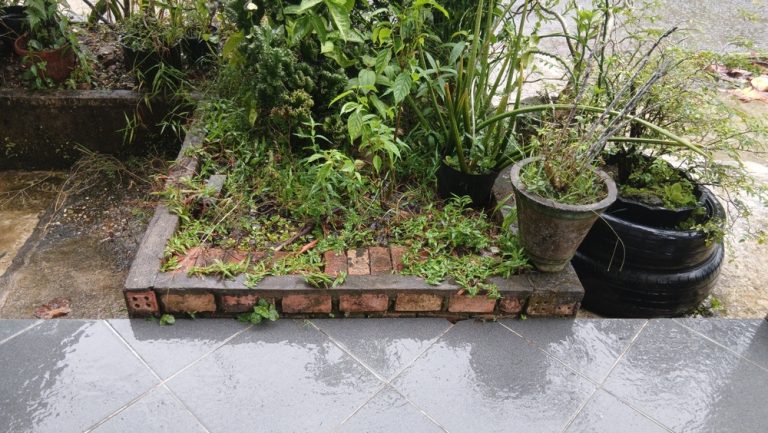
Rain should leave a garden refreshed, not looking like it belongs in a marsh. Yet some garden beds stay soggy for days after a storm while others drain beautifully within hours, and that difference often points to problems hiding beneath the surface. A waterlogged bed does more than create muddy shoes. It can suffocate roots,…
root rot
The Gardening Mistake That Can Destroy Plants After Heavy Rain
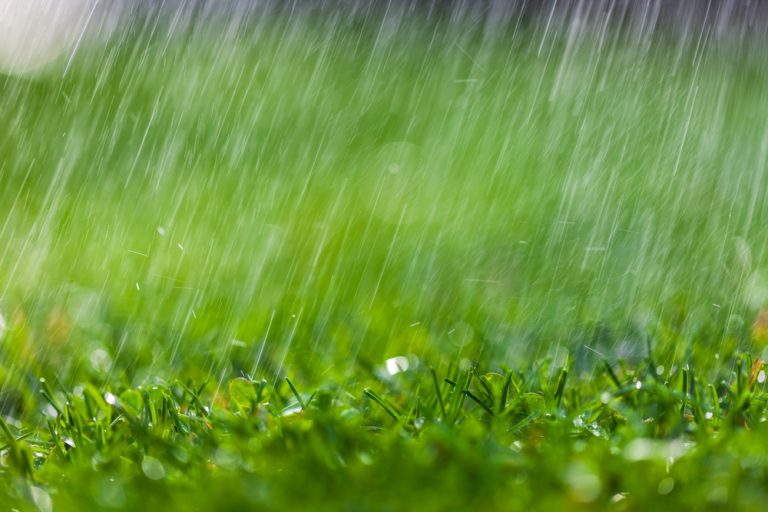
Heavy rain feels like a gift to the garden, soaking everything in a deep, refreshing drink that seems to promise lush growth and happy plants. But right after the storm passes, one small mistake can quietly set off a chain reaction that damages roots, weakens stems, and invites disease. Many gardens look perfectly fine on…
Why Overwatering Is More Dangerous Than Underwatering
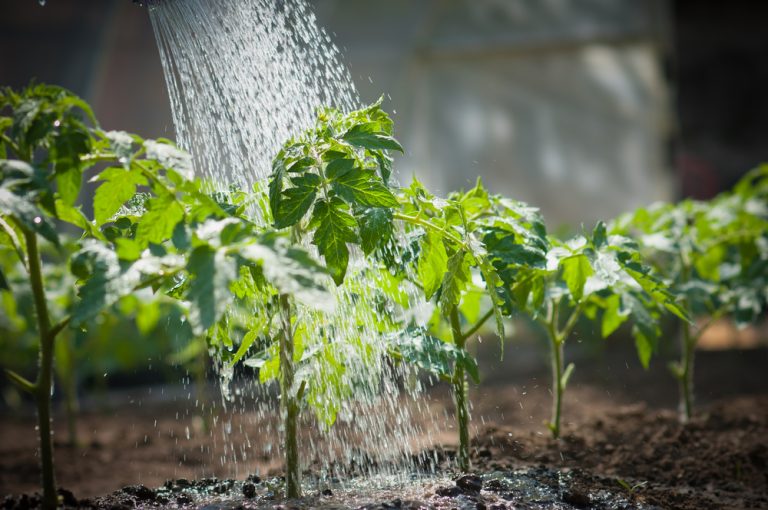
Gardening success often depends on one deceptively simple habit: watering correctly. Many gardeners assume extra water always helps plants, but that belief causes more damage than dry soil ever could. Overwatering suffocates roots, disrupts soil balance, and creates the perfect storm for plant decline. Plants rely on oxygen as much as they rely on moisture,…
The Overwatering Issue That Weakens Root Systems
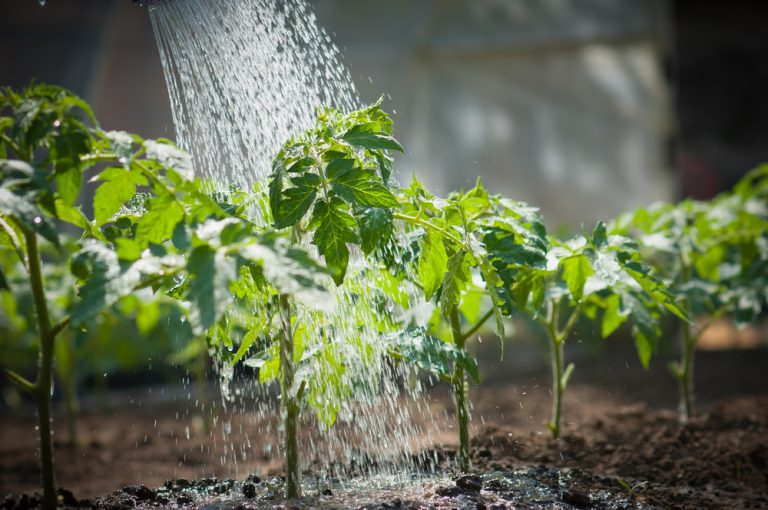
Overwatering often feels like a loving gesture, but plants interpret it very differently. Too much water suffocates roots by pushing oxygen out of the soil, which disrupts their ability to function properly. Many gardeners focus on keeping soil constantly damp, yet that habit often triggers hidden stress below the surface. Roots begin to weaken long…
Why Leaves Droop Even When Soil Feels Moist
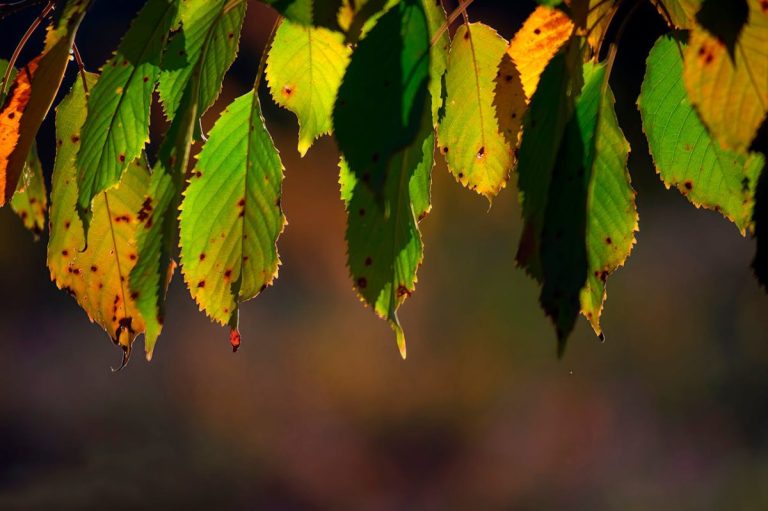
Leaves often droop even when the soil feels damp, and that confusion sends many gardeners into a watering spiral. Plants rely on more than just surface moisture, so the roots may struggle even when the topsoil feels perfectly fine. Moist soil can still hide oxygen shortages, compacted layers, or uneven hydration patterns below the surface….
The Root Rot Warning Signs Most Gardeners Miss
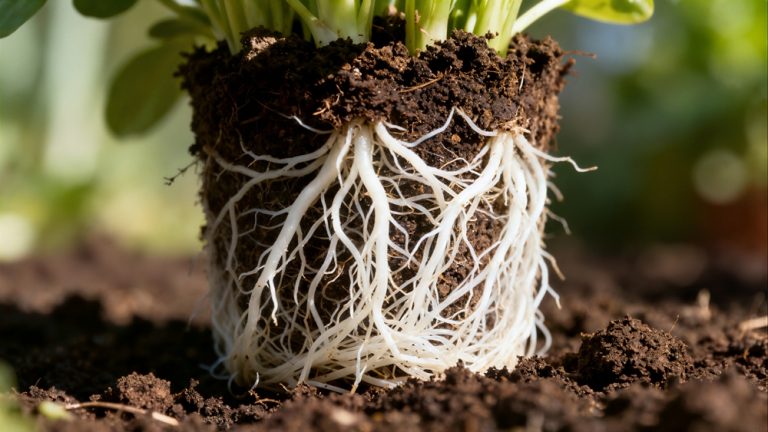
A droopy tomato plant or a sad-looking fern usually sends gardeners sprinting for the watering can, but that instinct often makes a bad situation much worse. Root rot sneaks into gardens quietly, and it loves gardeners who mistake stress for thirst. Root rot thrives in soggy soil, poor drainage, and containers that trap moisture like…
The Mulch Depth Error That Blocks Oxygen to Roots
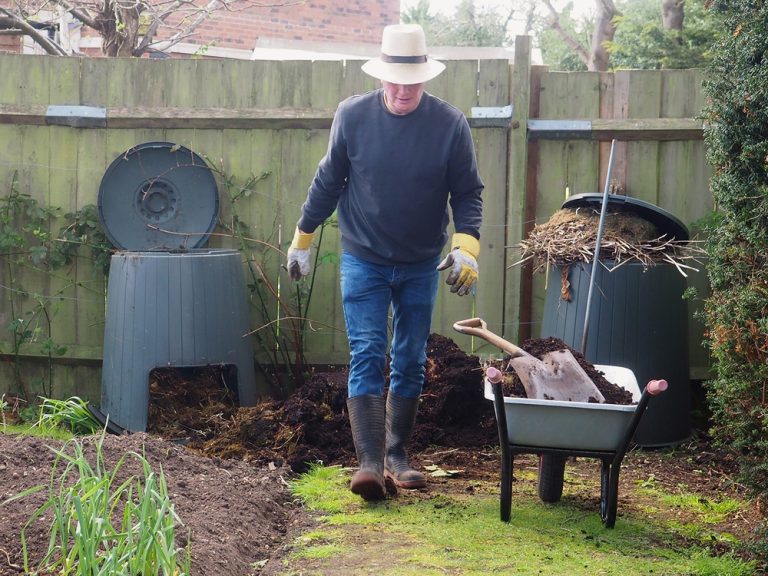
Fresh mulch transforms a yard in a single afternoon. Garden beds suddenly look polished, weeds shrink back, and plants pop against that rich blanket of bark or wood chips. Unfortunately, many gardeners keep piling it on until those beautiful beds quietly turn into oxygen-starved trouble zones. Mulch helps soil retain moisture, regulate temperature, and reduce…
Why Poor Drainage Leads to Root Rot and Stunted Growth
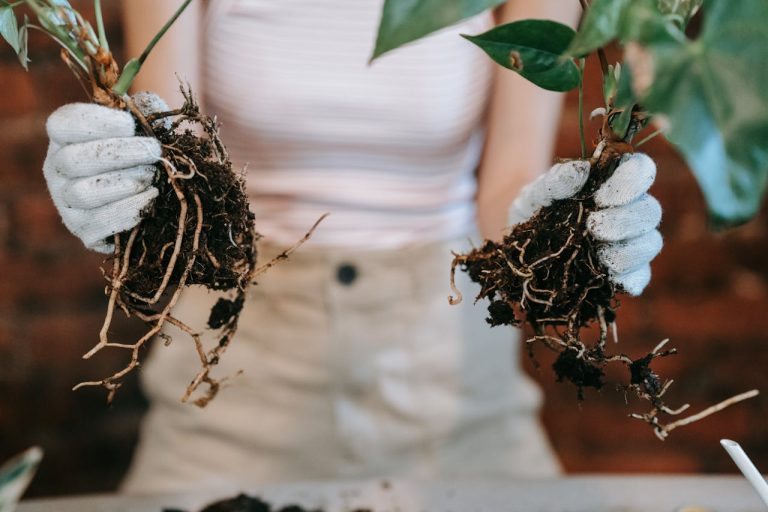
Roots demand one thing almost as much as water: oxygen. When soil stays soggy for days, roots suffocate because water fills every tiny air pocket underground. Plants begin to panic in slow motion, even while the surface still looks deceptively green. Leaves droop, growth slows, and stems weaken because the root system cannot perform basic…
Why Healthy Leaves Don’t Always Mean Strong Root Systems
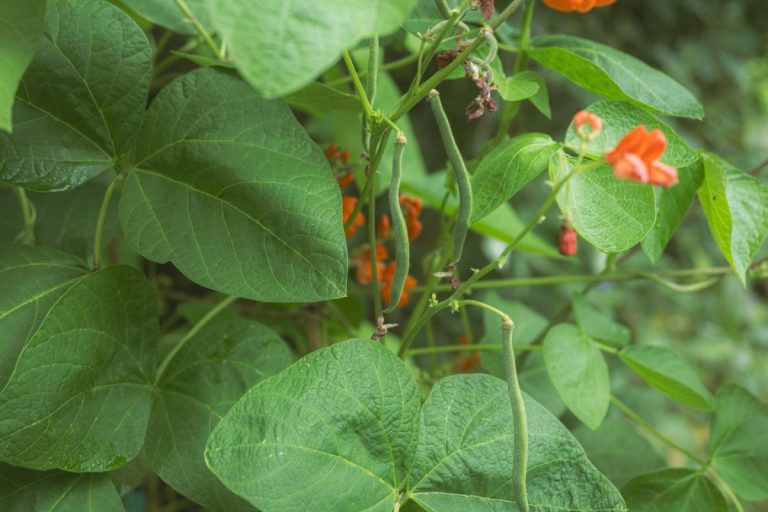
A garden can look like it is thriving on the surface while quietly struggling underneath the soil. Bright green leaves often trick even experienced growers into thinking everything runs perfectly below ground. In reality, plants can wear a “healthy” disguise while their roots weaken, stall, or even begin to fail. This disconnect creates one of…
The Overwatering Problem: Why Soggy Soil Kills More Gardens Than Drought
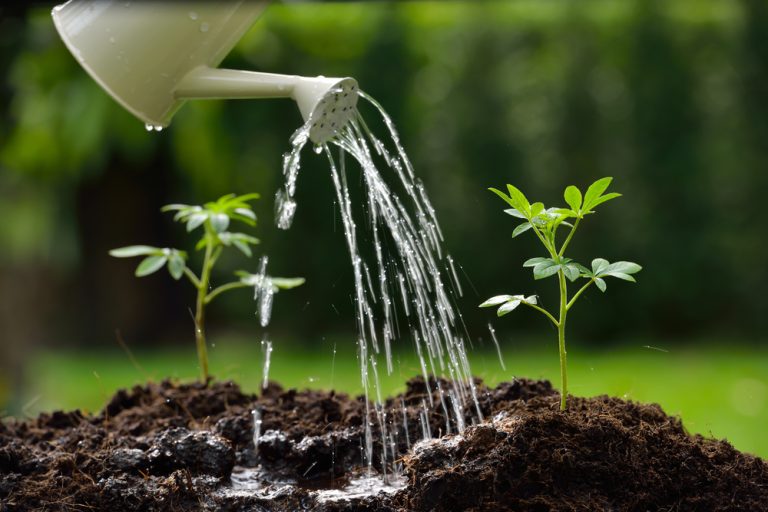
Garden soil often suffers more from kindness than neglect, especially when watering habits go unchecked. Many plants decline not from thirst but from drowning roots trapped in saturated soil that never gets a break. Waterlogged ground blocks oxygen flow, leaving roots suffocating beneath the surface even while leaves look deceptively fresh at first. Gardeners often…