Growing vegetables ranks among the smartest ways to cut grocery costs, especially when rising food prices continue to squeeze household budgets. A few dollars spent on seeds can turn into pounds of fresh produce over an entire growing season, making some vegetables incredible bargains. The trick involves choosing crops that produce heavily, grow reliably, and keep delivering harvests week after week.
Many gardeners focus on popular vegetables without realizing that certain varieties offer dramatically better returns than others. For anyone looking to get the most food from the smallest investment, these ten vegetables deserve a spot in the garden.
1. Zucchini Delivers More Than Most Families Can Eat
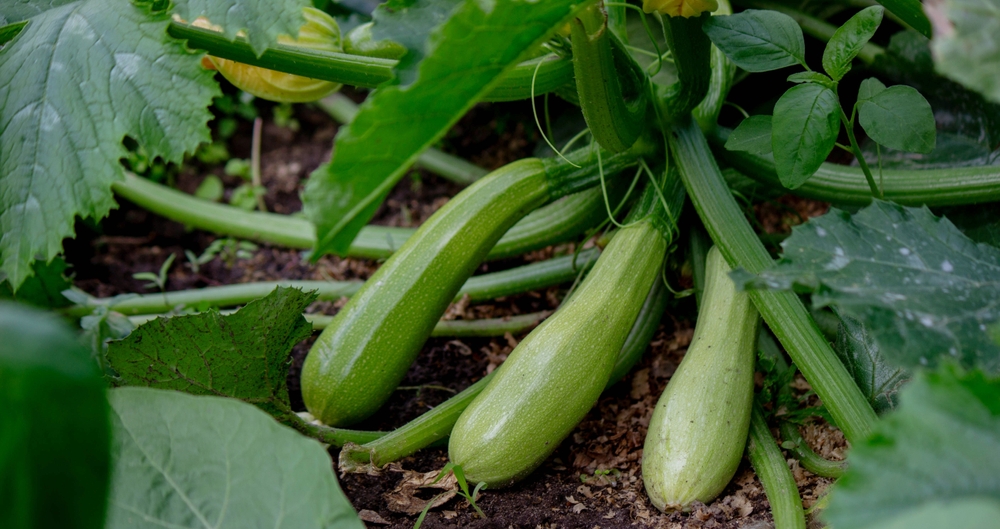
Zucchini has earned a reputation as the overachiever of the vegetable garden because one or two plants often produce enough squash for an entire household. A packet of seeds costs only a few dollars, yet a healthy plant can yield dozens of zucchinis throughout the summer. Gardeners frequently joke about secretly leaving extra zucchini on neighbors’ porches because harvests become so abundant. The plants grow quickly, require minimal maintenance, and reward gardeners with continuous production. Few vegetables offer a better return on investment than zucchini.
The financial savings become obvious after only a few harvests because grocery store zucchini prices can add up quickly during peak cooking season. Fresh zucchini works in casseroles, stir-fries, breads, soups, and grilled dishes. Gardeners can harvest fruits when small for tender texture or allow them to grow larger for baking projects. Even gardeners with limited experience often succeed with zucchini because the plants tolerate a wide range of conditions. That combination of ease and productivity makes zucchini a budget-friendly superstar.
2. Green Beans Keep Producing for Weeks
Bush beans and pole beans both provide exceptional value for gardeners seeking maximum food production. A small row of beans can generate pounds of harvests over several weeks. Pole beans offer particularly impressive yields because they grow vertically and continue producing throughout much of the season. Many gardeners harvest fresh beans every few days once production begins. Few crops provide such consistent returns from such a modest investment.
Fresh green beans cost significantly more at grocery stores than many people realize when purchased regularly. Homegrown beans often taste sweeter and more flavorful because gardeners pick them at peak freshness. Pole varieties save valuable garden space while delivering impressive harvest totals. Many gardeners also freeze excess beans for later use. That extended usefulness increases their value even further.
3. Tomatoes Turn Small Investments Into Big Harvests
Tomatoes remain one of the most popular garden vegetables for good reason. A single healthy plant can produce pounds upon pounds of fruit over an entire growing season. Cherry tomato varieties often generate especially heavy harvests, with gardeners picking handfuls almost daily during peak production. Even a small backyard garden can produce enough tomatoes to supplement meals for months. The savings become substantial when comparing homegrown harvests to grocery store prices.
Many gardeners choose tomatoes because quality matters just as much as quantity. Homegrown tomatoes often deliver flavor that store-bought varieties simply cannot match. Gardeners can grow slicing tomatoes, paste tomatoes, cherry tomatoes, and heirloom varieties depending on their preferences. Excess harvests can become sauces, salsa, or canned goods. That versatility adds tremendous value to every plant.
4. Leaf Lettuce Offers Continuous Harvests
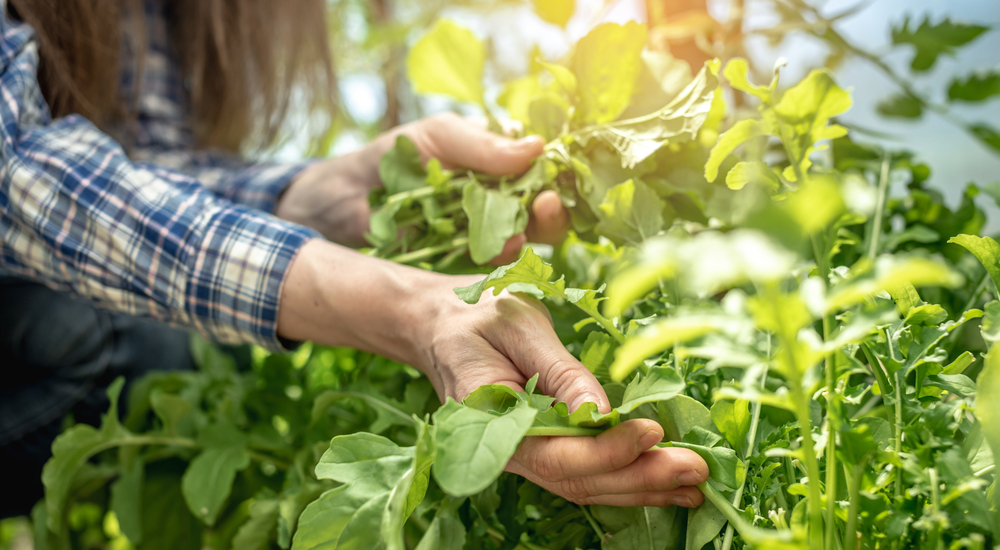
Leaf lettuce provides one of the fastest and most economical harvests available to home gardeners. Rather than pulling entire plants, gardeners can harvest outer leaves repeatedly while the plant continues growing. This cut-and-come-again approach creates multiple harvests from a single planting. Many varieties mature within a month, providing quick results. Few vegetables reward patience so rapidly.
Store-bought salad greens often carry surprisingly high price tags and spoil quickly in refrigerators. A backyard lettuce patch solves both problems at once. Gardeners can harvest only what they need for each meal, reducing waste considerably. Successive plantings can extend harvests through much of the growing season. Fresh salads become significantly more affordable when lettuce grows just steps from the kitchen.
5. Cucumbers Produce by the Bucketful
Cucumber plants often surprise new gardeners with their productivity. A few vines can generate dozens of cucumbers throughout the summer. Vertical growing systems allow gardeners to maximize production while conserving valuable garden space. Once harvests begin, cucumbers seem to appear overnight. Consistent picking encourages even greater production.
Fresh cucumbers work in salads, sandwiches, snacks, and infused drinks. Gardeners interested in food preservation can transform excess harvests into homemade pickles. Grocery store cucumber prices may seem reasonable individually, but frequent purchases add up quickly over time. Homegrown plants provide a steady supply for weeks or even months. Few vegetables produce so much food from such a small initial investment.
6. Swiss Chard Keeps Giving Long After Planting
Swiss chard deserves far more attention from budget-conscious gardeners. Like leaf lettuce, it allows repeated harvesting without removing the entire plant. The colorful stems add visual appeal while the nutritious leaves provide excellent eating. Many plants continue producing well into cooler weather. Gardeners often enjoy harvests long after other vegetables finish for the season.
The crop handles heat better than many leafy greens, making it especially valuable during summer. A single planting can supply fresh greens for months. Swiss chard works well in soups, sautés, casseroles, and salads. Its long harvest window creates exceptional value for gardeners focused on food production. Few leafy vegetables match its staying power.
7. Kale Rewards Gardeners With Months of Harvests
Kale combines productivity, nutrition, and durability in one remarkably useful plant. Gardeners can harvest leaves repeatedly while the plant continues growing throughout much of the season. Cooler temperatures often improve flavor, extending harvests into autumn. Many varieties tolerate light frosts without issue. That resilience translates into more food from every plant.
Grocery store kale often commands premium prices despite its simplicity. Homegrown kale delivers a steady supply for smoothies, soups, salads, and side dishes. The plants require relatively little maintenance once established. Regular harvesting encourages continued growth and productivity. Few vegetables offer such a long-lasting return from a single planting.
8. Summer Squash Produces Relentlessly
Summer squash shares many of zucchini’s impressive qualities. These plants grow rapidly and produce heavily during warm weather. Gardeners frequently collect multiple squash from each plant every week. A small planting can easily exceed household needs. The harvest potential often surprises first-time growers.
The vegetables adapt well to numerous recipes, making them practical additions to meal planning. Fresh squash grills beautifully and works well in casseroles and stir-fries. Because production continues for weeks, gardeners enjoy an ongoing supply rather than a single harvest. Consistent output increases overall value significantly. Few vegetables deliver such dependable productivity.
9. Peppers Offer Excellent Long-Term Value
Pepper plants may start slowly, but they reward patience with steady production throughout the season. Sweet peppers and hot peppers both offer strong returns relative to their cost. Once plants mature, gardeners can harvest peppers continuously for months. A handful of plants often provides enough peppers for an entire family. The savings become noticeable quickly.
Store-bought peppers frequently rank among the more expensive vegetables in produce departments. Homegrown peppers eliminate much of that expense. Gardeners can choose varieties suited for fresh eating, cooking, or preserving. Excess peppers freeze well for later use. Their versatility adds another layer of value to an already productive crop.
10. Potatoes Turn Tiny Seed Pieces Into Big Harvests
Potatoes may represent the ultimate example of garden efficiency. Gardeners start with small seed potatoes and eventually harvest pounds of food from each plant. A relatively small growing area can produce a surprisingly large quantity of potatoes. Few vegetables provide as much calorie-rich food per square foot. Their productivity makes them favorites among frugal gardeners.
Potatoes also store exceptionally well compared to many fresh vegetables. Proper storage allows gardeners to enjoy harvests for months after the growing season ends. Homegrown potatoes often offer superior flavor and variety compared to common grocery store options. The combination of yield, storage potential, and affordability makes them difficult to beat. Budget-conscious gardeners consistently rank potatoes among their most valuable crops.
The Smartest Garden Is the Most Productive One
A successful vegetable garden does not require expensive equipment, massive space, or rare varieties. Choosing high-yield vegetables allows gardeners to maximize every dollar spent on seeds, soil, and supplies. Crops like zucchini, beans, tomatoes, and potatoes can produce remarkable amounts of food while helping reduce grocery bills throughout the growing season. Even small gardens can generate impressive harvests when gardeners focus on vegetables known for productivity. The biggest savings often come from growing crops that keep producing long after the first harvest.
Which of these high-yield vegetables has saved the most money in your garden, and are there any productive favorites that deserve a spot on this list? Share your experiences in the comments below.
You May Also Like…
Never Overcrowd Again: The Simple Guide to Spacing Your Vegetables for Bigger Harvests
7 Vegetables That Germinate Fast Even in Unpredictable Spring Weather
8 Beginning Gardening Tips That Will Make You a Better Grower
Stop Pulling These ‘Weeds’—Comfrey and Nettles Can Fertilize Your Garden
5 Budget Vegetable Patch Designs for Small Yards

Brandon Marcus is a staff writer for FrugalGardening.com at District Media, Inc., where he delivers practical gardening advice with a relatable, no-nonsense style. An avid amateur gardener, he holds a BA degree and with over ten years of professional writing experience, he is also an award-winning published author whose first book, Questions For Deep Thinkers, was released by Adams Media. His work has appeared in major publications including Fandom.com, CHUD.com, TheColdWire.com, and Fansided.com.
Leave a Reply