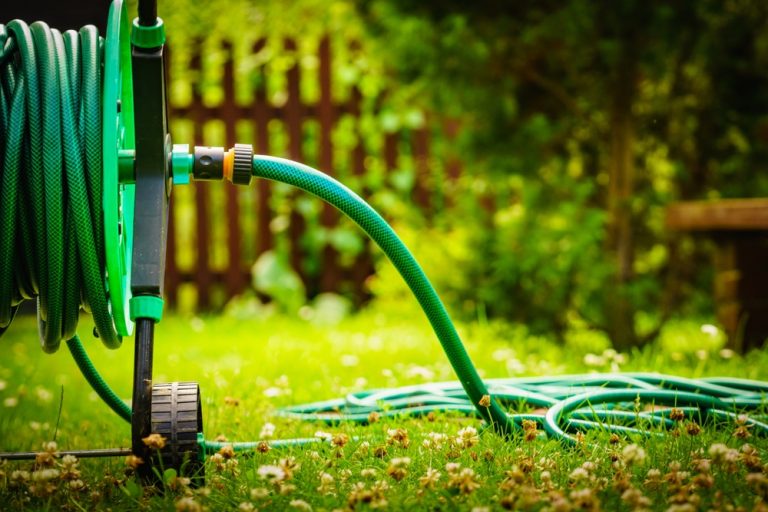
A garden hose can look perfectly innocent while quietly sending money down the drain. A worn washer, loose connection, damaged fitting, or hose left running longer than necessary can turn an ordinary watering session into an easy-to-miss source of water waste. The sneaky part comes from where many hose leaks happen: right at the spigot….
water conservation
8 Ways to Protect Your Garden From Heat Without Running Up the Water Bill
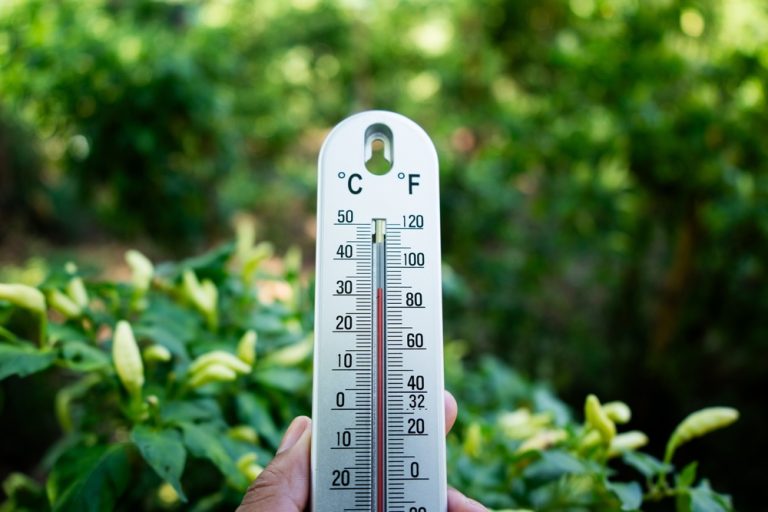
A heat wave can turn a productive garden into a collection of wilted leaves surprisingly fast, but cranking up the hose is not the only solution. A few changes to shade, soil, watering habits, and plant placement can reduce heat stress while helping every drop of water do more work. This involves protecting the moisture…
Your Watering Routine Could Be Costing More Than Your Plants Need
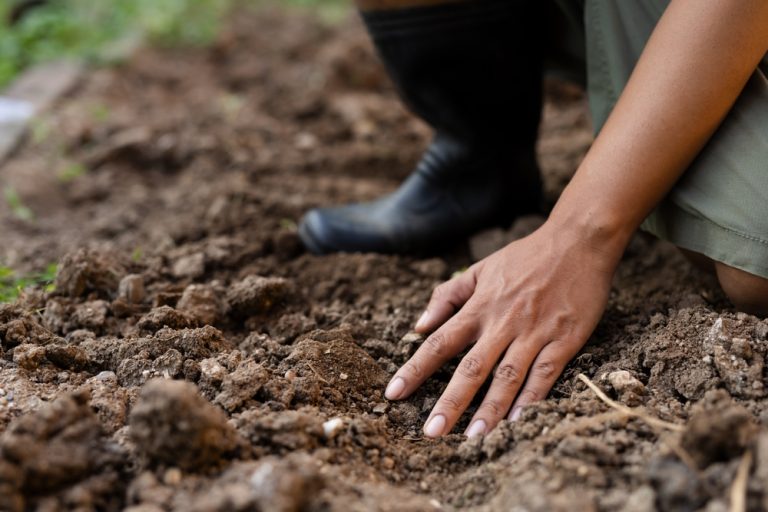
Watering the garden feels like one of those chores that cannot possibly go wrong. The hose comes out, the soil gets wet, the plants look refreshed, and everyone goes home happy. But a watering routine that keeps the soil constantly damp can waste water, encourage shallow roots, and create conditions that invite disease and other…
10 Garden Mistakes That Can Raise Your Water Bill During Late-Summer Heat

Late-summer heat can turn a garden hose into a surprisingly effective money vacuum. When temperatures climb, gardeners often respond by watering longer, watering more frequently, or simply watering everything because the soil looks dry on top. That can keep plants hydrated, but it can also send perfectly good water down the driveway, into the air,…
6 Ways to Cut Water Use Without Starving Your Garden
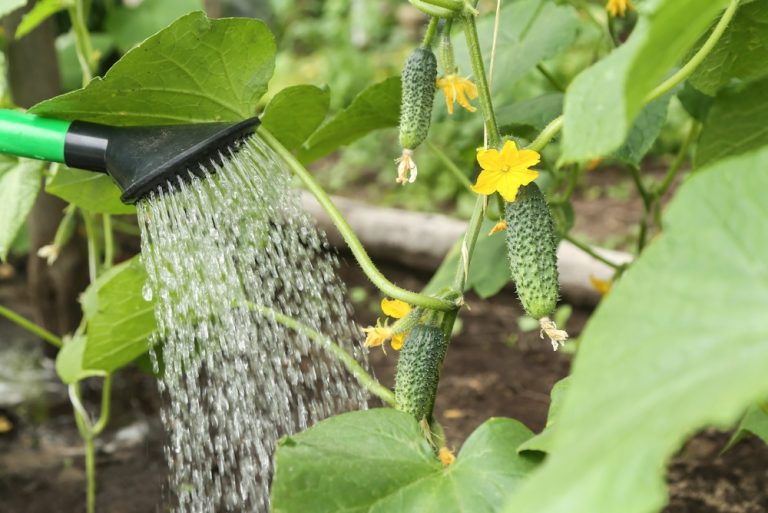
A garden can drink a surprising amount of water, but that does not mean every thirsty-looking plant needs another drink. Often, the bigger problem comes from water landing in the wrong place, evaporating too quickly, or running away before roots get a useful sip. A few smarter habits can reduce water use while keeping vegetables,…
How to Reuse Rainwater Without Creating a Mosquito Problem
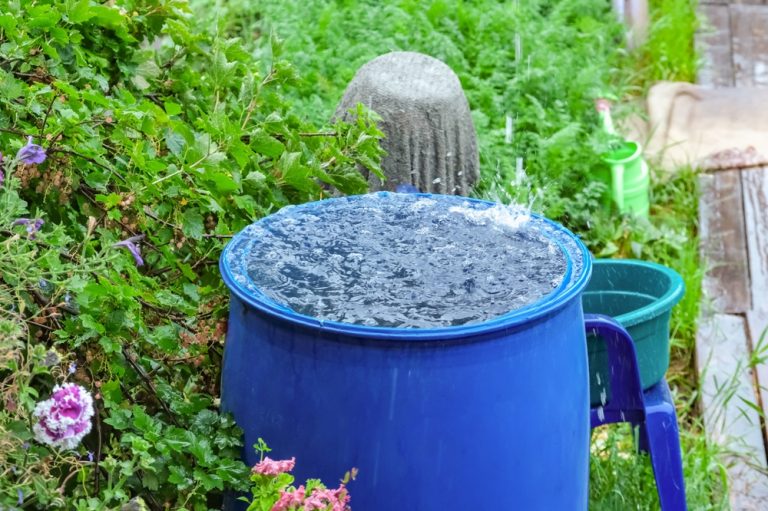
Rainwater can become a wonderfully useful garden resource, but a forgotten bucket of it can also become an open invitation to mosquitoes. A properly designed rain barrel lets gardeners capture roof runoff for watering plants while keeping insects out of the stored water. The trick involves treating rainwater storage as part of the garden system,…
6 Gutter-Free Ways to Catch Rainwater From a Garden Shed
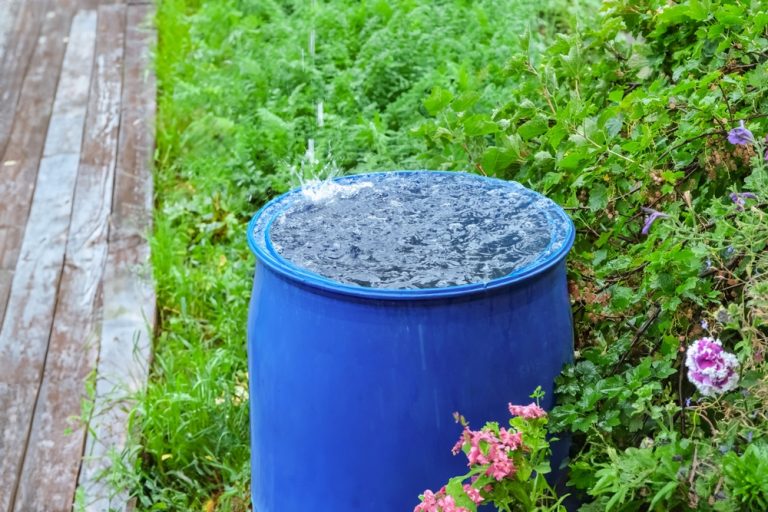
A garden shed roof can quietly collect a surprising amount of free water, but that does not mean the shed needs a full gutter system. With a few clever additions, gardeners can guide roof runoff into barrels, buckets, storage tanks, or even directly toward thirsty garden beds. The trick involves controlling where the water lands…
Can Shade-Loving Edibles Lower Your Garden’s Water Needs?
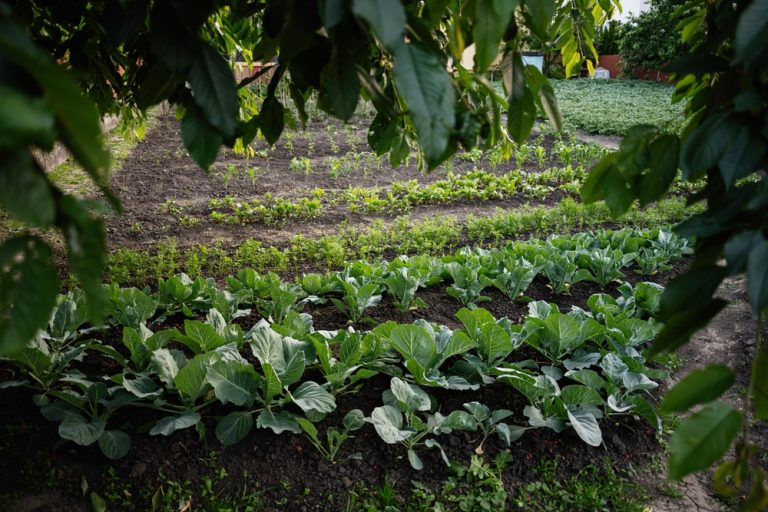
Shade-loving edibles can lower your garden’s water needs, especially when summer heat turns a sunny vegetable patch into a thirsty little drama queen. Cooler soil loses less moisture to evaporation, and crops such as lettuce, spinach, kale, mustard greens, and other leafy vegetables can handle partial shade far better than tomatoes, peppers, melons, and squash….
What Is the Best Way to Water a Garden on Sloped Ground?
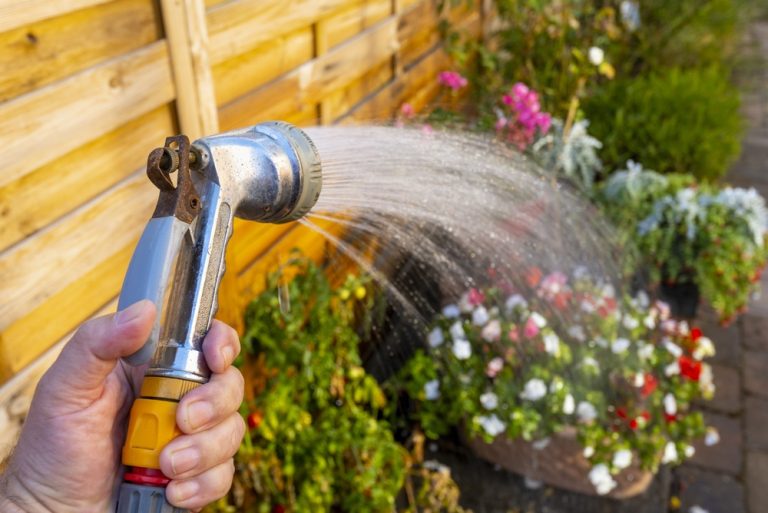
The best way to water a garden on sloped ground involves slowing water down before gravity turns it into a tiny downhill river. Drip irrigation, terracing, contour planting and careful watering habits can help moisture reach plant roots instead of racing across the soil and carrying precious topsoil with it. A flat garden gives water…
Are Punctured Rain Barrels the Next Low-Cost Irrigation Trend?
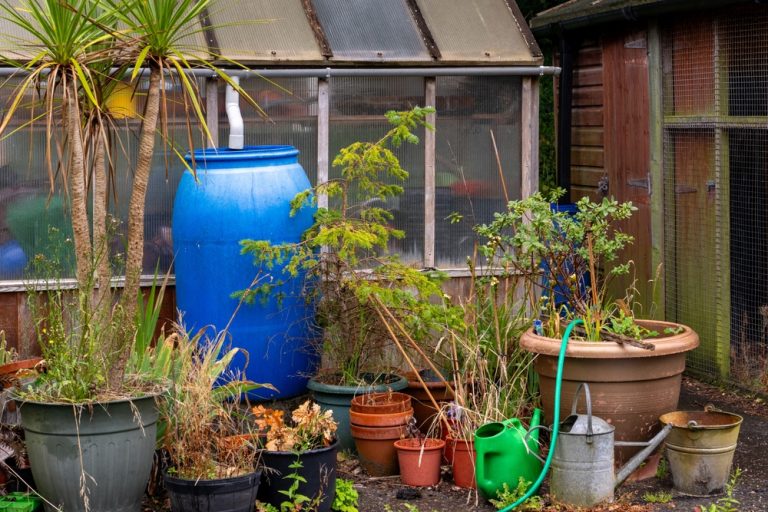
A rain barrel usually sits quietly beside a downspout, collecting water for a later date. A newer low-cost irrigation idea flips that script: instead of storing every drop for a future watering session, gardeners puncture tiny holes near the bottom of a barrel and let collected rainwater slowly seep into the soil. The concept has…