
Crowded garden beds often look impressive at first glance, but they quietly sabotage plant performance from the moment roots take hold. Many American home gardeners pack too many seeds or seedlings into limited space, hoping for a bigger harvest, yet the opposite outcome usually shows up by midseason. Plants react fast to competition, and they shift energy away from fruit and vegetable production just to survive the pressure. That shift creates weaker stems, smaller yields, and gardens that demand more maintenance than they reward.
This issue does not come from poor effort, but from a misunderstanding of how plants actually grow above and below the soil line. Roots need room to spread, leaves need airflow to breathe, and every plant needs access to sunlight without constant competition from neighbors. Once spacing collapses, disease spreads faster, pests settle in more easily, and soil nutrients disappear quicker than expected. A well-planned garden avoids those problems and turns even small backyard spaces into productive, steady food sources.
Why Overcrowding Turns a Thriving Garden Into a Struggling One
Overcrowded garden beds force plants to compete for sunlight, nutrients, and physical space from the earliest stages of growth, which immediately changes how they develop. Many gardeners across the United States plant seeds too closely together because they want to maximize every square inch of soil. Plants respond to this pressure by stretching upward rapidly, which weakens stems and reduces the energy available for fruit or vegetable production. That constant competition creates stress signals that limit long-term productivity and shorten the overall harvest window. Garden beds quickly lose structure and efficiency when spacing rules get ignored.
Tight spacing also disrupts how plants allocate energy between leaves, roots, and reproductive growth throughout the season. Instead of building strong foundations, plants prioritize survival tactics that rarely support large or healthy yields. Heat waves and dry spells make this problem even worse because stressed plants struggle to recover quickly. Gardeners often notice uneven growth patterns, where a few dominant plants overshadow weaker neighbors completely. Overcrowding ultimately transforms a planned garden into a crowded patch of competing survivors instead of a balanced ecosystem.
Root Wars Beneath the Soil: Why Space Below Matters Most
Roots expand far beyond what most gardeners realize, often stretching two to three times the width of the visible plant above ground. Tight spacing forces these underground systems into constant competition, which limits how effectively each plant absorbs water and essential nutrients. University extension programs across the United States consistently report reduced nutrient uptake when root zones overlap heavily in confined garden beds. That restriction often leads to yellowing leaves, slowed growth, and inconsistent fruit development across the entire planting area. Healthy gardens depend on underground space just as much as what appears above the soil.
When roots collide, they also compete for microbial partnerships that help break down organic matter and improve soil health. Plants in crowded conditions often lose access to these beneficial relationships, which weakens long-term soil productivity. Gardeners may notice plants wilting quickly after watering because restricted roots cannot distribute moisture efficiently throughout the plant structure. Strong root systems require breathing room to anchor plants and support heavy fruit loads during peak growing months. Expanding spacing below the soil line consistently produces more stable and resilient garden results.
Airflow Bottlenecks That Invite Disease and Pests
Dense plantings trap humidity between leaves and stems, which creates a warm, stagnant environment where disease spreads quickly. Fungal problems like powdery mildew and early blight thrive in these conditions, especially during humid American summer months. Many gardeners notice that once one plant becomes infected, nearby plants show symptoms within days because airflow cannot break up moisture buildup. Insects also take advantage of these tight spaces since thick foliage gives them cover from birds and beneficial predators. Poor spacing essentially turns a garden bed into a sheltered zone for pests and pathogens.
Improving airflow changes the entire health dynamic of a garden almost immediately. Leaves dry faster after rain or watering, which reduces fungal growth opportunities and slows disease transmission. Beneficial insects also move more freely through properly spaced plants, which helps maintain natural pest control. Tomato rows in particular benefit from wider spacing because airflow prevents rapid spread of blight across entire sections. Better spacing consistently reduces chemical intervention needs and supports a healthier, more balanced garden ecosystem.
Smart Spacing Strategies That Boost Harvests Instantly
Seed packets and nursery labels provide spacing guidelines that many gardeners overlook, even though those instructions reflect real-world plant performance data. Raised beds in American backyards perform best when gardeners use grid-style layouts that enforce consistent spacing across every row and column. Companion planting still works effectively, but each plant must retain enough space to avoid root and canopy competition. Thinning seedlings early in the season prevents overcrowding from locking in long-term growth limitations that become difficult to correct later. Simple planning at planting time often determines the difference between average and abundant harvests.
Gardeners also improve spacing results by measuring planting distances instead of estimating by eye, which often leads to crowding mistakes. Crops like carrots, lettuce, and peppers respond especially well to precise spacing because they rely on steady nutrient access throughout their growth cycles. Overcrowded seedlings rarely recover fully, even after thinning, because early competition already shapes their development path. Strategic spacing also improves sunlight exposure across the entire bed, which supports even ripening and stronger flavor development. Careful layout planning consistently produces larger yields from the same square footage of soil.
Finding Balance Between Growth, Space, and Long-Term Garden Success
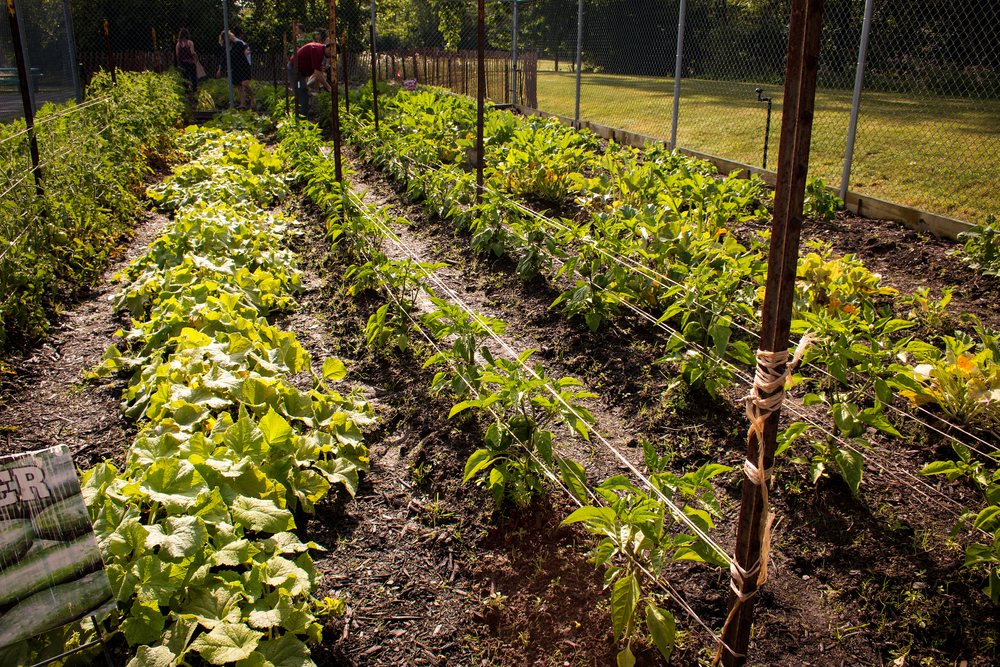
Healthy gardens rely on a careful balance between plant density and open space that supports airflow, sunlight exposure, and root expansion. Overcrowding pushes plants into survival mode, which limits their ability to produce abundant, high-quality harvests over time. Properly spaced gardens produce larger fruits, sturdier vegetables, and significantly fewer pest and disease problems throughout the growing season. Experienced gardeners often adjust spacing each year based on soil fertility, sunlight patterns, and crop rotation plans. Thoughtful spacing decisions turn even small backyard plots into highly efficient growing systems.
Crowding may look productive in the moment, but it quietly limits everything a garden can become. What spacing challenges have shown up in your garden, and what changes helped improve results?
You May Also Like…
Why Airflow Matters More Than You Think in Dense Gardens
6 Reliable Choices for Container Harvesting
How to Spot Overcrowding in Perennial Beds
6 Selections That Perform Well in Clay Soil
5 Container Garden Ideas That Work on Small Balconies

Brandon Marcus is a staff writer for FrugalGardening.com at District Media, Inc., where he delivers practical gardening advice with a relatable, no-nonsense style. An avid amateur gardener, he holds a BA degree and with over ten years of professional writing experience, he is also an award-winning published author whose first book, Questions For Deep Thinkers, was released by Adams Media. His work has appeared in major publications including Fandom.com, CHUD.com, TheColdWire.com, and Fansided.com.
Leave a Reply