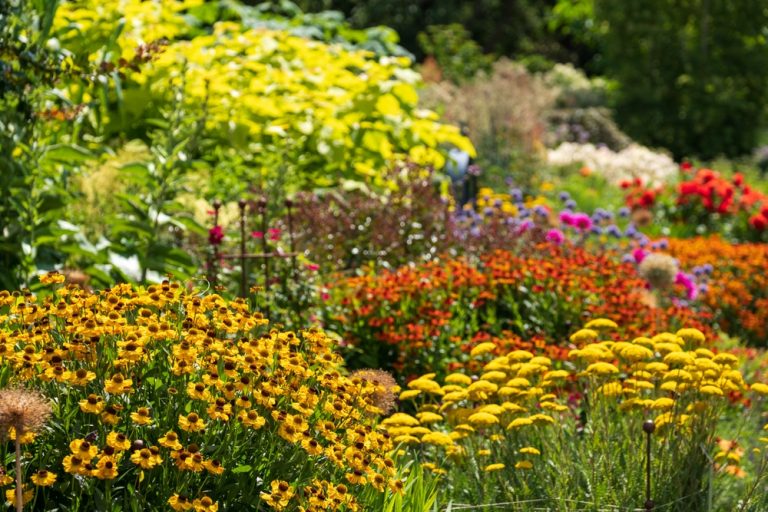
The hottest part of summer can make the garden look like it has officially checked out for the season, but late summer brings a useful opportunity: dividing crowded perennials. As temperatures begin to moderate, several established plants can handle division with less stress than they would during a sweltering midsummer afternoon. Division does more than…
garden tips
Should You Remove Lower Leaves From Brussels Sprouts?
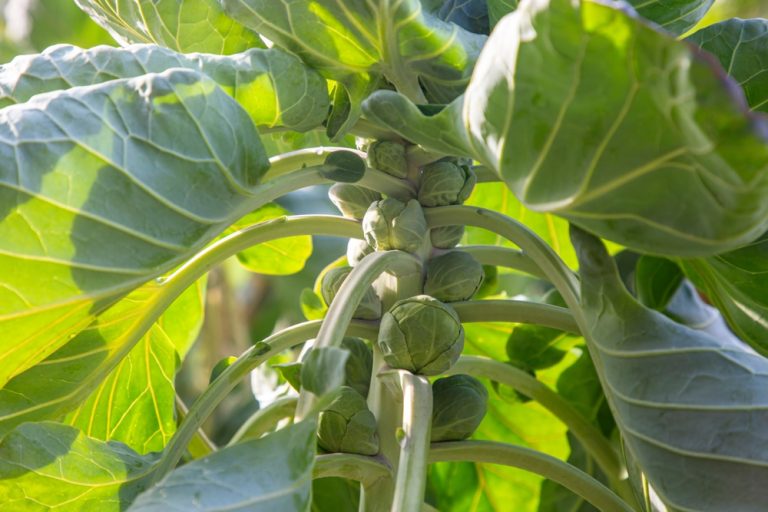
Brussels sprouts grow in a wonderfully odd fashion, with little cabbage-like buds tucked into the leaf axils along a tall central stalk. The lower sprouts mature first while newer ones develop higher up, which makes leaf removal more nuanced than grabbing pruning shears and giving the plant a haircut. A few well-timed cuts can make…
Should You Cover Freshly Sown Seeds With Burlap?
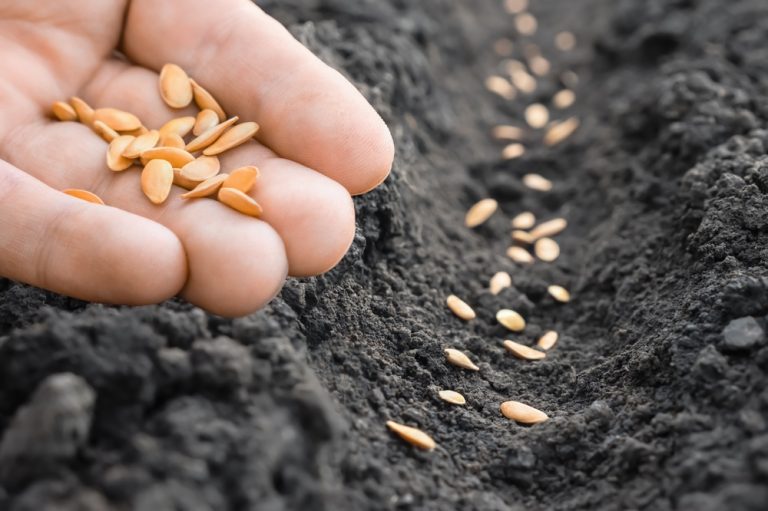
Freshly sown seeds have a surprisingly difficult job. They need moisture, good contact with the soil, and protection from the kind of downpour that can turn a carefully prepared seedbed into a tiny muddy landslide. A loose piece of burlap can help with all three, making it a useful trick when the weather, soil, or…
Why Are Your Pears Ripening From the Inside Out?
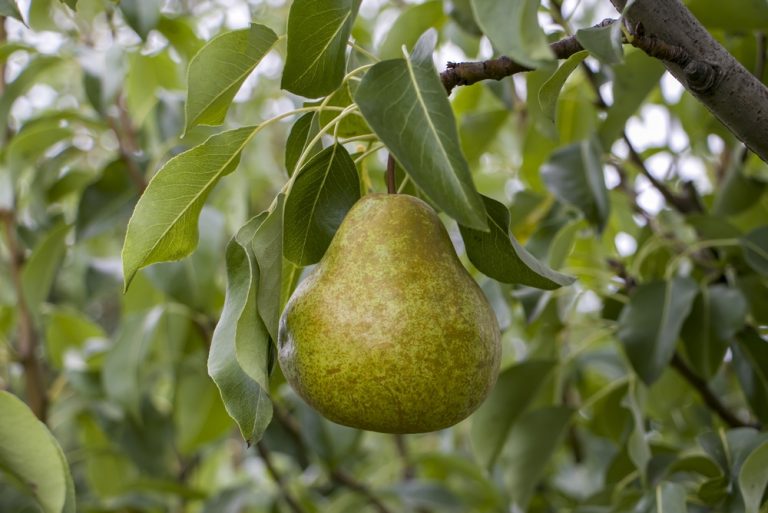
A pear can look like a botanical beauty on the outside, then reveal a mushy, brown surprise when the knife reaches the center. That frustrating problem happens because pears naturally ripen from the core outward, so the inside can become soft and overripe while the surface still looks perfectly respectable. The trick lies in knowing…
Can You Cut Back Mint Hard Without Losing the Plant?
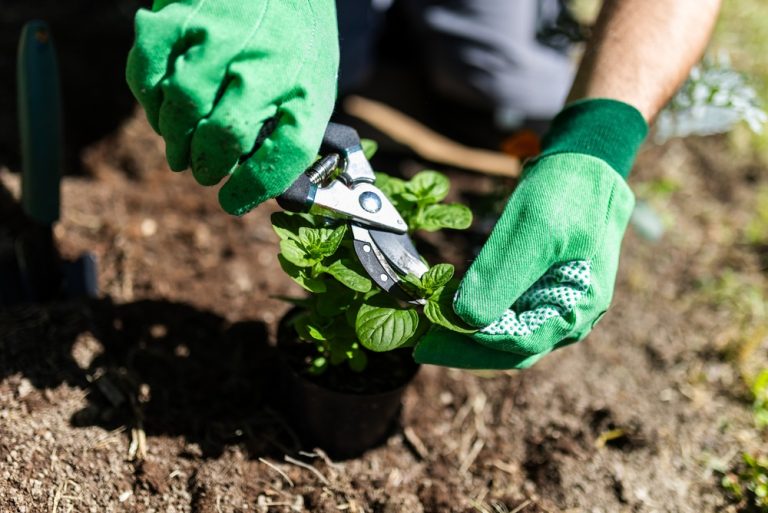
Believe it or not, mint can take a surprisingly serious haircut without disappearing from the garden forever. In fact, cutting back an overgrown mint plant can encourage fresh shoots, improve its shape, and give gardeners another pile of fragrant leaves for tea, cooking, or drying. The trick involves knowing the difference between a confident pruning…
7 Low-Cost Ways to Protect Grapes as They Begin to Sweeten
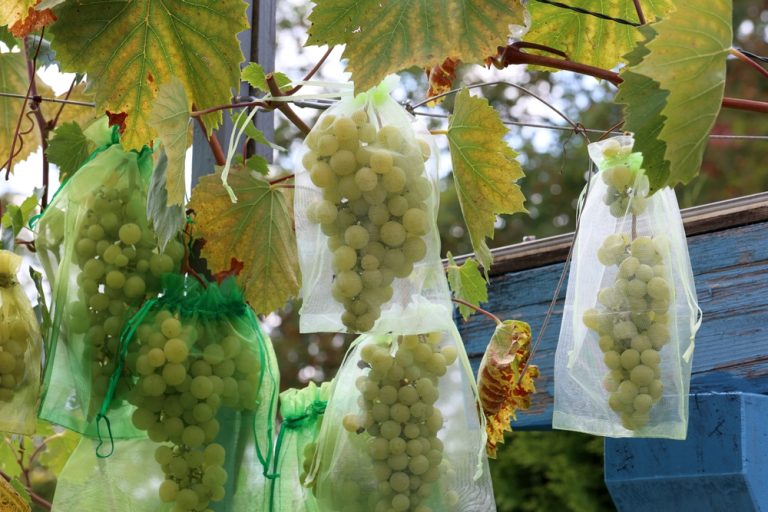
Nothing tests a gardener’s patience quite like watching grape clusters finally plump up, only to discover that birds, wasps, raccoons, or hungry squirrels noticed them first. The weeks before harvest bring the biggest reward, but they also attract every creature in the neighborhood that appreciates a sugary snack. Protecting grapes during this stage often makes…
5 Ways to Stabilize Pepper Plants Loaded With Fruit
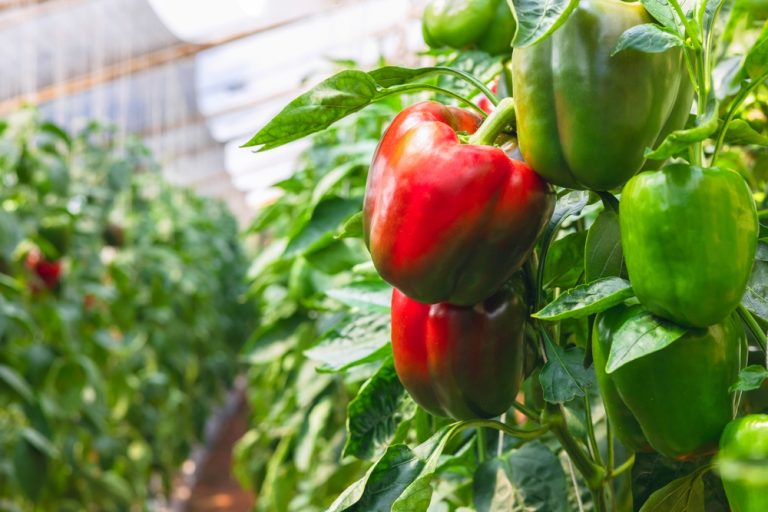
Pepper plants love to surprise gardeners. One week they look compact and tidy, and the next they carry so many glossy peppers that branches lean, bend, and sometimes snap right in the middle of the season. A plant that looked perfectly balanced in June can suddenly resemble a gymnast attempting an impossible pose by August….
5 Reasons a White Film Appears on Garden Soil
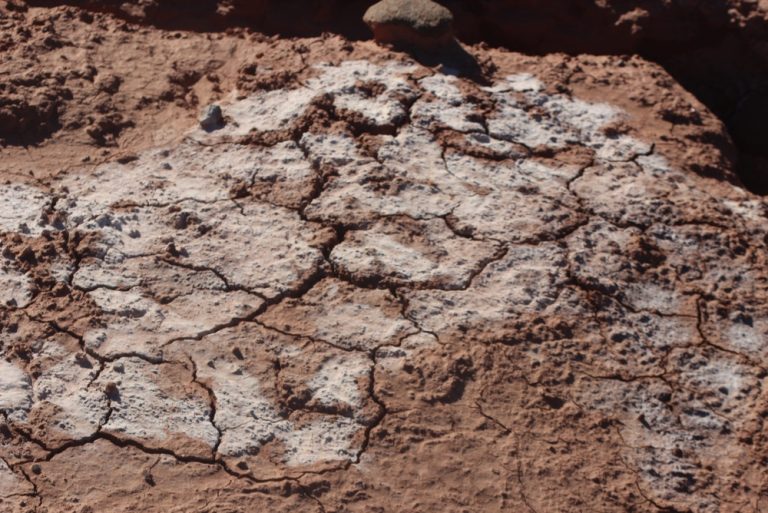
A white film across garden soil can make a healthy planting bed look like it belongs in a science experiment. That powdery layer often signals changes happening beneath the surface, and identifying the cause helps gardeners protect their plants and improve soil quality. Thankfully, a white coating does not automatically mean disaster has moved into…
6 Garden Tasks That Are Safer to Skip During Peak Afternoon Heat

The afternoon sun can turn a peaceful garden session into a sweaty battle against heat, fatigue, and a wilting collection of unhappy plants. Some garden chores simply work better in the cooler morning or evening hours, especially when temperatures climb and the soil feels like a baked clay pot. Smart gardeners know that timing matters…
6 Signs Garden Soil Is Too Warm for Newly Sown Seeds
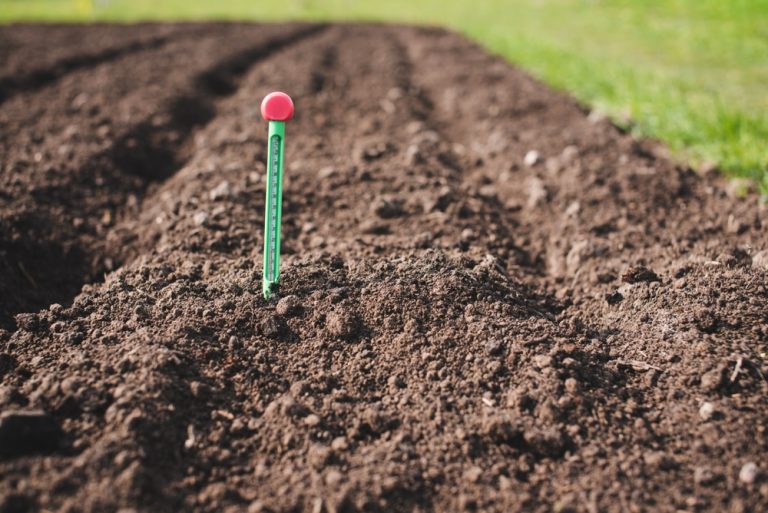
Spring often gets all the glory for seed starting, but plenty of gardeners sow seeds well into summer. That strategy works beautifully until the soil turns into something closer to a heated blanket than a cozy bed for tiny seedlings. Warm soil encourages many crops, but every seed has a comfort zone, and crossing that…