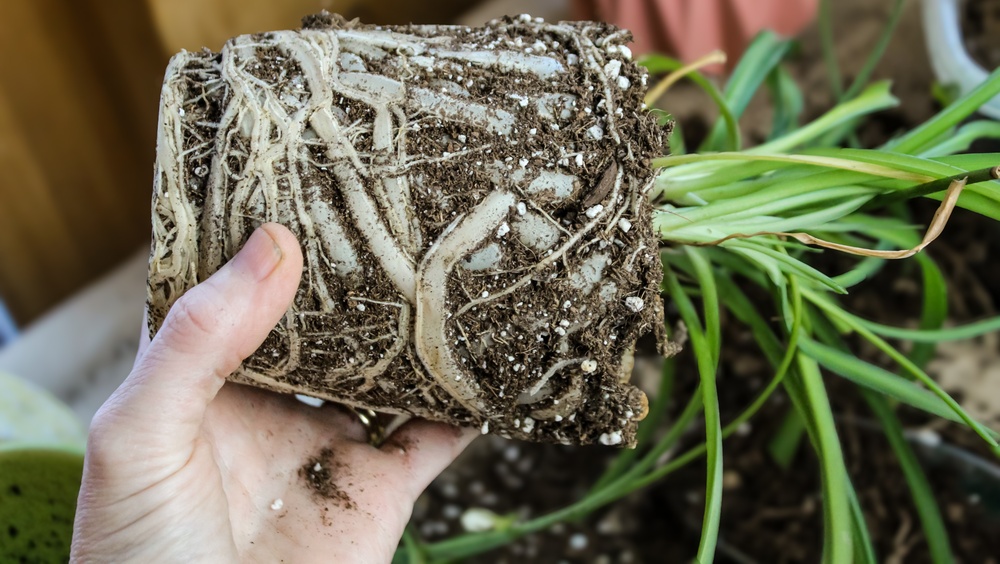
A successful garden always starts below the surface where roots quietly build the foundation for everything that follows. Strong roots determine how well plants absorb nutrients, handle stress, and survive unpredictable weather. Many gardeners across the country search for safer, more natural ways to boost growth without leaning on harsh synthetic chemicals.
Nature already offers powerful solutions that support deep, resilient root systems when used correctly. These natural boosters not only improve plant performance but also enrich soil health for seasons to come.
1. Seaweed Extract Supercharges Early Root Development
Seaweed extract delivers a concentrated mix of trace minerals, natural hormones, and growth stimulants that plants absorb quickly. Gardeners across coastal and inland regions in the United States rely on it to jumpstart weak seedlings and stressed transplants. This natural booster encourages root elongation while also improving a plant’s ability to tolerate drought and temperature swings. Many commercial nurseries use seaweed-based formulas during early propagation because they consistently improve survival rates. Regular applications help plants build dense, fibrous root systems that anchor them firmly into the soil.
Seaweed extract also supports microbial activity around the root zone, which strengthens nutrient exchange. Plants respond with greener leaves and more vigorous overall growth because roots access nutrients more efficiently. Gardeners often notice faster recovery after transplant shock when seaweed extract becomes part of the routine. This booster works especially well for vegetables, ornamentals, and fruiting plants that demand steady development. Consistent use creates a strong foundation that sets the stage for long-term garden success.
2. Compost Tea Awakens Soil Life for Stronger Roots
Compost tea delivers a living infusion of beneficial microbes that transform soil into an active ecosystem. Gardeners brew it by steeping finished compost in aerated water, creating a nutrient-rich liquid that feeds roots directly. This solution boosts microbial populations that break down organic matter and release essential nutrients. Across American backyard gardens, compost tea helps tired soil bounce back after heavy planting seasons. Plants respond with stronger root expansion and improved resistance to disease.
Compost tea also improves soil structure by encouraging beneficial fungi and bacteria to thrive. These microorganisms form symbiotic relationships with roots, increasing their access to nutrients and water. Many gardeners apply it during early growth stages to give seedlings a powerful head start. The liquid form allows plants to absorb nutrients quickly without overwhelming delicate root systems. Over time, compost tea builds healthier soil that supports consistent, reliable plant growth.
3. Mycorrhizal Fungi Build Underground Root Networks
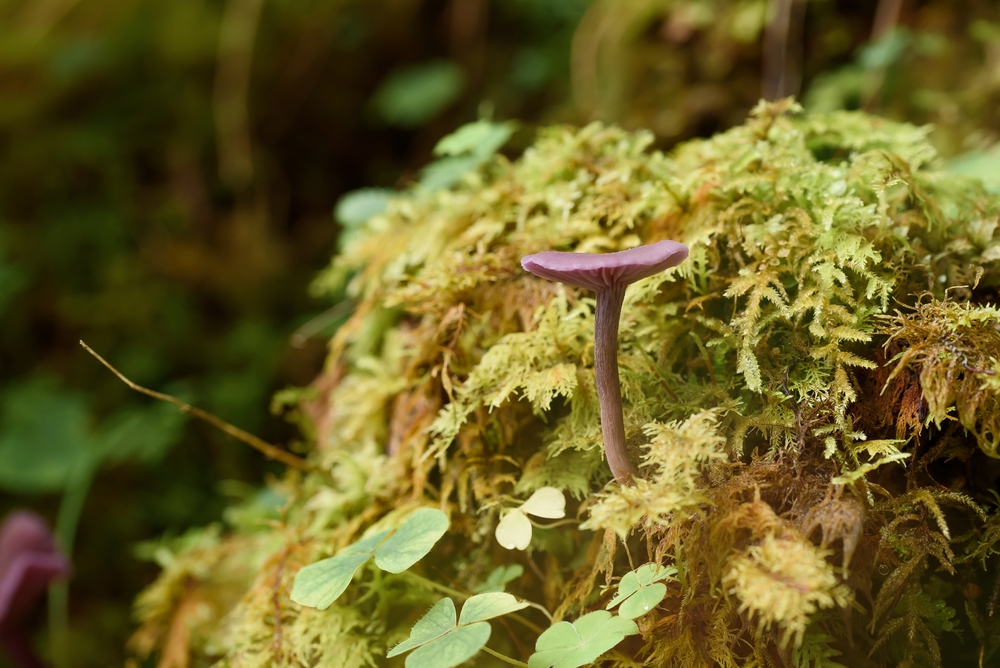
Mycorrhizal fungi form natural partnerships with plant roots and expand their reach far beyond what roots can achieve alone. These beneficial fungi attach to root systems and extend thread-like structures deep into the soil. This underground network increases water absorption and nutrient uptake, especially phosphorus and nitrogen. Gardeners across the United States use mycorrhizal inoculants when planting trees, shrubs, and vegetables. Plants establish faster and show stronger resistance to environmental stress.
Mycorrhizal fungi also help plants communicate and share resources within the soil ecosystem. This cooperation allows weaker plants to survive challenging conditions by tapping into shared nutrients. Many agricultural professionals recommend applying these fungi during transplanting to maximize root establishment. Once established, the fungi continue working throughout the plant’s life cycle. This natural relationship creates long-term soil resilience that synthetic fertilizers cannot replicate.
4. Fish Emulsion Delivers Fast-Acting Root Nutrition
Fish emulsion provides a powerful blend of nitrogen, phosphorus, and organic compounds that fuel rapid root development. Gardeners dilute this liquid fertilizer and apply it directly to soil for quick absorption. This natural booster supports early growth stages when plants demand high energy for root expansion. Many vegetable growers in the United States rely on fish emulsion to strengthen crops like tomatoes, peppers, and leafy greens. Plants respond quickly with visible growth improvements within days of application.
Fish emulsion also enhances soil biology by feeding beneficial microorganisms that support root health. Its organic composition ensures nutrients release steadily without overwhelming plants. Gardeners often use it as a weekly or biweekly supplement during peak growing seasons. The strong aroma fades quickly but leaves behind long-lasting nutritional benefits. Consistent use helps plants build sturdy root systems that support heavy flowering and fruit production.
5. Aloe Vera Solution Protects and Stimulates Root Growth
Aloe vera contains enzymes, amino acids, and natural growth compounds that support root healing and expansion. Gardeners blend fresh aloe gel with water to create a gentle rooting solution for cuttings and young plants. This natural booster helps reduce transplant stress and encourages faster root formation. Across home gardens in the United States, aloe vera often serves as a simple yet effective alternative to synthetic rooting hormones. Plants treated with aloe solutions often establish more quickly and show improved resilience.
Aloe vera also offers mild antimicrobial properties that protect delicate roots from harmful pathogens. This protection helps seedlings survive in challenging soil conditions where disease pressure runs high. Gardeners appreciate its versatility because it works well for both indoor and outdoor plants. The solution remains safe for frequent use without disrupting soil balance. Over time, aloe vera supports steady, healthy root development that leads to stronger overall plant growth.
Strong Roots, Strong Harvest Starts Here
Every successful garden begins beneath the surface where roots determine everything from nutrient uptake to drought resistance. Natural boosters like seaweed extract, compost tea, mycorrhizal fungi, fish emulsion, and aloe vera solution work together to create a thriving underground environment. These tools help gardeners build healthier soil instead of relying on quick chemical fixes that fade over time. Strong roots lead to stronger plants, and stronger plants deliver better harvests, brighter blooms, and more reliable growth. Choosing natural methods gives gardens a long-term advantage that pays off season after season.
What natural booster has made the biggest difference in your garden so far, and why do you trust it most? Hop into our comments below to talk about it.
You May Also Like…
7 Soil Amendments Many Gardeners Forget to Use That Improve Plant Growth
Why Growth Stalls Even When Conditions Seem Perfect
Electroculture Gardening: Innovative Techniques for Enhancing Plant Growth
Why Early Growth Doesn’t Always Lead to Strong Yields
7 Strategies to Protect Growth During Early Heat Waves

Brandon Marcus is a staff writer for FrugalGardening.com at District Media, Inc., where he delivers practical gardening advice with a relatable, no-nonsense style. An avid amateur gardener, he holds a BA degree and with over ten years of professional writing experience, he is also an award-winning published author whose first book, Questions For Deep Thinkers, was released by Adams Media. His work has appeared in major publications including Fandom.com, CHUD.com, TheColdWire.com, and Fansided.com.
Leave a Reply