Summer gardens bring fast growth, big dreams, and unfortunately, a few frustrating surprises. One week everything looks lush, and the next week leaves curl, fruit stops forming, or pests move in like they pay rent. Most beginner mistakes don’t come from neglect—they come from enthusiasm paired with the wrong timing or technique. A few small missteps can quietly cut harvests in half without any obvious warning. This guide breaks down the most common summer gardening mistakes so plants get a stronger, more reliable season.
Each mistake below shows what goes wrong in real gardens and how to fix it before damage spreads. Simple adjustments often turn struggling plants into productive ones within days. Summer rewards consistency, observation, and smart timing more than complicated tools or expensive products.
1. Watering on a Random Schedule
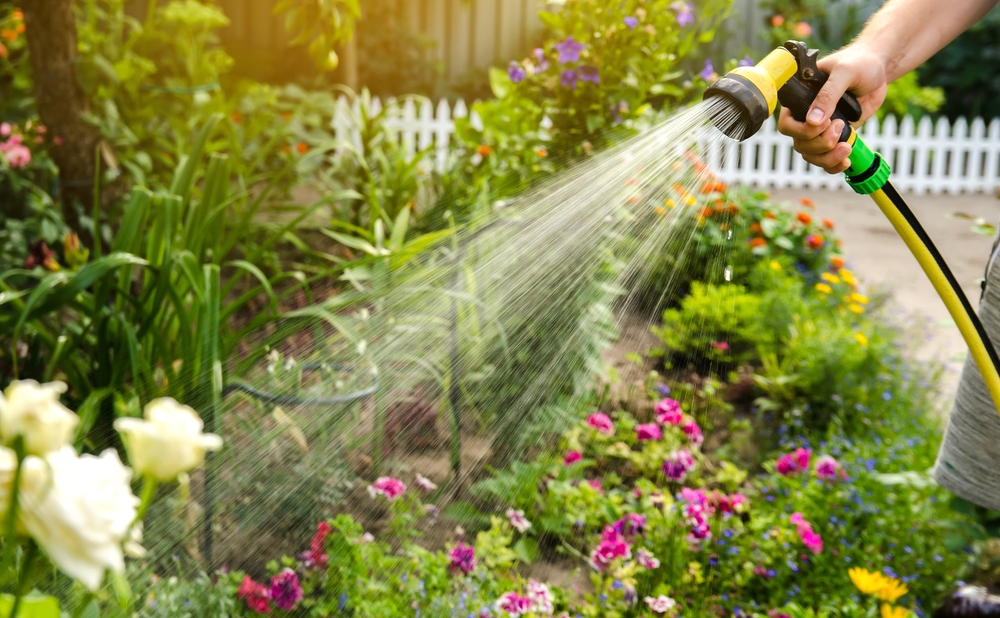
Watering whenever it feels right creates stress for plants because soil moisture swings too much. Hot summer days dry soil quickly, especially in containers and raised beds. Plants respond with drooping leaves, cracked soil, and reduced fruit production. Inconsistent watering also weakens root systems over time. A steady routine keeps moisture levels stable and predictable.
Morning watering gives plants the best chance to absorb moisture before heat rises. Evening watering can work, but lingering moisture sometimes invites fungal problems. Checking soil depth before watering prevents overdoing it. A simple finger test about two inches down reveals real moisture levels. Reliable watering habits create stronger, more resilient gardens.
2. Planting Everything Too Close Together
Crowded plants compete for sunlight, nutrients, and airflow during peak summer growth. Beginners often squeeze in extra seedlings, hoping for bigger harvests. Instead, plants struggle, grow smaller, and attract more pests. Tight spacing also blocks airflow and increases disease risk. Space matters more than quantity in most summer gardens.
Tomatoes, peppers, and squash need room to spread without overlapping leaves. Seed packets usually list spacing for a reason, not as a suggestion. Proper spacing allows sunlight to reach lower leaves and soil surfaces. Better airflow reduces fungal issues like powdery mildew. A well-spaced garden often produces more food than a crowded one.
3. Ignoring Heat Stress Signs
Summer heat pushes plants to their limits, especially during heat waves above 90°F. Leaves curl, edges brown, and flowers drop when plants struggle to cope. Many beginners assume these symptoms mean pests or disease, but heat stress often causes the issue. Plants reduce activity to survive extreme temperatures. Early recognition helps prevent long-term damage.
Providing shade during peak afternoon hours protects sensitive crops like lettuce and spinach. Mulch also helps regulate soil temperature and retain moisture. Lightweight shade cloths make a big difference in extreme conditions. Even temporary relief during hot spells improves plant recovery. Heat management keeps summer gardens productive instead of stressed.
4. Over-Fertilizing for Faster Growth
More fertilizer does not equal better results, especially during summer growth spurts. Excess nutrients push plants to grow weak, leafy stems instead of strong structures and fruit. Burned leaf edges and stunted growth often signal overfeeding. Many beginners double fertilizer amounts thinking it boosts production. Instead, it disrupts plant balance.
Slow-release or organic fertilizers work better for steady nutrition. Compost provides a safer, long-term nutrient source without spikes. Feeding every few weeks usually works better than weekly applications. Reading fertilizer labels prevents accidental overuse. Balanced feeding supports steady, healthy production instead of chaotic growth.
5. Letting Pests Build Up Too Long
Summer brings rapid pest activity, from aphids to tomato hornworms. Small infestations grow fast when gardeners delay action. Leaves develop holes, curl, or show sticky residue before damage becomes obvious. Waiting too long allows pests to multiply quickly. Early intervention always reduces long-term damage.
Daily or every-other-day plant checks catch problems early. Spraying insecticidal soap or neem oil controls many common pests effectively. Beneficial insects like ladybugs help reduce aphid populations naturally. Hand-picking larger pests works surprisingly well in small gardens. Fast action keeps pest problems manageable.
6. Forgetting to Mulch Soil
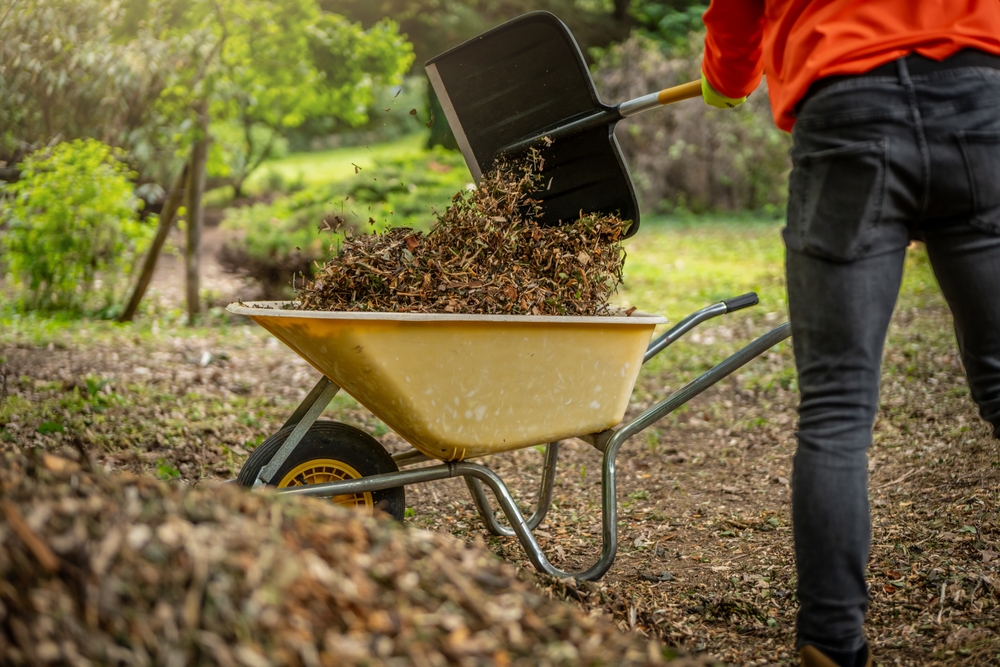
Bare soil heats up quickly and loses moisture fast during summer. Plants suffer when roots sit in hot, dry conditions for long periods. Many beginners skip mulch because it seems optional. That decision often leads to extra watering and stressed plants. Mulch creates a protective barrier that stabilizes soil conditions.
Straw, shredded leaves, and bark chips all work well in garden beds. A two to three inch layer keeps soil cooler and reduces evaporation. Mulch also suppresses weeds that steal nutrients from crops. Gardeners often notice fewer watering needs after mulching. Simple coverage creates major improvements in plant health.
7. Harvesting Too Late or Too Early
Timing matters more than most beginners realize when picking vegetables. Waiting too long produces tough, bitter produce that loses flavor quickly. Harvesting too early reduces yield and wastes potential growth. Many crops have narrow windows for peak quality. Knowing those windows improves results significantly.
Zucchini tastes best when small and tender, not oversized and seedy. Beans should snap cleanly, not bulge inside pods. Tomatoes develop full flavor only after turning fully colored on the vine. Frequent harvesting encourages more production in many plants. Proper timing improves both taste and yield.
8. Relying Only on Chemical Solutions
Chemical sprays solve some problems quickly but do not address root causes. Overuse disrupts beneficial insects that naturally control pests. Soil health often declines when gardeners rely only on synthetic fixes. Many beginners use chemicals as a first response instead of a last option. That habit weakens long-term garden balance.
Integrated approaches work better for summer gardens. Companion planting, crop rotation, and physical barriers reduce pest pressure naturally. Healthy soil builds stronger plant defenses over time. Combining methods creates more stable results. Balanced strategies reduce dependency on quick chemical fixes.
9. Ignoring Weed Pressure Early
Weeds grow aggressively during summer heat and compete directly with crops. Small weeds often look harmless but spread fast underground and above ground. They steal water, nutrients, and sunlight from garden plants. Waiting too long makes removal harder and more time-consuming. Early action prevents larger problems.
Hand-pulling weeds after watering makes removal easier. Mulch blocks new weed growth effectively. Consistent weekly maintenance keeps weed pressure low. Ignoring weeds for even a few weeks creates major cleanup work. Early control saves time and improves yields.
10. Using the Wrong Plant Support
Plants like tomatoes, cucumbers, and beans need proper support systems. Weak stakes or late installation leads to broken stems and tangled growth. Many beginners underestimate how heavy summer crops become. Unsupported plants collapse under fruit weight. Strong structure prevents damage and improves airflow.
Cages, trellises, and stakes should go in early, not after plants grow large. Secure ties prevent stem injury during wind or storms. Vertical growing saves space and improves harvest access. Proper support increases productivity and plant health. Strong structure equals stronger gardens.
11. Skipping Daily Observation
Summer gardens change quickly, sometimes within a single day. Skipping regular checks allows problems to spread unnoticed. Yellowing leaves, pests, or watering issues escalate fast in heat. Many beginners only visit gardens when watering or harvesting. That approach misses early warning signs.
A quick daily walk reveals subtle changes early. Noticing leaf texture, soil moisture, and insect activity improves response time. Small observations prevent big losses. Experienced gardeners rely on frequent checks more than guesswork. Consistent attention keeps gardens stable and productive.
The Summer Garden Mindset That Changes Everything
Summer gardening rewards attention, timing, and steady habits more than luck or expensive tools. Most mistakes come from rushing decisions or skipping small maintenance steps. Each correction in this list builds stronger plants and better harvests over time. Gardens improve quickly when observation becomes a daily habit. Small changes often create the biggest differences in results.
What gardening mistake has caused the biggest headache during summer growing seasons, and what fix worked best?
You May Also Like…
8 Beginning Gardening Tips That Will Make You a Better Grower
The Pest Cycle That Begins in Late Spring
What Garden Experts Say Most Beginners Get Wrong in January
Never Buy Seeds Again: How to Save Seeds From Your Spring Crops
It’s Not Too Late! Start Sweet Potatoes and Pumpkins Now With Money-Saving Tips

Brandon Marcus is a staff writer for FrugalGardening.com at District Media, Inc., where he delivers practical gardening advice with a relatable, no-nonsense style. An avid amateur gardener, he holds a BA degree and with over ten years of professional writing experience, he is also an award-winning published author whose first book, Questions For Deep Thinkers, was released by Adams Media. His work has appeared in major publications including Fandom.com, CHUD.com, TheColdWire.com, and Fansided.com.
Leave a Reply