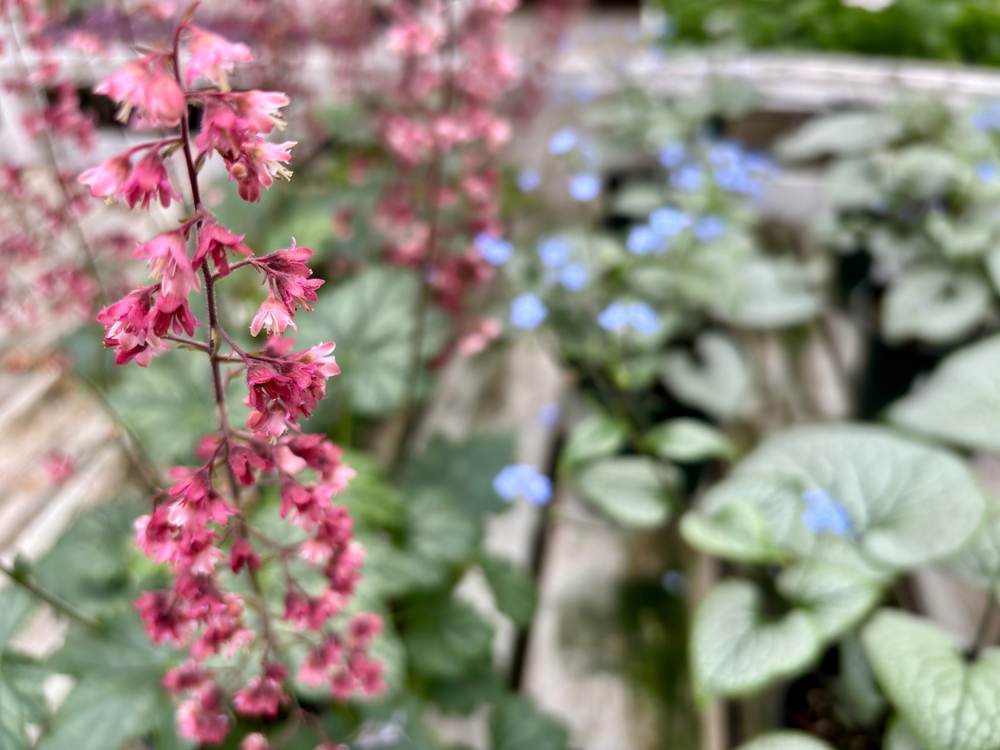
Gardens with partial sun often frustrate homeowners who crave color but lack blazing all-day light. Morning sun fades by lunchtime, trees cast shifting shadows, and many popular flowers pout the second conditions change. Fortunately, several tough, dependable plants absolutely love that middle-ground environment and reward gardeners with steady blooms, vibrant foliage, and strong performance season after season.
The best partial sun plants do more than merely survive. They hold their shape during summer heat, bounce back after storms, and keep producing color when fussier plants collapse dramatically. Smart gardeners across America rely on these dependable performers because they thrive in real-life yards instead of only looking good in nursery photos.
1. Coral Bells Bring Color Even Without Flowers
Coral bells brighten partial sun gardens with foliage that practically glows from spring through fall. Modern varieties showcase dramatic shades like caramel, lime green, silver, burgundy, and deep purple, which gives garden beds a layered designer look without requiring constant maintenance. Unlike many flowering plants that peak briefly and fade, coral bells keep contributing visual interest for months at a time. Landscapers often tuck them along pathways, beneath small trees, or around patios where their colorful leaves soften hard edges beautifully. Strong drainage helps them thrive, but once established, these plants handle changing weather conditions surprisingly well.
Garden centers now stock dozens of improved heuchera varieties bred specifically for heat tolerance and stronger performance. Many homeowners pair them with ferns, hostas, or hydrangeas to create lush, magazine-worthy combinations in shady corners. Deer rarely bother coral bells, which instantly boosts their value in suburban neighborhoods where hungry wildlife destroys everything else overnight. During especially hot summers, a layer of mulch helps keep roots cool and encourages fuller growth. Even beginner gardeners succeed with coral bells because the plants offer consistent payoff without demanding expert-level care.
2. Astilbe Creates Feathered Drama In Dim Spaces
Astilbe turns overlooked garden corners into vibrant focal points with tall, fluffy plumes that rise above fern-like foliage. Pink, white, peach, and ruby-red blooms appear during early to midsummer and create a soft, romantic look that feels straight out of a woodland retreat. These plants thrive in partial sun locations that stay slightly moist, making them perfect for spots near downspouts, ponds, or shaded patios. Unlike thirsty annuals that wilt dramatically after one hot afternoon, astilbe maintains its elegant appearance with surprisingly little drama. The textured foliage also stays attractive long after blooms fade.
Experienced gardeners frequently rely on astilbe when designing layered perennial beds because the plant adds height without overwhelming neighboring flowers. In hotter parts of America, afternoon shade keeps blooms fresher and prevents leaf scorch during July heat waves. Astilbe also attracts pollinators, which helps support butterflies and beneficial insects throughout the growing season. Many varieties grow between 18 and 36 inches tall, making them versatile enough for borders or centerpiece plantings. When grouped in clusters, astilbe creates a lush, resort-style effect that elevates even modest backyard spaces.
3. Hostas Still Dominate Partial Shade Gardens
Hostas continue ruling partial shade gardens because they deliver dependable texture, size, and durability year after year. Giant blue-green leaves, compact variegated forms, and heavily rippled varieties provide endless design possibilities for gardeners who want a polished landscape without constant replanting. Some newer hostas tolerate more sun than older varieties, especially when gardeners keep soil evenly moist during summer. Their broad foliage instantly fills empty spaces and suppresses weeds naturally, which cuts down on maintenance significantly. Few plants offer such dramatic visual impact with so little effort.
Slugs occasionally target hostas, but gardeners now use simple solutions like crushed eggshells, cedar mulch, or shallow beer traps to minimize damage effectively. Many homeowners mix hostas with flowering perennials so beds maintain structure even when blooms cycle in and out. Larger varieties often anchor front-yard landscaping beneath mature trees where grass struggles miserably. Container gardeners also love compact hostas because they thrive beautifully in pots placed near porches and entryways. Thanks to thousands of available cultivars, gardeners easily find options that suit nearly every climate and aesthetic style.
4. Bleeding Hearts Deliver Classic Cottage Charm
Bleeding hearts create instant nostalgia with delicate heart-shaped blooms that dangle gracefully from arching stems in spring. Their soft pink flowers bring a classic cottage-garden feel to partially shaded landscapes, especially when planted beside stone walkways or rustic fences. Cooler morning sun encourages stronger flowering and helps plants stay attractive longer into the season. Although older varieties sometimes faded quickly during summer heat, newer cultivars offer improved resilience and extended blooming periods. Gardeners appreciate that combination of old-fashioned beauty and modern reliability.
These plants pair exceptionally well with hostas and ferns because their delicate flowers contrast beautifully against bold green foliage. Many gardeners intentionally position bleeding hearts near patios or windows where the intricate blooms receive maximum attention during spring. Consistent moisture encourages lush growth, but soggy soil quickly creates problems, so drainage matters greatly. Once established, bleeding hearts return faithfully each year and gradually expand into impressive clumps. Their timeless appearance makes gardens feel welcoming, relaxed, and deeply connected to traditional American landscaping styles.
5. Japanese Forest Grass Adds Movement And Texture
Japanese forest grass introduces graceful movement into partial sun gardens where stiff shrubs and static flower beds often dominate visually. Its cascading blades sway beautifully in light breezes and soften hard landscape lines with almost waterfall-like texture. Gold-striped varieties brighten darker spaces dramatically and reflect sunlight in a way that makes shaded gardens feel more open and lively. Unlike aggressive ornamental grasses that spread uncontrollably, Japanese forest grass grows in tidy mounds that stay manageable over time. Garden designers frequently use it near pathways, water features, and retaining walls for a refined, upscale appearance.
Patience matters slightly with this plant because it establishes slowly during the first season before accelerating noticeably later on. Once mature, however, it requires very little attention beyond occasional watering during drought periods. Gardeners often combine it with black mulch or dark stone because the bright foliage creates stunning contrast against deeper background colors. In cooler regions, the grass develops warm golden tones during fall, extending seasonal interest well beyond summer. Few partial shade plants create such an elegant effect while remaining remarkably low maintenance.
6. Hydrangeas Shine Brightly With Morning Sun
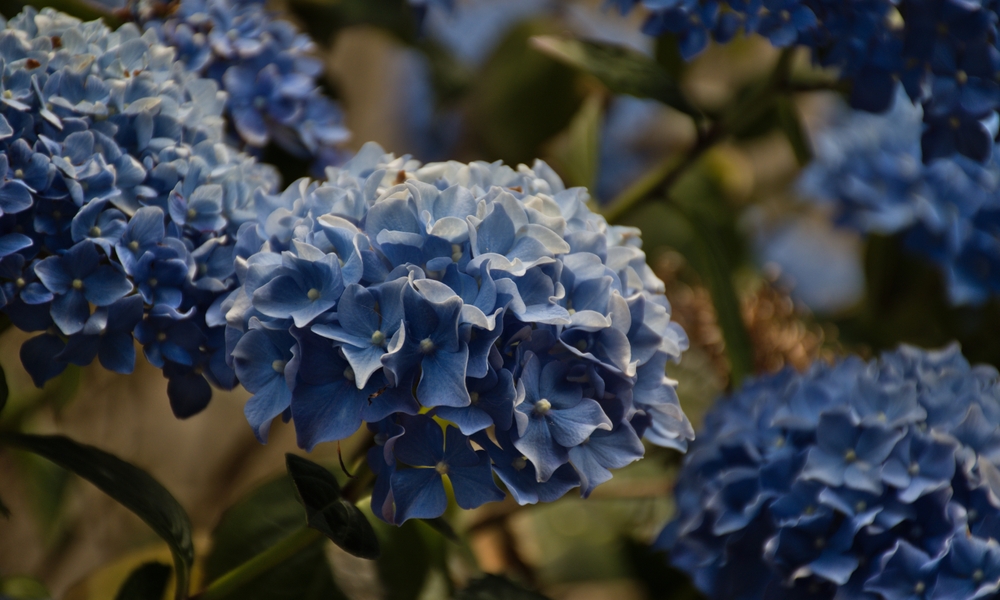
Many hydrangeas thrive in partial sun conditions where they receive bright morning light and cooling afternoon shade. This balance encourages abundant blooms without exposing delicate flowers to scorching midday heat that causes rapid fading. Bigleaf hydrangeas especially perform beautifully in these conditions and produce massive blue, pink, or purple flower heads that dominate summer landscapes. Gardeners throughout America prize hydrangeas because they create dramatic curb appeal with relatively straightforward care. Strong moisture retention and occasional pruning keep them looking lush and productive for years.
Partial sun also helps hydrangea blooms last longer during brutal summer temperatures that stress fully exposed plants. Some gardeners even adjust soil acidity intentionally to influence bloom color, which adds a fun experimental aspect to growing these shrubs. Hydrangeas fit effortlessly into traditional suburban landscapes, cottage gardens, and modern foundation plantings alike. Their blooms also dry beautifully for indoor arrangements, extending enjoyment well beyond the garden itself. Few shrubs match their combination of reliability, versatility, and sheer visual impact.
7. Lungwort Offers Early Color And Stunning Foliage
Lungwort earns far more admiration today than its unfortunate name suggests. This dependable perennial produces charming clusters of pink, blue, or violet flowers during early spring while showcasing silver-speckled leaves that remain attractive long afterward. Partial sun conditions encourage stronger foliage color and healthier overall growth, especially in regions with hot summers. Gardeners value lungwort because it wakes up early in the season and fills gaps before many other plants fully emerge. That early performance gives landscapes an immediate boost after long winters.
Modern lungwort varieties resist mildew far better than older selections, which makes them increasingly popular among low-maintenance gardeners. Their compact growth habit works especially well along pathways, woodland gardens, and shaded borders where larger plants would overwhelm the space. Pollinators also appreciate those early-season flowers when food sources remain somewhat limited. Consistent moisture helps lungwort look its best, though established plants handle brief dry spells reasonably well. The foliage alone keeps this plant attractive long after blooming ends, making it a strong value pick for practical gardeners.
A Smarter Garden Starts With The Right Plants
Partial sun gardens no longer need to settle for second-best landscaping. These dependable plants prove that filtered light and shifting shade can support lush textures, vibrant blooms, and eye-catching color throughout the growing season. Instead of fighting difficult conditions with struggling sun lovers, savvy gardeners choose plants naturally suited to the environment and enjoy far better results with less frustration. Reliable performance matters, especially when busy homeowners want beauty without endless maintenance battles.
Which of these dependable partial sun favorites deserves a spot in the garden this year?
You May Also Like…
7 Partial Shade Picks That Thrive Without Full Sun
The Sunlight Rule: Why Placement Determines Growth Success
7 Sun-Loving Houseplants That Actually Refuse To Die In Direct Light
12 Plants That Love Shade and Flourish Where Sun Won’t
The Hidden Benefits of Bare Branches — How Sunlight Changes Your Garden Layout

Brandon Marcus is a staff writer for FrugalGardening.com at District Media, Inc., where he delivers practical gardening advice with a relatable, no-nonsense style. An avid amateur gardener, he holds a BA degree and with over ten years of professional writing experience, he is also an award-winning published author whose first book, Questions For Deep Thinkers, was released by Adams Media. His work has appeared in major publications including Fandom.com, CHUD.com, TheColdWire.com, and Fansided.com.
Leave a Reply