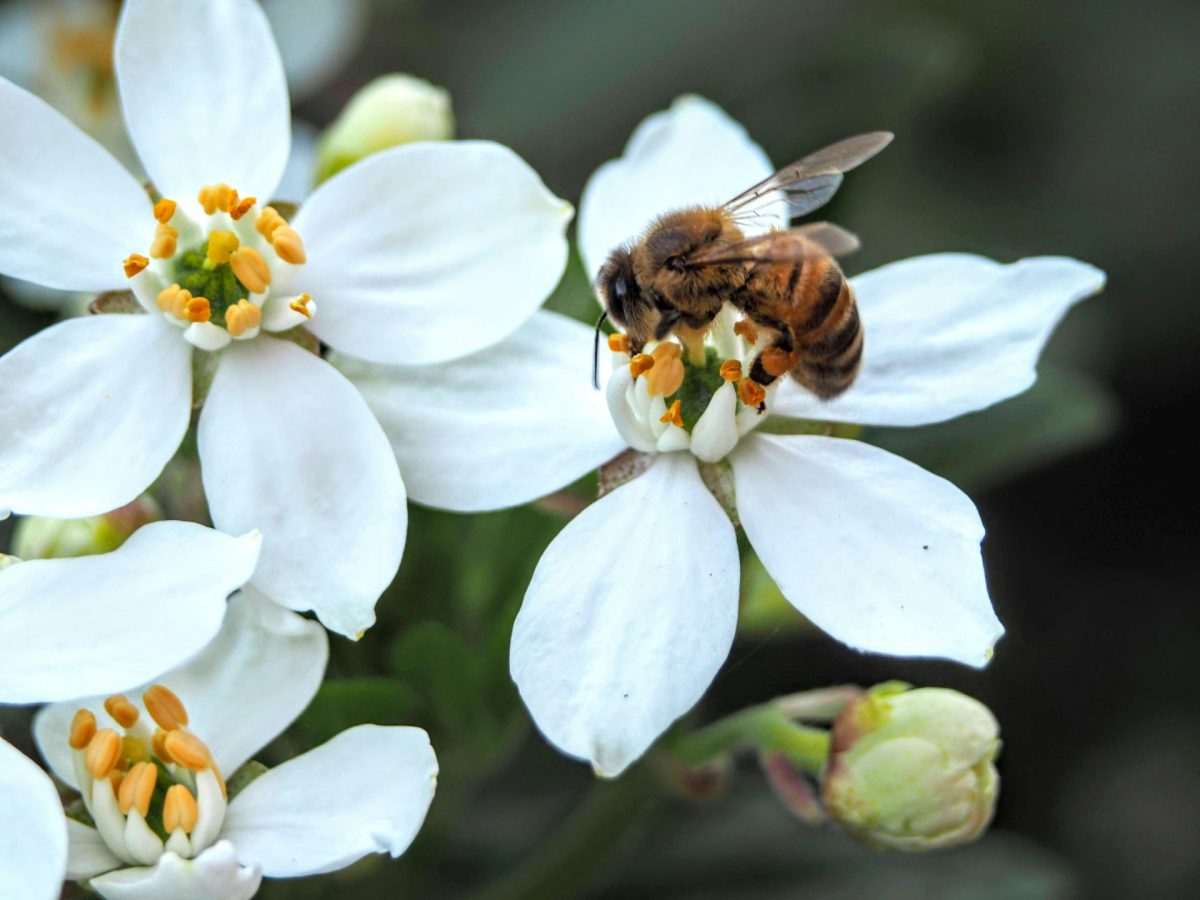
A quiet revolution has started in neighborhoods across the country, and it has nothing to do with new paint colors or fancy outdoor furniture. Homeowners increasingly swap large stretches of grass for colorful pollinator gardens filled with flowers, native plants, and buzzing wildlife. What once looked like a perfectly trimmed lawn now often features coneflowers, milkweed, bee balm, black-eyed Susans, and other plants that attract beneficial insects.
The change delivers more than visual appeal because pollinator gardens can reduce maintenance costs, lower water usage, and support local ecosystems. As more people discover these benefits, the traditional lawn no longer holds the same appeal it once did.
The Traditional Lawn Is Losing Its Appeal
For decades, homeowners treated the perfect lawn as a symbol of pride and good property maintenance. Many spent weekends mowing, fertilizing, watering, edging, and battling weeds just to keep grass looking uniform. That routine consumed countless hours and often required expensive equipment, chemicals, and irrigation systems. Rising water costs and growing environmental awareness have caused many people to reconsider whether endless grass actually makes sense. A growing number of homeowners now view lawns as high-maintenance spaces that provide little value beyond appearance.
Pollinator gardens offer a refreshing alternative because they transform outdoor areas into vibrant living landscapes. Instead of supporting a single plant species, these gardens welcome a diverse mix of flowers and grasses that serve important ecological functions. Homeowners often discover that pollinator-friendly spaces create more visual interest than traditional lawns. Seasonal blooms add changing colors and textures throughout the year, making the yard feel dynamic rather than predictable. That combination of beauty and practicality continues to attract gardeners of all experience levels.
Pollinators Need More Help Than Ever
Bees, butterflies, moths, hummingbirds, and other pollinators play a critical role in food production and plant reproduction. Many fruits, vegetables, nuts, and flowering plants depend on pollinators to move pollen from one flower to another. Unfortunately, habitat loss, pesticide use, climate shifts, and urban development have reduced available food sources for many pollinator species. As natural habitats disappear, pollinators struggle to find the nectar and pollen they need throughout the growing season. Home gardens can help fill that gap in meaningful ways.
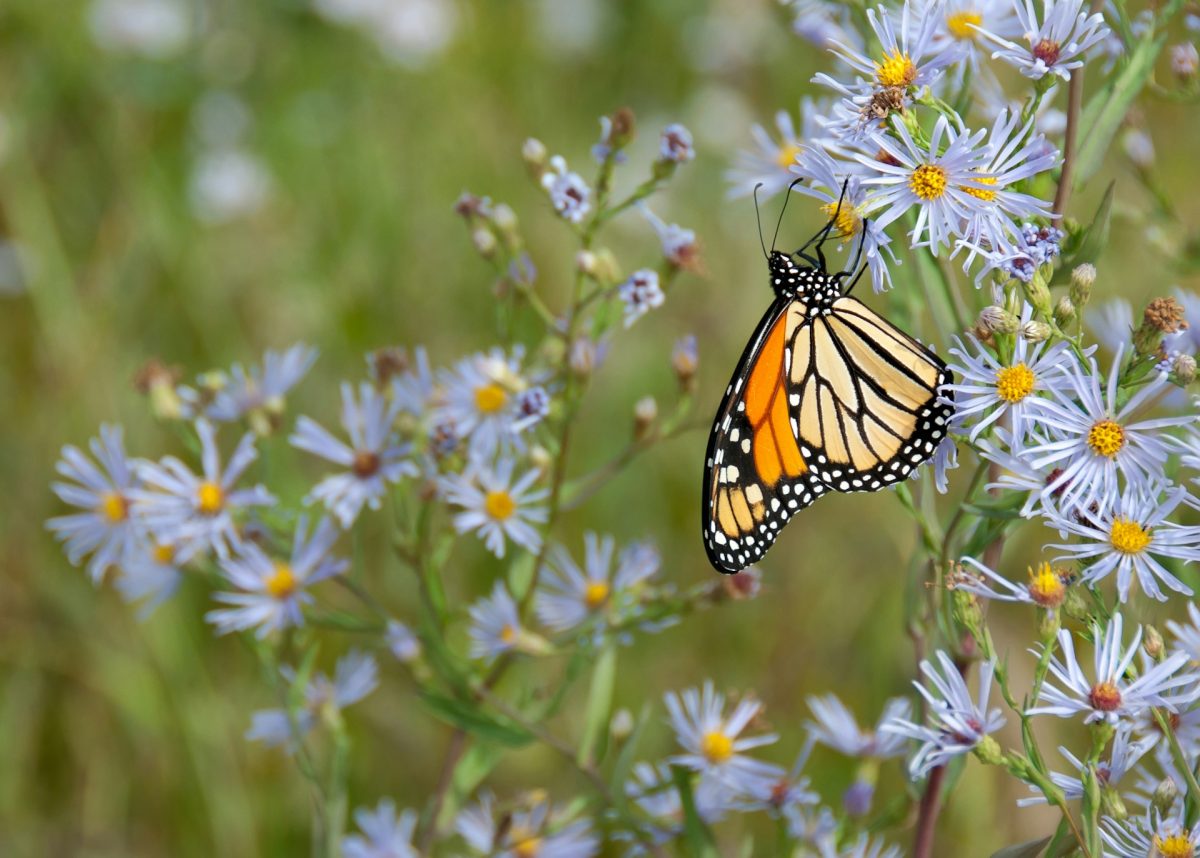
A single pollinator garden may seem small, but thousands of individual gardens across neighborhoods create valuable habitat corridors. Bees can travel between flowering yards while butterflies find places to feed and lay eggs. Monarch butterflies, for example, rely on milkweed as a host plant for their caterpillars. Without enough milkweed, monarch populations face additional challenges during migration and reproduction. Homeowners who plant pollinator-friendly species directly contribute to healthier local ecosystems while enjoying a more lively and colorful landscape.
Pollinator Gardens Often Save Money
Many homeowners initially switch to pollinator gardens because they want to reduce outdoor maintenance expenses. Traditional lawns frequently require regular watering, fertilizer applications, fuel for mowing equipment, and seasonal weed treatments. Those costs add up quickly, especially during hot summers when grass demands extra irrigation. A well-designed pollinator garden can significantly reduce water consumption once plants become established. Native plants often adapt naturally to local rainfall patterns and soil conditions.
The savings do not stop with water bills. Homeowners often spend less time mowing because flowers and native grasses replace large sections of turf. Many native plants also resist common pests and diseases without requiring constant intervention. That means fewer trips to the garden center and fewer chemical treatments throughout the season. While establishing a pollinator garden requires an upfront investment, many gardeners find that long-term maintenance costs drop considerably over time.
Beauty and Biodiversity Go Hand in Hand
Some homeowners hesitate because they worry pollinator gardens will look messy or unkempt. In reality, thoughtful design creates landscapes that look intentional, organized, and visually stunning. Gardeners can use defined borders, pathways, and groupings of plants to create structure while still supporting wildlife. A carefully planned pollinator garden often becomes the most eye-catching feature on a property. Neighbors frequently stop to admire the colorful blooms and abundance of butterflies.
The variety of life that appears in these gardens often surprises people. Bees visit flowers throughout the day, butterflies drift between blossoms, and birds arrive to feed on seeds and insects. Even small gardens can become busy hubs of activity during peak growing months. That constant movement brings a sense of energy that traditional grass lawns rarely provide. Many gardeners find themselves spending more time outdoors simply watching the fascinating interactions taking place among plants and wildlife.
Getting Started Is Easier Than Many People Think
Creating a pollinator garden does not require removing an entire lawn overnight. Many successful gardeners begin with a small section of their yard and gradually expand over time. Starting small allows homeowners to learn which plants perform best under local conditions. Native plant nurseries and cooperative extension offices often provide excellent recommendations for region-specific species. Choosing plants that bloom during different seasons helps ensure a steady food supply for pollinators throughout the year.
Plant selection matters because different pollinators prefer different flowers. Bees often favor purple, blue, and yellow blooms, while hummingbirds frequently visit red and tubular flowers. Gardeners should also avoid excessive pesticide use because many products can harm beneficial insects. Mulch, proper spacing, and healthy soil practices help plants grow successfully without relying heavily on chemicals. With a little planning, even beginners can create a pollinator-friendly space that looks attractive and functions effectively.
A Backyard That Gives Back
The growing popularity of pollinator gardens reflects a larger shift in how people think about their outdoor spaces. Instead of dedicating every square foot to grass, homeowners increasingly seek landscapes that offer beauty, environmental benefits, and practical savings. Pollinator gardens deliver all three while creating habitats that support essential wildlife. They transform ordinary yards into colorful destinations filled with movement, seasonal interest, and ecological value. As more homeowners make the switch, neighborhoods gain not only prettier landscapes but also healthier ecosystems that benefit everyone.
Have you considered replacing part of your lawn with a pollinator garden, or have you already made the change? Share your experiences, favorite plants, and gardening tips in the comments below.
You May Also Like…
Give Bees and Butterflies a Drink: Create a Pollinator Water Station From Recycled Dishes
Transform Your Yard Into a Pollinator Paradise With These Budget-Friendly Wildflowers
8 Pollinator-Friendly Additions That Increase Garden Activity
How to Boost Pollinators Without Adding Flowers
Affordable Ways to Create Pollinator Habitats That Attract Bees and Butterflies

Brandon Marcus is a staff writer for FrugalGardening.com at District Media, Inc., where he delivers practical gardening advice with a relatable, no-nonsense style. An avid amateur gardener, he holds a BA degree and with over ten years of professional writing experience, he is also an award-winning published author whose first book, Questions For Deep Thinkers, was released by Adams Media. His work has appeared in major publications including Fandom.com, CHUD.com, TheColdWire.com, and Fansided.com.
heard about this on timba radio, decided to give it a try.
I saw one of these in Sao Tome and Principe and I bought one.
I tried to pepper it but got prune all over it.