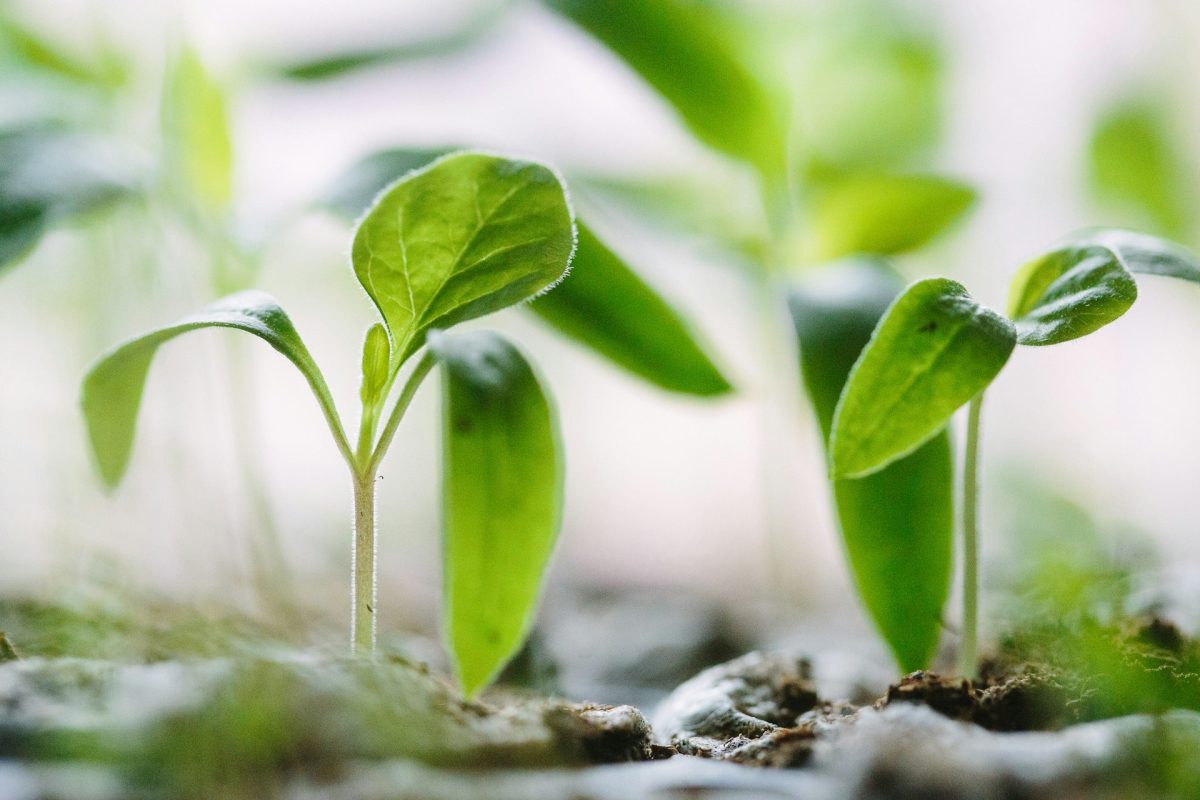
Early growth often tricks gardeners into celebrating too soon. A bed of tall seedlings or fast-spreading leaves can look like a win, yet the harvest later tells a different story. Many growers notice this gap between early excitement and final production, especially in vegetables like tomatoes, peppers, and squash. Plants can shoot upward quickly when conditions feel right on the surface, but deeper systems inside the soil still determine long-term success. Strong yields depend on what happens below ground just as much as what grows above it.
A thriving garden demands patience, observation, and a bit of detective work. Early growth can signal good conditions, but it does not guarantee a productive season. Gardeners who focus only on height and leaf size often miss hidden issues developing in the root zone. Soil structure, nutrient balance, and water movement all shape what the plant can actually sustain. When those elements fall out of balance, plants often stall later, even after a strong start.
Why Early Growth Can Be Misleading in the Garden
Fast early growth often creates excitement because it signals visible progress. Seedlings stretch upward quickly when temperatures warm and nitrogen sits readily available in the soil. That burst of green often convinces gardeners that the season will produce abundant harvests. However, that early surge usually reflects short-term conditions rather than long-term plant strength. Plants can push leaf growth at the expense of root development, which creates imbalance that shows up later in the season.
Gardeners across the United States often notice this pattern in spring gardens. Cool soil warms up, fertilizers kick in, and plants respond with dramatic growth. Yet many of those same plants slow down when fruiting begins. Energy shifts reveal whether roots built enough strength to support heavy production. When roots lag behind early top growth, yields often drop even if the plant looked healthy in May.
Soil Health Sets the Real Foundation
Soil health drives everything a garden produces, even when early growth looks impressive. Healthy soil contains balanced nutrients, stable structure, and active microbial life that supports steady plant development. When soil lacks organic matter, plants often sprint early and struggle later. That imbalance creates a false sense of success during the first few weeks of growth. Gardeners who focus on soil quality set up stronger harvests long before planting begins.
Compacted or depleted soil often creates hidden stress that shows up after the early growth phase. Roots struggle to expand when soil blocks airflow or drains poorly. Plants respond by focusing energy on survival instead of fruit production. Many home gardens in suburban areas face this exact issue after years of repeated planting without soil rebuilding. Compost additions, cover crops, and gentle cultivation restore balance and support long-term yield stability.
Water and Nutrient Balance Drives Yield Stability
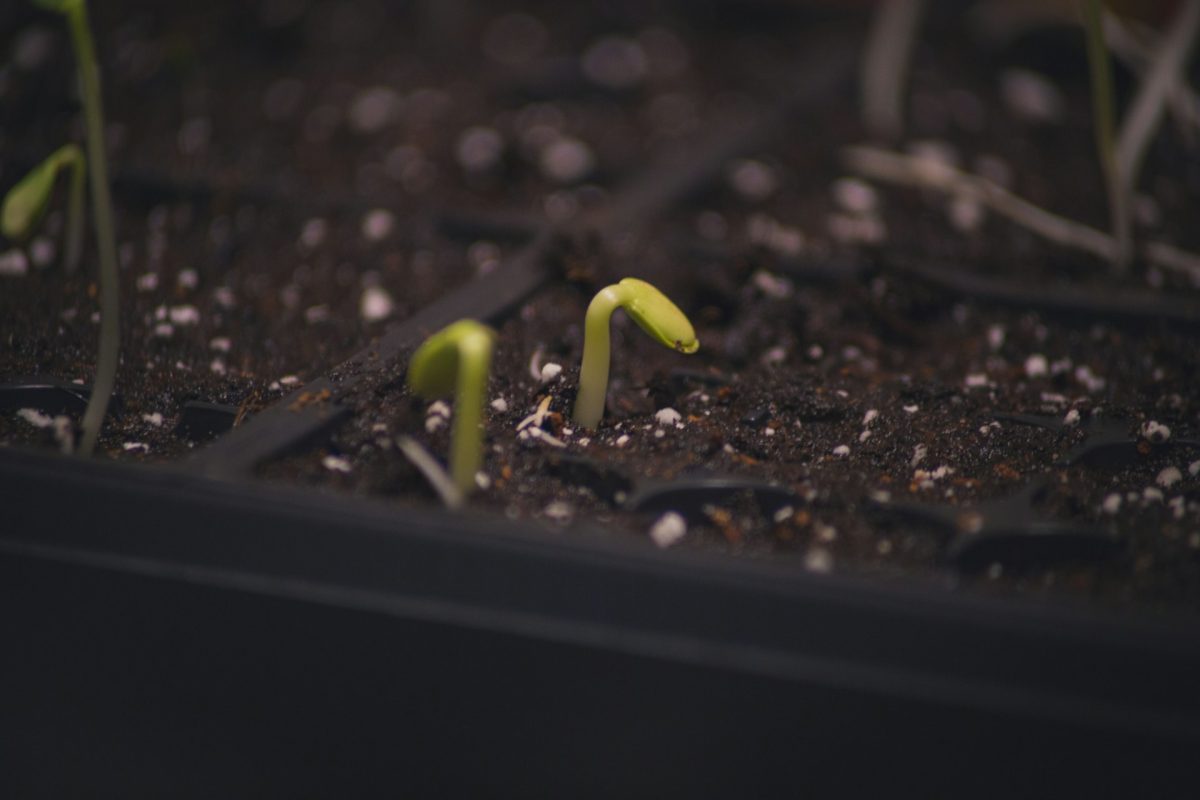
Water and nutrients control how plants convert early growth into lasting productivity. Too much water pushes fast leafy expansion but weakens root oxygen exchange. Too little water stresses plants and interrupts flowering and fruit formation. Balanced irrigation keeps plants steady, allowing energy to flow into both root systems and fruit development. Consistency matters more than intensity when managing garden water.
Nutrient timing also shapes final yields more than early appearance suggests. High nitrogen feeds leafy growth but can delay flowering in crops like tomatoes and peppers. Potassium and phosphorus support fruit development, yet many gardeners apply fertilizers too early or unevenly. This imbalance leads to lush plants with fewer harvestable fruits. Smart feeding schedules align nutrients with each growth stage instead of front-loading everything at planting time.
Strong Roots Decide the Final Harvest
Root strength ultimately determines whether early growth translates into strong yields. Deep, well-structured roots pull water and nutrients consistently during heat, drought, or heavy fruiting periods. Plants with weak root systems struggle when conditions shift, even if they looked vigorous early in the season. Gardeners often overlook roots because they cannot see them, yet roots control nearly every outcome above ground. Strong harvests always trace back to strong underground systems.
Seasonal success across American gardens often follows this hidden pattern. Gardens that prioritize soil preparation, consistent watering, and balanced nutrients produce steadier yields even when early growth looks modest. Gardens that chase rapid early growth often face mid-season drop-offs in production. Real garden strength builds slowly but delivers reliable harvests when it matters most. Patience and root-focused care always outperform quick visual wins.
Strong early growth can feel rewarding, but the real harvest story always begins beneath the surface. What has the garden revealed about early growth versus final yields in past seasons?
You May Also Like…
6 Options That Transition Well Between Indoor and Outdoor Growth
6 Low-Cost Ways to Improve Heavy Clay Soil for Better Plant Growth
7 Strategies to Protect Growth During Early Heat Waves
The $100 Mistake: Why Most New Gardeners Kill Their Plants in the First Week
Why “Ugly” Plants are Actually a Budget Gardener’s Best Friend

Brandon Marcus is a staff writer for FrugalGardening.com at District Media, Inc., where he delivers practical gardening advice with a relatable, no-nonsense style. An avid amateur gardener, he holds a BA degree and with over ten years of professional writing experience, he is also an award-winning published author whose first book, Questions For Deep Thinkers, was released by Adams Media. His work has appeared in major publications including Fandom.com, CHUD.com, TheColdWire.com, and Fansided.com.
Leave a Reply