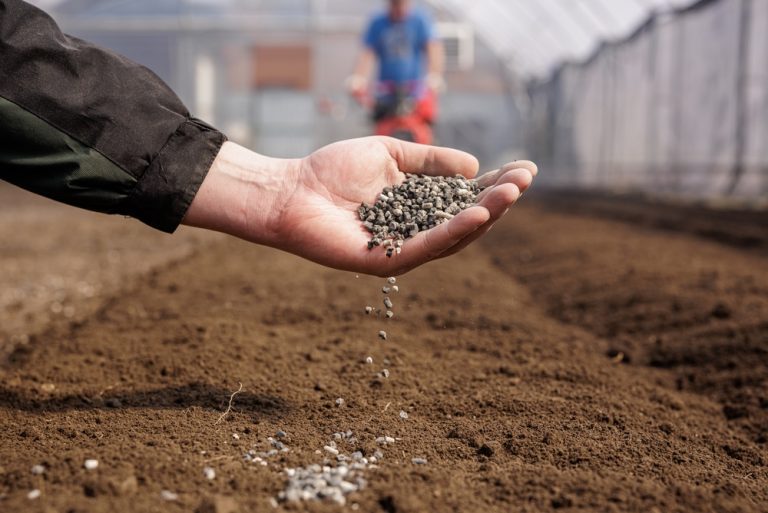
Midseason fertilizer can feel like a magic trick. Plants start looking a little tired, tomatoes seem less productive, and leafy vegetables lose some of their early-season enthusiasm. The natural reaction involves reaching for a bag of fertilizer and hoping for a quick turnaround. Sometimes that works beautifully. Other times, that same fertilizer pushes already-stressed plants…
plant nutrition
The Nutrient Deficiency Problem That Slows Development

A garden can start the season with big promises and still end up looking tired, stunted, and frustratingly slow. Seedlings stay small, tomato plants refuse to bulk up, and leafy greens lose their vibrant color long before harvest time arrives. Many gardeners immediately blame weather, pests, or poor seeds, but nutrient deficiencies often create the…
Why Nutrient Timing Impacts Growth More Than Quantity
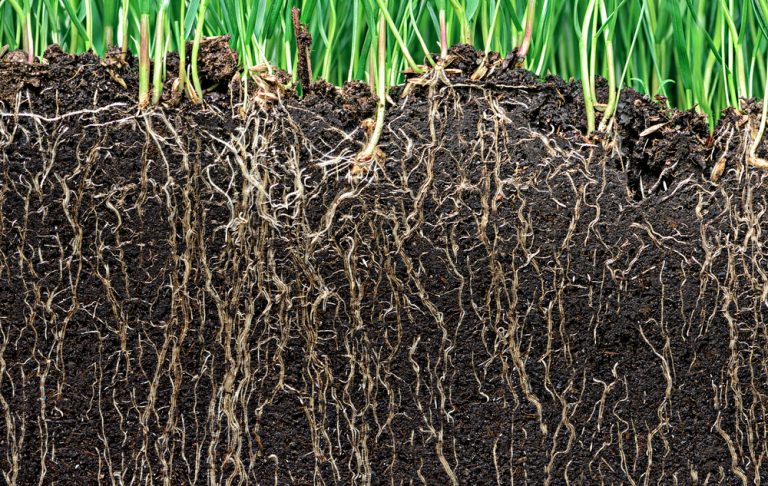
Gardeners often pour energy into choosing the richest fertilizer blends, yet plants do not respond to nutrients on a simple “more equals better” scale. Timing often controls how effectively roots absorb what soil offers, and that timing can make or break a growing season. A tomato plant can receive a perfect fertilizer mix and still…
The Fertilizer Burn Risk for Newly Planted Crops
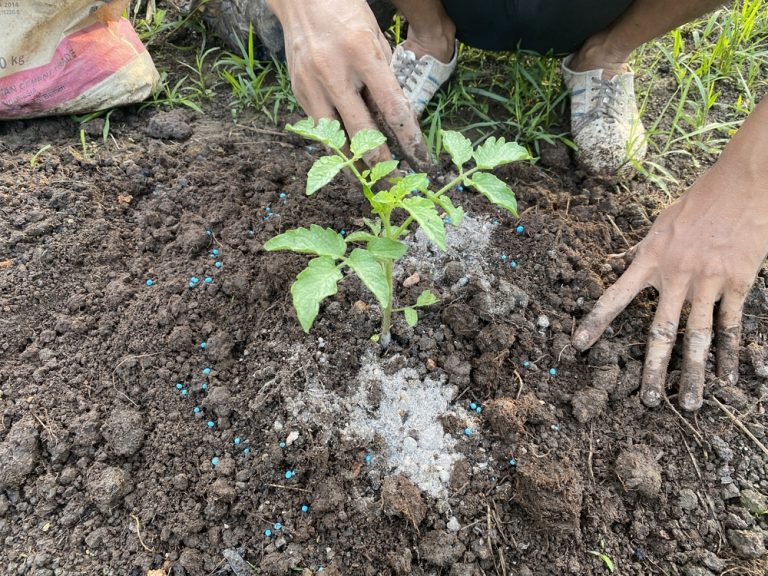
Freshly planted crops bring big dreams to the garden. Tomato vines promise juicy summer sandwiches, rows of lettuce hint at crisp salads, and pepper plants practically beg for backyard tacos. Then one heavy-handed fertilizer application sneaks in and turns those hopeful green starts into crispy, wilted heartbreak almost overnight. Fertilizer burn ranks among the fastest…
5 Natural Growth Boosters That Strengthen Roots
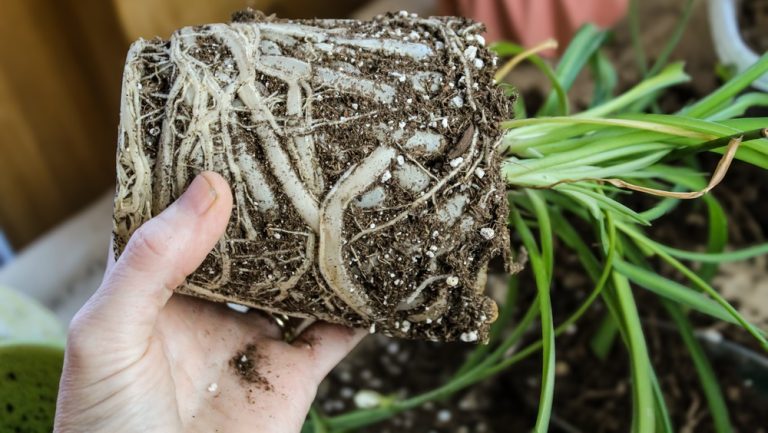
A successful garden always starts below the surface where roots quietly build the foundation for everything that follows. Strong roots determine how well plants absorb nutrients, handle stress, and survive unpredictable weather. Many gardeners across the country search for safer, more natural ways to boost growth without leaning on harsh synthetic chemicals. Nature already offers…
Why Nutrient Imbalances Slow Growth Over Time
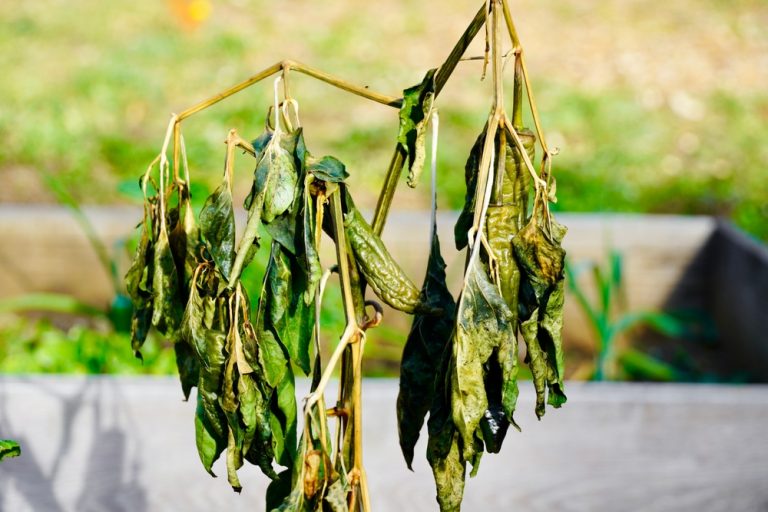
Gardens rarely fail overnight, yet many plants slowly lose their spark without any obvious warning. One week everything looks lush, and a few weeks later growth stalls, leaves fade, and harvests disappoint. Nutrient imbalances often sit at the center of this slow decline, quietly reshaping how plants develop from root to tip. Once the soil…
Why Early Growth Doesn’t Always Lead to Strong Yields
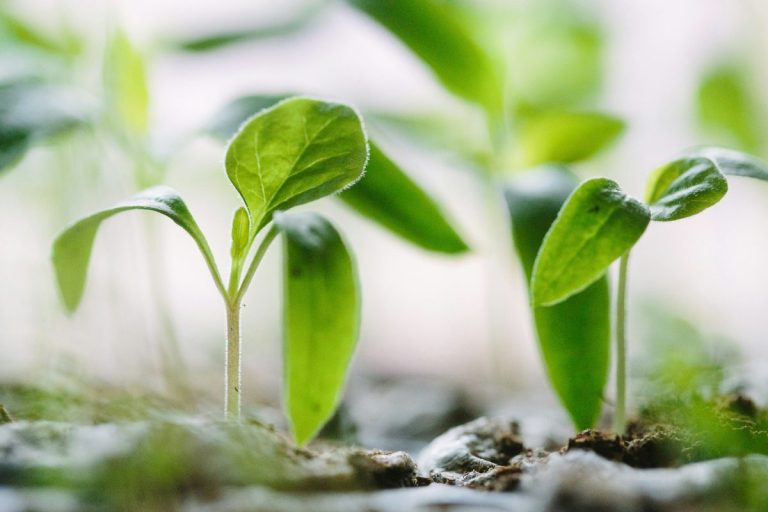
Early growth often tricks gardeners into celebrating too soon. A bed of tall seedlings or fast-spreading leaves can look like a win, yet the harvest later tells a different story. Many growers notice this gap between early excitement and final production, especially in vegetables like tomatoes, peppers, and squash. Plants can shoot upward quickly when…
5 Natural Fertilizing Methods That Actually Work
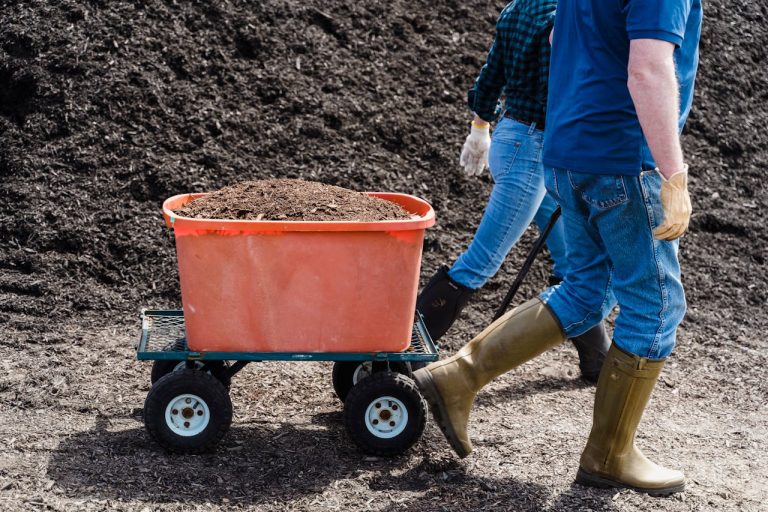
Your garden does not have to rely on expensive chemicals or complicated formulas. The real secret often hides in everyday kitchen scraps, yard waste, and simple habits that gardeners have used for generations. Plants respond best when soil stays alive, rich, and full of organic goodness. That is where natural fertilizing methods step in and…
5 Fertilizer Errors That Reduce Yields Without You Noticing
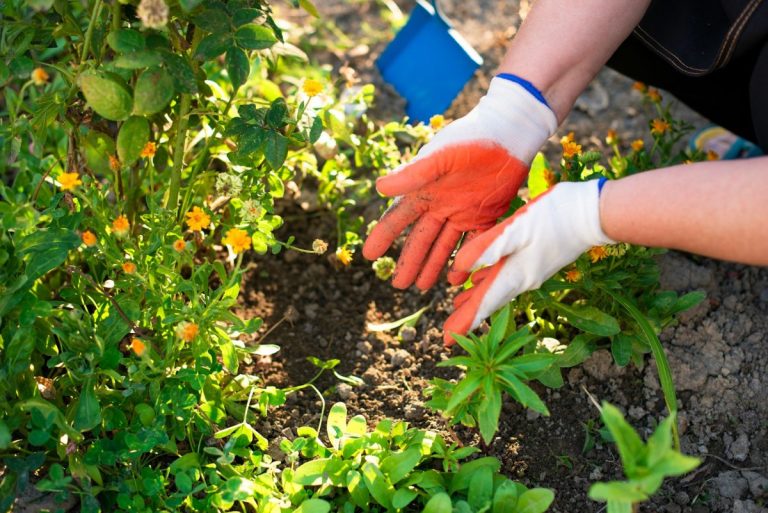
Gardens rarely fail overnight. They usually whisper their problems long before plants stop producing. Fertilizer mistakes sit at the top of that silent sabotage list, quietly shrinking harvests while leaves still look “fine” at a glance. Many gardeners push more nutrients into the soil thinking bigger feeding equals bigger yields, but plants don’t work that…
The ‘Trash’ Fertilizer: 5 Household Waste Items Your Tomatoes Crave
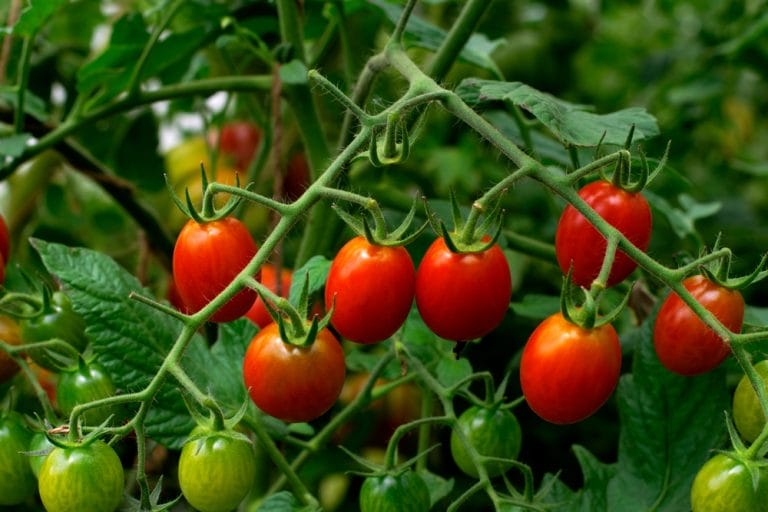
What if the secret to bigger, juicier tomatoes sat right in the trash bin? Not in some expensive garden center bottle, not in a complicated formula with a label no one understands, but in the everyday scraps most people toss without a second thought. Tomato plants crave nutrients, and those nutrients often hide in plain…