
Next year’s garden can start long before the first seed packet hits the shopping cart. In fact, some of the best preparation happens when this year’s garden still has plenty going on, because fall offers free materials, mature seeds, fallen leaves, fading plants, and plenty of opportunities to set up a better growing season without…
sustainable gardening
Those Dead Summer Plants May Still Have Value Before They Reach the Trash

A brown tomato plant, crispy basil, or collapsed annual flower can look like garden garbage, but the end of a plant’s season does not necessarily mean the end of its usefulness. Before those tired stems land in a trash bag, gardeners can often turn them into compost, save their seeds, create habitat, or return valuable…
Fall Leaves Could Replace Something You’re Paying for at the Garden Center
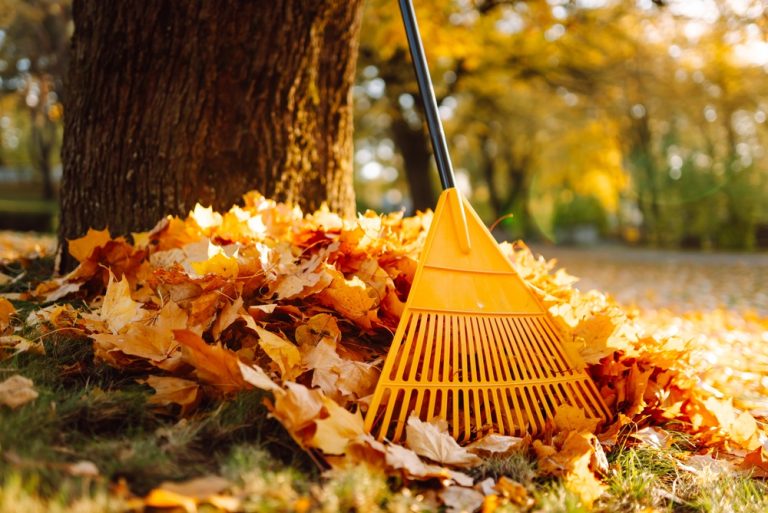
That pile of fall leaves gathering along the driveway may look like yard cleanup, but it can also replace products that gardeners routinely buy at the garden center. Instead of bagging every leaf and hauling it away, gardeners can turn those leaves into mulch, compost ingredients, or leaf mold for future garden use. A thick,…
You May Be Throwing Away Garden Supplies That Could Last Another Year
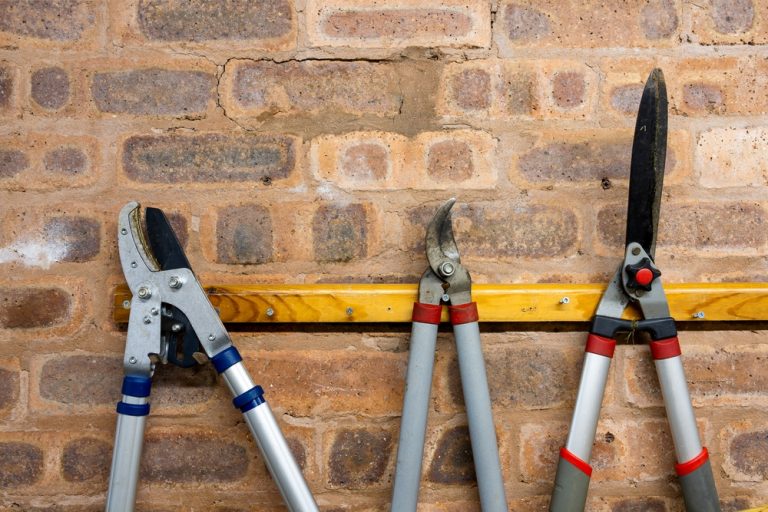
Garden season can trick you into thinking perfectly good supplies are objects that look ready for retirement. A muddy hand trowel, a slightly rusty pair of pruners, a half-full bag of potting mix, or a stack of dirty nursery pots can seem destined for the garbage, especially when the garden starts winding down. But “looks…
9 Things Gardeners Should Never Throw Away at the End of Summer
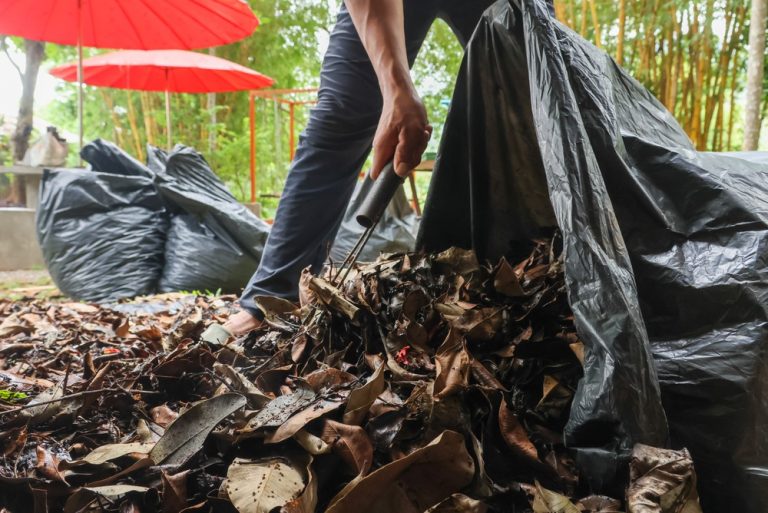
The end of summer can make a garden look like it has nothing left to offer. Spent plants, half-used seed packets, empty nursery pots, piles of leaves, and crooked tomato stakes can quickly resemble a collection of gardening junk, but much of that “junk” still has a job to do. A little sorting can save…
9 Things Gardeners Should Never Throw Away at the End of Summer
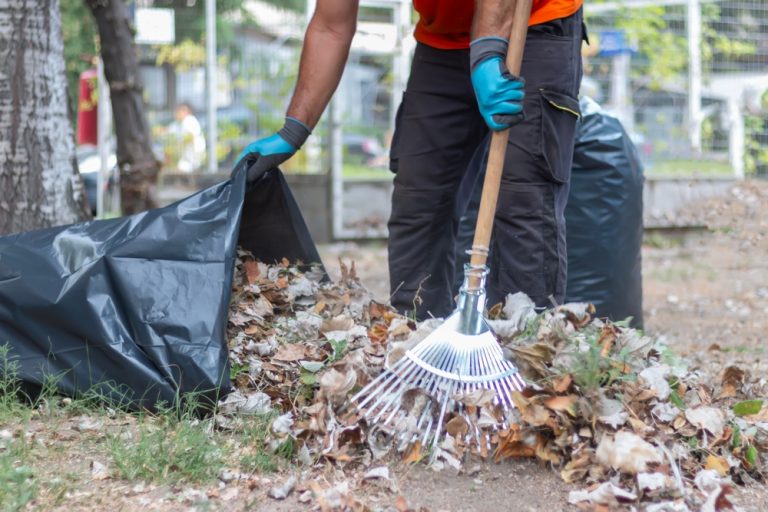
The end of summer can turn a productive garden into a surprisingly useful pile of leftovers. Those dried seed heads, fallen leaves, spent plants, and half-empty bags of garden materials may look like cleanup chores, but many can give next season’s garden a head start. The trick involves knowing what deserves a second act and…
6 Ways to Cut Water Use Without Starving Your Garden
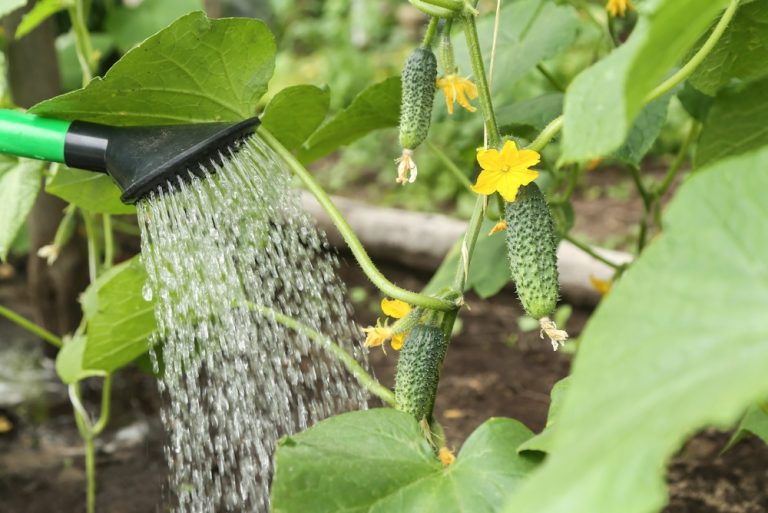
A garden can drink a surprising amount of water, but that does not mean every thirsty-looking plant needs another drink. Often, the bigger problem comes from water landing in the wrong place, evaporating too quickly, or running away before roots get a useful sip. A few smarter habits can reduce water use while keeping vegetables,…
Understanding Native Plants That May Lower Watering Needs Over Time
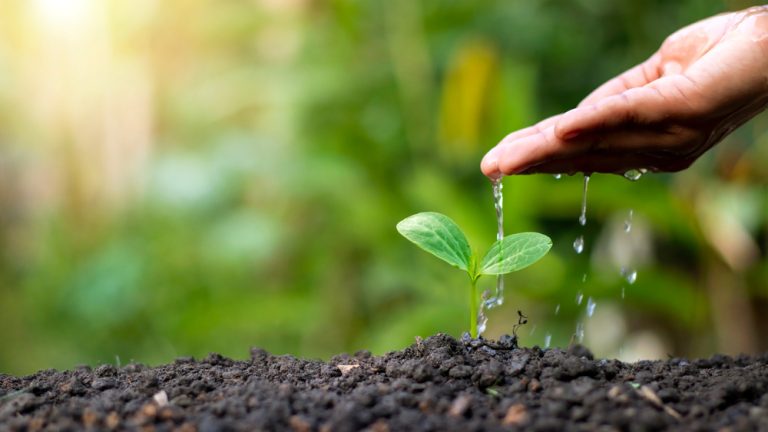
Native plants can make a noticeable difference in how much attention a landscape needs, especially once their roots settle into the soil. The trick lies in choosing species that naturally fit the local climate, soil, moisture patterns, and growing conditions rather than assuming every native plant behaves like a drought specialist. That distinction matters. A…
How to Reuse Rainwater Without Creating a Mosquito Problem
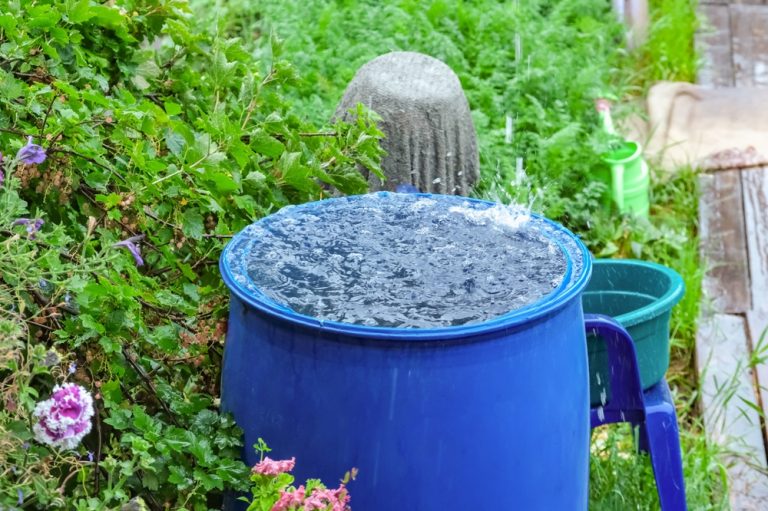
Rainwater can become a wonderfully useful garden resource, but a forgotten bucket of it can also become an open invitation to mosquitoes. A properly designed rain barrel lets gardeners capture roof runoff for watering plants while keeping insects out of the stored water. The trick involves treating rainwater storage as part of the garden system,…
Can Your HOA Force You to Grow Grass? One Maryland Couple Is Fighting That Battle

Can an HOA really tell a homeowner to rip out a garden and put grass back? In Maryland, the answer gets surprisingly interesting, especially after Janet and Jeff Crouch fought their HOA over a yard filled with native plants, flowers, trees, and habitat instead of a conventional carpet of turf. Their dispute helped spark a…