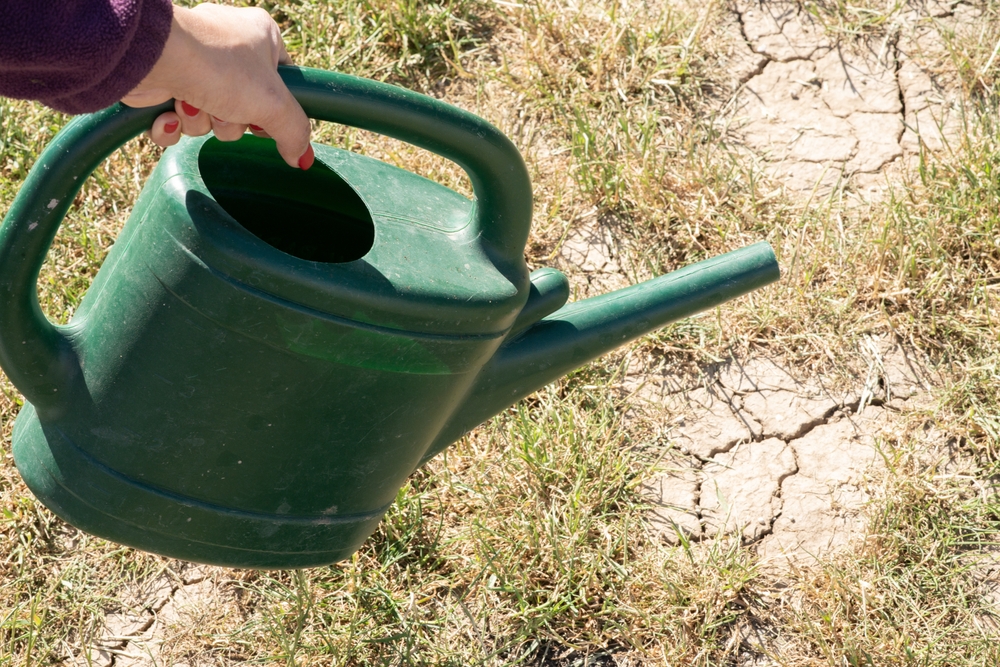
Dry summers, rising water bills, and stubbornly hot afternoons don’t have to turn a garden into a struggle zone. The right plants actually enjoy the heat and barely flinch when the watering can stays on the shelf for a few extra days. Smart gardeners across the United States are leaning into drought-tough selections that bring color, texture, and structure without demanding constant care. These plants don’t just survive in dry climates—they put on a show while doing it. With the right choices, even a tough landscape transforms into a vibrant, water-wise retreat.
The best part comes from how forgiving these plants behave once they settle in. They develop deep root systems, store moisture efficiently, and thrive in soil conditions that would stress out thirstier species. Many also support pollinators, resist pests naturally, and keep gardens looking intentional even during heat waves. These seven selections deliver beauty and resilience, making them perfect allies for any low-water landscape in the American climate.
1. Aloe Vera Brings Tough Beauty With Surprising Uses
Aloe vera thrives in dry, sunny conditions and stores water inside its thick, fleshy leaves like a natural reservoir. This plant handles neglect better than most houseplants and still keeps a sculptural, modern look in any garden or container. Many gardeners appreciate how it thrives in USDA zones 8 through 11, especially in southwestern regions. Aloe also produces offsets that multiply over time, creating a fuller display without extra cost. Its resilience makes it a favorite for beginner and experienced gardeners alike.
The plant offers more than just looks because its gel-filled leaves serve practical uses in minor skin care. Aloe prefers well-drained soil and actually struggles when overwatered, which makes it perfect for dry climates. Sun exposure boosts its growth, but it can tolerate partial shade in hotter regions. Once established, it rarely asks for attention beyond occasional watering during long dry spells. Gardeners love how it doubles as both a decorative and functional plant in water-wise landscapes.
2. Agave Commands Attention Without Demanding Water
Agave stands out with bold, architectural leaves that form dramatic rosettes across desert-inspired gardens. This plant evolved in arid regions and handles long stretches without rainfall like a true survivor. It grows slowly but steadily, building impressive structure that anchors landscape designs. Many varieties thrive in zones 8 through 11, especially in the southern and western United States. Agave creates a striking focal point without requiring ongoing care.
Once established, agave rarely needs supplemental watering and prefers dry, gritty soil conditions. Its thick leaves store moisture efficiently, allowing it to withstand intense heat and drought. Some varieties even produce towering flower spikes after years of growth, adding unexpected drama. Gardeners should handle it carefully due to its sharp leaf tips, but its payoff far outweighs the caution. Agave brings bold personality to any dry-climate garden with minimal effort.
3. Lavender Adds Fragrance and Heat Resistance
Lavender thrives in hot, dry conditions and brings a calming fragrance that transforms outdoor spaces. This Mediterranean native loves full sun and well-drained soil, making it perfect for drought-prone regions. It grows well in many parts of the United States, especially zones 5 through 9. Lavender also attracts bees and butterflies, adding life and movement to the garden. Its silvery foliage keeps landscapes visually interesting even when not in bloom.
Once established, lavender requires very little watering and often performs better when slightly neglected. Overwatering actually reduces its fragrance and weakens its structure, so restraint works in its favor. Pruning after blooming encourages compact growth and more flower spikes the following season. Many gardeners use it in borders, pathways, and herb gardens for both beauty and function. Lavender delivers sensory appeal while standing strong in dry conditions.
4. Russian Sage Creates Airy Color in Harsh Sun
Russian sage thrives where many flowering plants struggle, especially in hot, dry climates with poor soil. Its tall, wispy stems produce soft purple-blue blooms that sway beautifully in the wind. This perennial grows well in zones 4 through 9 and handles heat waves with ease. It spreads gracefully without becoming aggressive, filling garden gaps with texture. Russian sage brings movement and color to otherwise dry landscapes.
The plant requires minimal watering once established and prefers full sun exposure. Its silvery foliage reflects heat, helping it conserve moisture during extreme temperatures. Many gardeners rely on it to extend color into late summer when other flowers fade. Pollinators flock to its blooms, adding ecological value to its beauty. Russian sage proves that low-water gardens can still feel lush and alive.
5. Sedum Thrives on Neglect and Rewards Consistency
Sedum, often called stonecrop, thrives in rocky, dry soils where many plants fail. Its thick leaves store water efficiently, allowing it to survive long dry periods without stress. This plant grows in a wide range of zones, especially 3 through 9 across the United States. Sedum comes in many varieties, from ground covers to upright flowering types. It fits easily into rock gardens, borders, and containers.
Once planted, sedum demands almost no maintenance beyond occasional trimming. Its star-shaped flowers attract pollinators while adding bursts of seasonal color. Overwatering remains its biggest threat, so dry conditions actually improve its performance. Many gardeners rely on sedum to stabilize slopes and reduce erosion. It proves that tough environments can still produce beautiful results.
6. California Poppy Lights Up Dry Landscapes
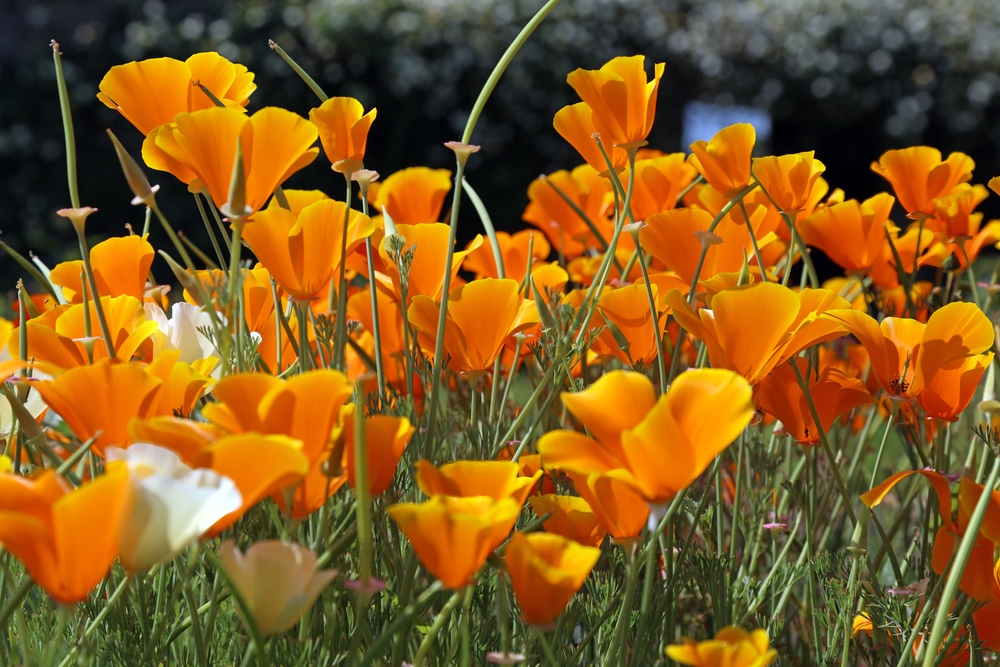
California poppy thrives in sandy, dry soils and produces bright orange blooms that feel like sunshine on the ground. This native wildflower grows naturally in arid regions and adapts easily to home gardens. It performs best in zones 6 through 10, especially in western states. The plant self-seeds, creating colorful drifts year after year. Its cheerful appearance brings energy to dry landscapes.
Once established, California poppy requires almost no supplemental watering and prefers full sun exposure. It closes its flowers at night and during cloudy weather, adding subtle movement to the garden. Many gardeners use it in wildflower mixes for low-maintenance color. Its deep taproot helps it survive drought conditions with ease. This plant turns harsh soil into a vibrant display without demanding attention.
7. Bougainvillea Delivers Bold Color in Dry Heat
Bougainvillea thrives in hot, dry climates and produces vivid bracts in shades of pink, purple, and orange. This climbing plant grows vigorously in zones 9 through 11, especially in southern states. It often decorates fences, trellises, and walls with dramatic color. Bougainvillea actually blooms more when slightly stressed, which makes dry conditions ideal. Its tropical appearance hides a surprisingly tough nature.
Once established, bougainvillea requires minimal watering and prefers well-drained soil. Overwatering reduces its flowering potential and encourages leafy growth instead. Pruning helps control its shape and encourages more vibrant blooms. Many gardeners use it to create living privacy screens in sunny areas. Bougainvillea turns dry heat into a canvas of bold, lasting color.
Smart Water-Wise Garden Strategy That Ties It Together
Dry-climate gardening succeeds when plant choices match natural conditions instead of fighting them. These seven selections all share a powerful ability to conserve water while still delivering visual impact. Gardeners across the United States increasingly combine these plants to build resilient, low-maintenance landscapes. Smart placement reduces irrigation needs and supports healthier root systems over time. The result creates gardens that stay attractive even during extreme weather shifts.
What dry-climate plant would earn a spot in a water-wise garden, and why? Give us your opinions below in the comments section.
You May Also Like…
The Laundry Basket Trick: Why Expert Gardeners are Buying Plastic Bins, Not Pots
Are You Wasting Money on Plants That Don’t Survive Your Climate?
5 Proven Gardening Shortcuts That Save Time
8 Backyard Gardening Mistakes That Quietly Waste Your Money
6 Reliable Choices for Container Harvesting

Brandon Marcus is a staff writer for FrugalGardening.com at District Media, Inc., where he delivers practical gardening advice with a relatable, no-nonsense style. An avid amateur gardener, he holds a BA degree and with over ten years of professional writing experience, he is also an award-winning published author whose first book, Questions For Deep Thinkers, was released by Adams Media. His work has appeared in major publications including Fandom.com, CHUD.com, TheColdWire.com, and Fansided.com.
Leave a Reply