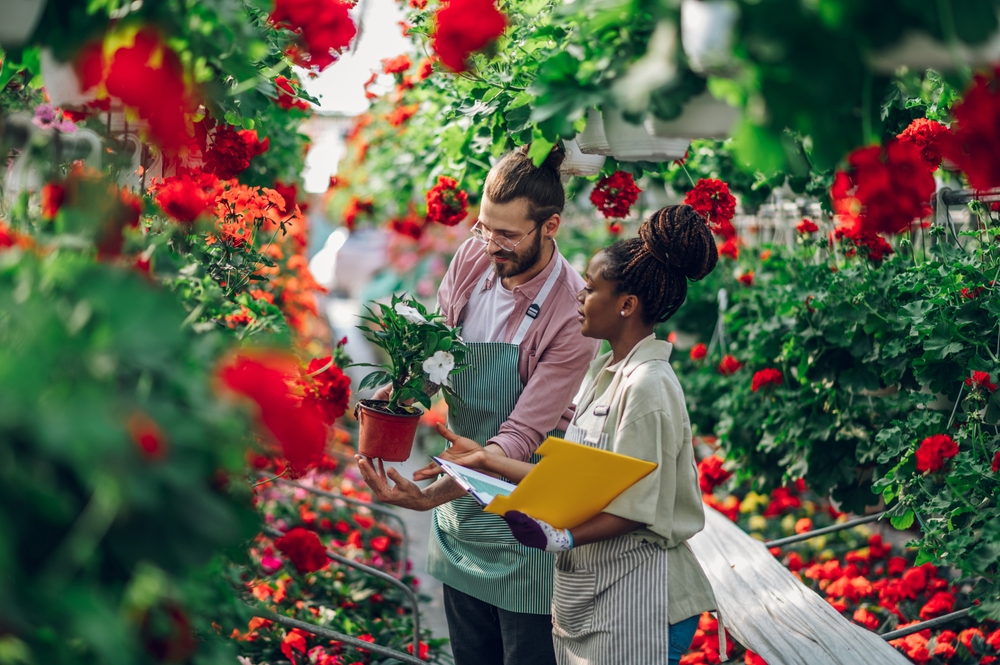
Garden centers offer inspiration around every corner. Bright flowers, healthy shrubs, and rows of shiny new products make it easy to imagine a backyard transformation. Many shoppers trust every recommendation they hear because employees often sound knowledgeable and confident. Unfortunately, not all gardening advice fits every yard, climate, or budget.
A suggestion that works perfectly for one customer can become an expensive disaster for another. Countless homeowners spend hundreds of dollars on plants, fertilizers, soil amendments, and decorative features that never deliver the promised results. The good news is that most of these costly mistakes can be avoided with a little research and a healthy dose of skepticism. Before loading up a shopping cart, gardeners should know which pieces of advice deserve a second look.
Bigger Plants Are Always Better
Large plants create instant visual impact, which makes them extremely tempting during a trip to the garden center. A mature shrub or tree can make a yard look established overnight, and many shoppers assume bigger specimens offer better value. Garden centers often highlight these larger plants because they carry significantly higher price tags. A small tree might cost $40, while a larger version of the same variety could easily exceed $300. That price difference often convinces buyers that bigger must be better.
In reality, younger plants frequently adapt more quickly to new growing conditions. Their root systems experience less transplant shock, and they often catch up to larger plants within a few growing seasons. Many experienced gardeners choose smaller trees and shrubs because they establish themselves faster and cost far less. Spending hundreds on oversized plants may provide instant gratification, but patience often delivers better long-term results. The wallet usually appreciates that approach too.
Every Plant on Display Will Work in Any Yard
Garden centers showcase beautiful plants that look healthy and attractive under ideal conditions. Shoppers naturally assume those plants will perform just as well once they arrive home. Unfortunately, display benches rarely tell the whole story. Sun exposure, soil conditions, drainage, humidity, and winter temperatures all play major roles in plant success. A stunning hydrangea or exotic perennial may struggle if local conditions do not match its needs.
Many costly gardening disappointments start with impulse purchases. A homeowner falls in love with a plant, brings it home, and discovers six months later that it needs completely different conditions. Replacing failed plants year after year quickly drains a gardening budget. Smart gardeners always check plant tags, hardiness zones, and mature size before buying. A few minutes of research can prevent hundreds of dollars in wasted purchases.
More Fertilizer Means Faster Growth
Garden centers dedicate entire aisles to fertilizers promising bigger blooms, greener leaves, and rapid growth. Those promises sound appealing, especially when gardeners want quick results. Some employees even recommend multiple products to address every possible issue in the landscape. The shopping cart fills up quickly, and the total climbs faster than many customers expect. Unfortunately, more fertilizer does not automatically create healthier plants.
Excess fertilizer can burn roots, encourage weak growth, and increase pest problems. Many plants actually need less feeding than gardeners assume. Soil tests often reveal that existing nutrient levels already meet plant requirements. Instead of buying multiple specialty products, gardeners benefit more from identifying actual deficiencies first. That simple step saves money and often produces better results than dumping extra fertilizer into the soil.
Decorative Mulch Solves Every Problem
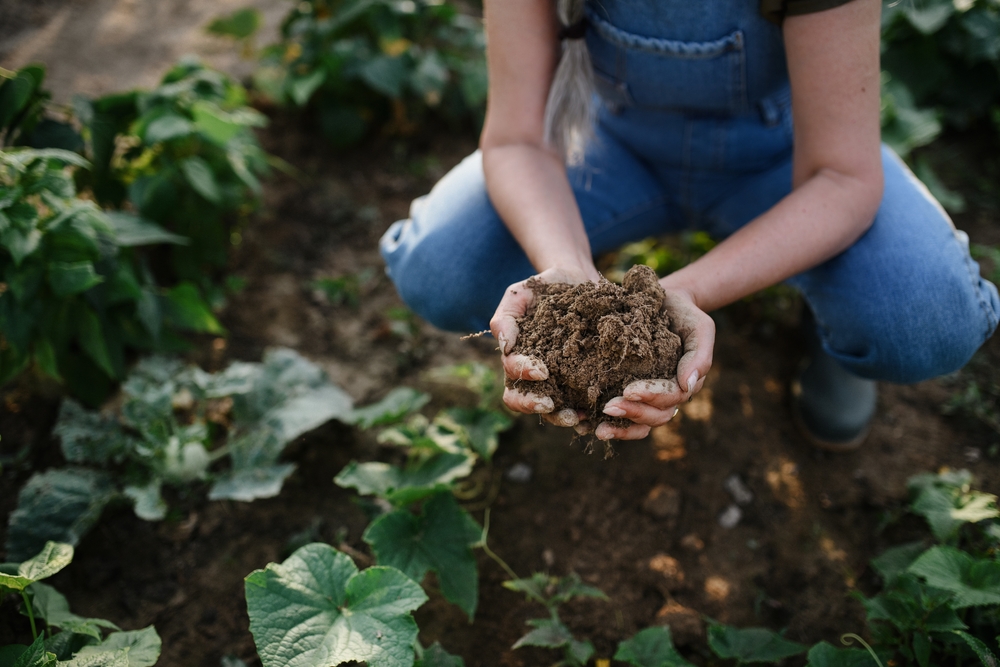
Fresh mulch gives garden beds a polished, professional appearance. Garden centers frequently promote premium mulch products in a variety of colors and textures. While mulch certainly offers benefits, some shoppers leave with the impression that it serves as a miracle solution for every landscape challenge. Bags pile up quickly, and landscaping projects suddenly cost much more than expected. The visual transformation looks impressive, but mulch has limitations.
Mulch cannot compensate for poor soil, improper watering, or unsuitable plant choices. Some gardeners spread mulch too deeply, creating conditions that stress roots and invite disease problems. Others replace perfectly functional mulch every year simply because the color fades. A practical approach focuses on proper mulch depth and function rather than appearance alone. The plants care far more about healthy growing conditions than decorative color choices.
Exotic Plants Are Worth the Extra Cost
Garden centers know unusual plants attract attention. Rare varieties often feature eye-catching foliage, unique flowers, or dramatic forms that spark excitement among shoppers. Those specialty plants also command premium prices, sometimes costing several times more than common alternatives. Gardeners often assume a higher price guarantees superior performance or greater beauty. That assumption can become very expensive.
Many exotic plants require extra maintenance, winter protection, specialized soil, or frequent watering. Some struggle with local pests and diseases because they never evolved alongside regional conditions. Native plants and well-adapted varieties frequently outperform exotic options while costing significantly less. They also tend to require fewer resources once established. Choosing plants suited to local conditions often creates a healthier garden and leaves more money available for future projects.
The Smartest Gardeners Question the Sales Pitch
Garden centers remain valuable resources, and many employees offer excellent advice based on years of experience. However, every yard presents unique challenges that no quick recommendation can fully address. Successful gardeners evaluate suggestions carefully, compare information from multiple sources, and consider local growing conditions before making major purchases. That extra effort helps separate useful guidance from expensive mistakes. A thoughtful approach protects both the garden and the budget.
The most rewarding gardens rarely come from impulse spending sprees. They develop through observation, planning, and gradual improvements that match the property’s specific needs. Gardeners who slow down, research plant choices, and resist unnecessary purchases often achieve better results while spending far less money. A beautiful landscape does not require the biggest budget. It simply requires smart decisions made at the right time.
What is the most expensive gardening mistake or piece of bad advice that has ever cost money in your yard? Share your story in the comments below.
You May Also Like…
8 Beginning Gardening Tips That Will Make You a Better Grower
The Big Box Store Trap: 5 Things You Should NEVER Buy at the Garden Center
Shopping for Grow Lights? Learn the Optimal Number of Lumens Required for Your Plants.
Why Garden Care Needs to Adjust as Temperatures Rise
5 Plants That Multiply So Fast You’ll Never Need to Buy Them Again

Brandon Marcus is a staff writer for FrugalGardening.com at District Media, Inc., where he delivers practical gardening advice with a relatable, no-nonsense style. An avid amateur gardener, he holds a BA degree and with over ten years of professional writing experience, he is also an award-winning published author whose first book, Questions For Deep Thinkers, was released by Adams Media. His work has appeared in major publications including Fandom.com, CHUD.com, TheColdWire.com, and Fansided.com.
Leave a Reply