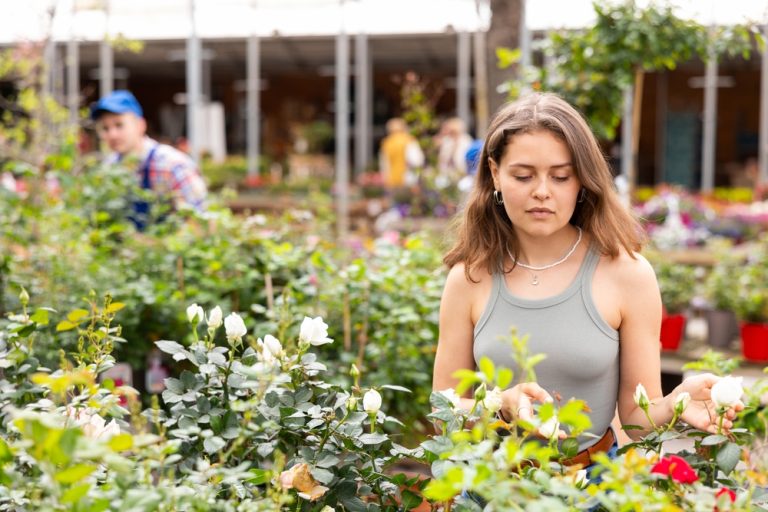
A half-price plant sitting in the clearance corner can look like the gardening equivalent of finding a forgotten $20 bill in an old jacket. Maybe the leaves look a little rough, the pot has a few weeds, or the plant simply needs some attention. That bargain can absolutely become a beautiful addition to the garden,…
gardening
The Garden Center Wants You to Fertilize Before Winter — Your Plants May Not Need It
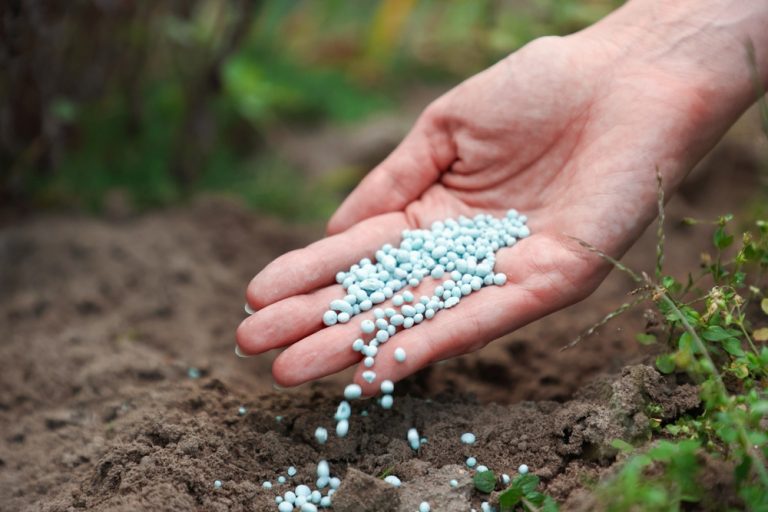
Walk into a garden center in autumn and it can feel like every plant has suddenly developed a nutritional emergency. Bags of fertilizer promise stronger roots, better winter performance, and a more impressive garden next spring, making that end-of-season purchase seem like an easy decision. Many established plants do not need a late-season feeding, and…
Before Spending $200 on Fall Plants, See What You Can Divide for Free
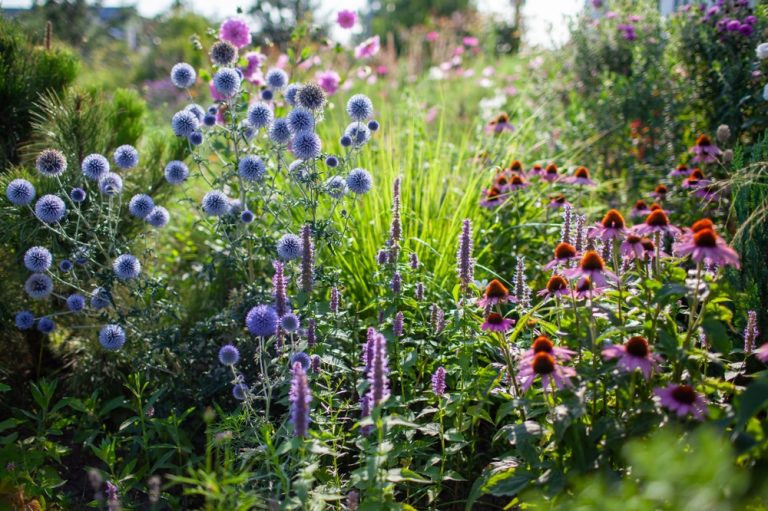
Fall garden centers can make a gardener feel wonderfully reckless. One minute, the plan calls for a few replacement plants, and the next minute the cart somehow contains enough mums, perennials, and ornamental grasses to require a financial debrief on the drive home. Before spending $200 on new plants, take a tour of the garden…
Found a Snake in the Garden? What It’s Doing There May Surprise You
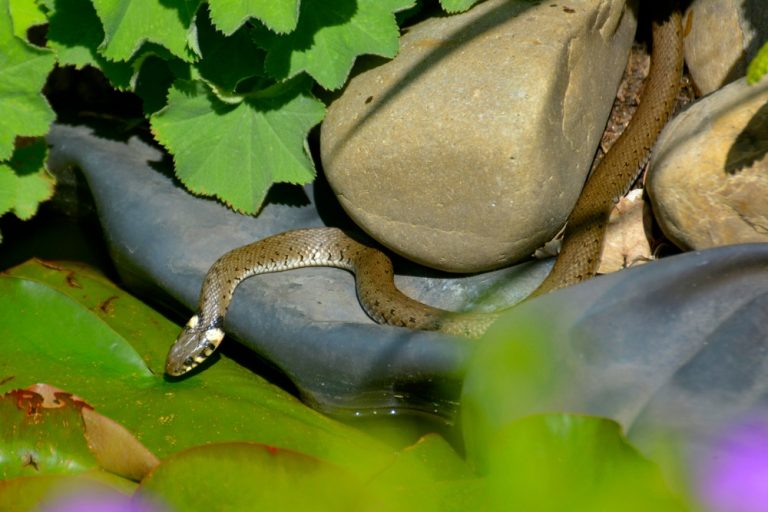
A snake sliding through the garden can turn a peaceful morning of watering tomatoes into a full-blown wildlife documentary. But that snake probably did not wander into the yard with plans to terrorize the gardener. In many cases, it arrived because the garden offers exactly what a snake needs: food, shelter, water, warmth, or a…
Your HOA Says the Garden Has to Go. What Can They Actually Make You Remove?

A backyard vegetable garden can turn an ordinary patch of grass into tomatoes, peppers, herbs, pollinators and, occasionally, a very determined zucchini. Then an HOA letter arrives and suddenly that cheerful little garden looks like a legal dispute with tomato vines. The good news: an HOA does not automatically get to remove whatever it dislikes….
The First Frost Is Coming — These 7 Garden Plants Are Worth Saving Before It Hits
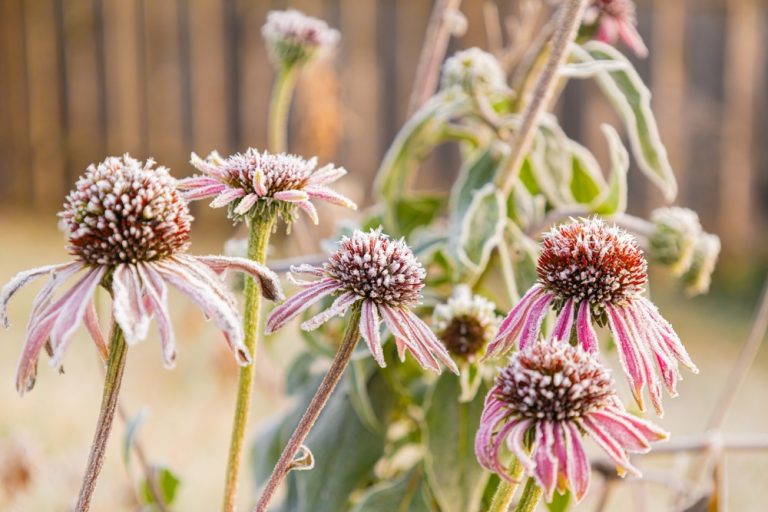
The first frost can turn a lush garden into a sad collection of blackened stems almost overnight, but not every plant needs to meet its chilly fate. Some garden favorites deserve a rescue mission before temperatures dip, especially plants that can move indoors, produce more food, or return next year from stored roots. The important…
Don’t Throw Away Those Dead Flower Heads — They Could Save You Money Next Spring
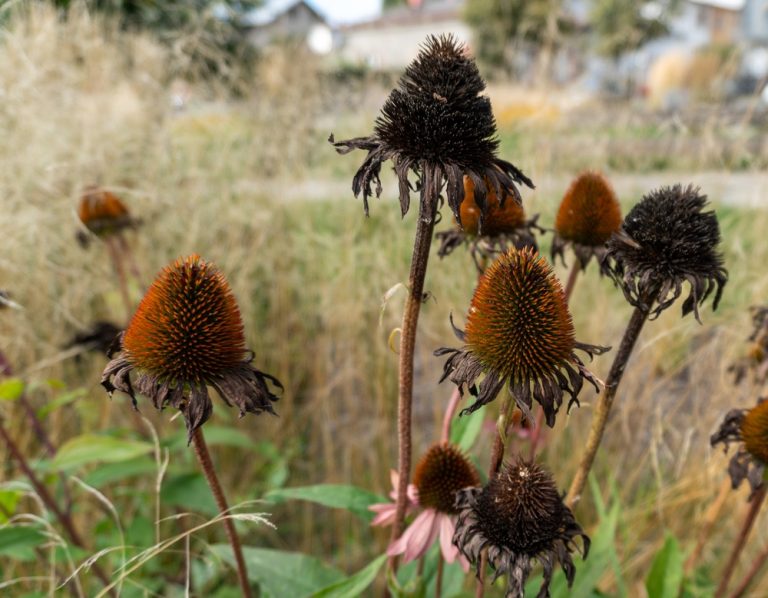
The flower may look finished, but the gardening value might not be finished at all. Those crispy brown flower heads hanging from your plants can contain perfectly good seeds that you can collect, store, and use to grow another round of flowers next year without buying another packet. Seed saving turns one season of flowers…
Stop Pruning These Plants in September — You Could Make Winter Damage Worse
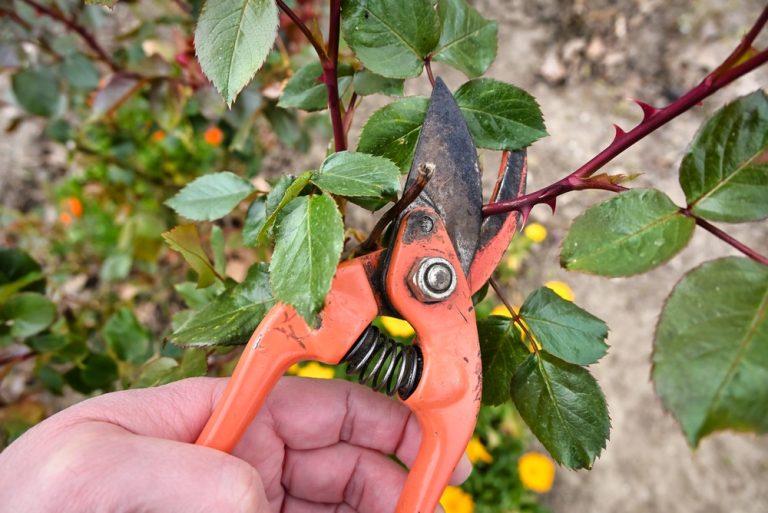
September can feel like the perfect month to grab the pruners. Summer heat starts easing, the garden looks a little shaggy, and suddenly every overgrown shrub seems to be whispering, “Give me a haircut.” Resist the urge with many trees and shrubs, because pruning in late summer or early fall can push out tender new…
A $3 Packet of Seeds Can Turn Into a $100 Mistake If You Buy the Wrong Kind Online
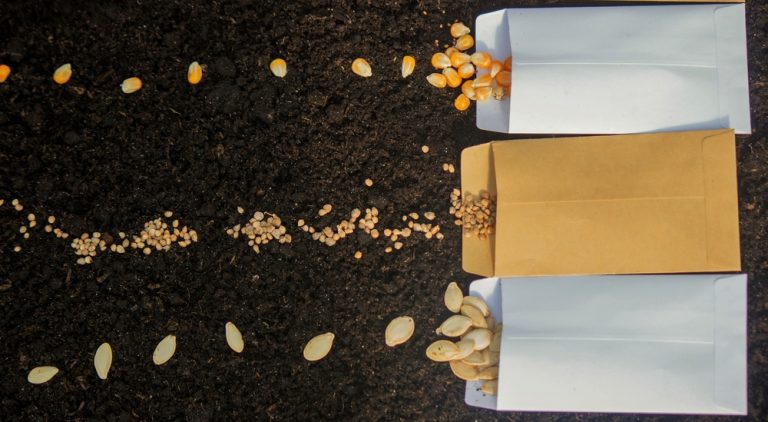
A $3 packet of seeds can look like the ultimate gardening bargain, especially when an online listing promises an unusual flower, giant vegetable, or rare plant that local garden centers never seem to carry. But that tiny packet can create a much bigger headache if the seller misrepresents the seeds, ships them from another country…
That White Powder on Your Plants Isn’t Dust: Here’s What to Do Before Winter
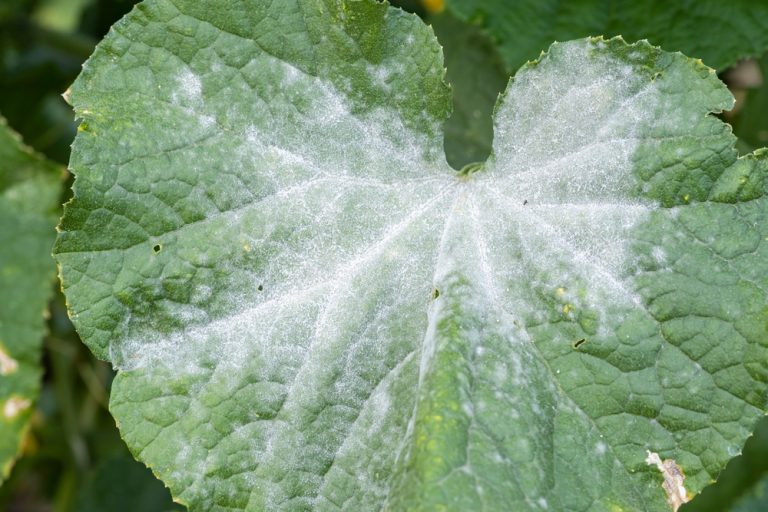
That white powder coating your plant leaves probably did not arrive courtesy of a very messy bag of flour. It may be powdery mildew, a common fungal disease that can spread across leaves, stems, and even flower buds when conditions cooperate. A plant covered in white does not automatically need the compost pile. With a…