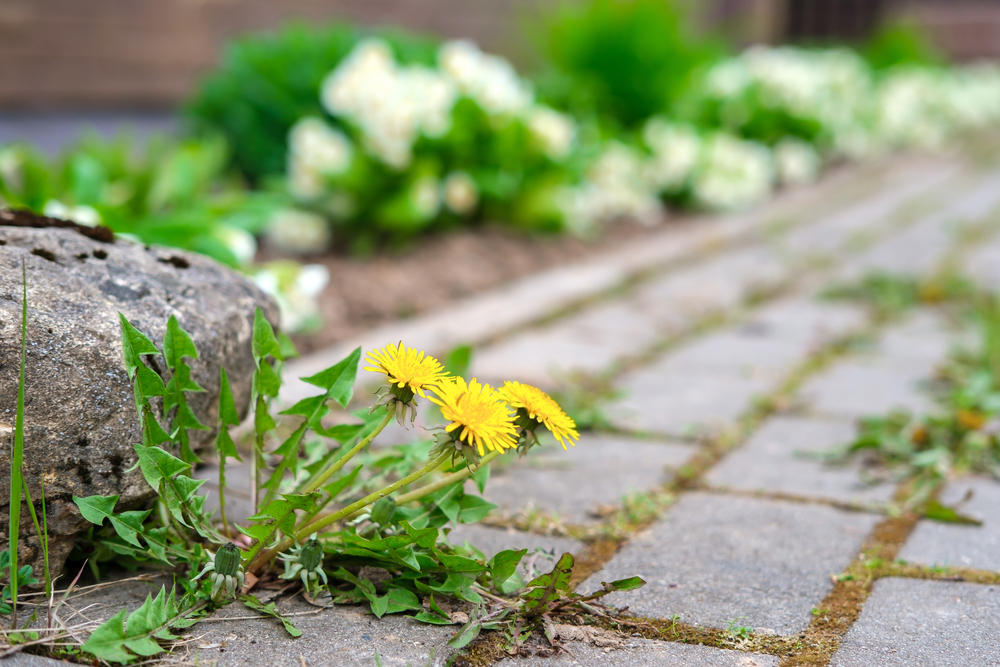
The first warm stretch of spring weather flips a switch in the garden, and weeds sprint out of the ground like they trained all winter for the Olympics. Tiny green invaders appear in flower beds, vegetable rows, sidewalk cracks, and even that one corner nobody watered last year. Meanwhile, tomatoes still sulk in cool soil while carrots take their sweet time deciding whether life feels worth living yet. Gardeners often feel shocked by how fast weeds explode after a few warm rains, but nature designed them specifically for speed and survival. Every inch of open soil becomes prime real estate the moment temperatures rise above freezing.
Most common weeds evolved to dominate disturbed soil long before backyard gardens existed in suburban America. Crabgrass, chickweed, lamb’s quarters, and dandelions waste no energy producing giant fruits or flavorful vegetables because survival remains their only mission. Many weed seeds also stay dormant in soil for decades until sunlight, moisture, or digging wakes them up.
Weed Seeds Wake Up Earlier Than Garden Crops
Weeds usually germinate faster because they tolerate colder soil temperatures than popular garden vegetables. Many cool-season weeds begin sprouting when soil temperatures hover around 40 degrees, while warm-season crops like peppers and cucumbers prefer soil closer to 65 or 70 degrees. That gives weeds a huge head start before vegetable seedlings even crack the surface. Early growth matters because the first plants to claim sunlight, water, and nutrients usually control the space. Spring gardening often feels unfair because weeds already settled into the neighborhood before crops unpacked their bags.
Several aggressive weeds also produce astonishing numbers of seeds in a single season. One pigweed plant can release more than 100,000 seeds, and common purslane spreads low across the soil like a green octopus searching for empty space. Garden crops simply do not compete that way because breeders selected them for flavor, size, and harvest quality instead of survival instincts. Corn focuses on producing ears, beans focus on pods, and lettuce focuses on tender leaves, while weeds focus entirely on domination. Nature rewards ruthless efficiency, and weeds play the game with zero hesitation.
Bare Soil Gives Weeds a Perfect Invitation
Freshly tilled gardens create paradise for weeds because loose soil exposes buried seeds to sunlight and warmth. Many gardeners unknowingly trigger massive weed outbreaks by turning soil too aggressively in spring. Tilling drags dormant weed seeds to the surface where moisture and sunlight encourage rapid germination. That beautiful dark fluffy soil may look perfect for vegetables, but weeds see it as a luxury resort with room service included. Every empty patch practically hangs out a glowing “Vacancy” sign.
Mulch changes the entire battle by blocking sunlight from reaching weed seeds before they sprout. Straw, shredded leaves, bark, or compost create a protective blanket that helps crops while frustrating weeds. A two-to-three-inch mulch layer also helps soil retain moisture and regulate temperature, which reduces stress on vegetables during unpredictable spring weather. Gardeners who mulch early often spend dramatically less time yanking weeds in June and July. The difference between a mulched garden and bare soil sometimes looks like the difference between a tidy park and an abandoned lot behind a gas station.
Fast Growth Gives Weeds a Brutal Advantage
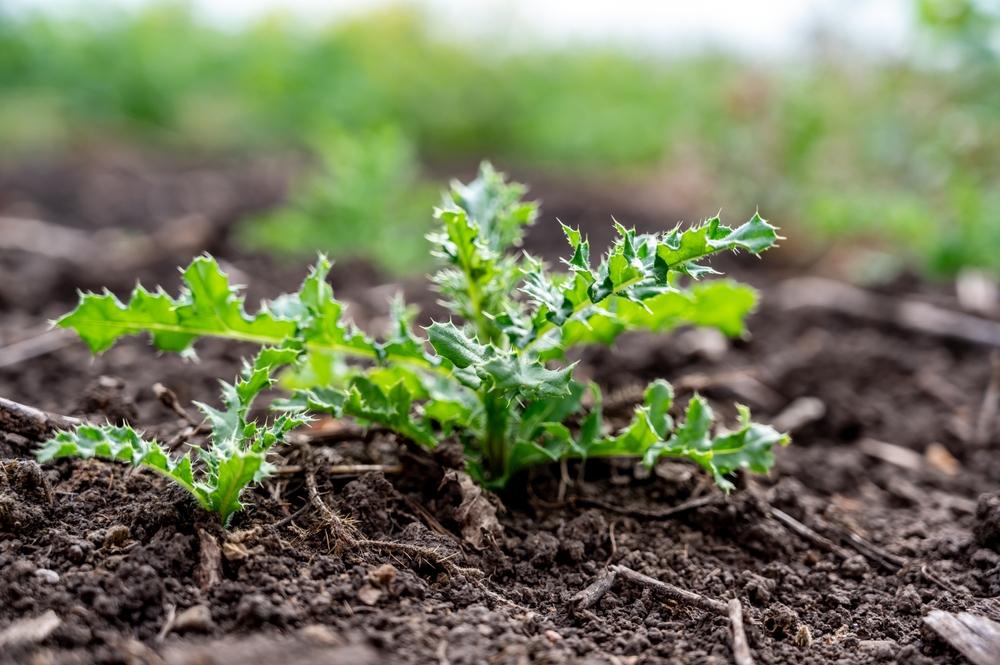
Weeds grow aggressively because they prioritize survival over quality, beauty, or taste. Dandelions shoot down deep taproots before many crops even form their second leaves, while bindweed twists around stems and steals sunlight like a garden pirate. Fast-growing weeds also shade young seedlings, reducing photosynthesis and slowing crop development even more. That creates a vicious cycle where weeds grow stronger while vegetables struggle to catch up. Gardeners often blame themselves for weak crops when weeds actually cause most of the damage.
Competition for water becomes especially intense during dry spring periods across many parts of America. Shallow-rooted vegetables like lettuce and onions suffer quickly when weeds crowd nearby soil. Research from several university extension programs shows unchecked weeds can reduce vegetable yields by 30 to 70 percent, depending on the crop. That means a neglected garden bed may produce half the tomatoes or peppers expected by midsummer. Weeds do not just create an ugly mess because they directly rob harvests before gardeners even realize trouble has started.
Smart Gardeners Beat Weeds Before They Spread
Timing matters more than brute force when fighting weeds in spring gardens. Pulling weeds while they remain tiny prevents them from establishing deep roots or producing seeds for future outbreaks. A quick ten-minute daily weeding session usually works far better than waiting until the garden resembles a jungle by Memorial Day weekend. Small weeds also slip out of moist soil easily, while mature weeds fight back like stubborn tree roots. Gardeners who stay consistent rarely face overwhelming weed disasters later in the season.
Dense planting strategies can also help crops outcompete weeds naturally. Healthy squash vines, sprawling sweet potato plants, and bush beans create shade that suppresses weed growth once established. Drip irrigation offers another major advantage because it delivers water directly to crops instead of feeding every weed seed in the garden bed. Many experienced gardeners even avoid walking on planting areas because compacted soil weakens crops, while some weeds tolerate it surprisingly well. The best weed control often comes from smarter gardening habits instead of endless spraying or exhausting weekend battles.
The Real Secret Hiding Beneath the Soil
Weeds win the spring race because nature built them for speed, toughness, and ruthless efficiency long before humans started planting backyard tomatoes. Their seeds germinate early, grow aggressively, and exploit every patch of open soil with shocking precision. Crops need care, warmth, spacing, and attention, while weeds simply charge ahead without hesitation. That reality frustrates gardeners every spring, but it also explains why prevention works far better than panic once weeds take hold. A healthy layer of mulch, consistent maintenance, and smart watering habits can completely change the outcome of the growing season.
What weed causes the biggest headache in spring gardens where you live? Now is the perfect time to talk about this important gardening topic in our comments below.
You May Also Like…
The Cardboard Barrier: The Permanent Fix for Weeds That Costs $0
Why Your “Weeds” Are Actually a Free Superfood Salad
7 Low-Growing Plants That Beat Weeds Without Constant Maintenance
How to Identify Invasive Weeds Early
10 Winter Weeds That Start Early and How to Stop Them

Brandon Marcus is a staff writer for FrugalGardening.com at District Media, Inc., where he delivers practical gardening advice with a relatable, no-nonsense style. An avid amateur gardener, he holds a BA degree and with over ten years of professional writing experience, he is also an award-winning published author whose first book, Questions For Deep Thinkers, was released by Adams Media. His work has appeared in major publications including Fandom.com, CHUD.com, TheColdWire.com, and Fansided.com.
Leave a Reply