
Sun exposure determines how well a garden thrives, from seedling stage to harvest time. Strong sunlight shapes plant energy, growth speed, and overall resilience across every growing zone. Garden beds that receive consistent light produce more vibrant foliage, stronger stems, and heavier yields. Light also influences how efficiently plants convert nutrients into usable energy for…
plant growth
Why Nutrient Timing Impacts Growth More Than Quantity
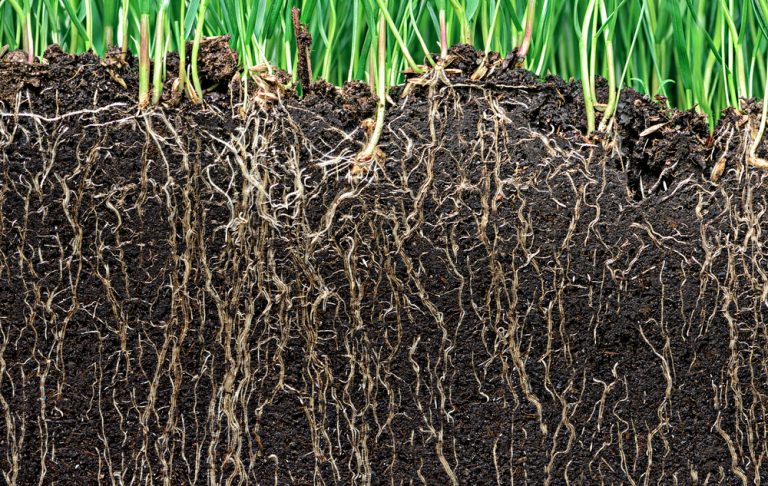
Gardeners often pour energy into choosing the richest fertilizer blends, yet plants do not respond to nutrients on a simple “more equals better” scale. Timing often controls how effectively roots absorb what soil offers, and that timing can make or break a growing season. A tomato plant can receive a perfect fertilizer mix and still…
5 Simple Changes That Improve Overall Growth

Gardening rewards attention to detail, and even small adjustments can completely reshape how plants perform. A garden does not need expensive tools or complicated systems to produce stronger growth and healthier harvests. Instead, simple changes in watering, soil care, sunlight management, and spacing can transform weak plants into vigorous growers. Many gardeners overlook these basics…
Why Timing Matters More Than Fertilizer
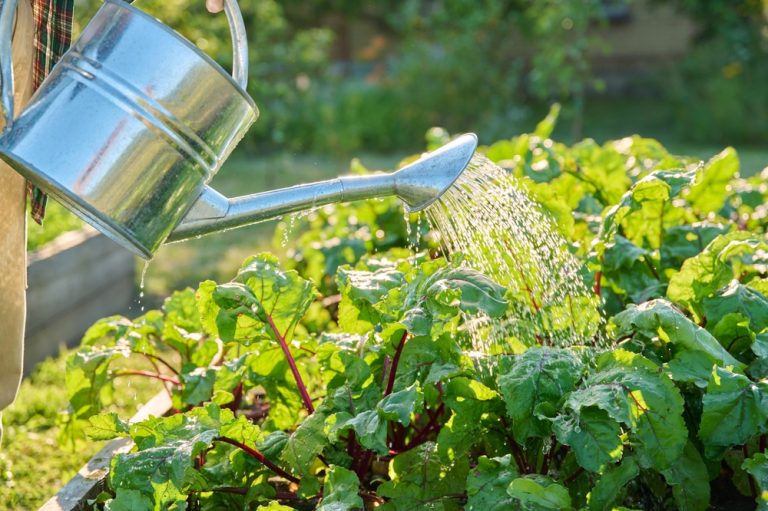
Gardens rarely fail because the soil lacks magic nutrients. Instead, gardens struggle when plants grow at the wrong moment in their seasonal rhythm. Every seed follows a biological schedule tied to temperature, daylight, and moisture cycles. Fertilizer often gets blamed for poor results, yet timing usually drives the real outcome. Smart gardeners focus on when…
5 Soil Health Improvements That Deliver Quick Results
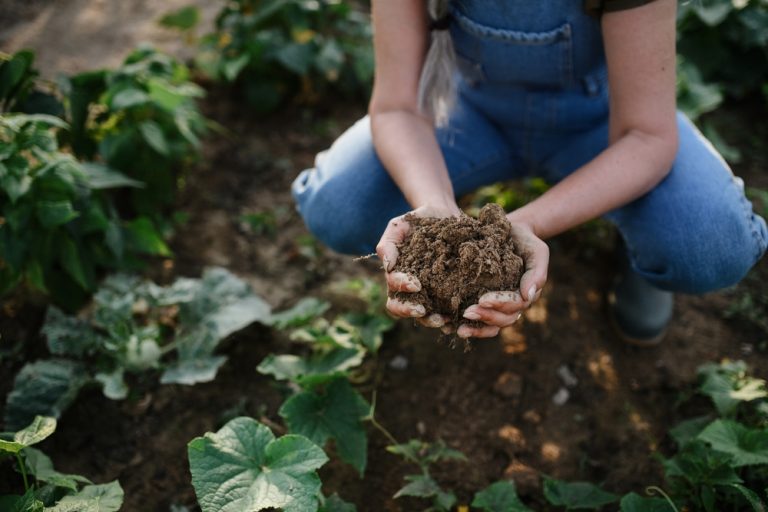
Healthy soil acts like a power source for every thriving garden, and small changes can trigger surprisingly fast improvements. Gardeners often focus on plants while the real transformation starts underground where roots interact with nutrients, microbes, and moisture. When soil structure improves, plants respond with stronger stems, richer color, and faster growth almost immediately. The…
The Growth Slowdown Problem During Seasonal Transitions
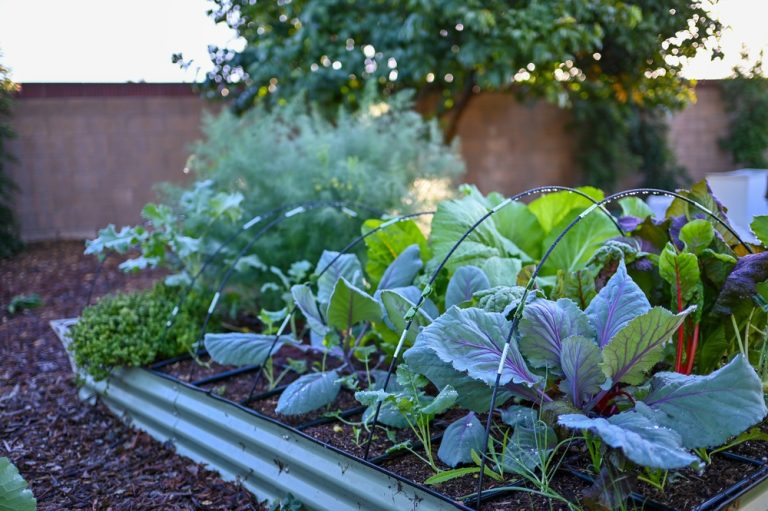
Gardens across the United States often hit a surprising moment when everything seems to slow down, even when care stays consistent. Leaves stop stretching with the same enthusiasm, blooms hesitate, and vegetables look like they are taking a long coffee break. This slowdown does not signal failure, and it does not mean plants lost their…
Why Nutrient Imbalances Slow Growth Over Time
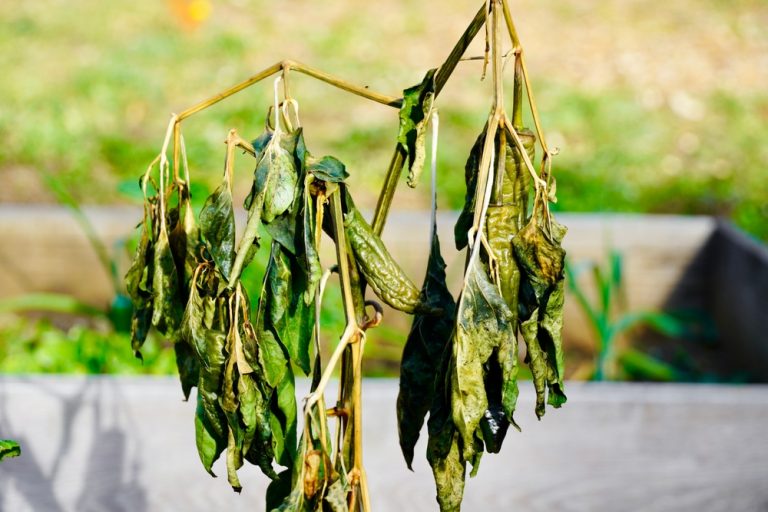
Gardens rarely fail overnight, yet many plants slowly lose their spark without any obvious warning. One week everything looks lush, and a few weeks later growth stalls, leaves fade, and harvests disappoint. Nutrient imbalances often sit at the center of this slow decline, quietly reshaping how plants develop from root to tip. Once the soil…
Why Early Growth Doesn’t Always Lead to Strong Yields
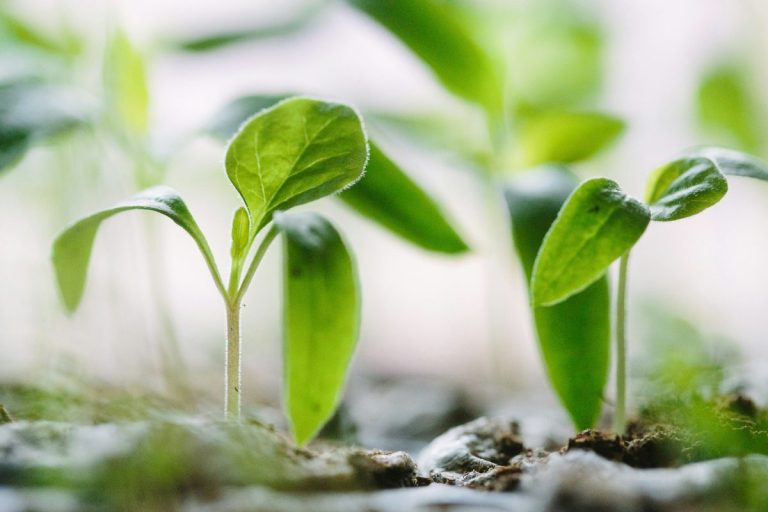
Early growth often tricks gardeners into celebrating too soon. A bed of tall seedlings or fast-spreading leaves can look like a win, yet the harvest later tells a different story. Many growers notice this gap between early excitement and final production, especially in vegetables like tomatoes, peppers, and squash. Plants can shoot upward quickly when…
The Sunlight Rule: Why Placement Determines Growth Success

Gardens don’t fail because people lack effort. They fail because plants end up in the wrong light at the wrong time. Sunlight drives everything from leaf size to flower production, and even how fast vegetables mature. A tomato plant sitting in shade behaves nothing like one soaking up six to eight hours of direct sun….
The Watering Myth: Why More Moisture Can Hurt Root Development
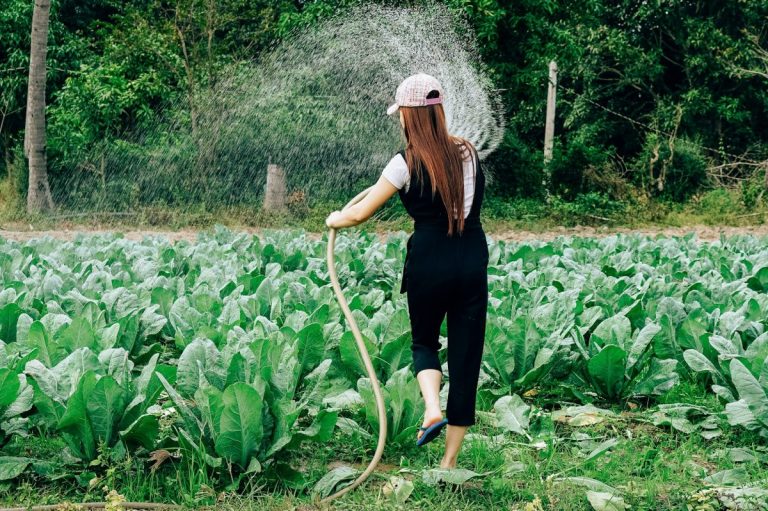
A lush, green garden often looks like it thrives on constant hydration, but that picture hides a costly mistake. Many gardeners treat watering like a generosity contest, pouring on extra moisture in hopes of faster growth and bigger blooms. That instinct feels right, but it quietly sabotages root systems beneath the surface. Plants don’t just…