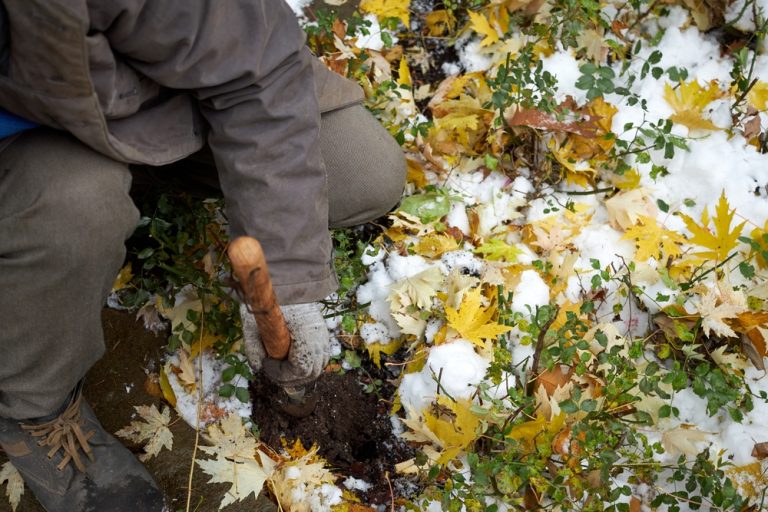
That first chilly weather forecast can send gardeners racing outside with pruners, buckets, and a vague feeling that everything needs to be finished immediately. Fortunately, most fall garden chores aren’t nearly that urgent, but a handful of garden jobs before first frost really do deserve priority because freezing temperatures can damage tender plants, ruin produce,…
garden tips
Garlic Goes in the Ground This Fall, But Timing It Wrong Can Ruin Next Year’s Harvest
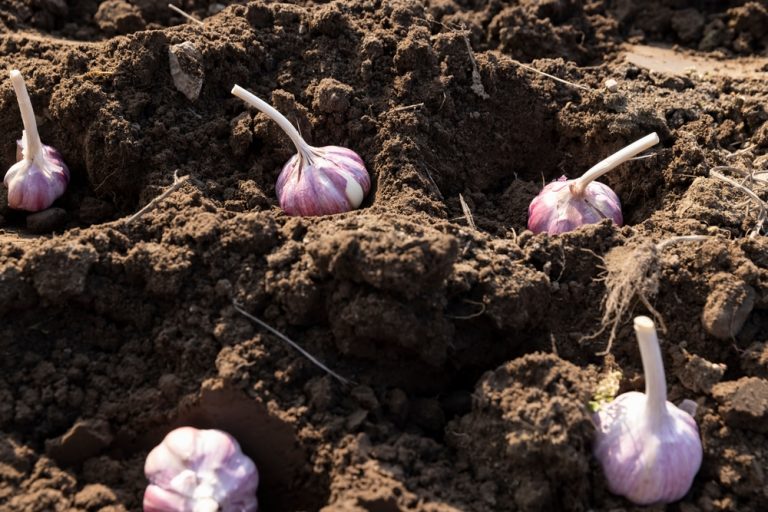
Garlic belongs in the fall garden, but the calendar matters more than many gardeners realize. Plant too early and the cloves can push up tender growth before winter, while planting too late can leave them scrambling to build the root system they need. That makes garlic a little different from the vegetables that demand attention…
Stop Pruning These Plants in September — You Could Make Winter Damage Worse
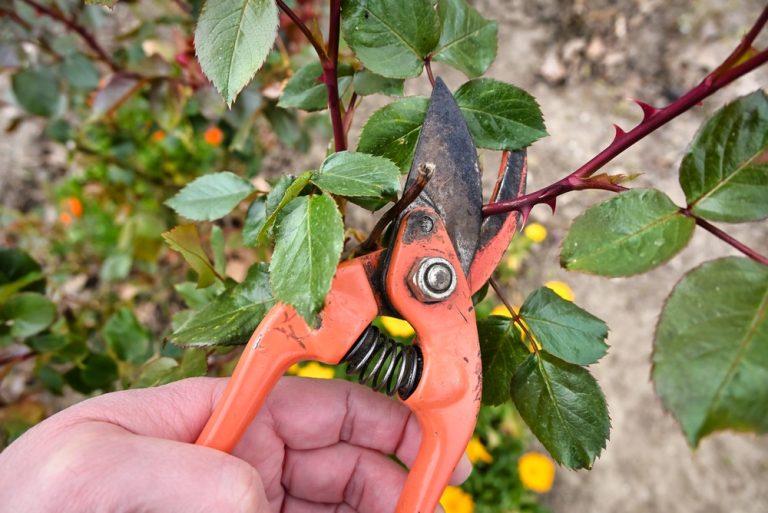
September can feel like the perfect month to grab the pruners. Summer heat starts easing, the garden looks a little shaggy, and suddenly every overgrown shrub seems to be whispering, “Give me a haircut.” Resist the urge with many trees and shrubs, because pruning in late summer or early fall can push out tender new…
A $3 Packet of Seeds Can Turn Into a $100 Mistake If You Buy the Wrong Kind Online
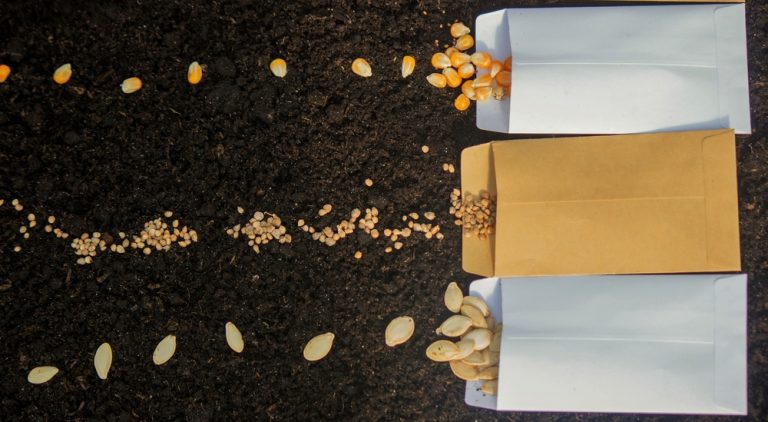
A $3 packet of seeds can look like the ultimate gardening bargain, especially when an online listing promises an unusual flower, giant vegetable, or rare plant that local garden centers never seem to carry. But that tiny packet can create a much bigger headache if the seller misrepresents the seeds, ships them from another country…
Bought Seeds Online From an Unknown Seller? USDA Says Don’t Plant Them Until You Check This
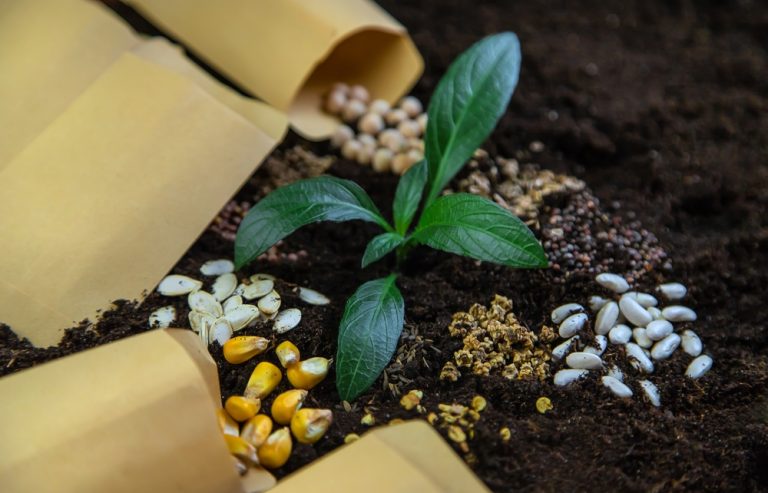
That packet of unusual flower or vegetable seeds from an unfamiliar online seller might look like a bargain, but the USDA has a very good reason for telling gardeners to pump the brakes. Before planting seeds bought online, check where they came from and whether they meet U.S. import requirements. That matters even more when…
10 Perennials You Can Divide This Fall Instead of Buying More Plants
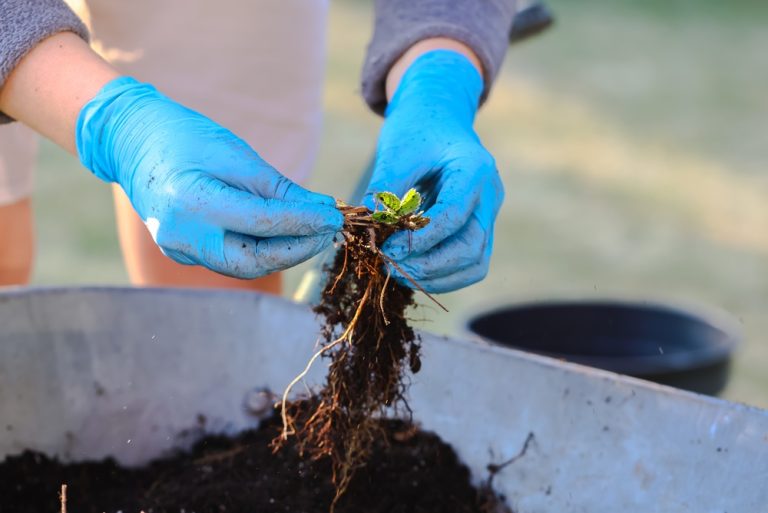
A crowded perennial bed can look like a shopping list waiting to happen, with one plant here, another plant there, and several suspiciously empty spots begging for a nursery run. Before handing over the credit card, take a closer look at the plants already growing in the yard, because fall division can turn one established…
9 Seeds Worth Saving From Your Garden Before the Season Ends
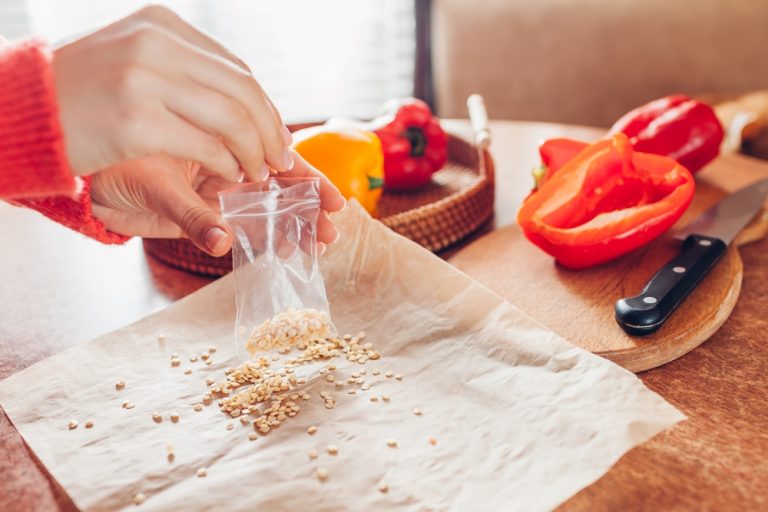
Garden season may be winding down, but some of its best souvenirs hide inside the vegetables and flowers already growing outside. Saving seeds lets gardeners carry favorite varieties into another growing season, and it can turn one especially delicious tomato, sturdy bean plant, or gorgeous flower into next year’s starting lineup. Not every seed deserves…
Should You Save Seeds From Grocery Store Produce? Sometimes It Works, Sometimes It Doesn’t
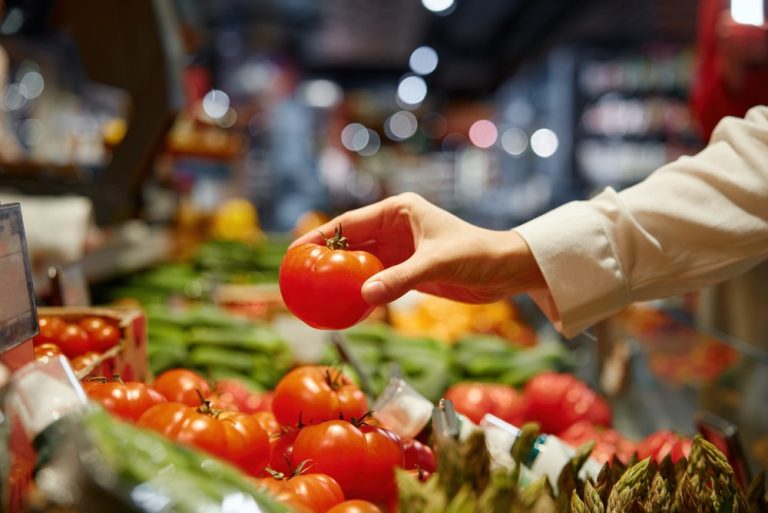
That tomato from the grocery store could become next summer’s tomato plant, but it could also become a very elaborate science experiment with leaves and no decent fruit. Grocery store produce sometimes contains perfectly viable seeds, yet the seed’s ability to grow tells only part of the story. The bigger question involves what kind of…
9 Popular Garden Purchases Frugal Gardeners Can Usually Skip

Gardening can turn into an expensive hobby remarkably fast. A few seed packets become a cart full of gadgets, specialty mixes, decorative containers, and tools that promise to make every tomato, flower, and cucumber perform like a champion. The good news is that plants rarely care how much money gets spent on them. A decent…
September Is One of the Best Times to Get Free Plants From the Ones You Already Own
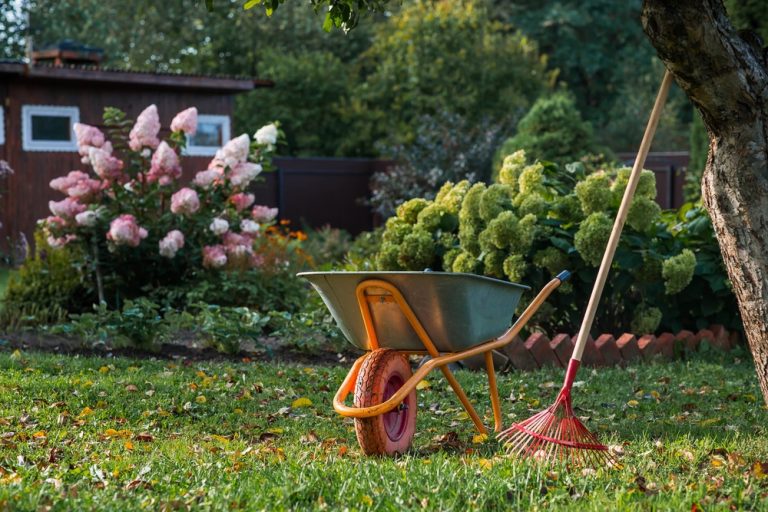
September has a sneaky little gardening gift: the plants already sitting in the yard can become new plants without a trip to the garden center. By dividing established perennials, taking suitable cuttings, or separating plants before they move into their slower fall rhythm, gardeners can turn one healthy plant into several. The timing makes particular…