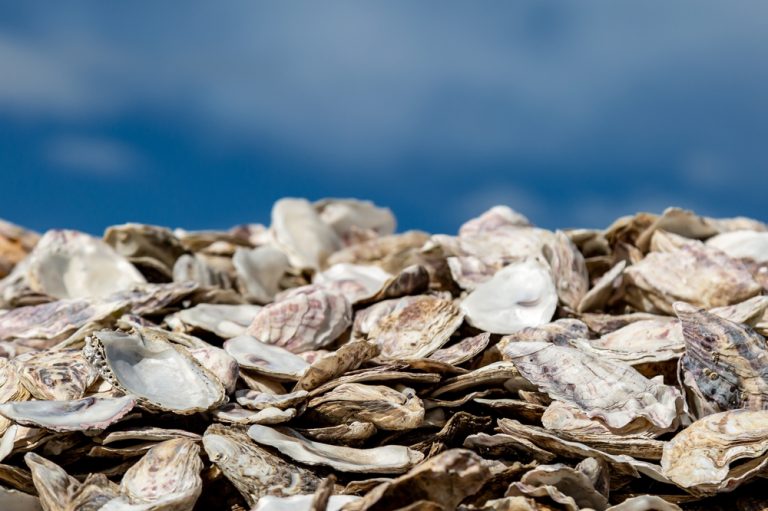
Crushed oyster shells can help garden soil, but they work more like a slow-moving soil amendment than a magical garden cure-all. Because oyster shells contain calcium carbonate, they can add calcium while gradually raising the pH of acidic soil, much like agricultural limestone. That makes those leftover shells more interesting than they look after dinner….
soil health
What Should You Do With Cornstalks Before They Turn Brittle?
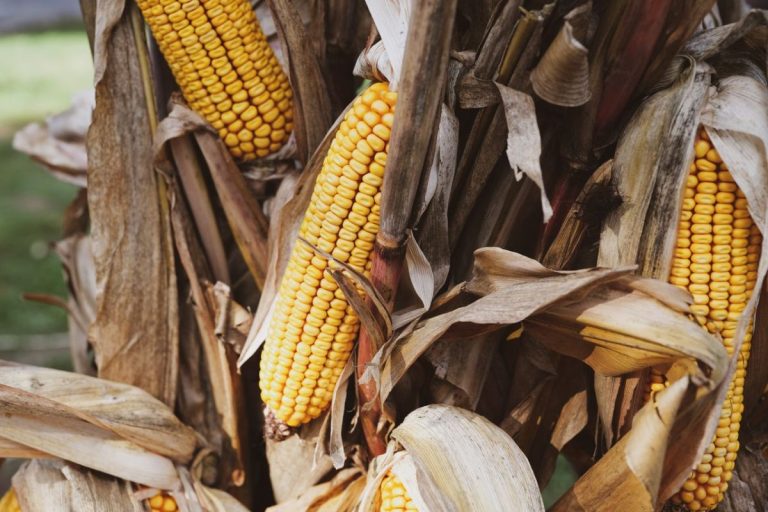
Cornstalks look impressive for about five minutes after the last ears come off. Then they start turning into a towering collection of dry leaves, tough stems, and garden debris that somehow seems determined to make cleanup harder. The smartest time to deal with corn plants comes before those stalks become completely dry and brittle, because…
7 Soil Amendments You May Find Discounted in Late Summer
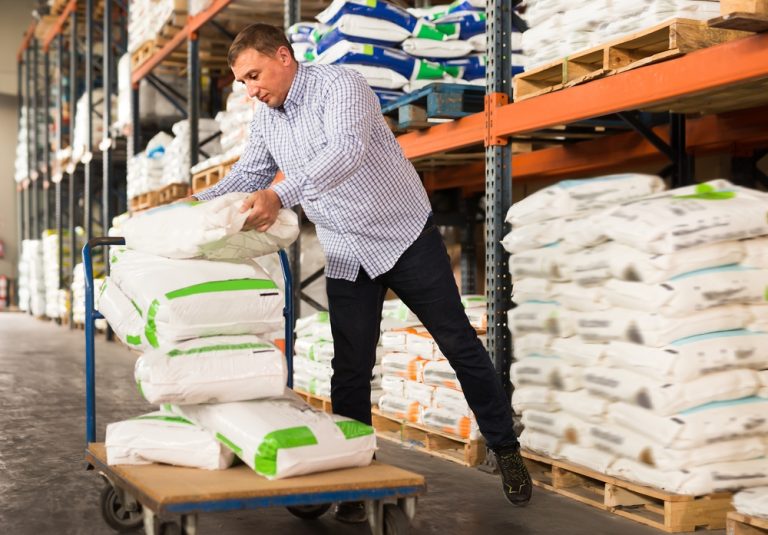
Late summer can bring an unexpected gardening opportunity: cheaper soil amendments. Garden centers often start clearing seasonal inventory as summer winds down, which can put compost, organic fertilizers, peat products, and other soil helpers into the bargain bin. That does not mean every discounted bag deserves a place in the garden shed. Some amendments improve…
5 Reasons a White Film Appears on Garden Soil
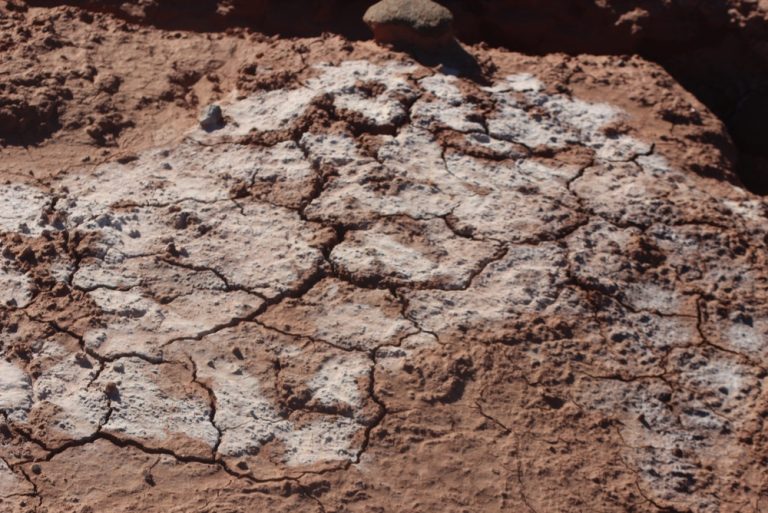
A white film across garden soil can make a healthy planting bed look like it belongs in a science experiment. That powdery layer often signals changes happening beneath the surface, and identifying the cause helps gardeners protect their plants and improve soil quality. Thankfully, a white coating does not automatically mean disaster has moved into…
What Is the Best Way to Cool Down Hot Compost?
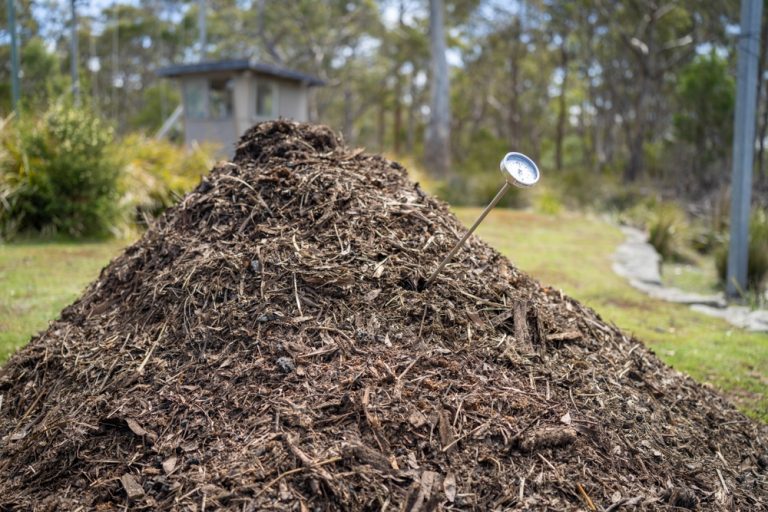
A hot compost pile can feel like a miniature volcano sitting quietly in the corner of the yard. Learning how to cool down hot compost helps gardeners protect valuable nutrients, keep decomposition balanced, and avoid turning a helpful pile into a dried-out heap of disappointment. Compost needs heat to break down kitchen scraps, leaves, and…
Can Worm Castings Rescue Nutrient-Poor Container Soil?
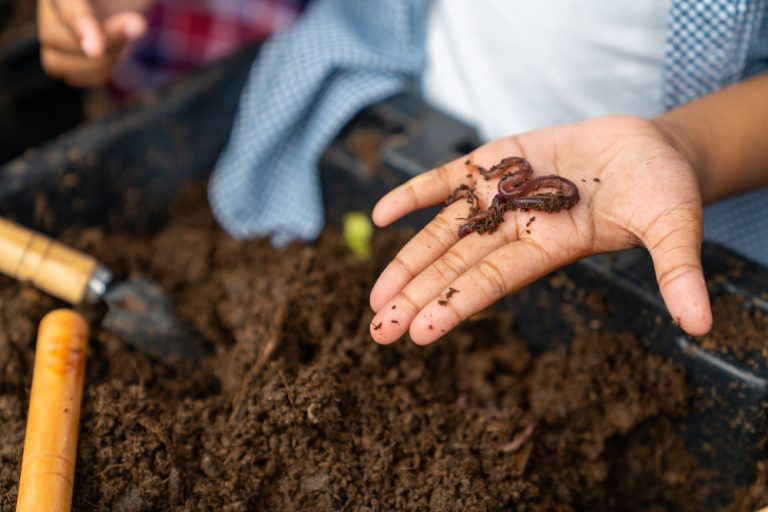
Container gardens can feel like tiny plant apartments, and after a few seasons, the soil inside those pots can start looking more like a worn-out studio than a luxury suite. Nutrients disappear, soil structure breaks down, and plants that once looked fantastic may suddenly struggle. Worm castings can help restore that tired container soil by…
What Should You Do With Garlic Beds After Harvest?
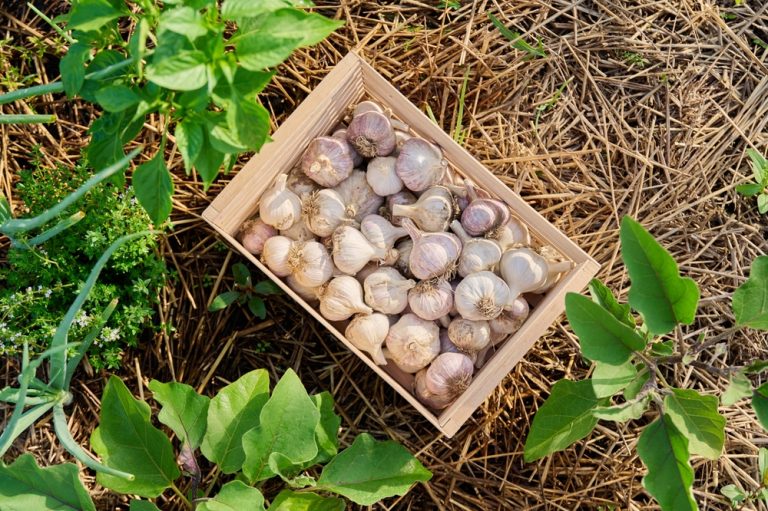
Garlic harvest day feels like a small victory lap in the garden. Those underground bulbs spent months quietly developing, and now the garden bed suddenly has an empty spot waiting for its next assignment. Knowing what to do after pulling garlic helps gardeners protect soil quality, reduce pests, and keep the garden productive long after…
Why Do Some Garden Beds Stay Wet Long After a Storm?
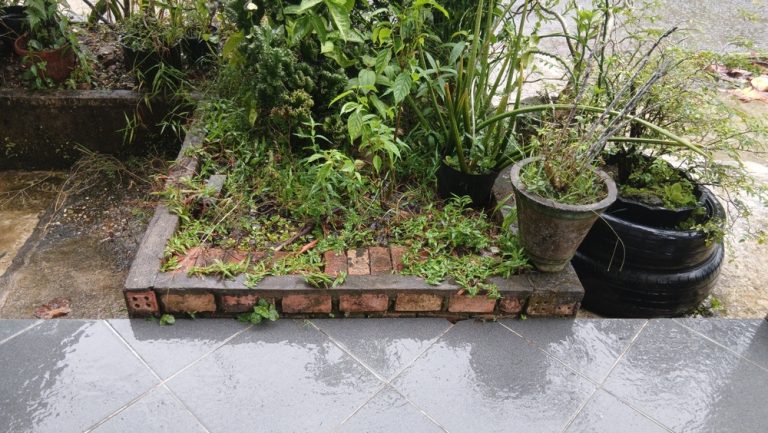
Rain should leave a garden refreshed, not looking like it belongs in a marsh. Yet some garden beds stay soggy for days after a storm while others drain beautifully within hours, and that difference often points to problems hiding beneath the surface. A waterlogged bed does more than create muddy shoes. It can suffocate roots,…
Can Biochar Help Sandy Soil Hold Water During Hot Weather?
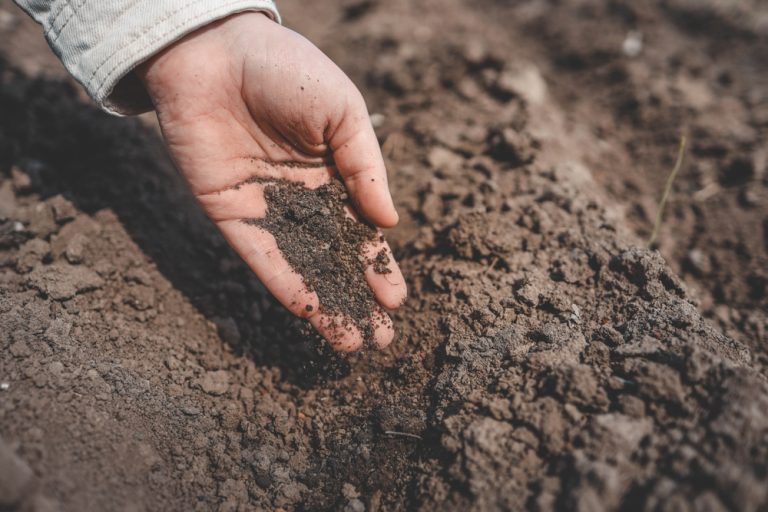
Sandy soil drains quickly, which sounds wonderful until a hot stretch arrives and the garden suddenly behaves like a colander. Water disappears below the root zone, plants wilt faster, and the hose seems to spend more time running than it should. Biochar can help sandy soil hold more moisture during hot weather, but gardeners need…
Why Are Your Blueberries Staying Small This Season?
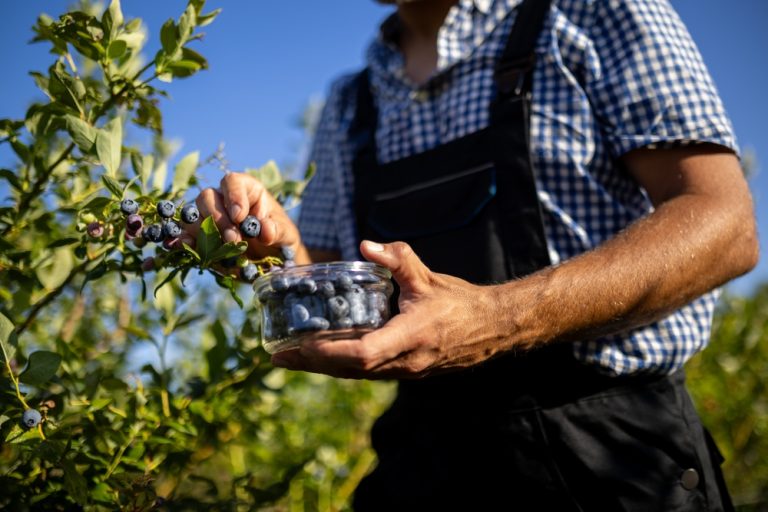
Small blueberries can turn a promising harvest into a bowl of tiny blue marbles, especially when the bushes look healthy and leafy. The good news is that undersized fruit usually points to a specific growing problem, and the culprit may have nothing to do with the variety of blueberry planted in the garden. Blueberries need…