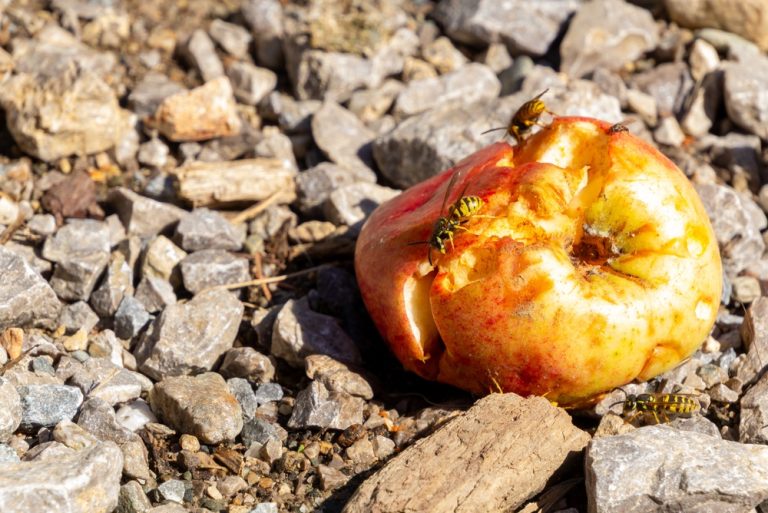
You’re harvesting the last tomatoes, picking up fallen apples, or taking a quick drink while cleaning up the garden when suddenly several yellow-and-black insects seem determined to join you. Yellowjackets can become particularly noticeable in late summer and fall, precisely when gardeners are spending hours harvesting produce and preparing beds for winter. The change isn’t…
pests
Powdery Mildew Is Everywhere This Fall — Can Those Leaves Go in Compost?
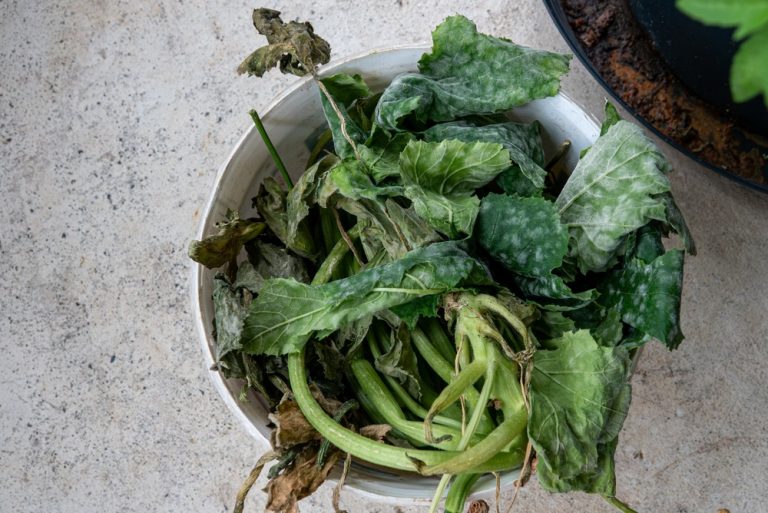
By late summer and early fall, a perfectly healthy-looking squash, cucumber, bee balm, or zinnia can suddenly look like someone dusted its leaves with flour. Powdery mildew is extremely common, and once cold weather approaches, gardeners face a practical question: what should happen to all those infected leaves and vines? Tossing them seems wasteful when…
Found a Snake in the Garden? What It’s Doing There May Surprise You
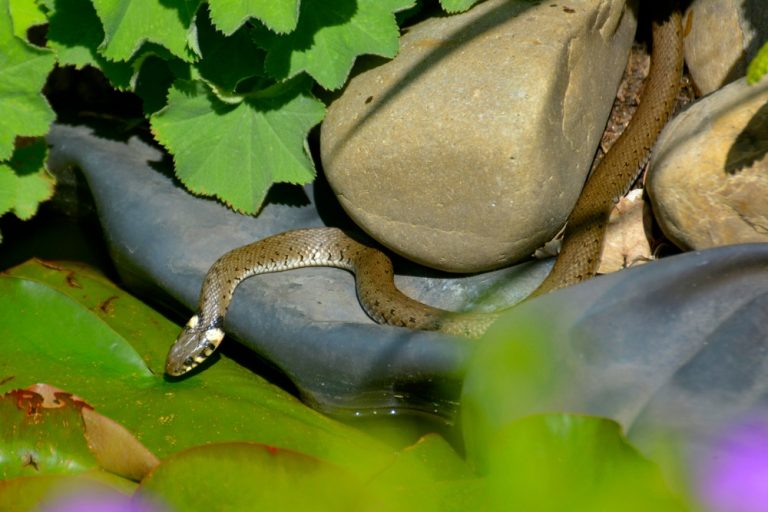
A snake sliding through the garden can turn a peaceful morning of watering tomatoes into a full-blown wildlife documentary. But that snake probably did not wander into the yard with plans to terrorize the gardener. In many cases, it arrived because the garden offers exactly what a snake needs: food, shelter, water, warmth, or a…
Can Companion Planting Reduce Pest Damage Without Extra Spending?
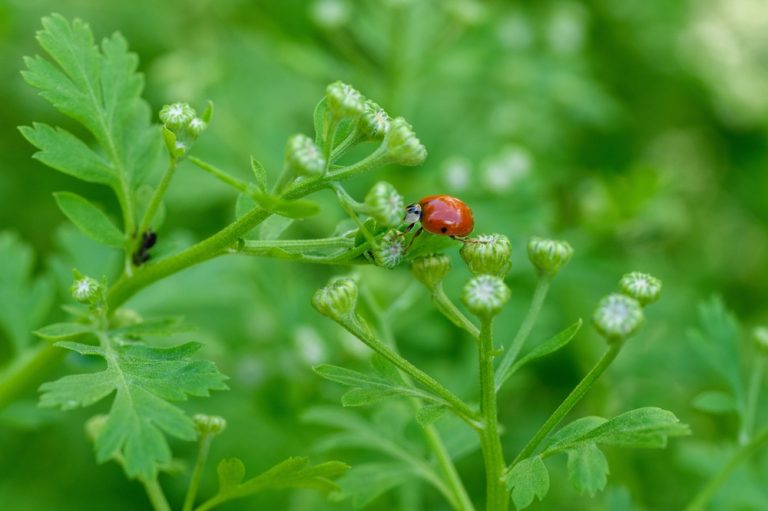
Every growing season brings the same battle. Tender leaves attract hungry insects, tomatoes suddenly look like an all-you-can-eat buffet, and gardeners start eyeing expensive sprays, traps, and powders. Companion planting offers a different path by using plant partnerships instead of opening a wallet. The idea sounds almost too simple, yet many experienced gardeners rely on…
What Is the Safest Way to Handle Slugs Without Harsh Chemicals?
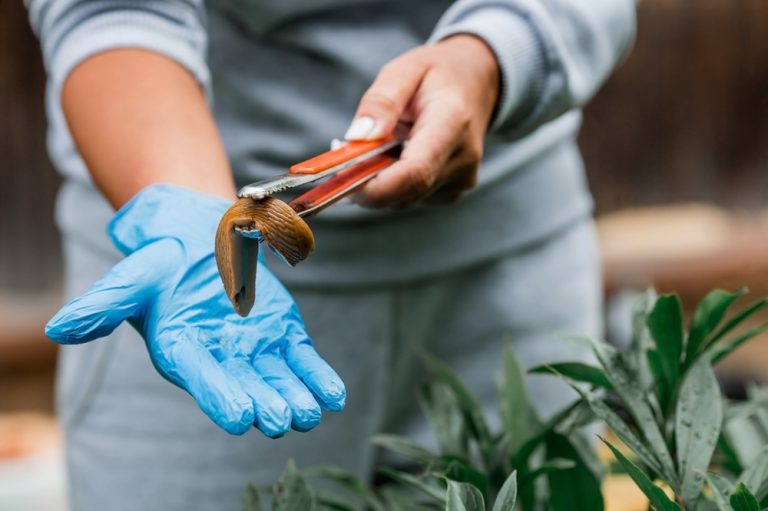
Slugs can turn a promising garden into a midnight buffet, leaving ragged holes in lettuce, seedlings, hostas, and other tender plants. The safest way to handle them starts with a simple strategy: make the garden less inviting, remove the slugs you find, and use controls that target slugs without creating unnecessary risks for pets, wildlife,…
Can a Bee Bath Become a Mosquito Breeding Spot?
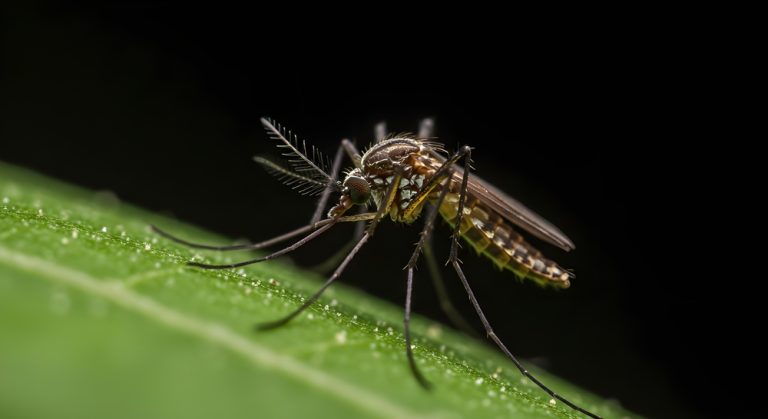
A bee bath can give thirsty bees a welcome pit stop, but a neglected one can also turn into a tiny mosquito nursery. The good news? Gardeners do not need to choose between helping pollinators and avoiding standing water. The trick comes down to one simple gardening habit: keep the water fresh and moving through…
Why Are Wasps Hovering Around Your Garden Beds?
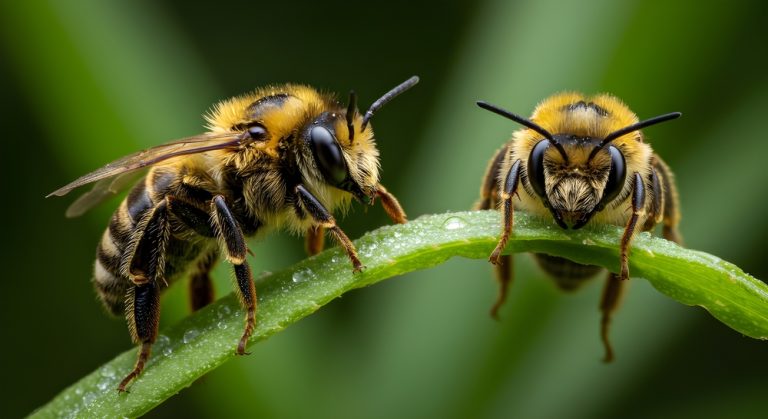
Wasps hovering around garden beds usually have a reason, and the answer often involves food, water, shelter, or a combination of all three. A garden can look like a buffet, a watering hole, and a cozy apartment complex to a wasp, all at the same time. That does not automatically mean a nest lurks under…
What Is Causing Tiny White Flies to Rise From Your Plants?
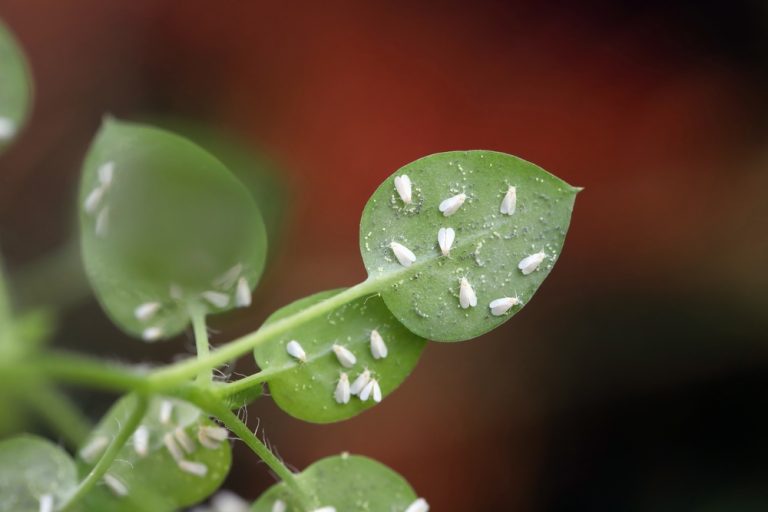
A cloud of tiny white flies lifting from your plants usually points to one familiar garden troublemaker: whiteflies. These small sap-sucking insects can turn a healthy-looking plant into a stressed, sticky mess if gardeners ignore the warning signs. Whiteflies leave clues behind, and quick action can stop a small pest problem from becoming a full…
The July Pest Damage Gardeners Mistake for Heat Stress
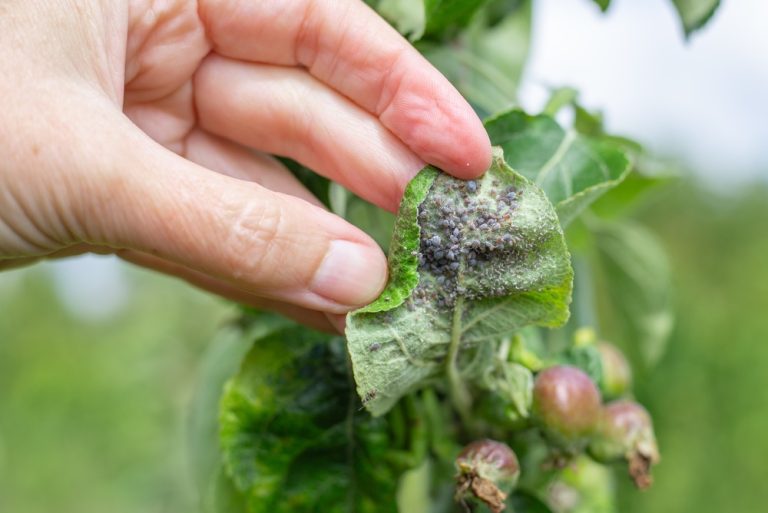
Hot July weather can make plants look miserable, but scorching temperatures do not always deserve the blame. Many gardeners grab the watering can when they see curled leaves, yellow patches, or drooping stems, only to discover tiny pests have been quietly hosting a garden buffet. Knowing the difference between heat stress and insect damage helps…
The Cheapest Plants That Keep Mosquitoes Away
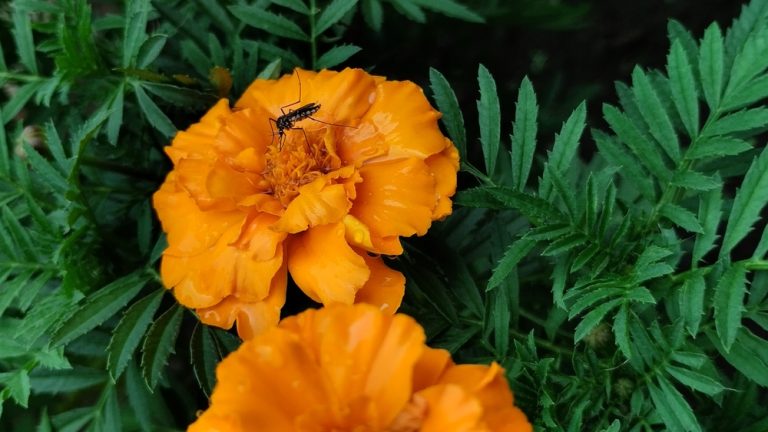
Nothing ruins a relaxing evening outdoors faster than a cloud of hungry mosquitoes. While no plant creates an invisible force field that sends every mosquito packing, several affordable favorites release fragrant oils that mosquitoes dislike when the leaves get brushed, crushed, or disturbed. Better yet, many of these plants cost less than a takeout meal…