A tiny packet of seeds can unlock gallons of rich, plant-feeding power—and most people walk right past that opportunity without a second glance. Garden centers push expensive fertilizers with glossy labels and big promises, but nature quietly offers a system that multiplies value in a way that feels almost unfair. That system doesn’t rely on complicated tools or secret formulas. It leans on simple biology, a bit of patience, and a willingness to let plants do what they already do best. The result? A garden that feeds itself more efficiently while saving money at the same time.
The idea flips the usual approach on its head. Instead of buying more products every season, it focuses on growing inputs directly from the garden itself. One small investment in seeds can turn into a steady supply of liquid fertilizer that keeps plants thriving through the entire growing cycle. That shift feels empowering, especially when fertilizer prices keep climbing and quality varies from brand to brand. This method doesn’t just cut costs—it builds a system that keeps giving long after that first packet gets opened.
The Secret Weapon Hiding in Plain Sight: Fast-Growing Plants That Feed the Soil
Certain plants don’t just grow quickly—they pull nutrients from the soil and pack them into their leaves and stems like tiny storage units. Gardeners often call these dynamic accumulators, and they include options like comfrey, nettle, alfalfa, and even fast-growing greens such as mustard or clover. These plants act like nutrient magnets, drawing up minerals like nitrogen, potassium, and trace elements from deep in the soil. Once harvested, they become the foundation for an incredibly potent liquid fertilizer that costs almost nothing to produce.
A single packet of seeds can produce dozens, sometimes hundreds, of plants depending on spacing and care. Those plants grow rapidly, especially during warm months, and they bounce back after cutting, which means multiple harvests in one season. Each harvest adds more material for fertilizer production, and that’s where the magic starts to scale. Instead of buying gallon after gallon of commercial fertilizer, this approach creates a renewable source that keeps expanding with each cut.
The process doesn’t require perfect conditions or expert-level skills. These plants thrive in average soil, tolerate a range of climates, and don’t demand constant attention. That resilience makes them perfect candidates for anyone looking to build a low-cost, high-output system. Choosing the right plants sets the stage for everything that follows, and it transforms a simple seed packet into a long-term resource.
Brewing the Good Stuff: Turning Plants Into Liquid Gold
Once those nutrient-rich plants reach a healthy size, the next step turns them into a concentrated liquid fertilizer through a simple steeping process. Freshly cut leaves and stems go into a container, which then gets filled with water until everything sits fully submerged. Over time, the plant material breaks down and releases nutrients into the water, creating a dark, rich solution that plants absolutely love. This process often gets called plant tea or fermented plant extract, and it works because it mimics natural decomposition in a controlled way.
The timing matters, but it doesn’t demand precision. Most mixtures take anywhere from one to three weeks, depending on temperature and plant type. Warmer conditions speed things up, while cooler weather slows the breakdown process. Stirring the mixture occasionally helps oxygen move through the liquid, which can improve the final result. The smell can get strong, so placing the container away from high-traffic areas makes life a lot more pleasant.
Once the liquid reaches a deep color and the plant material looks broken down, it’s ready to use. Straining out the solids leaves behind a concentrated fertilizer that packs a serious punch. Diluting it with water before applying prevents overfeeding and keeps plants happy. This simple brewing method turns garden clippings into something powerful, and it stretches the value of those original seeds far beyond expectations.
Stretching Every Drop: How to Make It Last and Work Harder
Getting 50 gallons of fertilizer from a packet of seeds doesn’t happen in one batch—it comes from repeating the cycle and using each harvest wisely. Each round of plant growth produces more material, and each batch of liquid fertilizer can get diluted to cover a larger area. A single gallon of concentrated solution can easily turn into five or even ten gallons of usable fertilizer once mixed with water. That multiplication effect adds up quickly over a growing season.
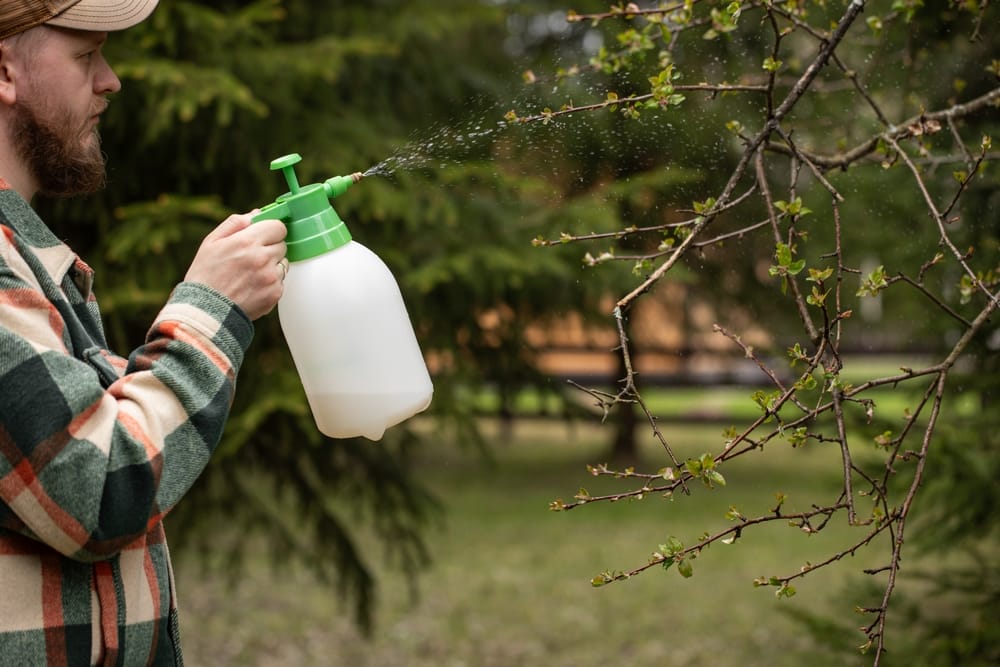
Applying the fertilizer at the right time boosts its impact. Feeding plants during active growth phases, such as early leaf development or pre-flowering stages, helps them absorb nutrients more effectively. Using it as a soil drench or a foliar spray offers flexibility depending on the plant’s needs. Regular, moderate applications work better than heavy, infrequent doses, which keeps growth steady and avoids stress.
Storage also plays a role in maximizing output. Keeping unused concentrate in a sealed container extends its shelf life, although fresher batches tend to deliver better results. Labeling batches with dates helps track freshness and ensures nothing goes to waste. This approach turns fertilizer into a renewable resource instead of a recurring expense, and it rewards consistency with bigger yields over time.
Why This Beats Store-Bought Options in More Ways Than One
Commercial fertilizers promise convenience, but they often come with trade-offs that don’t show up on the label. Many products focus on quick results, delivering nutrients in forms that plants absorb rapidly but don’t always support long-term soil health. This DIY method, on the other hand, feeds both the plants and the soil ecosystem at the same time. It encourages beneficial microbes, improves soil structure, and builds a more balanced growing environment.
Cost savings stand out immediately, but the benefits go deeper. Producing fertilizer at home reduces packaging waste, cuts down on chemical inputs, and keeps the entire process more sustainable. That shift aligns with a growing interest in eco-friendly gardening practices that prioritize long-term health over short-term gains. It also creates a sense of independence, since the garden no longer relies on outside products to thrive.
Consistency adds another advantage. Store-bought fertilizers can vary in quality, and supply issues can disrupt availability during peak seasons. A homegrown system eliminates that uncertainty by putting production directly in the gardener’s hands. That control leads to better results and a more predictable growing experience, which makes the entire process more enjoyable.
Small Seeds With Massive Results
A packet of seeds might look small, but it carries the potential to transform an entire gardening routine. By choosing fast-growing, nutrient-rich plants and turning them into liquid fertilizer, it becomes possible to produce gallons upon gallons of plant food with minimal cost. This approach rewards patience and creativity while delivering results that rival, and often exceed, commercial options. It builds a system that grows stronger over time instead of relying on constant purchases.
The real beauty lies in how simple the process feels once it gets going. Cut the plants, soak them, strain the liquid, and repeat. That cycle turns into a rhythm that supports healthier plants, richer soil, and a more sustainable garden overall. It also creates an opportunity to experiment, refine techniques, and discover what works best in different conditions. Every batch adds a little more knowledge and a lot more value.
What other simple gardening tricks could stretch resources even further and unlock bigger results? Give us some ideas, favorite methods, or unexpected successes in the comments.
You May Also Like…
When to Thin Seedlings for Maximum Growth
5 DIY Bird Deterrents That Protect Seeds and Seedlings
Easy Techniques to Strengthen Weak Seedlings Before Transplanting
The Common Seedling Mistakes That Destroy Young Plants Before They Grow
How to Strengthen Seedlings Without Buying Products

Brandon Marcus is a staff writer for FrugalGardening.com at District Media, Inc., where he delivers practical gardening advice with a relatable, no-nonsense style. An avid amateur gardener, he holds a BA degree and with over ten years of professional writing experience, he is also an award-winning published author whose first book, Questions For Deep Thinkers, was released by Adams Media. His work has appeared in major publications including Fandom.com, CHUD.com, TheColdWire.com, and Fansided.com.
Leave a Reply