The biggest threat to a thriving garden doesn’t always come from pests, drought, or neglect. Sometimes, it comes from the very plants chosen to bring that space to life. Certain species may look lush, vibrant, and completely harmless, yet they slowly strip the soil of nutrients, disrupt balance, and leave behind a growing mess that becomes harder to fix over time. A garden can look perfectly fine on the surface while the soil underneath steadily loses its strength.
That idea might sound dramatic, but soil health drives everything in a garden. Strong soil grows resilient plants, supports beneficial microbes, and holds moisture the right way. Weak soil, on the other hand, turns into a battleground where nothing thrives for long. Some plants aggressively drain nutrients, others release chemicals that block growth, and a few simply overwhelm everything in their path.
1. Mint: The Garden Bully That Won’t Back Down
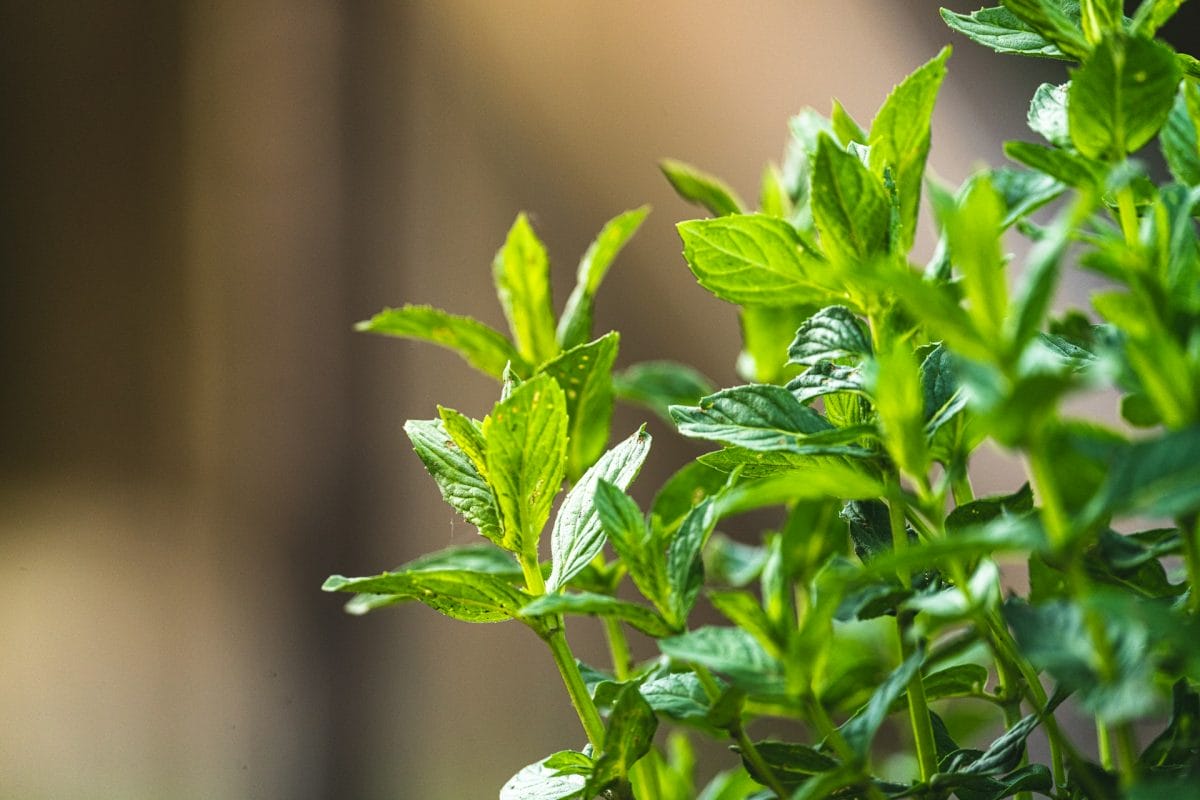
Mint smells fresh, tastes incredible, and grows with almost zero effort, which makes it incredibly tempting to plant directly into garden beds. That easy growth hides a serious problem. Mint spreads aggressively through underground runners that push out other plants and dominate large areas before anyone notices. It doesn’t just compete for space either; it pulls nutrients from the soil at a rapid pace, leaving surrounding plants struggling to keep up.
Garden experts often recommend keeping mint in containers for a reason. Once it takes hold in open soil, removing it becomes a frustrating, ongoing battle because even tiny root fragments regrow into full plants. Over time, that constant competition drains soil nutrients unevenly, making the ground less productive. Keeping mint isolated in pots protects both soil health and the rest of the garden. If mint already grows freely, pulling it out completely and replenishing the soil with compost helps restore balance.
2. Bamboo: Fast Growth, Faster Soil Depletion
Bamboo delivers instant privacy and a striking look, but it comes with serious consequences for soil health. Certain varieties grow incredibly fast and develop dense root systems that absorb huge amounts of water and nutrients. That aggressive growth doesn’t leave much behind for neighboring plants, which often begin to decline as bamboo expands.
Running bamboo varieties create the biggest problems because they spread underground and pop up in unexpected places. This expansion disrupts soil structure and makes it difficult for other plants to establish stable roots. Over time, the soil becomes compacted and depleted, especially in smaller garden spaces. Choosing clumping bamboo varieties instead offers a safer alternative, as they grow in tighter clusters and limit soil disruption. Installing root barriers can also help contain growth and protect surrounding soil from excessive nutrient loss.
3. Sunflowers: Beautiful but Surprisingly Demanding
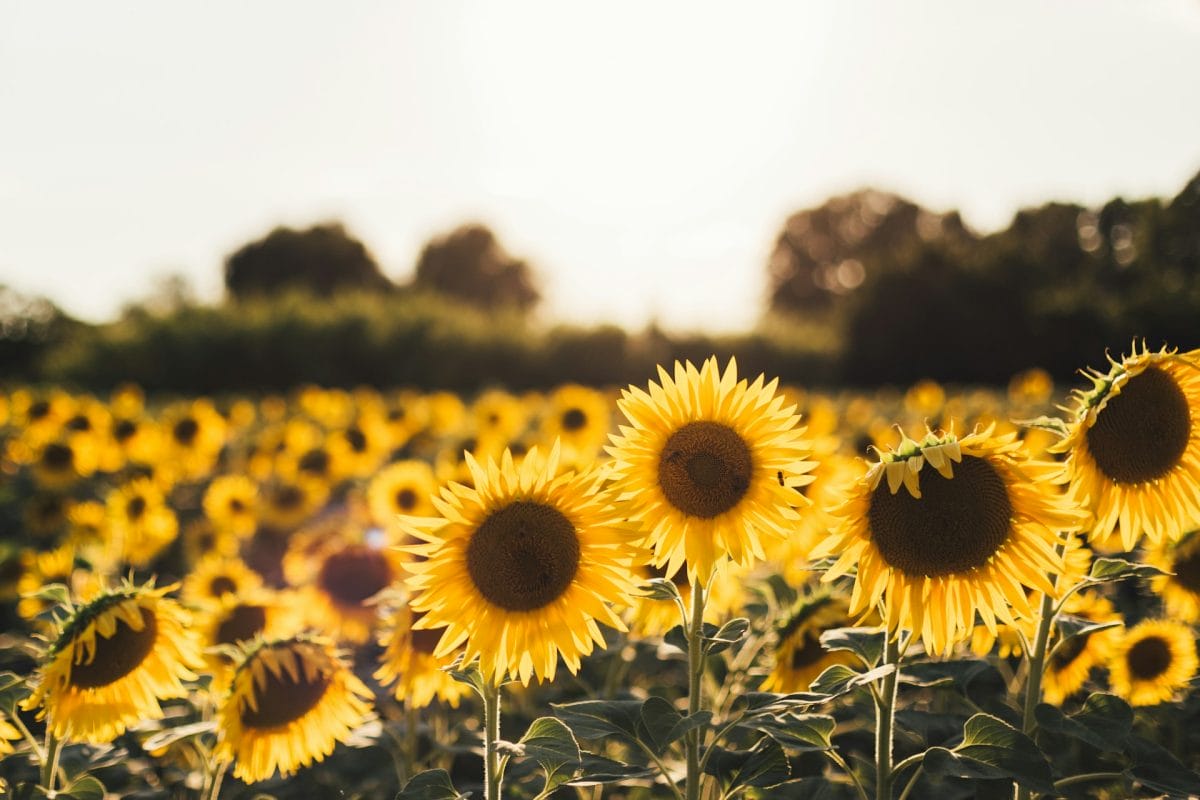
Sunflowers bring bold color and towering height, but they demand a lot from the soil. These plants require significant nutrients to reach their full size, especially nitrogen and phosphorus. When planted repeatedly in the same area, they can strip the soil of essential elements, leaving it weaker for future planting seasons.
Sunflowers also release natural compounds into the soil that can inhibit the growth of certain nearby plants. This process, known as allelopathy, creates a challenging environment for anything planted too close. Rotating sunflowers to different areas each season helps prevent long-term damage and keeps soil nutrients more balanced. Adding organic matter like compost after harvesting sunflowers can replenish what they removed and prepare the soil for the next round of planting.
4. English Ivy: The Silent Soil Suffocator
English ivy looks classic and elegant as it climbs walls or spreads across the ground, but it creates serious problems below the surface. Its dense growth forms a thick mat that blocks sunlight and reduces airflow to the soil. That lack of light and air slows down the natural processes that keep soil healthy and alive.
As ivy spreads, it also competes heavily for nutrients and water, leaving little behind for other plants. The soil underneath often becomes compacted and less fertile over time. Removing ivy can feel overwhelming, but clearing it out and loosening the soil afterward brings life back into the area. Reintroducing native plants helps restore balance and supports healthier soil conditions moving forward.
5. Tomatoes: Heavy Feeders That Leave Soil Exhausted
Tomatoes sit at the heart of many home gardens, but they place heavy demands on soil nutrients. These plants require large amounts of nitrogen, potassium, and phosphorus to produce healthy fruit. Without proper care, they can leave soil depleted after just one growing season.
Planting tomatoes in the same spot year after year compounds the problem and increases the risk of soil-borne diseases. Crop rotation becomes essential when growing tomatoes regularly. Switching their location each season gives the soil time to recover and reduces nutrient imbalance. Adding compost and organic fertilizers after each harvest helps rebuild soil strength and ensures better results in future plantings.
6. Walnut Trees: Chemical Warfare Underground
Walnut trees bring shade and beauty, but they release a chemical called juglone into the soil. This substance inhibits the growth of many other plants, making it difficult for anything nearby to thrive. The effect extends beyond the tree’s canopy, impacting a surprisingly large area underground.
Juglone interferes with plant respiration, which leads to stunted growth or even plant death in sensitive species. Soil affected by walnut trees often requires careful plant selection to maintain a healthy garden. Choosing juglone-tolerant plants allows for better success in these areas. Clearing fallen leaves and debris regularly can also reduce the concentration of the chemical in the soil over time.
7. Eucalyptus: Draining Soil Dry and Bare
Eucalyptus trees grow quickly and create a dramatic visual impact, but they consume large amounts of water and nutrients. Their root systems pull resources from deep within the soil, leaving surrounding areas dry and less fertile. This intense consumption creates difficult conditions for other plants trying to survive nearby.
Eucalyptus also drops leaves that decompose slowly and can alter soil composition. That process reduces the availability of nutrients for other plants and changes the soil environment over time. Managing eucalyptus requires careful placement, especially in smaller gardens. Keeping these trees at a distance from planting beds helps preserve soil health and prevents unnecessary competition.
A Thriving Garden Starts Underground
A garden’s success never depends solely on sunlight, watering schedules, or plant choices above ground. Soil holds the real power, and protecting it changes everything. Some plants bring beauty but demand too much in return, while others quietly disrupt balance in ways that don’t show up right away. Recognizing those patterns allows smarter decisions that keep gardens strong and productive year after year.
What plants have caused the most trouble in your garden, and what strategies have worked to bring your soil back to life? Share your experiences and ideas in the comments.
You May Also Like…
How to Make Compost Tea to Improve Soil Health
How to Make a Simple Soil Moisture Meter at Home
Low-Cost Cover Crops That Improve Soil Without Extra Work
How to Test Soil Drainage Before Planting

Brandon Marcus is a staff writer for FrugalGardening.com at District Media, Inc., where he delivers practical gardening advice with a relatable, no-nonsense style. An avid amateur gardener, he holds a BA degree and with over ten years of professional writing experience, he is also an award-winning published author whose first book, Questions For Deep Thinkers, was released by Adams Media. His work has appeared in major publications including Fandom.com, CHUD.com, TheColdWire.com, and Fansided.com.
Leave a Reply