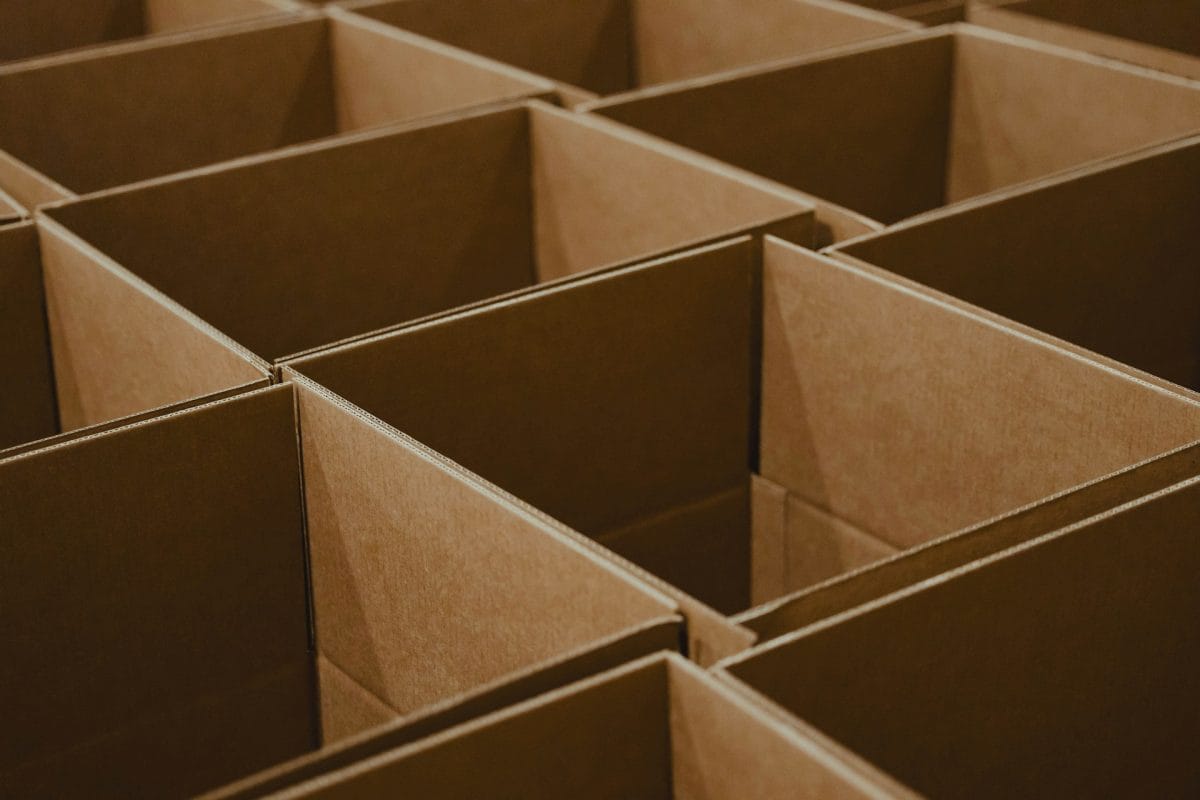
Why toss cardboard into a bin when it could literally feed the earth beneath your feet? That plain brown box sitting in the corner holds more potential than most people ever realize, and it has nothing to do with storage or shipping. Instead of sending it off to a recycling facility, a growing number of gardeners and sustainability enthusiasts choose a different path—one that turns trash into a powerful tool for healthier soil.
This idea might sound unusual at first, but it rests on solid, science-backed principles. Cardboard breaks down naturally, enriches soil, and even helps control weeds when used the right way. It offers a simple, low-cost way to improve outdoor spaces without relying on chemicals or expensive materials. Once this approach clicks, those empty boxes start to look less like waste and more like an opportunity waiting to happen.
Cardboard: The Secret Weapon Your Soil Has Been Waiting For
Cardboard works as a carbon-rich material, which plays a key role in building healthy soil. Soil thrives on balance, especially the balance between carbon and nitrogen, and cardboard delivers a steady source of carbon as it decomposes. When placed directly on the ground and covered with soil or mulch, it begins to break down slowly while feeding beneficial organisms. Earthworms, microbes, and fungi all get to work, transforming that stiff material into nutrients that plants love.
This process mirrors natural ecosystems where organic matter constantly falls, decomposes, and enriches the ground. Cardboard essentially mimics fallen plant material, except it arrives in a more concentrated and manageable form. Gardeners often use it as a base layer in raised beds or new planting areas. It helps kickstart soil life in places that may have started out dry, compacted, or nutrient-poor. That transformation can turn struggling patches into thriving, productive spaces.
Another advantage lies in its accessibility. Cardboard shows up everywhere, especially with the rise of online shopping, so it provides an easy entry point for sustainable practices. Removing tape, labels, and glossy coatings ensures the material stays safe for soil use. Once prepared, it becomes a reliable ingredient in building a richer, more resilient growing environment. That kind of simplicity makes it hard to ignore.
Say Goodbye to Weeds Without Breaking a Sweat
Weeds love open space, sunlight, and opportunity, but cardboard shuts all three down in one move. Laying it over soil creates a barrier that blocks sunlight, which prevents weeds from growing or spreading. This method, often called sheet mulching, has gained popularity because it reduces the need for chemical herbicides or constant manual removal. Instead of pulling weeds over and over again, cardboard handles the job quietly and effectively.
As the cardboard decomposes, it continues to suppress weed growth while improving the soil beneath. That dual function makes it far more useful than traditional weed barriers made from plastic. Plastic can trap moisture and disrupt soil life, while cardboard supports natural processes and eventually disappears. This creates a cleaner, healthier environment for plants to grow.
Timing plays a role in maximizing results. Applying cardboard before planting or during seasonal transitions gives it time to settle and start breaking down. Covering it with mulch or compost adds weight and accelerates decomposition, which enhances its effectiveness. This layered approach not only controls weeds but also creates a visually appealing garden bed that feels intentional and well-designed. It turns a simple material into a powerful landscaping tool.
Composting Cardboard: Turning Boxes Into Black Gold
Cardboard shines in compost piles where it balances out nitrogen-rich materials like food scraps and grass clippings. Compost thrives on diversity, and cardboard adds structure while preventing the pile from becoming too wet or compacted. Shredding or tearing it into smaller pieces speeds up decomposition and helps it mix evenly with other materials. This creates better airflow, which keeps the composting process active and efficient.
Moisture also plays a critical role. Dry cardboard needs water to break down properly, so soaking it or layering it with moist materials helps kickstart the process. Once integrated into a compost system, it begins to transform into dark, crumbly material often called “black gold” by gardeners. That finished compost enriches soil, improves drainage, and supports healthy plant growth.
Using cardboard in compost also reduces overall waste. Instead of sending boxes to recycling facilities that require energy and resources to process them, composting keeps everything local and natural. This approach aligns with sustainable practices that prioritize reuse and minimal environmental impact. It creates a cycle where waste feeds new growth, which feels both practical and rewarding.
Recycling Isn’t Always the Best Option
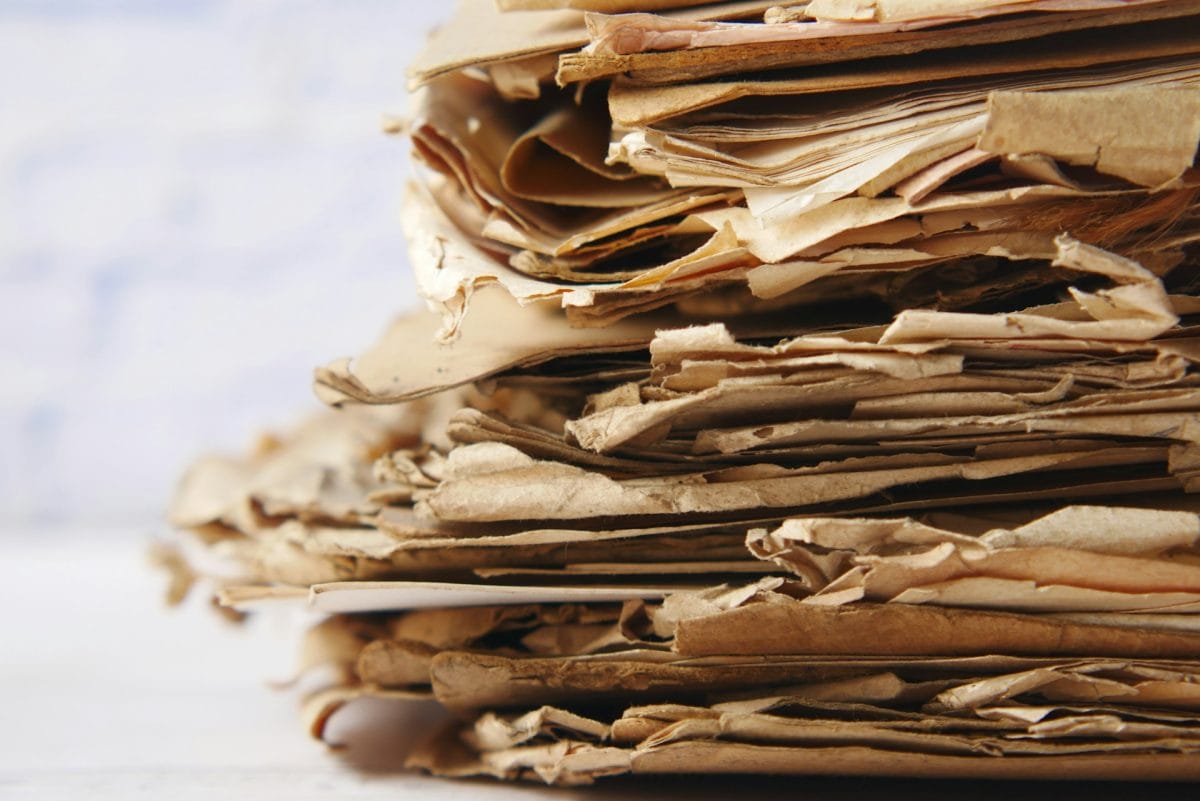
Recycling cardboard sounds like the obvious choice, but it does not always deliver the environmental win people expect. The recycling process requires transportation, sorting, and industrial processing, all of which consume energy and resources. In some cases, contaminated cardboard cannot even be recycled, which sends it straight to a landfill anyway. That reality complicates the idea that recycling always provides the best outcome.
Burying or composting cardboard skips those steps entirely. It keeps the material close to home and allows it to break down naturally without additional energy use. This approach reduces the overall carbon footprint associated with disposal. It also supports local ecosystems by enriching soil and promoting biodiversity. That combination creates a stronger environmental impact than recycling alone in certain situations.
Of course, not all cardboard works for this purpose. Heavily coated, waxed, or chemically treated materials should stay out of soil systems. Plain, untreated cardboard delivers the best results and keeps everything safe. Making that distinction ensures that the benefits remain positive and sustainable. It encourages thoughtful use rather than blanket decisions.
Simple Ways to Start Using Cardboard Today
Getting started with this method does not require special tools or advanced skills. Flattening boxes, removing non-biodegradable elements, and laying them directly on soil sets the foundation. Adding a layer of compost, mulch, or soil on top helps hold everything in place and speeds up decomposition. This simple setup works in gardens, pathways, and even larger landscaping projects.
Experimenting with different uses can unlock even more benefits. Cardboard can line garden beds, protect soil during off-seasons, or create defined planting areas. It can also serve as a base layer for new lawns or landscaping designs. Each use builds on the same principle: turn waste into a resource that supports growth and sustainability.
Consistency brings the best results. Regularly incorporating cardboard into gardening routines builds healthier soil over time. Watching the transformation from stiff material to rich earth creates a sense of progress and connection to the environment. It turns a basic household item into something genuinely valuable. That shift in perspective can inspire even more sustainable choices.
A Smarter Way to Handle Everyday Waste
Cardboard no longer needs to sit in a recycling bin waiting for pickup. It can become part of a living system that improves soil, reduces waste, and supports healthier plants. This approach blends practicality with environmental awareness, offering a simple way to make a meaningful impact. Small changes like this add up quickly and create visible results over time.
What creative ways have worked when reusing everyday materials in outdoor spaces? Share ideas, experiences, or clever tips in the comments and keep the conversation growing.
You May Also Like…
Why Cardboard Is a Useful Tool for Gardeners
Why Cardboard Mulch Might Be the Secret Weapon Your Soil Needs
8 Easy Ways to Add Organic Matter Without Buying Compost
How to Make a Simple Soil Moisture Meter at Home
Tips for Growing Strong Roots in Tight, Compacted Soil

Brandon Marcus is a staff writer for FrugalGardening.com at District Media, Inc., where he delivers practical gardening advice with a relatable, no-nonsense style. An avid amateur gardener, he holds a BA degree and with over ten years of professional writing experience, he is also an award-winning published author whose first book, Questions For Deep Thinkers, was released by Adams Media. His work has appeared in major publications including Fandom.com, CHUD.com, TheColdWire.com, and Fansided.com.
Leave a Reply